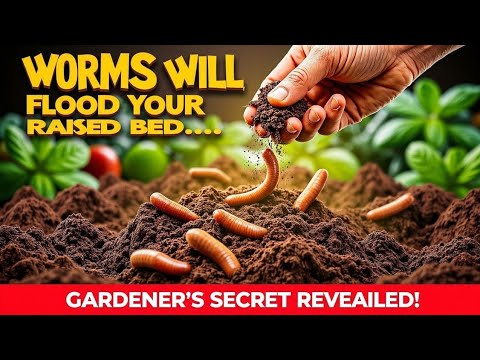
If you’re growing a raised garden bed, you might wonder if worms could help your plants thrive. Believe it or not, these little creatures can make a big difference in your garden’s health.
But are worms really good for raised garden beds? Understanding how worms work beneath the soil can unlock secret benefits for your plants, making your garden more vibrant and productive. Keep reading to discover why adding worms might be the best decision you make for your garden this season.

Credit: randylemmon.com
Benefits Of Worms In Raised Beds
Worms play a key role in making raised garden beds healthy. They help the soil stay loose and rich. This helps plants grow strong and healthy.
Adding worms to your raised beds can improve soil in many ways. They make the soil better for plants to get air, water, and nutrients.
Enhanced Soil Aeration
Worms tunnel through the soil in raised beds. These tunnels let air reach plant roots. Good air flow helps roots breathe and grow well.
Better aeration also helps water drain well. This stops water from pooling and causing root rot. Worm tunnels make soil less compact.
Improved Nutrient Cycling
Worms eat dead leaves and plant matter. They break down this material and turn it into nutrients plants can use. This process is called nutrient cycling.
- Worm castings add nitrogen, phosphorus, and potassium to soil.
- These nutrients help plants grow strong stems and leaves.
- Worm activity makes nutrients easier for roots to absorb.
Natural Pest Control
Worms help keep the soil healthy, which supports good bugs and microbes. Some of these can fight pests naturally. Healthy soil also means plants are less likely to get sick.
| Benefit | How Worms Help |
| Soil Health | Improve microbes that fight pests |
| Plant Strength | Provide nutrients to resist disease |
| Environment | Reduce need for chemical pesticides |
Types Of Worms For Gardens
Worms help keep raised garden beds healthy and full of nutrients. Different worms do different jobs in the soil.
Knowing which worms are best can improve your garden’s growth and soil quality.
Red Wigglers
Red wigglers are small worms that live near the soil surface. They eat decaying plants and turn them into rich compost.
- Easy to find in compost bins
- Work well in raised beds
- Help break down organic matter quickly
- Improve soil aeration and drainage
Earthworms
Earthworms are larger and live deeper in the soil. They create tunnels that help air and water reach plant roots.
| Type | Size | Role in Garden |
| Common Earthworm | 3-8 inches | Improves soil structure |
| Nightcrawler | 5-8 inches | Mixes soil layers |
| Blue Worm | 3-4 inches | Good for composting |
Other Beneficial Species
Some other worms also help gardens but are less common. They add different benefits to the soil.
- Enchytraeids – small worms that help break down organic matter quickly
- Pot worms – live in moist soil and improve soil health
- Flatworms – control pests by feeding on harmful insects
How Worms Boost Plant Growth
Worms help plants grow strong in raised garden beds. They do this by improving soil quality. Worms break down organic matter and make nutrients easy for plants to use.
They also change the soil’s texture and help keep water in the soil. These changes make roots healthier and plants grow better.
Worm Castings As Fertilizer
Worm castings are worm droppings full of nutrients. These castings act as natural fertilizer. They release nitrogen, phosphorus, and potassium slowly to plants.
- Boost plant nutrition
- Increase soil fertility
- Improve plant growth speed
- Help plants resist diseases
Soil Structure Improvement
Worms tunnel through soil, mixing it well. This loosens compact soil and creates air pockets. Good soil structure helps roots grow deep and strong.
| Benefit | Effect on Soil |
| Soil Aeration | Increases oxygen for roots and microbes |
| Soil Mixing | Distributes nutrients evenly |
| Root Growth | Allows roots to spread easily |
Water Retention Benefits
Worms help soil hold water better. Their tunnels store water and slow drainage. This keeps soil moist longer during dry days.
Water retention helps plants by:
- Reducing the need for frequent watering
- Preventing water stress in plants
- Supporting steady plant growth
Introducing Worms To Raised Beds
Adding worms to raised garden beds helps improve soil health. Worms break down organic matter and enrich the soil naturally.
Before adding worms, prepare the bed and choose the right types of worms. Proper care keeps worms healthy and active.
Selecting The Right Worms
Not all worms are good for raised beds. Choose worms that thrive in moist, rich soil. Red wigglers and European nightcrawlers work well.
- Red wigglers (Eisenia fetida) are great composters.
- European nightcrawlers (Eisenia hortensis) help mix soil deeply.
- Avoid garden earthworms, which prefer different conditions.
Preparing The Bed Environment
Worms need a moist, dark, and cool space to live. Prepare your raised bed by adding organic matter and keeping it damp.
| Factor | Ideal Condition |
| Moisture | Keep soil damp but not soggy |
| Temperature | Between 55°F and 77°F (13°C–25°C) |
| Organic Matter | Use shredded leaves, compost, or vegetable scraps |
| Shade | Protect bed from direct sun |
Maintaining Worm Health
Keep your worms healthy by monitoring their environment and food supply. Avoid harsh chemicals and too much heat.
- Feed worms small amounts of kitchen scraps regularly.
- Turn soil gently to provide air without disturbing worms too much.
- Keep the bed moist by watering lightly as needed.
- Remove any dead worms or moldy food promptly.
Common Challenges And Solutions
Worms are helpful in raised garden beds, but they come with some challenges. Knowing these problems helps you keep your garden healthy.
This guide covers common issues like overpopulation, predators, and moisture. It also shares ways to fix these problems.
Overpopulation Issues
Too many worms can crowd your garden bed. This may reduce air and space for roots. Overpopulation happens if food is very rich or the bed is small.
- Reduce feeding to avoid excess food for worms.
- Increase bed size to give worms more space.
- Harvest some worms and move them to another bed.
Predators And Threats
Birds, moles, and other animals eat worms in raised beds. This lowers worm numbers and hurts soil health. Protecting worms is important.
Common predators and ways to protect worms:
| Predator | Protection Method |
| Birds | Use netting over beds |
| Moles | Place underground barriers |
| Frogs and Toads | Avoid harmful pesticides |
Balancing Moisture Levels
Worms need the right moisture to survive. Too much water causes rot. Too little dries them out. Keeping moisture balanced is key.
- Check soil moisture often with your hand or a tool.
- Water the bed lightly but regularly to keep it damp.
- Improve drainage by adding sand or compost if soil stays wet.
- Cover beds with mulch to keep moisture steady.

Credit: brotherswormfarm.com
Worms Vs Traditional Fertilizers
Using worms in raised garden beds is a natural way to improve soil. Traditional fertilizers add nutrients quickly but can harm the soil over time.
This article compares worms and traditional fertilizers by cost, environmental impact, and soil health.
Cost Comparison
Worms need an initial investment but reduce costs later. Fertilizers require ongoing purchases that add up.
| Factor | Worms | Traditional Fertilizers |
|---|---|---|
| Initial Cost | Medium (buying worms and setup) | Low (buy fertilizer bags) |
| Recurring Cost | Low (worms reproduce and sustain) | High (need regular applications) |
| Overall Cost | Lower over time | Higher over time |
Environmental Impact
Worms help break down organic matter and improve soil naturally. Fertilizers can cause pollution and harm beneficial insects.
- Worms reduce waste by composting organic material
- They increase soil aeration and water retention
- Fertilizers may cause runoff and water pollution
- Some fertilizers harm earthworms and microbes
Long-term Soil Health
Worms improve soil structure and nutrient balance over time. Fertilizers can degrade soil quality if used too much.
| Aspect | Worms | Traditional Fertilizers |
|---|---|---|
| Soil Structure | Enhanced by worm tunnels | May compact soil |
| Nutrient Release | Slow and steady | Fast but short-lived |
| Microbial Life | Supports growth | Can reduce diversity |
| Soil pH Balance | Maintains balance | May cause acidity |
Success Stories From Gardeners
Many gardeners have found success using worms in raised garden beds. These creatures improve soil quality and plant health.
Worms help break down organic matter, providing nutrients for plants. This makes them a great addition to any raised garden bed.
Case Studies
John from Ohio used worms in his raised beds. He noticed bigger tomatoes and healthier plants.
Susan in Texas added worms to her garden. Her flowers bloomed longer and required less water.
- John’s tomatoes grew 20% larger
- Susan’s garden needed 30% less watering
Tips From Experts
Experts recommend adding worms to raised beds for better soil health. They suggest choosing the right type of worms.
Red wigglers are a popular choice for garden beds. They are efficient in breaking down organic waste.
- Use red wigglers for best results
- Add organic matter for worms to thrive
- Keep soil moist to support worm activity
Credit: www.gardeningknowhow.com
Frequently Asked Questions
Are Worms Beneficial For Raised Garden Beds?
Yes, worms improve soil structure and nutrient availability. They aerate the soil, promoting root growth. Their castings enrich the soil with essential nutrients, boosting plant health and yield in raised garden beds.
How Do Worms Improve Soil Quality In Raised Beds?
Worms break down organic matter into rich nutrients. Their movement aerates the soil, enhancing water retention and drainage. This creates a fertile environment, supporting healthy plant roots and better crop growth in raised beds.
Can Worms Help Control Pests In Raised Garden Beds?
Worms indirectly reduce pests by improving soil health and plant vigor. Healthy plants resist pests better. However, worms do not directly eat pests or control pest populations in raised garden beds.
What Types Of Worms Are Best For Raised Garden Beds?
Red wigglers (Eisenia fetida) are ideal for raised beds. They thrive in rich organic material and produce nutrient-rich castings. Nightcrawlers can also benefit beds but prefer deeper soil layers.
Conclusion
Worms help keep soil healthy in raised garden beds. They break down waste and make nutrients easy to use. Worm tunnels let air and water reach plant roots. Gardens with worms often grow stronger and healthier plants. Adding worms can save time and effort in care.
Try adding worms to see how your garden improves. Simple, natural, and good for your plants. Worms truly support a thriving raised bed garden.