Have you ever wanted to enjoy fishing but didn’t have the right gear? What if you could create your own fishing rod using just a simple stick?
Making a fishing rod from a stick is easier than you think, and it can turn an ordinary day outside into an exciting adventure. Imagine the satisfaction of catching fish with something you built yourself. In this guide, you’ll discover step-by-step how to craft your own fishing rod using materials you can find nearby.
Ready to dive in and learn a skill that’s both fun and rewarding? Let’s get started!
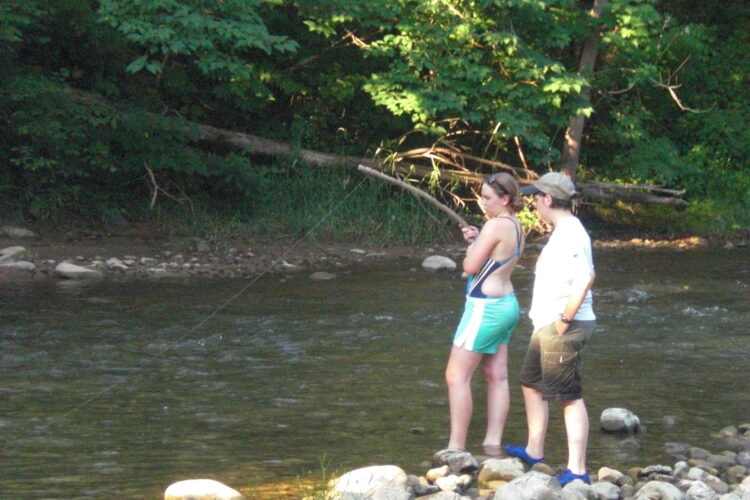
Credit: www.motherearthnews.com
Choosing The Right Stick
Making a fishing rod from a stick needs the right type of stick. The stick must be strong and flexible enough to hold a fishing line.
Choosing the right stick helps you catch fish easier and keeps the rod safe from breaking.
Ideal Stick Length And Thickness
The length and thickness of your stick affect how well the fishing rod works. A good stick is long enough to reach out but not too heavy to hold.
- Length should be between 5 and 7 feet for good control.
- Thickness must be about the size of your thumb.
- Thicker sticks are strong but heavy.
- Thinner sticks are light but may break easily.
Selecting Flexible Wood Types
Some woods bend without breaking. This is important for a fishing rod to handle fish pulling on the line.
| Wood Type | Flexibility | Common Use |
| Hickory | High | Tool Handles, Fishing Rods |
| Willow | High | Basket Making, Fishing Rods |
| Maple | Medium | Furniture, Some Rods |
| Oak | Low | Heavy Construction |
Checking For Strength And Durability
Check the stick for cracks or weak spots. A strong stick lasts longer and holds better.
Follow this checklist to check your stick’s strength:
- Look for smooth bark with no cracks.
- Press the stick gently to feel for soft spots.
- Shake the stick to hear if it sounds hollow.
- Choose sticks that feel solid and firm.

Credit: www.youtube.com
Gathering Essential Materials
Making a fishing rod from a stick is a fun and simple project. You need a few basic materials to get started.
Gathering the right items helps you build a rod that works well for fishing. Let’s look at the materials you need.
Fishing Line Options
Choosing the right fishing line is important. The line must be strong and flexible for catching fish.
Here are some common options for fishing lines you can use:
- Nylon monofilament line: easy to handle and good for beginners
- Fluorocarbon line: less visible in water, good for clear lakes
- Braided line: very strong and thin, good for bigger fish
Selecting Hooks And Bait
Hooks come in different sizes and shapes. Pick hooks that fit the type of fish you want to catch.
Bait attracts the fish. You can use live bait or artificial lures depending on what is available.
- Small hooks work for small fish like bluegill
- Larger hooks are better for bigger fish like bass
- Live bait includes worms, minnows, or insects
- Artificial bait can be plastic worms or small spinners
Additional Tools Needed
Besides the stick, line, hook, and bait, some tools help make the rod easier to use.
Here are some tools you might need to finish your fishing rod:
- Scissors or a knife to cut the line
- Strong tape or glue to secure the line to the stick
- A small weight or sinker to help the bait sink
- A bobber to see when a fish bites
Preparing The Stick
Creating a fishing rod from a stick is a fun outdoor activity. It requires patience and some basic skills. Let’s start by preparing the stick.
The right stick will become a strong and flexible fishing rod. Selecting and preparing the stick is crucial for a successful fishing experience.
Removing Bark And Smoothing Surface
First, you need to remove the bark from the stick. This makes it smoother and easier to handle. Be careful not to damage the wood underneath.
- Use a knife or a sharp stone to peel the bark.
- Hold the stick firmly and scrape along its length.
- Sand the surface with sandpaper for smoothness.
Shaping The Handle
The handle should be comfortable to grip. It’s important for controlling your fishing rod.
Creating Guides For The Line
Guides help in directing the fishing line along the rod. They ensure smooth casting and reeling.
| Material | Use |
| Metal wire | Form small loops |
| Strong thread | Secure loops to the stick |
| Tape | Wrap the base of loops for stability |
Attaching The Fishing Line
Attaching the fishing line to your homemade rod is an important step. It helps you catch fish safely and keeps your gear working well.
In this section, learn how to tie knots, fix the hook, and add floaters or sinkers to your line.
Tying Secure Knots
Tying strong knots is key to holding the line and hook together. Use knots that do not slip or come undone easily.
- Make a loop near the end of the line.
- Pass the line through the hook eye.
- Wrap the line around itself five times.
- Thread the end back through the loop.
- Pull tight and trim extra line.
Fixing The Hook
Fix the hook firmly to your line to avoid losing fish. The hook should face upwards or sideways for better catch chances.
| Hook Size | Best for | Tying Tip |
| Small | Small fish like perch | Use fewer wraps to avoid bulk |
| Medium | General fishing | Wrap five times for strength |
| Large | Big fish like catfish | Use strong line and many wraps |
Adding Floaters Or Sinkers
Floaters and sinkers help your bait stay in the right spot in the water. Choose the right one based on where you fish.
- Floaters:Keep bait near the surface. Good for shallow waters.
- Sinkers:Help bait go deeper. Use in rivers or deep lakes.
- Attach floaters above the hook and sinkers below for balance.
- Test your setup by dipping it in water before fishing.
Testing Your Diy Rod
After making your fishing rod from a stick, testing it is important. This helps you see if it works well and if it needs changes.
Testing includes checking the line tension, practicing casting, and adjusting the rod for better use.
Checking Line Tension
Check the line tension by pulling it gently. The line should be tight but not too hard to pull.
If the line feels loose, tie it again or use a stronger knot. Tight tension helps catch fish better.
- Pull the line gently to test strength
- Look for any slack or looseness
- Retie knots if the line feels loose
Casting Practice Tips
Practice casting your rod in an open area. This helps you learn how far and accurate you can throw the line.
Start with short casts and increase distance slowly. Keep your movements smooth and steady.
- Find a clear space free of obstacles
- Begin with short, slow casts
- Watch the line to improve your aim
- Keep your arm and wrist steady
Adjusting For Better Performance
If your rod does not cast well or feels weak, adjust it. You can change the line length or move knots.
Also, check the stick for cracks or bends. Fix these to make your rod stronger and easier to use.
- Shorten or lengthen the fishing line
- Retie knots for better hold
- Replace the stick if it is cracked
- Smooth rough spots on the stick

Credit: www.meltontackle.com
Tips For Successful Fishing
Fishing can be fun and relaxing. Making a fishing rod from a stick is a simple way to start. You only need a few materials and patience.
Knowing good fishing spots, choosing the right bait, and caring for the environment help you catch fish better. Here are some useful tips.
Best Fishing Spots
Look for places where fish like to stay. Fish often gather near plants, rocks, and shallow waters. Early morning and late evening are good times to fish.
Rivers, lakes, and ponds are common spots. Avoid areas with strong currents or too much noise. Quiet places help fish feel safe.
- Near underwater plants or weeds
- Close to rocks or logs
- Shallow water edges
- Calm parts of rivers or lakes
Choosing The Right Bait
Fish eat different things depending on their type. Use natural bait like worms, insects, or small fish. Live bait works best to attract fish.
Try to match the bait size with the fish you want to catch. Smaller bait is good for small fish, bigger bait attracts larger fish.
- Earthworms and nightcrawlers
- Grasshoppers and crickets
- Small minnows or fish pieces
- Bread or dough balls for some fish
Safety And Environmental Care
Be careful while fishing. Wear proper shoes and watch your surroundings. Keep your hands safe from hooks and sharp sticks.
Do not leave trash or fishing lines behind. Protect nature and fish habitats. Catch only what you need and release small fish.
- Wear sturdy shoes to avoid slips
- Handle hooks carefully
- Dispose of trash properly
- Respect local fishing rules
- Release small or unwanted fish
Frequently Asked Questions
What Materials Do I Need To Make A Fishing Rod From A Stick?
You need a sturdy stick, fishing line, a hook, and a weight. Optional items include bait and a small knife for adjustments. These materials are easy to find outdoors or at home.
How Do I Choose The Right Stick For A Fishing Rod?
Select a straight, flexible stick about 4 to 6 feet long. It should be strong enough to hold weight but light enough to handle easily. Avoid brittle or very thick sticks.
Can I Catch Fish With A Homemade Stick Fishing Rod?
Yes, a homemade rod can catch small to medium fish. Success depends on your bait, technique, and fishing spot. Patience and practice improve your chances.
How Do I Attach The Fishing Line To The Stick?
Tie the fishing line securely near the stick’s tip using a strong knot. Ensure it is tight to avoid slipping. Attach the hook and weight at the line’s end.
Conclusion
Making a fishing rod from a stick is simple and fun. It uses things found in nature and a little creativity. This project teaches patience and basic fishing skills. You can enjoy time outdoors and maybe catch some fish. Try it on your next adventure.
It’s a great way to connect with nature and learn something new. Simple tools and a stick can bring a lot of joy. Give it a try and see what you catch!