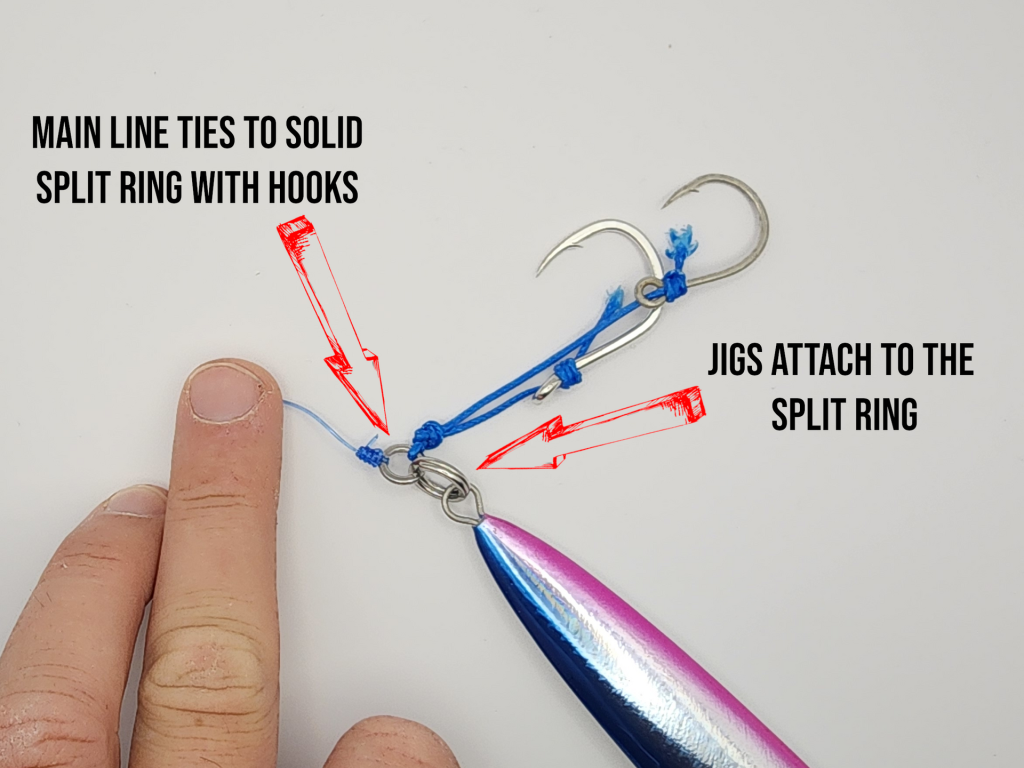
If you want to catch more fish, knowing how to tie a jig to your fishing line is a skill you can’t afford to miss. A strong, secure knot can make all the difference between landing your catch or losing it.
In this guide, you’ll learn a simple, step-by-step method that even beginners can master quickly. By the end, you’ll feel confident tying your jig every time, making your fishing trips more successful and enjoyable. Ready to improve your fishing game?
Let’s dive in!

Credit: www.youtube.com
Choosing The Right Jig And Line
Tying a jig to a fishing line starts with picking the right jig and line. These choices affect how well you catch fish.
Different fish need different jigs and lines. Knowing which to use helps you fish better.
Types Of Jigs For Different Fish
Jigs come in many shapes and sizes. Each type works best for certain fish and fishing spots.
- Football Jigs:Good for bass fishing around rocks and cover.
- Tube Jigs:Attract panfish and crappie with their lifelike movement.
- Swim Jigs:Great for active fish in open water.
- Grass Jigs:Designed to fish in heavy vegetation without snagging.
Choose a jig that matches the fish size and water conditions. Lighter jigs suit clear water, while heavier jigs work well in currents.
Selecting The Appropriate Fishing Line
The fishing line must match your jig and fish type. Line strength and flexibility matter.
Monofilament lines are stretchy and good for beginners. Fluorocarbon lines are less visible and better for clear water. Braided lines are strong and thin but less stretchy.
- Light Line (4-8 lb):Best for small fish and light jigs.
- Medium Line (8-15 lb):Good for bass and medium jigs.
- Heavy Line (15+ lb):Use for big fish or heavy cover.
Match your line to the jig weight. Too heavy line can reduce jig action. Too light line may break easily.
Credit: www.youtube.com
Preparing Your Fishing Line
Before tying a jig to your fishing line, you must prepare the line carefully. This helps to ensure a strong and secure connection. Proper preparation makes fishing easier and more effective.
Two important steps are trimming and straightening the line and checking for any damage. Both steps help keep your line in good condition for fishing.
Trimming And Straightening The Line
Cut the end of your fishing line cleanly to remove any frayed parts. A sharp pair of scissors or line clippers works best for this. A neat end helps the knot hold better.
After trimming, straighten the line by pulling it gently through your fingers. This removes any twists or kinks. A straight line is easier to handle and tie knots with.
- Use sharp scissors or line clippers for a clean cut
- Pull the line to remove twists and kinks
- Keep the line smooth for easier knot tying
Checking For Line Damage
Look over your fishing line carefully before tying the jig. Check for any nicks, cuts, or worn spots. Damaged line can break easily when fishing.
Run your fingers along the line to feel for rough areas. Replace the line if you find any damage. Using a strong line helps keep your jig secure in the water.
- Inspect the line for cuts or abrasions
- Feel for rough or weak spots with your fingers
- Replace damaged line to avoid breakage
Popular Knots For Tying Jigs
Tying a jig to your fishing line is important. It helps you catch fish effectively. Different knots are useful for different situations.
Let’s explore some popular knots. These knots are easy to learn and use. They ensure your jig stays secure on the line.
Improved Clinch Knot
The Improved Clinch Knot is popular among anglers. It is strong and reliable for securing jigs. Many fishermen use it for its simplicity.
To tie this knot, pass the line through the jig eye. Twist it around the main line several times. Then, pass the end through the loop near the eye.
- Pass line through jig eye
- Twist line around main line
- Pass end through loop near eye
- Pull tight to secure
Palomar Knot
The Palomar Knot is another favorite. It is easy to tie and very strong. Many anglers trust it for its reliability.
To tie the Palomar Knot, double your line. Pass it through the jig eye. Tie a simple overhand knot with the doubled line.
- Double the line
- Pass through jig eye
- Tie an overhand knot
- Pass jig through loop
- Tighten the knot
Loop Knot
The Loop Knot is perfect for jigs. It allows the jig to move freely. This movement attracts fish and increases your chances of a catch.
To tie a Loop Knot, make a small loop in the line. Pass the tag end through the jig eye. Wrap the tag end around the main line and back through the loop.
- Create a small loop
- Pass tag end through jig eye
- Wrap tag end around main line
- Pass tag end back through loop
- Tighten for a secure knot

Credit: wholesalejigs.com.au
Step-by-step Knot Tying Guide
Tying a jig to a fishing line is important for a strong connection. This guide shows you how to tie the knot in clear steps.
Follow these easy instructions to secure your jig and fish with confidence.
Threading The Line Through The Jig
First, take the end of your fishing line. Pass it through the eye of the jig carefully.
Make sure the line goes all the way through so you can start tying the knot.
Creating The Knot Loop
Next, double back the line to form a small loop near the jig’s eye. Hold the loop steady with your fingers.
Wrap the loose end of the line around the main line five to seven times. This builds the knot’s strength.
- Make sure wraps are neat and tight
- Keep the loop size consistent
- Count your wraps carefully
Tightening And Securing The Knot
Pull the loose end slowly to tighten the wraps. Slide the knot close to the jig’s eye.
Wet the knot with water or saliva to reduce friction. Then pull both ends firmly to secure the knot.
- Check for any loose wraps
- Trim excess line close to the knot
- Test the knot strength before fishing
Tips For Stronger Knot Performance
Tying a jig to a fishing line needs care to keep the knot strong.
Strong knots help catch more fish without losing the jig or line.
Moistening The Knot Before Tightening
Moisten the knot with water or saliva before pulling it tight. This reduces heat and friction that can weaken the line.
Ensuring Proper Knot Tightness
Tighten the knot firmly but do not over-tighten. Too much force can damage the line or knot.
- Pull the tag end and main line slowly.
- Keep the knot steady while tightening.
- Check if the knot feels secure and tight.
Trimming Excess Line
Cut the extra line close to the knot. Leaving too much line can cause tangles or catch on weeds.
| Cut Length | Why It Matters |
| 2-3 mm | Prevents knot slipping and tangles |
| More than 5 mm | Increases risk of catching weeds or debris |
| Too short | May cause the knot to loosen |
Common Mistakes To Avoid
Tying a jig to a fishing line looks easy but can be tricky. Small mistakes can cause lost fish and broken lines. Avoid these common errors for better fishing results.
Read about errors in knot choice, line care, and tying tension. Fix these to keep your fishing line strong and reliable.
Using Incorrect Knot Types
Not all knots hold well for jigs. Some knots slip or weaken the line. Use knots designed for jigs and braided or monofilament lines.
- Palomar knot: strong and easy to tie.
- Improved clinch knot: common but less strong for jigs.
- Loop knot: allows jig to move naturally.
- Overhand knot: weak, avoid for jigs.
Neglecting Line Condition
Old or damaged line breaks easily. Check your line before tying your jig. Replace if you see frays or weak spots.
| Line Problem | Effect on Fishing |
|---|---|
| Frayed line | Breaks under tension |
| Discolored line | Weakened strength |
| Old line | Less flexibility, more breaks |
| Knots on damaged spots | High chance of failure |
Overtightening And Damaging The Line
Tightening knots too hard can cut or weaken the line. Pull gently and wet the line before tightening. This protects the fibers and keeps knots strong.
Tips to avoid overtightening:
- Wet the line with water or saliva.
- Pull the knot slowly and steadily.
- Stop tightening as soon as the knot is snug.
- Check knot tightness before fishing.
Testing Your Knot Strength
After tying a jig to your fishing line, it is important to test the knot strength. This ensures the knot will hold when you catch a fish. A strong knot keeps your jig secure and prevents losing fish.
Testing your knot is simple and quick. It helps you feel confident before you start fishing. Always check your knot strength to avoid surprises on the water.
Pull Test Techniques
One easy way to test your knot strength is to pull the line firmly with your hands. Hold the jig and pull the line away from it. This simulates the force a fish might put on the knot.
You can also use a knot tester tool. This device measures the exact strength of your knot. It helps find weak points before you fish.
- Pull the line steadily, not quickly
- Check if the knot slips or loosens
- Look for frayed or damaged line near the knot
- Repeat the test a few times for safety
When To Retie Your Knot
Retie your knot if it slips or feels weak during the pull test. Also, retie if the line near the knot looks worn or damaged. A weak knot can break easily when fishing.
It is best to retie your knot before every fishing trip. This avoids surprises and keeps your gear ready. Retie if you catch a big fish or if the knot has been under strain.
- After catching a large fish
- If the knot slips during testing
- If the line shows damage near the knot
- Before every new fishing trip
Frequently Asked Questions
How Do I Tie A Jig To A Fishing Line Securely?
Use an improved clinch knot for a strong hold. Thread the line through the jig eye, twist 5-7 times, then pass the tag end through the loop and tighten. This knot prevents slipping and holds the jig firmly during casting and retrieving.
What Is The Best Knot For Jig Fishing?
The improved clinch knot is the best for tying jigs. It offers excellent strength and is easy to tie. This knot keeps the jig stable, allowing for better movement and improved fish attraction during fishing.
Can I Use Braided Line To Tie A Jig?
Yes, braided line works well with jigs. Use a Palomar knot with braided line for maximum strength. This knot maintains the line’s integrity and prevents slipping, ensuring your jig stays attached even under heavy strain.
How Tight Should I Tie The Knot On A Jig?
Tighten the knot firmly but avoid over-tightening. A snug knot prevents slipping, while over-tightening can weaken the line or knot. Moisten the line before tightening to reduce friction and ensure a secure, long-lasting knot.
Conclusion
Tying a jig to your fishing line is simple and effective. Use a strong knot to keep the jig secure. Practice the steps slowly to build confidence. A well-tied jig improves your chances to catch fish. Try different jig sizes and colors for better results.
Keep your line tight while fishing to feel bites. Remember, patience and practice make fishing more fun. Enjoy your time by the water with your new skill.