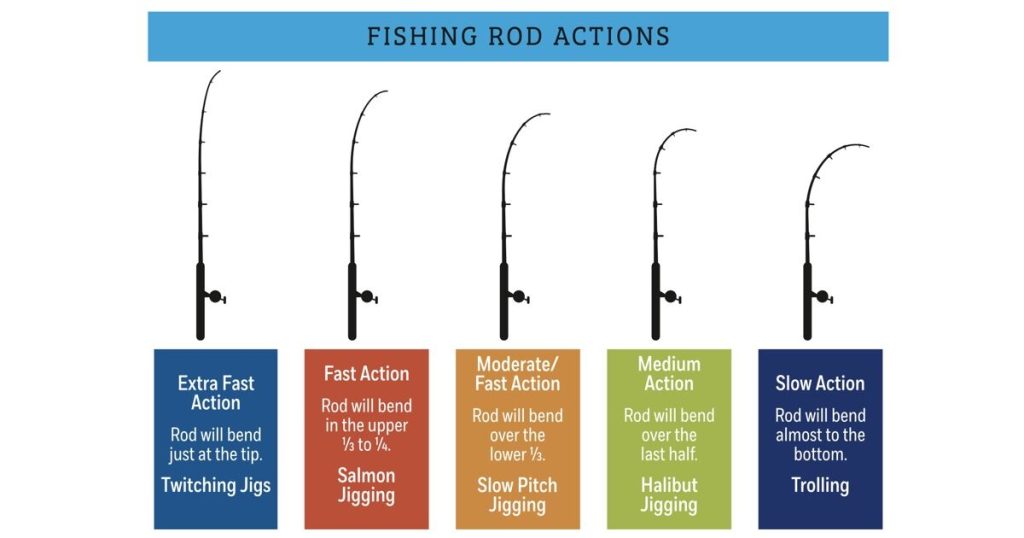
Have you ever wondered how much weight your fishing line can actually hold? Knowing this can make all the difference between landing a big catch or losing it at the last moment.
Whether you’re a beginner or an experienced angler, understanding your line’s strength helps you fish smarter and avoid costly mistakes. You’ll discover exactly what determines a fishing line’s weight limit and how to choose the right one for your next fishing trip.
Keep reading—you’re about to unlock the secret to catching more fish with confidence.

Credit: mysterytacklebox.com
Fishing Line Strength Basics
Fishing line strength is key for catching fish without breaking the line. It shows how much weight the line can hold before snapping.
Knowing line strength helps you pick the right line for your fishing needs. It keeps your fishing experience smooth and successful.
Types Of Fishing Lines
There are three main types of fishing lines. Each has different strength and use.
- Monofilament: Made of one nylon strand. It is stretchy and easy to handle.
- Fluorocarbon: Less visible in water and stronger than monofilament.
- Braid: Made of many fibers woven together. It is very strong and thin.
Measuring Line Strength
Line strength is measured in pounds or kilograms. It tells how much weight the line can hold before breaking.
The strength is called “test” or “breaking strength.” A higher test means a stronger line.
- Check the packaging for the test weight.
- Use the right strength for the fish size you want to catch.
- Stronger lines are thicker and less invisible in water.
Factors Affecting Strength
Several things can change how strong a fishing line is. Wear and tear lower its strength over time.
Knots, water type, and line age also affect line strength. Proper care keeps the line strong.
- Knots can reduce strength by up to 50% if tied badly.
- Saltwater can weaken some lines faster than freshwater.
- Sunlight and heat can damage the line material.
- Old lines lose strength due to material breakdown.
Popular Line Materials
Fishing lines come in different materials. Each type has a different strength and use.
Knowing the material helps you pick the best line for your fishing needs.
Monofilament Lines
Monofilament lines are made from one single strand of nylon. They are flexible and easy to handle.
These lines stretch under pressure. This helps absorb the shock from a fish pulling hard.
- Good for beginners because they are easy to tie
- Can hold moderate weight depending on thickness
- Common strengths range from 4 to 20 pounds
Fluorocarbon Lines
Fluorocarbon lines are made from a special type of plastic. They are less visible underwater.
They are stronger than monofilament of the same diameter. They resist abrasion well.
- Good for clear water fishing
- Hold weight better with less stretch
- Common strengths range from 6 to 25 pounds
Braided Lines
Braided lines are made by weaving many strands together. They are very strong and thin.
These lines have almost no stretch. They can hold a lot of weight for their size.
- Best for heavy fishing and deep water
- Strength ranges from 10 to over 80 pounds
- Require special knots because they are slippery
Breaking Strength Vs. Test Strength
Fishing lines have different strength ratings. Two common terms are breaking strength and test strength. These terms help anglers pick the right line for their fishing needs.
Understanding the difference between breaking strength and test strength can prevent line failures and lost catches. This guide explains what these terms mean and how they affect your fishing experience.
What Test Strength Means
Test strength is the manufacturer’s rated strength of the fishing line. It shows the maximum weight the line can hold before breaking under ideal conditions. This number is often printed on the line’s packaging.
- It is measured in pounds or kilograms.
- Test strength assumes no knots or damage to the line.
- It helps anglers select lines suitable for specific fish sizes.
- Test strength does not account for real fishing conditions.
Real-world Breaking Points
The actual breaking strength of a fishing line can be less than its test strength. Factors like knots, abrasion, and water conditions reduce the line’s strength.
| Factor | Effect on Breaking Strength |
|---|---|
| Knots | Can reduce strength by up to 50% |
| Abrasion | Weakens the line over time |
| Water Conditions | Cold water can make line more brittle |
| Line Age | Old lines lose strength gradually |
Line Diameter And Strength Relationship
The strength of a fishing line depends on its diameter. Understanding this relationship helps anglers make informed choices.
Both beginners and experienced fishers need to know how line thickness affects its strength. This knowledge is crucial for selecting the right line for fishing.
Thicker Lines And Strength
Thicker lines are generally stronger. They can hold more weight and resist breaking under pressure.
- Thicker lines can handle larger fish.
- They resist abrasion from rocks and debris.
- They are less likely to snap in strong currents.
Balancing Strength And Visibility
While thicker lines offer strength, they are more visible in water. This can scare fish away.
Anglers must balance strength and visibility for better results. Using lines that blend with water color is a good strategy.
| Line Type | Visibility | Strength |
| Monofilament | High | Moderate |
| Braided | Low | High |
| Fluorocarbon | Very Low | High |
Impact Of Knot Strength
Knot strength plays a big role in how much weight a fishing line can hold. A strong knot keeps the line from breaking under pressure.
Different knots affect the line strength in different ways. Knowing which knots are strong helps you catch bigger fish.
Common Knots And Their Strength
Some knots keep most of the line’s strength while others reduce it a lot. Here are common knots and how strong they are compared to the line’s original strength.
| Knot | Strength Percentage |
| Palomar Knot | 95% |
| Improved Clinch Knot | 85% |
| Uni Knot | 90% |
| Loop Knot | 80% |
| Double Surgeon’s Knot | 75% |
How Knots Reduce Line Strength
Knots reduce line strength by creating weak points. The line bends and rubs inside the knot, causing stress.
- Tight bends in the knot weaken the line fibers.
- Friction during knot tightening can damage the line.
- Uneven tension causes parts of the knot to bear more load.
- Small knots tend to be weaker because they stress the line more.
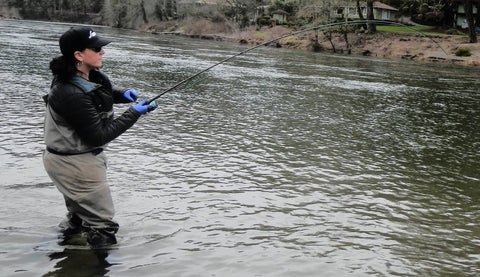
Choosing the right knot and tying it properly helps keep the fishing line strong and reliable.
Credit: www.lamiglas.com
Environmental Factors Affecting Line Strength
Fishing line strength depends on many environmental factors. These factors can reduce the line’s ability to hold weight. Understanding these helps anglers choose the right line for their needs.
Some common conditions like water, sunlight, and wear affect the durability of the fishing line. Each factor changes the line’s strength in different ways.
Water Conditions
Water type and temperature impact fishing line strength. Saltwater can cause corrosion and weaken certain lines. Cold water makes some lines stiff and brittle. Freshwater is usually less harsh.
- Saltwater can damage line fibers over time.
- Cold water lowers line flexibility.
- Fast currents can cause extra stress on the line.
- Debris in water may cause cuts or abrasions.
Exposure To Sunlight
Sunlight weakens fishing lines through UV radiation. UV rays break down the line’s material. This makes it brittle and easier to snap.
| Exposure Time | Effect on Line |
|---|---|
| Less than 1 hour | No significant damage |
| 1 to 3 hours | Minor weakening |
| 3 to 6 hours | Noticeable brittleness |
| More than 6 hours | Severe damage, easy to break |
Wear And Tear
Repeated use causes wear and tear on fishing lines. Friction against rod guides and rough surfaces damages the line. Small nicks and cuts reduce its strength.
- Drag line over rough rocks or sand carefully.
- Check line often for cuts or abrasions.
- Replace line if it shows signs of damage.
- Use rod guides with smooth inserts to reduce wear.
Choosing The Right Line For Your Catch
Fishing lines come in many strengths and types. Picking the right line helps you catch fish without losing them.
Each fishing line can hold a certain weight. This weight limit is important to match with the fish you want to catch.
Matching Line To Fish Species
Different fish need different line strengths. Small fish need light lines, big fish need stronger lines.
Check the average weight of the fish species. Use a line that can hold at least that much weight.
| Fish Species | Line Strength (Pounds) |
|---|---|
| Trout | 4-8 lbs |
| Bass | 8-15 lbs |
| Catfish | 15-30 lbs |
| Salmon | 12-20 lbs |
| Musky | 30-50 lbs |
Adjusting For Fishing Techniques
Fishing techniques affect the line strength you need. Some methods put more stress on the line.
Use stronger lines for rough waters or heavy cover. Use lighter lines for clear water or delicate presentations.
- Fly fishing usually uses light lines for small fish.
- Deep sea fishing needs very strong lines for big fish.
- Surf fishing requires durable lines to handle waves.
- Baitcasting can use medium to heavy lines for control.
Testing Your Fishing Line Strength
Knowing how much weight your fishing line can hold helps you fish with confidence. Testing the line strength ensures it meets your needs.
You can test your fishing line at home or use professional tools. Both ways give a good idea of the line’s durability.
Diy Strength Tests
You can test your fishing line strength with simple tools at home. This helps you avoid line breaks when fishing.
Try tying the line to a fixed point and gradually add weight. Watch closely for any signs of stretching or breaking.
- Use small weights or objects with known weight
- Pull the line slowly to check its stretch and break point
- Repeat the test several times for accuracy
- Inspect the line for any damage after each test
Using Professional Equipment
Professional tools give precise measurements of your fishing line’s strength. These tools are used in labs or by fishing experts.
Equipment like tensile testers pull the line until it breaks. They record the exact weight the line held before snapping.
- Tensile testers measure force in pounds or kilograms
- Results help compare different lines accurately
- Tests can show line strength under various conditions
- Professional tests are useful for serious anglers or manufacturers
Tips To Maximize Line Strength
Fishing line strength is key to landing big catches. You can keep your line strong with good care. Simple actions help your line hold more weight and last longer.
Follow these tips to protect your fishing line. Good storage and regular checks make a big difference. Changing old lines also keeps your gear ready for action.
Proper Line Storage
Storing fishing line correctly stops damage from sun, heat, and moisture. These factors weaken line strength over time. Keep your line in a cool, dry place away from direct sunlight.
- Use sealed containers or plastic bags
- Keep the line away from sharp objects
- Store spools vertically to avoid tangling
- Avoid extreme temperature changes
- Do not leave line on the reel for long periods
Regular Line Maintenance
Check your fishing line often for signs of wear or damage. Small cuts or nicks can reduce the line’s strength. Clean the line with fresh water after use, especially after saltwater fishing.
| Maintenance Task | Why It Helps |
| Inspect for nicks and frays | Prevents unexpected breaks |
| Rinse with fresh water | Removes salt and dirt |
| Dry line before storing | Stops mold and rot |
| Apply line conditioner | Keeps fibers flexible |
Replacing Old Lines
Old fishing lines lose strength even if they look fine. Replace lines after a season or if you notice any damage. Changing lines often improves your chances of landing big fish safely.
- Replace monofilament lines yearly
- Check braided lines for wear regularly
- Discard lines with discoloration or stiffness
- Choose the right line for your fishing type
- Keep spare lines ready for quick swaps

Credit: www.amazon.ca
Frequently Asked Questions
What Factors Determine A Fishing Line’s Weight Capacity?
A fishing line’s weight capacity depends on its material, diameter, and construction. Monofilament, fluorocarbon, and braided lines differ in strength. Thicker lines usually hold more weight, but material quality also matters. Always check the manufacturer’s test rating for accurate weight limits.
How Is Fishing Line Strength Measured?
Fishing line strength is measured in pounds or kilograms, indicating the maximum weight it can hold before breaking. This rating is called “test” and helps anglers choose the right line for their target fish and fishing conditions. Always select a line with a suitable test strength.
Can Fishing Line Hold More Weight Than Its Test Rating?
Fishing lines can sometimes hold slightly more than their test rating, but relying on this is risky. Exceeding the test strength can cause sudden breaks, losing fish and gear. Always use a line rated for at least the fish’s estimated weight for safety.
Does Fishing Line Type Affect Its Weight Capacity?
Yes, fishing line type greatly affects weight capacity. Braided lines have higher strength for thinner diameters. Monofilament lines offer more stretch but less strength. Fluorocarbon lines are strong and nearly invisible underwater. Choose the type that best fits your fishing style and target species.
Conclusion
Choosing the right fishing line strength matters a lot. It keeps your line from breaking during a catch. Always check the line’s weight limit before fishing. Different fish need different line strengths. Too weak a line means losing fish. Too strong a line can be hard to handle.
Match your line to the fish and fishing style. This helps you enjoy fishing without surprises. Remember, knowing your line’s limits makes fishing easier. Keep practicing and learn what works best for you. Fishing becomes more fun with the right gear.