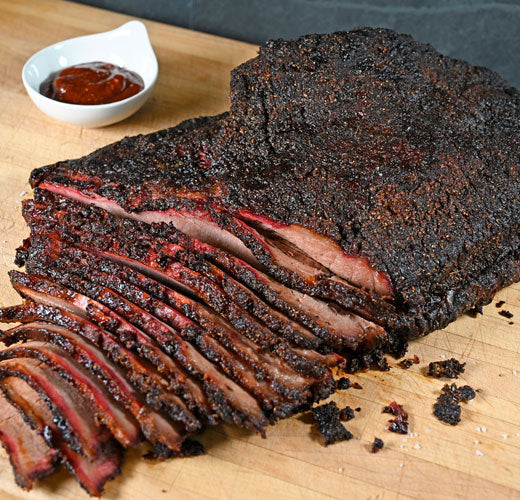
Have you ever wondered if you can smoke a brisket on a charcoal grill? If you love the rich, smoky flavor of slow-cooked meat but don’t have a fancy smoker, this question might be on your mind.
The good news is, you can achieve amazing results right on your charcoal grill. Imagine biting into tender, juicy brisket with that perfect smoky aroma, all made with tools you already have. You’ll discover simple steps and expert tips to turn your charcoal grill into a powerful smoker.
Keep reading, and you’ll soon impress your friends and family with mouthwatering brisket that tastes like it came from a pro.

Credit: www.reddit.com
Choosing The Right Charcoal
Smoking a brisket on a charcoal grill needs the right charcoal. The charcoal affects the heat and flavor of your meat.
Picking good charcoal helps keep a steady temperature for hours. It also adds a smoky taste to your brisket.
Types Of Charcoal For Smoking
There are different kinds of charcoal for smoking. Lump charcoal and briquettes are the most common choices.
Lump charcoal burns hotter and cleaner. Briquettes burn longer and give steady heat. Both work well for smoking brisket.
- Lump Charcoal:Made from natural wood pieces, burns fast and hot.
- Briquettes:Made from compressed charcoal and additives, burns longer and steady.
- Natural Hardwood Briquettes:No chemicals, good for clean smoke flavor.
Charcoal Quality And Burn Time
High-quality charcoal lasts longer and burns evenly. Low-quality charcoal may burn out quickly or cause uneven heat.
Good charcoal keeps your grill temperature steady. This is important for smoking a brisket over several hours.
- Look for charcoal with no fillers or chemicals.
- Choose charcoal that produces little ash.
- Test burn time to see if charcoal lasts long enough for your cook.
Preparing The Brisket
Smoking a brisket on a charcoal grill takes time and care. Preparing the meat right makes a big difference. This guide covers picking the cut, trimming it well, and adding the best seasoning.
Each step helps you get tender, flavorful brisket. Let’s start with how to select the right piece of meat.
Selecting The Cut
Choose a brisket that has a good layer of fat on one side. This fat keeps the meat moist during smoking. Look for a piece that feels firm and has a nice marbling of fat inside.
A whole brisket, called a packer cut, has two parts: the flat and the point. The flat is leaner, and the point has more fat. Both parts add flavor when smoked together.
Trimming Techniques
Trimming removes excess fat and silver skin that can stop smoke from reaching the meat. Leave about a quarter inch of fat on the brisket to keep it juicy.
- Use a sharp knife to trim the fat cap evenly.
- Remove any hard or thick fat that won’t melt during cooking.
- Cut away silver skin and tough membranes.
- Shape the brisket so it cooks evenly on the grill.
Seasoning And Rubs
Seasoning helps bring out the meat’s natural flavors. Most cooks use a dry rub made with salt and pepper as the base.
| Common Ingredients | Purpose |
| Coarse salt | Enhances flavor and tenderizes |
| Black pepper | Adds mild heat and texture |
| Garlic powder | Gives a savory note |
| Onion powder | Adds sweetness and depth |
| Paprika | Provides color and mild smokiness |
Apply the rub evenly over the brisket. Press it gently into the meat so it sticks during smoking.
Setting Up The Charcoal Grill
Smoking a brisket on a charcoal grill is a rewarding experience. With the right setup, your brisket can be flavorful and tender.
Learn how to properly arrange your grill to achieve the best results. Follow these steps for a successful smoking session.
Creating A Two-zone Fire
Using a two-zone fire is essential for smoking meat on a charcoal grill. It allows you to cook with both direct and indirect heat.
- Place charcoal on one side of the grill for direct heat.
- Leave the other side empty for indirect cooking.
- Light the charcoal and let it heat up.
- Put the brisket on the indirect side for slow cooking.
Using A Water Pan
A water pan helps maintain moisture and temperature. It acts as a buffer between the brisket and the heat source.
Fill a pan with water and place it under the grill grate. This will catch drippings and keep the air humid.
Controlling Temperature
Temperature control is crucial for smoking brisket. Keep a consistent temperature to ensure even cooking.
| Temperature Range | Action |
| 225°F to 250°F | Ideal for smoking brisket |
| Below 225°F | Add more charcoal |
| Above 250°F | Adjust vents to cool down |
Smoking Process
Smoking a brisket on a charcoal grill takes time and patience. You use indirect heat and smoke to cook the meat slowly.
This process helps the brisket become tender and full of flavor. You must control heat and smoke carefully.
Adding Wood Chips For Smoke
Add wood chips to create smoke that flavors the brisket. Soak the chips in water for about 30 minutes before use.
Place the soaked chips directly on the hot charcoal. They will smolder and produce smoke slowly.
- Use mild woods like apple or cherry for a sweet smoke
- Hardwoods like oak give a stronger smoke flavor
- Do not add too many chips at once to avoid heavy smoke
Maintaining Consistent Heat
Keep the grill temperature steady around 225°F to 250°F. Use a two-zone fire by placing charcoal on one side only.
Adjust vents to control airflow and heat. Add small amounts of charcoal as needed to keep heat steady.
- Open vents increase heat and airflow
- Closing vents lowers temperature
- Use a water pan on the cool side to keep moisture
Monitoring Internal Temperature
Use a meat thermometer to check the brisket’s internal temperature. This tells you when the meat is done.
Cook the brisket until it reaches about 195°F to 205°F. This range makes the meat tender and juicy.
- Insert thermometer in the thickest part of the brisket
- Check temperature every hour for best results
- Rest the meat after cooking to keep juices inside
Common Challenges
Smoking a brisket on a charcoal grill is rewarding but comes with challenges. You need to control heat and smoke carefully.
Understanding how to handle flare-ups, smoke levels, and temperature changes helps you cook better meat.
Managing Flare-ups
Flare-ups happen when fat drips on hot coals. This causes sudden flames that can burn the brisket’s surface.
- Keep a water spray bottle nearby to control flames quickly.
- Use a drip pan to catch fat and avoid direct contact with coals.
- Arrange coals for indirect heat to reduce flare-ups.
- Trim excess fat to limit drippings during cooking.
Avoiding Over-smoking
Too much smoke makes the brisket taste bitter or harsh. It is important to balance smoke amount for good flavor.
| Cause | Effect | Tip |
|---|---|---|
| Using wet wood or charcoal | Produces thick, heavy smoke | Use dry wood for clean smoke |
| Cooking too close to smoke source | Overpowers meat with smoke flavor | Place meat away from direct smoke |
| Long smoking time without airflow | Smoke becomes stale and bitter | Ensure good air circulation |
Dealing With Temperature Fluctuations
Charcoal grills can change heat quickly. Controlling temperature keeps brisket cooking steady and even.
- Use a good quality grill thermometer to track heat.
- Adjust air vents to control airflow and temperature.
- Add charcoal slowly to keep a steady heat level.
- Keep the grill lid closed as much as possible.
- Prepare extra charcoal ready to add if temperature drops.

Credit: www.reddit.com
Resting And Serving
After smoking a brisket on a charcoal grill, resting and serving are key steps. Proper rest helps keep the meat juicy and tender.
Serving the brisket with the right cuts and sides enhances the eating experience. Let’s explore how to rest, slice, and serve your smoked brisket.
Resting Time For Juiciness
Resting the brisket allows the juices to redistribute inside the meat. This makes each bite moist and flavorful.
Wrap the brisket in foil or butcher paper and let it rest in a warm place. A rest time of 30 to 60 minutes is ideal for a large cut.
Slicing Tips
Slicing the brisket properly helps retain its tenderness and flavor. Cut against the grain to break the muscle fibers.
- Use a sharp knife for clean slices
- Slice brisket about ¼ inch thick
- Trim excess fat before slicing
- Separate the point and flat sections if needed
Serving Suggestions
| Side Dish | Description | Why It Works |
| Coleslaw | Crisp cabbage salad with tangy dressing | Offers a refreshing crunch |
| Baked Beans | Slow-cooked beans with smoky flavor | Complements the brisket’s richness |
| Cornbread | Sweet, crumbly bread | Balances savory meat |
| Pickles | Tart and crunchy vegetables | Cut through the fat |
Enhancing Flavor Variations
Smoking a brisket on a charcoal grill can create rich and unique flavors. Different techniques help change the taste and texture.
Try various ways to add depth to your brisket’s flavor. Small changes can make a big difference.
Experimenting With Wood Types
Different woods add distinct smoke flavors to your brisket. Choose wood based on the taste you want.
Fruit woods give a mild, sweet flavor. Hardwoods create a stronger smoky taste.
- Apple wood offers a light, fruity smoke
- Hickory gives a strong, bacon-like flavor
- Mesquite provides a bold, earthy taste
- Cherry wood adds a sweet, mild smokiness
Using Marinades And Injectors
Marinating brisket adds moisture and flavor before smoking. Injectors push liquid deep into the meat.
Use marinades with herbs, spices, and acids like vinegar or citrus. Injectors help the brisket stay juicy.
- Marinate for at least 4 hours for better taste
- Inject broth or marinade inside the meat
- Use garlic, onion, and pepper for savory notes
- Try adding a bit of apple juice or beef broth
Adding Smoke Rings
A smoke ring is a pink layer under the brisket’s surface. It shows good smoke penetration and adds flavor.
Keep the grill temperature low and steady to create a smoke ring. Use charcoal and wood chunks for smoke.
- Start with cold meat for better smoke absorption
- Keep temperature between 225°F and 250°F
- Use a water pan to maintain moisture
- Avoid opening the grill often to keep smoke inside

Credit: themeatstick.com
Frequently Asked Questions
Can You Smoke Brisket On A Charcoal Grill?
Yes, you can smoke brisket on a charcoal grill. Use indirect heat and maintain low temperatures around 225°F. Add wood chips for smoke flavor. It requires patience but results in tender, flavorful meat.
How Long Does Brisket Take On A Charcoal Grill?
Smoking brisket on a charcoal grill usually takes 10 to 14 hours. Time varies based on size and temperature consistency. Aim for an internal temperature of 195-205°F for perfect tenderness.
What Wood Is Best For Smoking Brisket On Charcoal?
Hickory, oak, and mesquite woods are ideal for smoking brisket. They provide a rich, smoky flavor without overpowering the meat. Soak wood chips in water before adding to charcoal for consistent smoke.
How To Maintain Temperature When Smoking Brisket On Charcoal?
Use a chimney starter and adjustable vents to control airflow. Arrange coals on one side for indirect heat. Monitor temperature with a grill thermometer and add charcoal or wood chips as needed.
Conclusion
Smoking a brisket on a charcoal grill is possible and rewarding. It takes time and patience to keep the heat steady. Using good charcoal and wood adds great flavor to the meat. Watch the temperature and add coals as needed.
The result is tender, smoky brisket that tastes delicious. Give it a try for your next cookout. You might find a new favorite way to enjoy brisket.