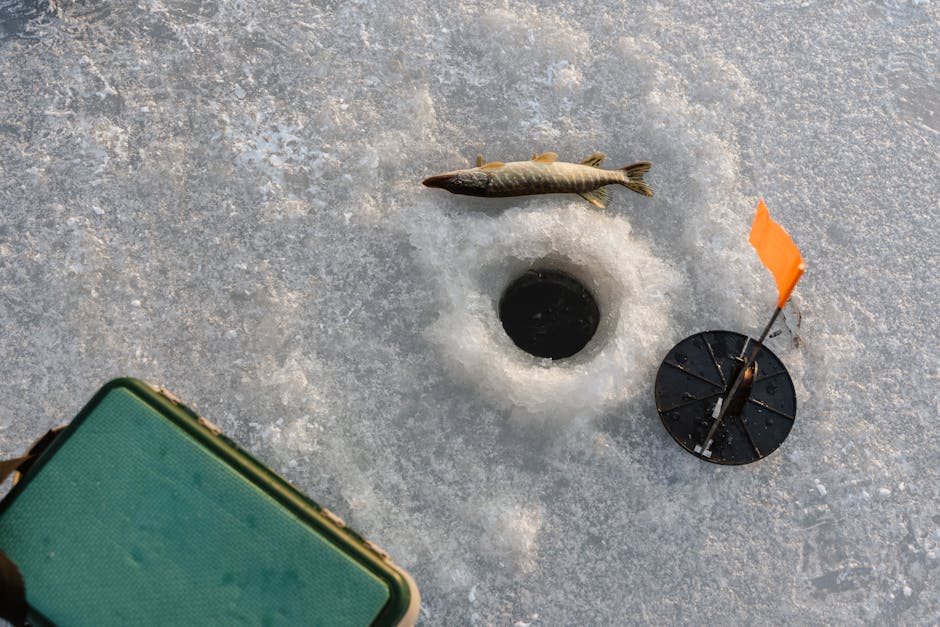
Setting up an ice fishing rod might seem tricky at first, but it’s easier than you think. If you want to catch more fish and enjoy your time on the ice, getting your gear just right is key.
In this guide, you’ll learn simple steps to set up your ice fishing rod quickly and correctly. Whether you’re a beginner or need a refresher, this article will help you feel confident and ready for your next fishing trip. Keep reading, and you’ll be reeling in fish before you know it!
Choosing The Right Ice Fishing Rod
Picking the right ice fishing rod helps you catch fish more easily. The rod should match the type of fishing you plan to do.
Many factors like rod type, length, power, and material affect your fishing experience. Learn about each before you buy.
Types Of Ice Fishing Rods
There are several types of ice fishing rods. Each type fits different fishing styles and fish species.
- Spinning Rods:Good for beginners and most fish types.
- Tip-Up Rods:Used with tip-up devices for hands-free fishing.
- Jigging Rods:Designed for active movement to attract fish.
- Telescopic Rods:Compact and easy to carry.
Rod Length And Power
Rod length affects how you handle the rod on the ice. Most ice rods are short for better control.
| Rod Length | Common Use |
| 24-28 inches | Most ice fishing situations |
| 18-22 inches | Smaller holes or tight spots |
| 28-36 inches | Larger fish or deeper water |
| Power | Type of Fish |
| Light | Small fish like panfish |
| Medium | Trout, walleye |
| Heavy | Large fish like pike |
Material Considerations
Materials affect rod weight, strength, and sensitivity. Choose one that suits your budget and needs.
- Fiberglass: Durable and less sensitive but affordable.
- Graphite: Lightweight and very sensitive but costs more.
- Composite: Mix of fiberglass and graphite for balance.
Essential Ice Fishing Gear
Ice fishing needs special gear to fish safely and catch more fish. Using the right tools helps you enjoy your time on the ice.
This guide covers important gear like reels, lines, bait, lures, and extra tools for ice fishing.
Reels And Lines
Choose reels made for cold weather. They work well in freezing temperatures and resist ice build-up. Pick lines that stay strong and do not freeze easily.
- Spinning reels with sealed drag are best for ice fishing.
- Use braided lines for strength and no stretch.
- Monofilament lines work well in cold water but may freeze.
- Pick line colors that blend with water or snow.
Bait And Lures
Live bait attracts fish well. Artificial lures help if live bait is not available. Use small sizes because fish bite less in cold water.
| Bait Type | Description | Best Use |
| Wax Worms | Small, active live bait | Panfish and perch |
| Minnows | Small fish, natural bait | Walleye and pike |
| Jigs | Metal or plastic lures | All fish species |
| Soft Plastics | Mimic small fish or insects | Trout and bass |
Additional Tools
Extra tools help with fishing and safety. Some tools make fishing easier and faster.
- Ice auger to drill holes in the ice
- Bucket or sled to carry gear
- Ice scoop to clear slush from holes
- Warm gloves and boots for protection
- Fish finder to locate fish under the ice
Preparing The Rod
Ice fishing requires a special rod setup. Preparing the rod properly helps catch more fish. Follow these simple steps to get your rod ready.
Each step ensures your ice fishing rod is efficient. Let’s look at how to assemble the rod, attach the reel, and spool the line.
Assembling The Rod
Start by connecting the rod pieces. Most ice fishing rods are short and easy to assemble. Make sure each section fits snugly.
Check that the guides line up. They help the fishing line move smoothly. A well-assembled rod improves performance.
Attaching The Reel
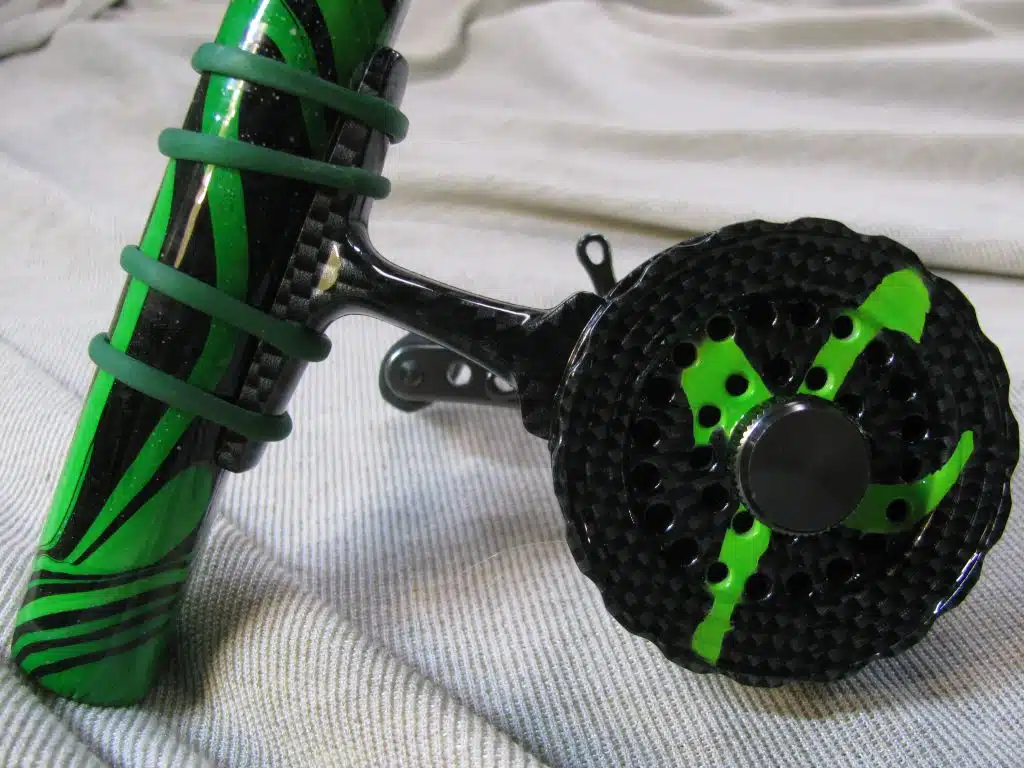
Next, attach the reel to the rod. Use the reel seat to secure it firmly. A loose reel can cause problems while fishing.
Ensure the reel is aligned with the rod guides. This alignment helps with smooth line retrieval.
Spooling The Line
Spooling the line is crucial for ice fishing. Start by threading the line through the guides. Tie the line to the reel spool.
Fill the spool with line evenly. Too much or too little line affects casting and retrieval. Make sure the line is tight and smooth.
- Use fishing line suitable for cold temperatures.
- Check for tangles and knots.
- Trim excess line after spooling.

Credit: www.youtube.com
Setting Up The Line And Bait
Setting up your ice fishing rod correctly helps catch more fish. This guide covers how to set up the line and bait.
Knowing the right line and bait setup makes your fishing easier and more fun.
Selecting The Right Line
Choose a fishing line that works well in cold water. The line should be strong but thin enough to move freely.
Monofilament and fluorocarbon lines are good choices. Use lighter lines for small fish and stronger lines for bigger fish.
- Monofilament: flexible and easy to handle
- Fluorocarbon: less visible underwater
- Line strength: 4 to 8 pounds is common
Tying The Knot
Tying a strong knot keeps your bait secure and stops fish from escaping. The Palomar knot is simple and very strong.
Make sure the knot is tight and trim the extra line to avoid tangles.
- Double the line and pass it through the hook eye
- Tie an overhand knot with the doubled line
- Pass the hook through the loop
- Pull the knot tight and trim excess line
Choosing And Attaching Bait
Pick bait that fish like in your area. Live bait like minnows or wax worms work well for ice fishing.
Attach the bait carefully to keep it on the hook. The bait should move naturally in the water.
- Hook live bait through the lips or back
- Use small bait pieces for panfish
- Check bait often and replace if needed
Adjusting For Ice Fishing Conditions
Ice fishing needs special rod adjustments. Cold and ice change how rods work.
Setting up your rod right helps catch more fish and stay comfortable.
Line Tension And Sensitivity
Line tension is key for feeling fish bites on ice. Too loose or tight line hides bites.
Use lighter line for better sensitivity. Cold water makes fish bites softer.
- Keep line tight but not too tight
- Use clear or light-colored lines
- Check line often for ice buildup
Rod Positioning Techniques
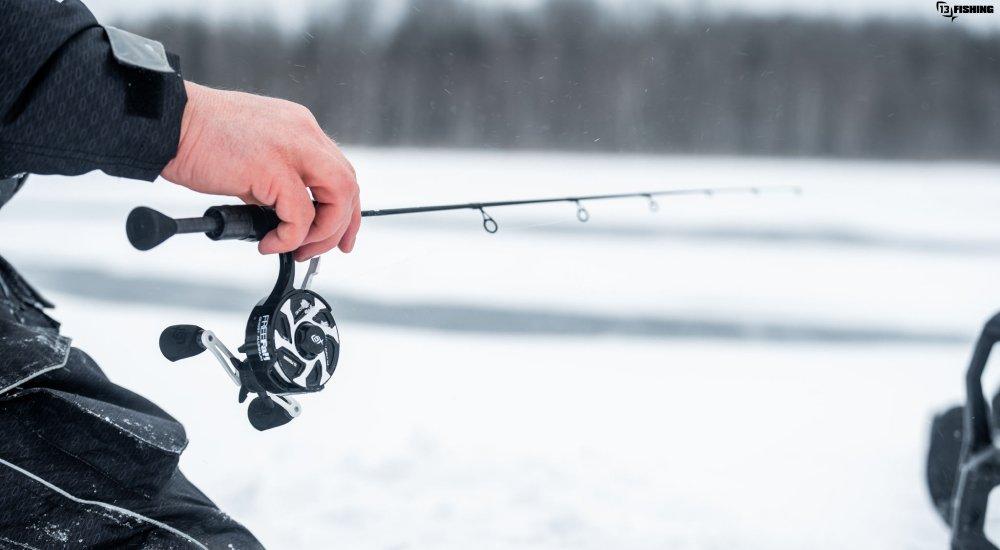
Position your rod so you see every bite. Hold it steady but ready to pull.
Angle the rod slightly upward to keep line off the ice. This stops freezing.
- Hold rod at a 45-degree angle
- Keep rod tip above the hole
- Adjust position if wind or ice shifts
Using Rod Holders
Rod holders free your hands and keep rods steady. They help watch multiple holes.
Choose holders that fit ice thickness and rod size. Secure them well on ice.
- Use adjustable holders for different rod angles
- Place holders where you can see rod tips easily
- Check holders often to avoid falling rods
Credit: anglersresource.net
Tips For Effective Ice Fishing
Ice fishing needs careful planning and good tools. Setting up your rod right helps catch fish faster.
Learn how to read ice and water, stay safe, and keep your gear in good shape. These tips improve your fishing experience.
Reading Ice And Water
Check the ice thickness before you fish. Clear, blue ice is the strongest. Avoid ice that looks white or slushy.
Look for signs of fish activity like bubbles or small holes. These spots are good places to drop your line.
- Ice should be at least 4 inches thick for safe fishing
- Clear ice is safer than cloudy or white ice
- Watch for cracks or weak spots on the ice
- Fish often gather near underwater structures or weed beds
Safety Precautions
Wear warm clothes and carry safety gear like ice picks and a rope. Never fish alone on ice.
Tell someone your location and time you plan to return. Check weather reports before going out.
- Wear layers to stay warm and dry
- Carry ice picks to help if you fall through
- Bring a rope to help rescue others
- Fish with a partner or group
- Check local ice conditions daily
Maintaining Your Equipment
Keep your rod clean and dry after fishing. Remove ice and dirt to stop damage.
Check your reel and line for wear. Replace any broken or old parts before your next trip.
- Wipe down your rod and reel after use
- Store your gear in a dry place
- Inspect line for cracks or weak spots
- Lubricate reel parts to ensure smooth action
- Replace hooks and lures if rusty or bent
Credit: www.scheels.com
Frequently Asked Questions
What Is The Best Ice Fishing Rod Length To Use?
The ideal ice fishing rod length is between 24 to 36 inches. This size offers better control and sensitivity. Shorter rods allow easier handling in tight spaces on ice. Choose a rod length that feels comfortable and suits your fishing style.
How Do I Rig My Ice Fishing Rod Properly?
To rig your ice fishing rod, attach a small reel with appropriate line strength. Tie a strong knot and add a leader line. Attach a jig or bait at the end. Make sure your rig is secure for effective fishing.
What Type Of Reel Works Best For Ice Fishing?
Spinning reels are best for ice fishing due to their ease of use. They handle light lines well and offer smooth drag systems. Choose a reel that matches your rod and fishing conditions for optimal performance.
How Do I Adjust The Drag On An Ice Fishing Rod?
Adjust the drag knob on your reel to control line tension. Set it tight enough to prevent line breakage but loose enough to allow fish to pull. Proper drag adjustment improves hook setting and landing success.
Conclusion
Setting up an ice fishing rod is easier than it seems. Choose the right rod, reel, and line for cold water. Attach your bait carefully and check your setup before fishing. Stay patient and keep your gear ready. With practice, your ice fishing experience will improve.
Enjoy the calm and quiet on the ice. Remember, safety matters—dress warmly and watch the ice conditions. Now, you are ready to catch some fish this winter!