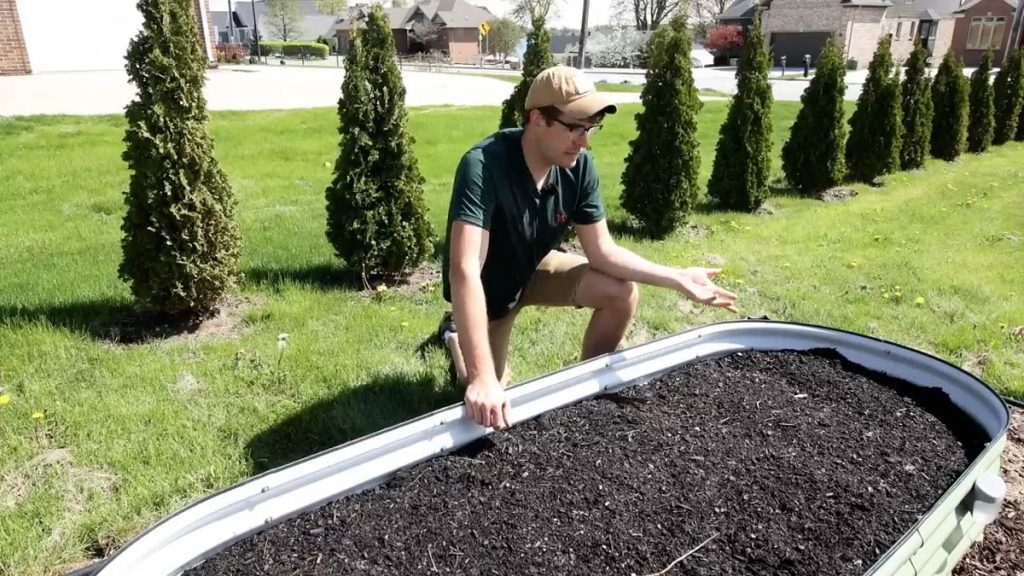
Are you ready to transform your raised garden bed into a thriving oasis? What you choose to fill it with can make all the difference between a flourishing garden and a struggling patch.
The right mix of soil and materials not only feeds your plants but also keeps them healthy and strong. You’ll discover exactly what to fill your raised garden bed with to maximize growth and enjoy a vibrant, productive garden. Keep reading—your plants will thank you!
Choosing Soil Types
Picking the right soil is key for a healthy raised garden bed. Soil holds nutrients and water for plants.
Different soils work best for different plants. Learn about common soil types to choose well.
Topsoil Options
Topsoil is the upper layer of soil. It contains organic material and minerals plants need.
Good topsoil is loose, dark, and rich in nutrients. Avoid topsoil with too much sand or clay.
- Screened topsoil removes rocks and debris
- Loamy topsoil balances sand, silt, and clay
- Organic topsoil has added compost or manure
Compost Benefits
Compost adds nutrients and improves soil structure. It helps soil hold water and air.
Using compost reduces the need for chemical fertilizers. It also encourages healthy microbes.
- Improves soil drainage and aeration
- Provides slow-release nutrients
- Supports beneficial soil organisms
- Helps plants resist diseases
Garden Soil Mixes
Garden soil mixes combine different soil types for better plant growth. They balance drainage and nutrition.
Common mixes include topsoil, compost, and materials like peat or vermiculite. These add air and retain moisture.
- Topsoil for minerals and bulk
- Compost for nutrients and microbes
- Peat moss or coconut coir for moisture retention
- Vermiculite or perlite for aeration
Credit: www.ollegardens.com
Essential Soil Components
Good soil is key for a raised garden bed to grow healthy plants. The right mix helps roots grow strong. It also keeps water and air balanced for plants.
Three main parts make soil ideal: organic matter, soil texture, and nutrients. Each part plays a special role in plant growth.
Organic Matter
Organic matter is made of decayed plants and animals. It improves soil by holding moisture and air. It feeds helpful microbes that break down nutrients for plants.
- Compost is a rich source of organic matter.
- Leaf mold adds structure and nutrients.
- Peat moss helps retain water.
- Manure supplies nutrients and improves texture.
Soil Texture
Soil texture means the mix of sand, silt, and clay. Good texture lets water drain but keeps enough moisture. It also allows roots to spread easily.
| Texture Type | Water Drainage | Air Flow | Root Growth |
| Sandy Soil | Drains fast | High | Good |
| Clay Soil | Drains slow | Low | Poor |
| Loam Soil | Moderate | Moderate | Best |
Nutrient Content
Plants need nutrients like nitrogen, phosphorus, and potassium. These help plants grow leaves, roots, and flowers. Balanced nutrients make plants strong and healthy.
- Nitrogen (N) supports leaf growth.
- Phosphorus (P) helps root and flower development.
- Potassium (K) improves overall plant health.
- Micronutrients like iron and magnesium are also needed.
Layering Techniques
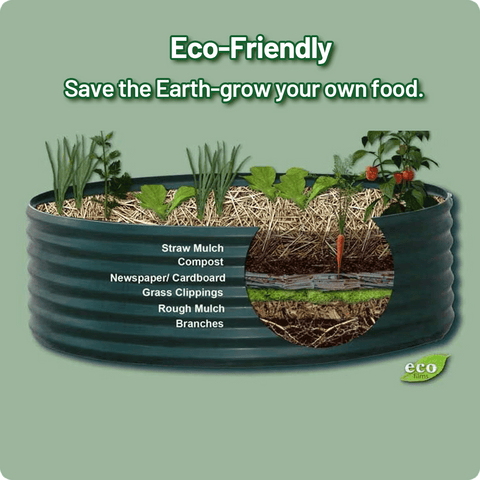
Filling a raised garden bed involves using layers. This helps plants grow better. Each layer has a purpose and adds nutrients.
Layering keeps the soil healthy. It also makes the garden bed last longer. Let’s explore the different layers you need.
Base Layers
The base layer is the bottom of your garden bed. It helps with drainage. Use materials like twigs, straw, or small branches.
This layer allows water to move through the soil. It also keeps the bed from flooding during heavy rain.
- Twigs and branches help with drainage
- Straw adds organic matter
- Leaves break down over time
Middle Fill
The middle fill layer is above the base. It holds organic materials. Use compost, grass clippings, and dried leaves.
This layer adds nutrients to the soil. It is important for plant growth. The materials here will decompose slowly.
- Compost provides nutrients
- Grass clippings add nitrogen
- Dried leaves improve soil texture
Topsoil Layer
The topsoil layer is where you plant. It should be rich and fertile. Use a mix of topsoil and compost for the best results.
This layer is crucial for seed germination. It supports root growth and retains moisture. Keep it about six to eight inches deep.
- Topsoil provides a base for plants
- Compost enriches the soil
- Moisture retention helps plant growth

Credit: www.epicgardening.com
Improving Drainage
Good drainage is key for healthy plants in a raised garden bed. Water that drains well keeps roots safe from rot. It also helps plants get the air they need.
There are simple ways to improve drainage. Using the right materials in your garden bed can make a big difference.
Using Gravel Or Stones
Adding a layer of gravel or stones at the bottom of the raised bed helps water flow out. This stops water from pooling around roots. It also creates space for air to reach the soil.
- Use small to medium-sized stones or gravel.
- Spread a 2 to 3 inch layer on the bed’s base.
- Cover the stones with landscape fabric to keep soil from mixing in.
- Add soil on top for planting.
Adding Sand
Mixing sand into the soil helps improve drainage by creating larger spaces between soil particles. This lets water pass through faster. Use coarse sand, not fine sand, to avoid compaction.
| Material | Benefit |
| Coarse Sand | Improves water flow and soil texture |
| Fine Sand | May cause soil compaction |
| Clay Soil | Drains poorly, needs sand or organic matter |
Preventing Waterlogging
Waterlogging harms plants by suffocating roots. To prevent it, keep soil loose and well-aerated. Avoid using heavy clay soil alone. Check drainage regularly after rain or watering.
- Use raised beds to improve water runoff.
- Add organic matter like compost to soil.
- Make sure drainage holes are clear.
- Use mulch to reduce surface water pooling.
Soil Amendments
Soil amendments improve the quality of soil in raised garden beds. They help plants grow stronger and healthier.
Adding the right amendments can change soil texture, nutrients, and pH levels. This supports better root growth.
Natural Fertilizers
Natural fertilizers provide essential nutrients without chemicals. They release nutrients slowly and improve soil health.
Common natural fertilizers include compost, manure, and bone meal. These help plants get nitrogen, phosphorus, and potassium.
- Compost adds organic matter and nutrients
- Manure boosts nitrogen and improves soil texture
- Bone meal supplies phosphorus for root growth
- Seaweed meal offers trace minerals and growth hormones
Ph Adjusters
Soil pH affects how plants absorb nutrients. pH adjusters help keep soil balanced for best growth.
Lime raises soil pH to reduce acidity. Sulfur lowers soil pH to make it more acidic.
- Lime works well for acid-loving plants with high pH needs
- Sulfur suits plants that prefer acidic soil
- Wood ash can also raise pH but use carefully
- Check soil pH before adding any adjusters
Beneficial Microbes
Beneficial microbes improve soil life and help plants absorb nutrients. They protect roots from diseases.
Adding microbes like mycorrhizae or nitrogen-fixing bacteria boosts soil health naturally.
- Mycorrhizal fungi increase root surface area
- Nitrogen-fixing bacteria add nitrogen to soil
- Compost teas introduce diverse helpful microbes
- Healthy microbes improve soil structure and fertility
Filling Tips And Tricks
Filling a raised garden bed correctly helps plants grow strong. Using the right materials creates good soil for roots.
This guide shares simple tips to fill your garden bed with healthy soil. Follow these ideas for better growth.
Mixing Soil Components
Good soil is a mix of different parts. These parts include compost, garden soil, and materials that help water drain.
Mix these ingredients evenly for the best results. This mix feeds plants and keeps roots healthy.
- Use 40% garden soil for structure
- Add 40% compost to provide nutrients
- Include 20% perlite or sand for drainage
Avoiding Soil Compaction
Soil compaction stops roots from growing well. It also blocks air and water from reaching plants.
Keep soil loose by not stepping inside the bed. Add light materials to keep soil fluffy.
- Do not walk or press down on the soil
- Add organic matter like shredded leaves
- Use mulch to protect soil surface
Maintaining Soil Health
Healthy soil supports plants all season. Keep soil rich by adding compost regularly.
Check soil moisture and avoid overwatering. Change planting spots each year to stop disease build-up.
- Add fresh compost every spring
- Water soil deeply but less often
- Rotate crops to keep soil balanced
Maintaining Soil Quality
Good soil is the key to a healthy garden. It helps plants grow strong and produce more. Taking care of soil keeps your raised garden bed productive.
Simple steps like testing soil, adding nutrients, and adjusting for seasons keep soil rich. These actions support plant health all year.
Regular Soil Testing
Test your soil every few months to know its health. Soil testing shows pH levels and nutrient content. This info helps you add what is missing.
- Use a soil test kit or send samples to a lab.
- Check for nitrogen, phosphorus, and potassium levels.
- Measure soil pH to ensure it suits your plants.
- Test for harmful salts or contaminants.
Replenishing Nutrients
Add nutrients to keep soil fertile. Plants use up nutrients as they grow. Replace these to avoid poor growth and low yields.
| Type of Nutrient | Source | Purpose |
| Nitrogen (N) | Compost, manure, blood meal | Builds leaves and stems |
| Phosphorus (P) | Bone meal, rock phosphate | Supports root and flower growth |
| Potassium (K) | Wood ash, kelp meal | Improves overall plant health |
| Organic Matter | Compost, leaf mold | Improves soil structure and moisture |
Seasonal Adjustments
Change soil care with the seasons. Different weather affects soil needs. Adjust your methods to keep soil balanced year-round.
- In spring, add compost to prepare soil for planting.
- Use mulch in summer to keep soil cool and moist.
- Apply natural fertilizers in fall to rebuild nutrients.
- Cover soil in winter to protect it from erosion.

Credit: migardener.com
Frequently Asked Questions
What Materials Are Best For Filling A Raised Garden Bed?
The best materials include quality garden soil, compost, and organic matter. These provide nutrients and good drainage for plants. Avoid using only topsoil or fill dirt as they lack nutrients and structure.
Can I Use Regular Soil In A Raised Garden Bed?
Regular soil alone is not ideal for raised beds. It may compact and drain poorly. Mixing garden soil with compost and organic material creates a rich, well-draining medium for healthy plant growth.
How Deep Should The Soil Be In A Raised Bed?
A soil depth of 12 to 18 inches is recommended for most raised beds. This depth allows roots to grow fully and access nutrients and water efficiently.
Should I Add Compost To My Raised Garden Bed Soil?
Yes, adding compost improves soil fertility, structure, and moisture retention. It supports beneficial microbes and enhances plant growth. Regularly amending your soil with compost is essential.
Conclusion
Filling a raised garden bed right helps plants grow strong and healthy. Use good soil, compost, and materials that drain well. Avoid heavy or poor-quality dirt that stops roots from growing. Keep layers loose for air and water to reach roots.
Regularly add organic matter to keep soil rich. A well-filled bed makes gardening easier and more fun. Try different mixes to find what works best for your plants. Healthy soil means a happy garden with better fruits and flowers. Start simple, watch your garden thrive!