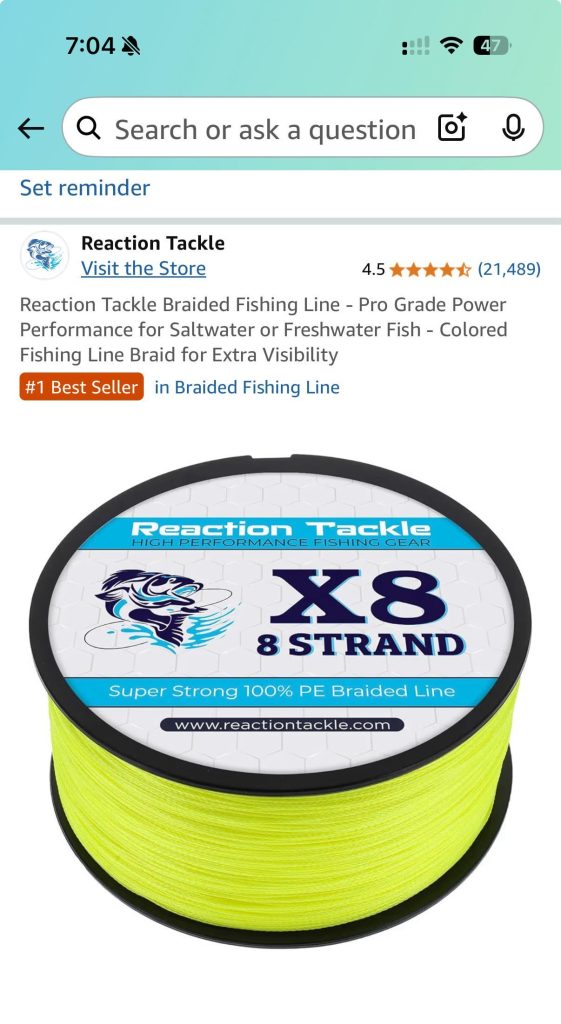
Choosing the best fishing line for bass can make all the difference between a frustrating day and an exciting catch. You want a line that’s strong, sensitive, and reliable—something that gives you the confidence to reel in the big one.
But with so many options out there, how do you know which one suits your style and the waters you fish in? Keep reading, and you’ll discover the top choices that can boost your bass fishing game and help you land more fish every time you cast.

Credit: iwishtackle.en.made-in-china.com
Types Of Fishing Lines
Choosing the right fishing line is key for catching bass. Different lines work best in different conditions. Understanding the types helps you pick the best one.
Fishing lines vary in strength, visibility, and stretch. These features affect how you fish and your chances of success.
Monofilament Lines
Monofilament lines are made from a single nylon strand. They are popular because they are flexible and easy to handle. These lines stretch under pressure, which helps absorb fish strikes.
Monofilament floats on water and is less visible above water. They are good for beginners and work well with many types of lures.
Fluorocarbon Lines
Fluorocarbon lines are made from a special plastic that sinks in water. They are almost invisible underwater, making them good for clear water fishing. Fluorocarbon is stronger and more abrasion-resistant than monofilament.
- Low visibility in water
- High resistance to abrasion
- Less stretch than monofilament
- Good for heavy cover fishing
Braided Lines
Braided lines are made from many small fibers woven together. They have little to no stretch and very high strength. Braided lines are thin but very strong. They do not sink fast and are very visible in water.
| Feature | Benefit | Drawback |
|---|---|---|
| High strength | Can handle big fish | Visible in water |
| Little stretch | Better hook setting | Less shock absorption |
| Thin diameter | Long casting distance | Can cut hands if handled wrong |

Credit: www.youtube.com
Factors To Choose Bass Fishing Line
Choosing the right fishing line is key to catching bass. Different lines work better in various conditions. Knowing what to look for helps you pick the best one for your needs.
This guide covers four important factors to help you decide on the best bass fishing line.
Line Strength And Test
Line strength means how much weight the line can hold before breaking. The test number shows this strength, usually measured in pounds. For bass fishing, choose a line with a test strong enough to handle big bass but light enough to avoid scaring fish.
| Line Type | Test Range (pounds) | Best Use |
| Monofilament | 6 – 12 | General bass fishing |
| Fluorocarbon | 8 – 15 | Clear water, low visibility |
| Braid | 10 – 30 | Heavy cover, strong fish |
Line Visibility In Water
Fish can see your line underwater. Low visibility lines help avoid spooking bass. Fluorocarbon lines are less visible because they blend with water. Colored lines can work in certain water types, but clear lines are best in most cases.
- Clear lines for clear water
- Green or camo lines for weedy areas
- Bright lines for deep water or low light
Abrasion Resistance
Abrasion resistance means how well the line holds up against rough surfaces. Bass often hide near rocks and wood. A line with high abrasion resistance lasts longer and avoids breaks when rubbing against these obstacles.
Braid lines usually have the best abrasion resistance. Fluorocarbon is better than monofilament but less tough than braid.
Stretch And Sensitivity
Stretch affects how well you feel the fish bite. Lines with less stretch give more sensitivity. Braid has the least stretch, making it very sensitive. Monofilament stretches the most, which can help absorb hard pulls but lowers sensitivity.
- Braid: very low stretch, high sensitivity
- Fluorocarbon: low stretch, good sensitivity
- Monofilament: high stretch, less sensitivity
Best Line For Different Bass Fishing Techniques
Choosing the right fishing line is crucial for bass fishing. Different techniques require different lines. Here, we explore the best lines for various bass fishing methods.
Understanding which line works best can improve your catch rate. Let’s look at popular techniques and their ideal lines.
Casting And Spinning
Casting and spinning are common techniques. Monofilament line is great for beginners. It’s versatile and easy to handle. Fluorocarbon is also a good choice. It offers low visibility and sensitivity.
- Monofilament: Easy to cast, good for beginners
- Fluorocarbon: Low visibility, higher sensitivity
Flipping And Pitching
Flipping and pitching require strong lines. Braid is the best option. It provides strength and no stretch. This helps in pulling bass out of heavy cover. Fluorocarbon can also work due to its sensitivity.
- Braid: Strong and no stretch
- Fluorocarbon: Sensitive and durable
Topwater Fishing
Topwater fishing needs lines that float. Monofilament line is ideal. It floats and has some stretch. This helps in keeping the lure on the surface. Avoid using fluorocarbon as it sinks.
- Monofilament: Floats, good stretch
- Avoid Fluorocarbon: Sinks
Jigging And Worming
For jigging and worming, sensitivity is key. Fluorocarbon is the best choice. It offers low visibility and high sensitivity. This helps in detecting light bites. Braid can also be used for deeper waters.
- Fluorocarbon: High sensitivity, low visibility
- Braid: Good for deep water

Credit: www.mossyoak.com
Popular Fishing Line Brands For Bass
Choosing the right fishing line helps catch bass more easily. Different lines offer various strengths and features. It is important to know the popular brands to find the best fit for your fishing style.
Here we explore top brands for monofilament, fluorocarbon, and braided lines. Each type has trusted manufacturers that anglers prefer for bass fishing.
Top Monofilament Brands
Monofilament lines are popular for their stretch and ease of use. Many anglers choose brands that offer durability and smooth casting.
- Berkley Trilene
- Stren Original
- Spiderwire Ultracast
- PowerPro Slick
- Yo-Zuri Hybrid
Top Fluorocarbon Brands
Fluorocarbon lines are known for their low visibility underwater. They are good for clear water and wary bass. These brands have high abrasion resistance and sink well.
| Brand | Key Feature | Best Use |
| Seaguar InvizX | High sensitivity | Clear water fishing |
| Sunline FC Sniper | Strong knot strength | Heavy cover bass fishing |
| Yo-Zuri HD Carbon | Fast sinking | Deep water fishing |
| Berkley Vanish | Low memory | General bass fishing |
Top Braided Line Brands
Braided lines offer great strength and no stretch. They work well in heavy cover and long casts. These brands are known for their smoothness and durability.
- PowerPro Spectra Fiber – Known for smooth casting and strength.
- SpiderWire Stealth – Offers thin diameter with high strength.
- Stren Original Braid – Affordable and reliable.
- Sunline Super PE – High abrasion resistance and low stretch.
Tips To Maintain And Replace Fishing Lines
Fishing lines need regular care to stay strong and reliable. Proper maintenance helps you catch more bass without line breakage.
Knowing when to replace your line and how to store it properly keeps your gear in top shape. Good knots also improve your fishing success.
When To Replace Your Line
Replace your fishing line if you see any damage or if it feels weak. Old lines lose strength and can snap easily. Check for these signs:
- Frays or nicks along the line
- Discoloration or stiffness
- Line has been used for many fishing trips
- Line has been exposed to sunlight for long periods
- Repeated snags or abrasions
Line Storage Best Practices
Store your fishing line in a cool, dark place to keep it from weakening. Avoid heat and sunlight, which can damage the line fibers.
| Storage Tip | Why It Helps |
| Keep line in original spool | Prevents tangles and maintains line shape |
| Use airtight containers | Keeps out dust and moisture |
| Store away from chemicals | Chemicals can weaken or degrade the line |
| Keep line dry | Moisture can cause line to weaken or rot |
Knots And Tying Techniques
Tying strong knots is key to keeping your fishing line secure. Poor knots can lead to lost fish and broken lines.
- Use the improved clinch knot for attaching hooks
- Try the Palomar knot for braided lines
- Practice the uni knot for line to line connections
- Always wet the knot before tightening to reduce friction
- Trim excess tag ends close to the knot
Frequently Asked Questions
What Type Of Fishing Line Is Best For Bass?
Monofilament and fluorocarbon lines are best for bass fishing. They offer strength, flexibility, and invisibility underwater, helping you catch more bass effectively.
How Strong Should A Bass Fishing Line Be?
A bass fishing line should have a strength between 8 to 15 pounds test. This range balances durability and sensitivity for most bass fishing conditions.
Is Braided Line Good For Bass Fishing?
Yes, braided line is excellent for bass fishing. It offers high strength and low stretch, ideal for heavy cover and long casts.
Should I Use Fluorocarbon For Bass Fishing?
Fluorocarbon is great for bass fishing. It is nearly invisible underwater and resistant to abrasion, improving your chances in clear water.
Conclusion
Choosing the best fishing line for bass depends on your style and water conditions. Monofilament offers good stretch and ease of use. Fluorocarbon is nearly invisible and strong. Braided lines provide extra strength and sensitivity. Remember to match the line to your rod and reel.
Try different lines to see what feels right. Enjoy your time fishing and catch more bass with the right line. Simple choices bring better results on the water. Keep learning and have fun every time you fish.