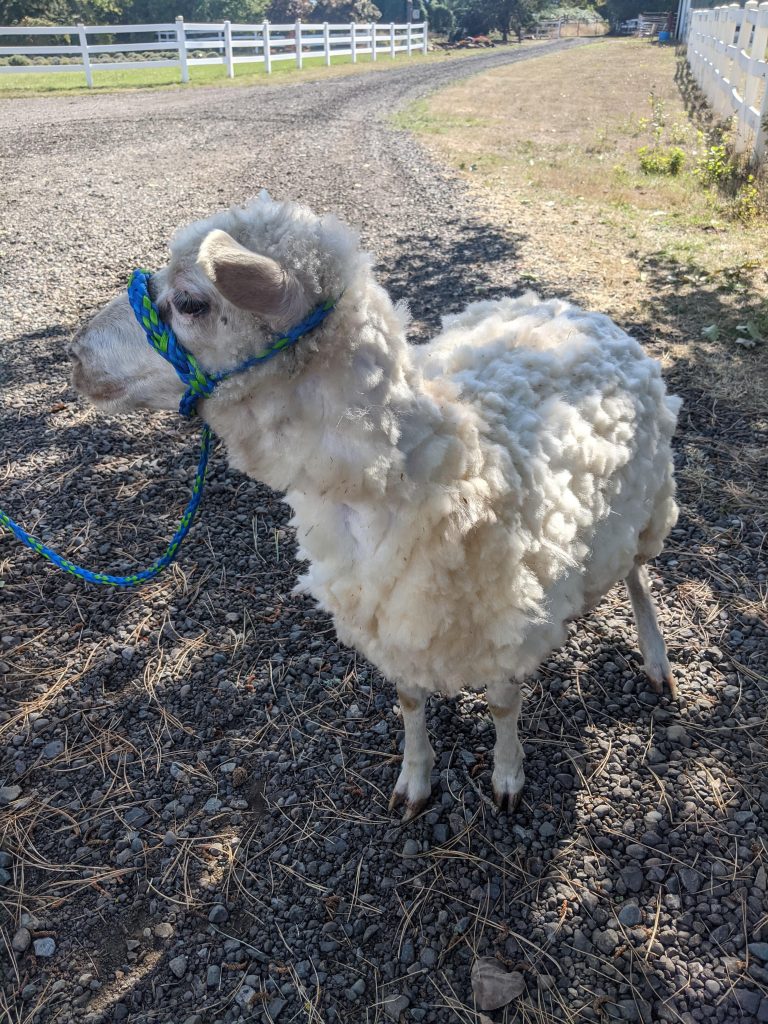
Have you ever wondered if shearing hurts the sheep? If you care about animals and want to understand what really happens during this process, you’re not alone.
Many people worry about the well-being of sheep when they see them being sheared. The truth might surprise you and change the way you think about this essential task. Keep reading, and you’ll discover why shearing is important, how it’s done, and what it means for the sheep’s comfort and health.
Your curiosity is about to be rewarded with facts that matter.
Shearing Basics
Shearing is the process of cutting wool off sheep. It helps keep sheep healthy and comfortable.
Many people wonder if shearing hurts the sheep. Understanding the basics can help answer this question.
What Shearing Involves
Shearing means carefully removing the wool with special clippers. It takes skill to do it safely.
Shearers hold the sheep gently to keep it still. They avoid cutting the sheep’s skin or causing pain.
- Use electric or manual clippers
- Handle sheep calmly to reduce stress
- Cut wool close to the skin without injury
- Keep sheep clean and dry before shearing
Frequency Of Shearing
Most sheep are sheared once a year. This usually happens in spring or early summer.
Regular shearing prevents wool from becoming too heavy or dirty. It helps sheep stay cool and healthy.
- Shear once every 12 months for most breeds
- Some breeds may need more frequent shearing
- Shearing too often can stress the sheep
- Skipping shearing can cause wool problems

Credit: plantbasednews.org
Sheep’s Skin And Wool
Sheep have thick wool that grows on their skin. This wool helps protect them from weather and insects. Shearing removes this wool, but it does not hurt the sheep’s skin if done correctly.
The skin of a sheep is sensitive, but it is also tough enough to handle shearing. Wool acts as a natural shield, keeping the sheep safe and warm.
How Wool Protects Sheep
Wool works like a blanket for sheep. It keeps them warm in cold weather and cool in hot weather. The wool also stops bugs and dirt from reaching the skin.
- Keeps sheep warm in winter
- Provides cooling in summer
- Protects skin from cuts and insect bites
- Shields from rain and wind
- Helps stop sunburn
Skin Sensitivity Levels
Sheep skin has different sensitivity levels. Some areas are more delicate than others. Skilled shearers know how to avoid hurting these parts.
| Skin Area | Sensitivity Level | Care Needed |
| Back and Sides | Low | Standard shearing |
| Underbelly | High | Gentle handling |
| Face and Legs | Medium | Careful trimming |
Shearing Techniques
Shearing is an important process for sheep. It keeps them healthy and comfortable. Different techniques are used to shear sheep. These techniques have changed over time.
Modern tools and traditional methods both play a role. They ensure the well-being of the sheep. Let’s explore these techniques in more detail.
Traditional Methods
Traditional shearing was done by hand. Farmers used large scissors called shears. This method required skill and patience. It was slow but effective.
Shearers had to be careful. They made sure not to hurt the sheep. Each sheep took a long time to shear. This method is still used in some places today.
- Hand shears were common tools
- Required skillful handling
- Took a long time per sheep
Modern Tools And Technology
Modern shearing uses electric clippers. These tools are faster and safer. They reduce the time needed to shear a sheep. This means less stress for the animal.
Technology has improved shearing techniques. Clippers are designed to glide smoothly over the sheep’s body. This minimizes the chance of cuts.
| Tool | Benefit |
| Electric clippers | Faster shearing |
| Improved blades | Safer for sheep |

Credit: www.reddit.com
Common Injuries And Causes
Shearing is an important part of sheep care. It helps sheep stay cool and healthy. Sometimes, sheep get hurt during shearing. Knowing common injuries helps keep sheep safe.
Injuries usually happen because of sharp tools or stress. Shearers must be careful and gentle to avoid hurting the sheep.
Cuts And Nicks
Cuts and nicks happen when the shearer’s blades slip. These small wounds can cause pain and bleeding. Most cuts are minor but need quick care.
Shearers should use sharp blades and work slowly to reduce cuts. Cleaning the blades often stops infections.
- Sharp blades reduce the chance of slips
- Slow and careful work prevents deep cuts
- Clean blades stop germs from causing infections
- Quick treatment helps wounds heal faster
Stress Factors During Shearing
Shearing can be scary for sheep. Loud noises and rough handling cause stress. Stress makes sheep move a lot, which raises injury risks.
Good handling and calm environments help sheep stay relaxed. This lowers the chance of injuries and makes shearing safer.
- Keep noise levels low during shearing
- Handle sheep gently and calmly
- Use soft voices to soothe the animals
- Work quickly but carefully to reduce stress time
Sheep Behavior During Shearing
Shearing is a necessary process to keep sheep healthy and comfortable. Understanding how sheep behave during shearing helps us see if they feel pain or stress.
Sheep show different signs when they are calm or uncomfortable. Watching their behavior gives clues about their well-being.
Signs Of Discomfort
When sheep feel pain or fear during shearing, they show clear signs. Knowing these signs helps handlers act gently and safely.
- Rapid breathing or panting
- Struggling or trying to escape
- Vocalizing loudly or bleating in distress
- Wide eyes or pinned-back ears
- Tensing muscles or shaking
- Restlessness and refusal to stay still
Calm Versus Distressed Sheep
| Calm Sheep | Distressed Sheep |
| Steady breathing | Rapid or irregular breathing |
| Relaxed posture | Stiff or tense body |
| Soft blinking and eye movement | Wide, alert eyes |
| Quiet or soft bleating | Loud, sharp bleats |
| Stays still during shearing | Struggles and tries to flee |

Credit: www.peta.org.au
Welfare Standards And Regulations
Shearing sheep is a necessary task to keep them healthy. Welfare standards guide how to do it safely. These rules help avoid pain and stress for sheep.
Following regulations protects the animals and ensures good care. Farmers and shearers must know these rules well.
Guidelines For Safe Shearing
Safe shearing means using the right tools and techniques. Shearers must work carefully to protect the sheep’s skin. Good handling reduces injuries and fear.
- Use sharp, clean shearing blades
- Hold sheep gently but firmly
- Shear quickly but smoothly
- Avoid cutting close to the skin
- Stop if sheep shows signs of distress
- Check sheep after shearing for cuts
Role Of Professional Shearers
Professional shearers train to handle sheep safely. They understand sheep behavior and anatomy. Their skills lower the risk of injury.
| Role | Responsibility |
| Skill | Use safe techniques to protect sheep |
| Speed | Shear efficiently to reduce stress |
| Care | Check for wounds and treat immediately |
| Knowledge | Follow all welfare regulations and guidelines |
Shearing Benefits For Sheep
Shearing is the process of cutting off a sheep’s wool. It is important for the health of the sheep. Many people wonder if shearing hurts the sheep.
Shearing does not hurt the sheep when done correctly. It keeps sheep comfortable and healthy. There are several benefits of shearing for sheep.
Preventing Overheating
Sheep grow thick wool that can trap heat. Too much wool can make sheep very hot in warm weather. Shearing removes extra wool and helps sheep stay cool.
Keeping sheep cool helps them avoid heat stress. Heat stress can cause sickness or even death. Shearing in spring or early summer prevents overheating.
Reducing Parasites And Infections
Wool can hide parasites like lice and ticks. These parasites can harm the sheep’s skin and health. Shearing helps find and remove parasites early.
Removing wool also lowers the chance of skin infections. Clean skin dries faster and stays healthier. Shearing helps keep sheep free from parasites and infections.
Myths Versus Reality
Many people wonder if shearing hurts sheep. Some believe it causes pain or fear. Others think it is a quick and safe process for the animals.
This article looks at common myths and what science tells us about shearing sheep. We want to separate facts from false ideas.
Common Misconceptions
Some people think shearing cuts the sheep’s skin often. They imagine sheep feeling pain all the time. Others say sheep are scared during shearing and try to run away.
Another myth is that sheep do not need shearing. Some believe the wool grows without harm and should not be removed. People also think shearing is bad for sheep in cold weather.
- Shearing always causes cuts and pain
- Sheep get very scared and stressed
- Wool does not need to be removed
- Shearing makes sheep cold and sick
Scientific Findings
Scientists studied shearing and found it is mostly safe. Skilled shearers cut wool without hurting sheep. Minor cuts can happen but are rare. Sheep do not feel pain like humans when wool is cut.
Research shows sheep may feel some stress but it is short. Shearing helps sheep stay healthy by removing heavy wool. Wool can grow too long and cause problems if not cut.
- Shearing done by experts is safe
- Sheep feel little pain during shearing
- Stress is brief and mild
- Removing wool prevents health issues
Frequently Asked Questions
Does Shearing Cause Pain To Sheep?
Shearing does not cause pain if done correctly. Skilled shearers carefully remove wool without cutting the sheep’s skin. Proper handling ensures minimal stress and discomfort for the animal during the process.
How Often Should Sheep Be Sheared?
Sheep are typically sheared once a year. Annual shearing prevents wool overgrowth, which can cause health issues. Regular shearing keeps sheep comfortable and helps maintain their overall well-being.
Can Shearing Harm Sheep’s Skin?
Accidental nicks or cuts can happen but are rare. Experienced shearers use sharp tools and gentle techniques to avoid harming the sheep’s skin. Minor injuries heal quickly with proper care.
Why Is Shearing Important For Sheep?
Shearing removes excess wool, preventing overheating and parasites. It also promotes healthier skin and better mobility. Proper shearing contributes to the sheep’s comfort and overall health.
Conclusion
Shearing does not hurt sheep when done carefully. Skilled shearers use gentle techniques to keep sheep safe. Removing wool helps sheep stay cool and healthy. It also prevents problems like overheating and infections. Regular shearing supports the sheep’s well-being and comfort.
Proper care before and after shearing matters a lot. Watching shearers work shows how gentle the process is. Sheep often feel relief after their heavy wool is gone. Caring for sheep means shearing with kindness and skill.