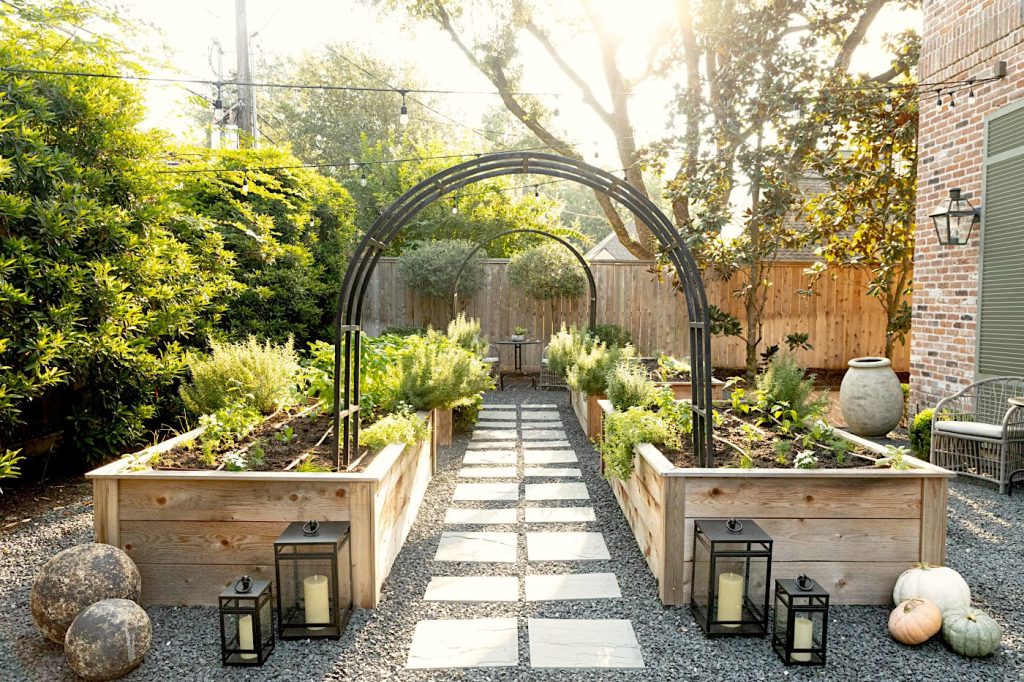
Thinking about what to plant in your raised garden bed can feel exciting but also a bit overwhelming. You want your garden to thrive, look great, and give you the best harvest possible.
But with so many options, how do you choose what will grow well and suit your space? This guide is here to help you make smart choices that match your needs and lifestyle. Keep reading, and you’ll discover easy-to-grow plants that will turn your raised bed into a vibrant, fruitful oasis you’ll love spending time in.
Choosing The Right Plants
Picking the right plants for your raised garden bed helps them grow well. Good choices depend on your garden’s conditions.
Think about the climate, sunlight, and soil before planting. These factors affect plant health and yield.
Consider Your Climate Zone
Climate zones show the best plants for your area. Some plants like warm weather, others need cool seasons.
Choose plants that can survive your winter and summer temperatures. This helps them grow strong and healthy.
- Find your USDA hardiness zone online
- Pick plants suited for your zone
- Avoid plants that need extreme temperatures
Assess Sunlight Exposure
Sunlight affects how plants grow in your garden bed. Some plants need full sun, others grow in shade.
Check how many hours of sun your bed gets daily. Match plants to the light levels for best results.
- Full sun: 6+ hours of direct sunlight
- Partial sun/shade: 3-6 hours of sunlight
- Full shade: less than 3 hours of direct sun
Match Plants To Soil Type
Your soil’s texture and nutrients impact plant growth. Some plants like sandy soil, others prefer clay or loam.
Test your soil and choose plants that fit its type. This helps plants take up water and nutrients well.
- Sandy soil drains fast but holds fewer nutrients
- Clay soil holds water but drains slowly
- Loam soil is balanced and good for many plants
Credit: www.gardenary.com
Best Vegetables For Raised Beds
Raised garden beds give plants good soil and space to grow. Many vegetables thrive in these beds because the soil drains well.
Choosing the right vegetables helps you get a healthy and productive garden. Here are some of the best vegetables for raised beds.
Leafy Greens
Leafy greens grow quickly and need little space. They like cool weather and regular watering. Raised beds keep their roots healthy.
Examples include lettuce, spinach, and kale. These vegetables add vitamins and minerals to your diet.
- Lettuce
- Spinach
- Kale
- Swiss Chard
- Arugula
Root Vegetables
Root vegetables grow underground and need loose soil. Raised beds are perfect because the soil is soft and well-drained.
Carrots, radishes, and beets are easy to grow and harvest in raised beds. They add color and nutrients to your meals.
- Carrots
- Radishes
- Beets
- Turnips
- Parsnips
Nightshades
Nightshade vegetables need warm soil and good sunlight. Raised beds warm up faster in spring, helping these plants grow well.
Tomatoes, peppers, and eggplants are popular nightshades. They produce tasty fruits that add flavor to many dishes.
- Tomatoes
- Peppers
- Eggplants
Legumes
Legumes add nitrogen to the soil, improving its quality. They do well in raised beds with good drainage and sunlight.
Beans and peas grow on vines or bushes. They give you fresh pods to eat and help other plants grow better.
- Green beans
- Snap peas
- Shell peas
- Lima beans
Ideal Herbs To Grow
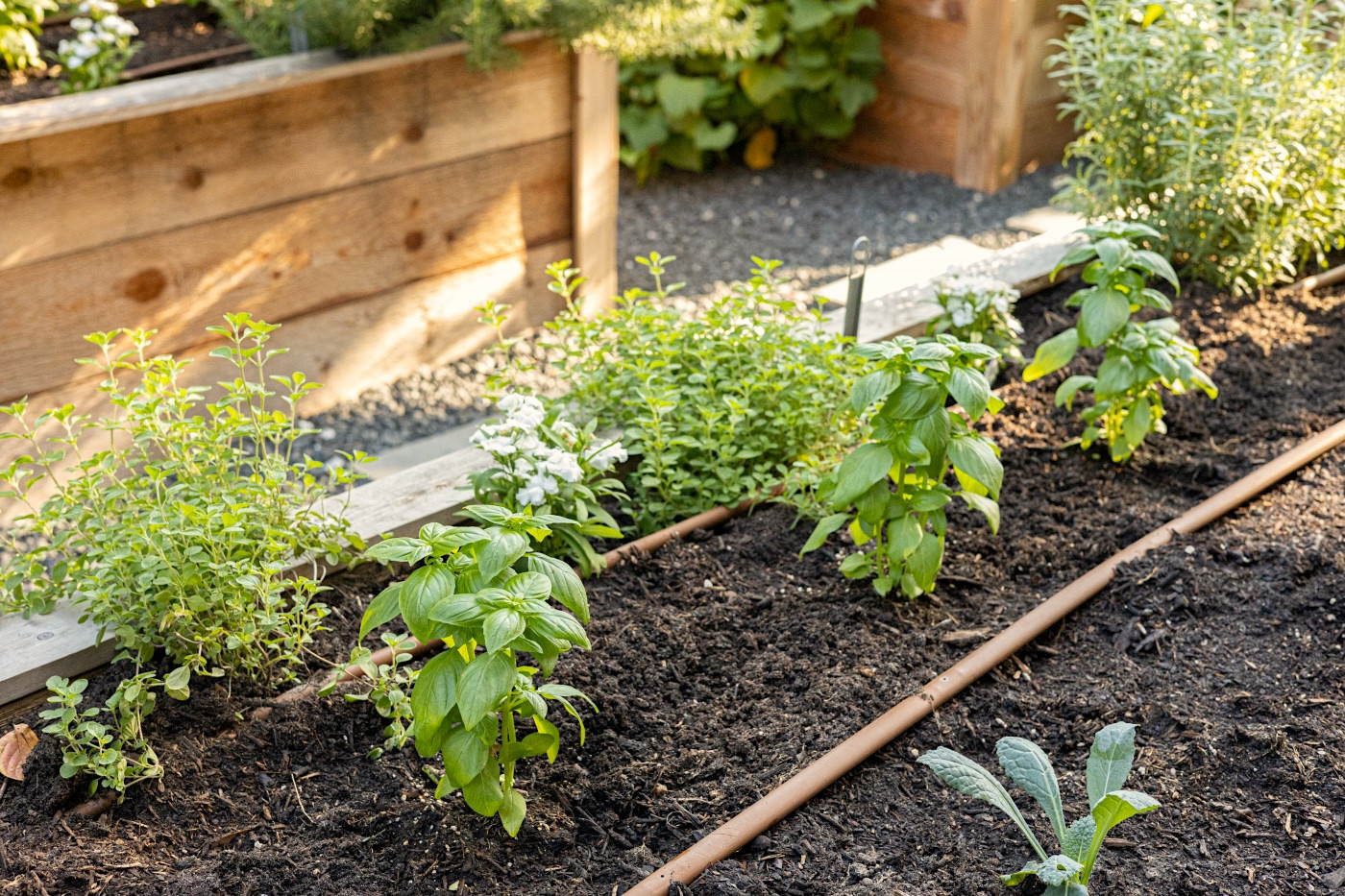
Growing herbs in a raised garden bed is rewarding. They are easy to care for and provide fresh flavors to your dishes.
Herbs are not only useful in the kitchen. They also offer medicinal benefits and can aid other plants in your garden.
Culinary Herbs
Culinary herbs are a must-have in any garden. They enhance the taste of your meals and are easy to grow.
- Basil: Great for pasta and salads.
- Parsley: Adds freshness to soups.
- Thyme: Perfect for roasted dishes.
- Oregano: Essential for Italian recipes.
- Mint: Refreshing in drinks and desserts.
Medicinal Herbs
Medicinal herbs have healing properties. They can be used for teas and natural remedies.
- Chamomile: Calms and helps with sleep.
- Lavender: Reduces stress and anxiety.
- Calendula: Good for skin health.
- Echinacea: Boosts the immune system.
- Lemon Balm: Eases digestive issues.
Companion Planting Benefits
Herbs can help other plants grow better. This is called companion planting. It can improve garden health.
- Basil helps tomatoes grow stronger.
- Mint repels pests from cabbage.
- Thyme attracts beneficial insects.
- Oregano protects against harmful bugs.
- Chives improve the flavor of nearby carrots.

Credit: www.hgtv.com
Fruits That Thrive In Raised Beds
Raised garden beds offer great soil control and drainage. They help fruits grow strong and healthy.
Many fruits do well in these beds, especially those that need good soil and space. Let’s explore some top choices.
Strawberries
Strawberries grow very well in raised beds. They need well-drained soil and full sun to produce sweet berries.
Raised beds keep the soil warm and reduce weeds. This helps strawberries grow faster and healthier.
- Plant in early spring or fall
- Use good quality soil mixed with compost
- Keep the soil moist but not wet
- Space plants about 12 inches apart
Bush Berries
Bush berries like blueberries, raspberries, and blackberries do well in raised beds. They enjoy acidic, rich soil.
Raised beds help by improving soil conditions and drainage. You can control the soil pH easily for these berries.
- Choose bushes suited to your climate
- Add peat moss or pine needles for acidity
- Water regularly, especially in dry weather
- Prune bushes yearly to keep them healthy
Dwarf Fruit Trees
Dwarf fruit trees fit well in raised beds. They need less space and produce full-sized fruit.
These trees include varieties like dwarf apple, peach, and cherry trees. Raised beds give roots room to grow.
- Pick dwarf varieties for small spaces
- Use deep, loose soil with good drainage
- Water trees deeply but less often
- Support trees with stakes if needed
Planting Tips For Success
Raised garden beds are great for growing vegetables and flowers. Choosing the right plants and caring for them well helps your garden thrive.
Good planting habits start with soil, water, and planning. Follow these tips to grow healthy plants in your raised bed.
Soil Preparation
Healthy soil is the base for strong plants. Use loose, rich soil that drains well in your raised bed.
Add compost or organic matter to improve soil quality. This helps plants get nutrients and grow better.
- Remove weeds and debris before planting
- Mix compost or aged manure into the soil
- Check soil pH and adjust if needed
- Loosen soil to a depth of 8-12 inches
Watering Strategies
Consistent watering keeps plants healthy. Raised beds can dry out faster, so check soil moisture often.
Water early in the day to reduce evaporation. Use drip irrigation or soaker hoses to save water and reach roots well.
- Water deeply but less often to encourage strong roots
- Keep soil evenly moist, not soggy
- Avoid wetting leaves to prevent disease
- Mulch to keep soil cool and moist
Crop Rotation
Crop rotation helps keep soil healthy and pests away. Change plant families each season in your raised bed.
Planting different crops in different spots reduces disease and improves soil nutrients.
| Year | Plant Family |
|---|---|
| 1 | Leafy greens (lettuce, spinach) |
| 2 | Root vegetables (carrots, beets) |
| 3 | Legumes (beans, peas) |
| 4 | Fruiting plants (tomatoes, peppers) |
Credit: www.gardenary.com
Maximizing Space In Raised Beds
Raised garden beds offer a great way to grow plants efficiently. Using space well helps you grow more food in less area.
Smart planting techniques let you get the most from your raised beds. These methods make your garden productive and neat.
Vertical Gardening
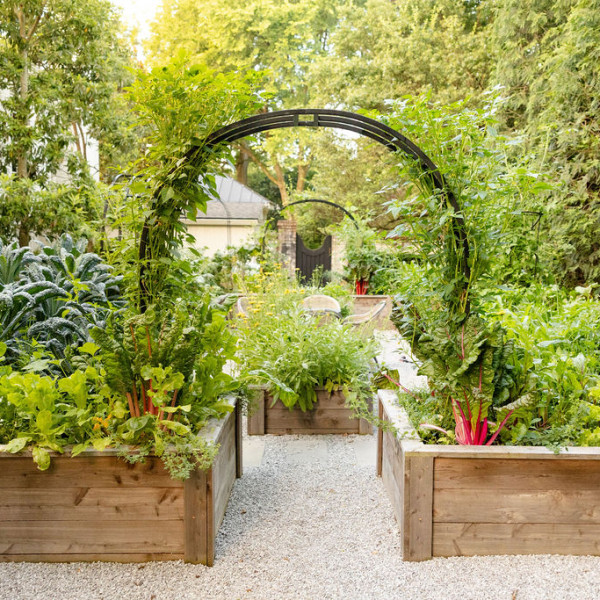
Vertical gardening uses tall structures to grow plants up instead of out. This saves ground space and lets you plant more.
Climbing plants like beans and peas do well on trellises. You can also hang pots or use shelves to add more plants.
- Use trellises for climbing vines
- Hang pots to grow herbs or flowers
- Stack shelves for small pots
- Train plants to grow upward
Intercropping
Intercropping means planting different crops close together. It helps plants use space and nutrients well.
For example, plant tall corn with low lettuce underneath. This gives shade and uses space at different heights.
- Combine tall and short plants
- Mix deep-rooted and shallow-rooted plants
- Use plants that grow at different speeds
- Choose compatible plants to avoid competition
Succession Planting
Succession planting grows crops one after another in the same bed. It keeps your garden full all season long.
Plant fast-growing vegetables first. After harvesting, plant another crop in the same space to avoid empty soil.
- Start with quick crops like radishes
- Follow with slower crops like tomatoes
- Plan planting dates to avoid gaps
- Use leftover space for herbs or greens
Common Challenges And Solutions
Growing plants in raised garden beds brings many benefits. You get better soil and easier access. Yet, gardeners face some common problems. These include pests, diseases, nutrient issues, and weather effects.
Knowing these challenges helps you pick the right plants and care for them well. Here are some solutions to keep your garden healthy and productive.
Pests And Disease Control
Pests can damage plants by eating leaves or spreading diseases. Raised beds can attract bugs like aphids, slugs, and caterpillars. Fungal diseases may also appear if plants stay too wet.
To control pests and diseases, keep your garden clean. Remove dead leaves and weeds. Use natural sprays like neem oil or insecticidal soap. Rotate crops to stop disease buildup in soil.
- Inspect plants regularly for signs of pests
- Introduce beneficial insects like ladybugs
- Water plants at the base to avoid wet leaves
- Use barriers like row covers to keep pests out
- Remove infected plants quickly to prevent spread
Nutrient Deficiencies
Plants need nutrients like nitrogen, phosphorus, and potassium to grow well. Raised beds can lose nutrients faster than garden soil. Deficiencies cause yellow leaves, poor growth, and low yields.
Test your soil before planting. Add compost or balanced fertilizer to supply nutrients. Use mulch to keep soil moist and healthy. Feed plants with liquid fertilizer during the growing season.
- Use compost to enrich soil naturally
- Apply fertilizer according to soil test results
- Add organic matter each season
- Rotate crops to balance nutrient use
- Check plants often for nutrient symptoms
Weather-related Issues
Weather changes can harm plants in raised beds. Too much sun can dry out soil quickly. Cold snaps may damage young plants. Heavy rain can cause root rot or wash away soil.
Protect your garden by adding shade cloth on hot days. Use row covers or cloches to keep plants warm in cold weather. Build raised beds with good drainage to prevent water buildup.
- Water plants early in the morning
- Use mulch to retain soil moisture
- Choose plants suited to your climate
- Cover plants during frost or storms
- Improve soil drainage with sand or gravel
Frequently Asked Questions
What Vegetables Grow Best In Raised Garden Beds?
Leafy greens, tomatoes, peppers, and root vegetables thrive well. Raised beds offer excellent drainage and soil control. These conditions help these vegetables grow healthier and faster.
Can I Plant Herbs In A Raised Garden Bed?
Yes, herbs like basil, parsley, thyme, and rosemary grow great. Raised beds provide good soil and drainage needed. They also make harvesting herbs easier and more convenient.
How Do I Choose Plants For My Raised Garden Bed?
Consider your climate, sunlight, and soil type first. Choose plants that match these conditions for best growth. Also, select crops you frequently use or enjoy eating.
Are Flowers Suitable For Raised Garden Beds?
Definitely, flowers like marigolds, nasturtiums, and pansies brighten raised beds. They can also attract pollinators and deter pests naturally. Combining flowers with veggies adds beauty and benefits your garden.
Conclusion
Choosing plants for your raised garden bed depends on space and sunlight. Vegetables like lettuce, tomatoes, and carrots grow well here. Herbs such as basil and parsley fit nicely too. Consider your climate and how much time you can spend gardening.
Start with easy plants to build your confidence. Watch your garden grow and enjoy fresh, homegrown food. Raised beds make gardening simple and fun for everyone. Give it a try and see what thrives in your space!