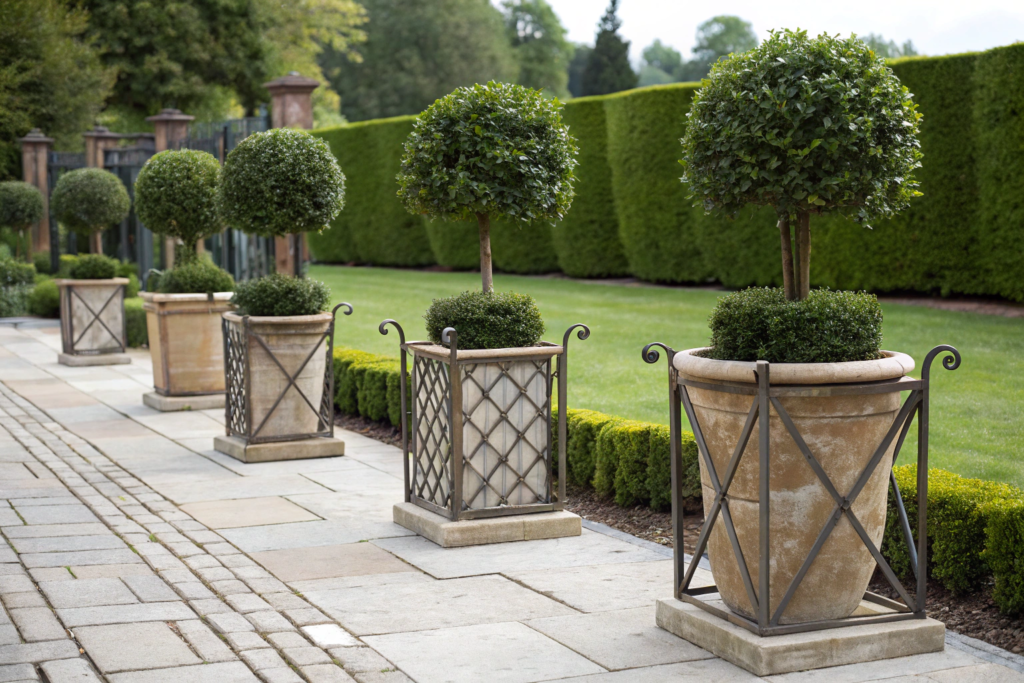
Are your planters tipping over every time the wind blows or when you water your plants? It’s frustrating to see your hard work knocked down by something as simple as a breeze.
You want your plants to stay upright and look their best, right? Learning how to weigh down planters properly can solve this problem once and for all. You’ll discover easy and effective ways to keep your planters steady, so you can enjoy your garden without worrying about spills or damage.
Keep reading to find simple tips that will make a big difference for your plants and your peace of mind.
Choosing The Right Planter
Weighing down planters helps keep plants safe in wind or bad weather. The right planter stops tipping and damage.
Picking the right planter means thinking about what it is made of and its size. These affect how heavy and steady it is.
Material Matters
Planters come in many materials like plastic, clay, metal, and stone. Each material has a different weight and strength.
Heavier materials like stone and metal keep planters steady. Light materials like plastic need extra weight inside.
- Stone planters are very heavy and stable
- Metal planters add good weight but can rust outside
- Clay planters are medium weight and porous
- Plastic planters are light and easy to move
Size And Shape Impact
Bigger planters hold more soil and plants but need more weight to stay steady. Small planters are easier to weigh down.
The shape changes balance. Wide bases are more stable than tall, narrow ones that tip easily.
- Wide and low planters resist tipping well
- Tall and narrow planters need extra weight at the bottom
- Round planters balance evenly on all sides
- Square or rectangular planters may tip if weight is uneven

Credit: artificialplantssupplier.com
Adding Weight Inside Planters
Adding weight inside planters helps keep them stable. It stops them from tipping over in wind or when bumped.
Use heavy materials at the bottom of the planter. This adds balance and protects your plants.
Using Gravel And Stones
Gravel and stones add good weight without blocking drainage. They create a firm base for your plants.
Place a layer of gravel or small stones at the bottom. This prevents soil from washing out and holds the planter down.
- Use clean gravel or river stones
- Layer about 2 to 4 inches deep
- Keep the gravel below the soil level
- Check drainage holes to avoid clogging
Incorporating Sand Or Soil
Adding sand or dense soil increases weight inside the planter. It helps hold the planter firmly in place.
Fill the bottom part of the planter with sand or heavy soil before adding regular potting mix. This creates a stable base.
- Use coarse sand for better weight
- Fill about one-third of the planter
- Cover sand with lighter potting soil
- Avoid compacting soil too tightly
External Weight Solutions
Ensuring your planters stay in place is important. Heavy winds can tip them over. External weight solutions help keep them stable.
There are various methods to weigh down planters. These methods are effective and easy to apply. Let’s explore some options.
Attaching Weights Or Bricks
Attaching weights or bricks to your planter is simple. This method gives stability and prevents tipping. You can use different types of weights for this purpose.
- Use bricks around the base of the planter.
- Attach flat weights to the bottom.
- Ensure weights are evenly distributed.
Using Heavy Planter Stands
Heavy planter stands are designed to support weight. They provide a sturdy foundation for your planters. Choosing the right stand is crucial for stability.
| Type of Stand | Material | Weight Capacity |
| Metal Stand | Iron | 50 kg |
| Wooden Stand | Oak | 40 kg |
| Concrete Stand | Concrete | 70 kg |
Securing Planters To Surfaces
Keeping planters steady helps protect plants and prevents accidents. Securing them to decks or patios stops them from tipping in wind or being knocked over.
This guide covers two simple ways to weigh down planters: using straps and ties, and mounting them to decks or patios.
Using Straps And Ties
Straps and ties hold planters firmly in place. They are easy to use and do not damage surfaces.
- Use weather-resistant straps for outdoor use.
- Wrap straps around the planter and the supporting structure.
- Secure straps tightly to prevent movement.
- Check straps regularly for wear or loosening.
- Use adjustable ties for different planter sizes.
Mounting To Decks Or Patios
Mounting planters provides a strong hold. This method works well for heavy or large planters on decks or patios.
| Mounting Method | Materials Needed | Advantages |
| Screw Brackets | Metal brackets, screws, drill | Strong, permanent hold |
| Anchor Bolts | Anchor bolts, drill, wrench | Secure for heavy planters |
| Velcro Strips | Heavy-duty Velcro | Easy to remove and adjust |
Wind Barriers And Placement
Planters can easily tip over in strong winds. Weighing them down helps keep plants safe. Wind barriers and smart placement reduce wind damage.
Using natural and man-made barriers can protect your planters. Choosing the right spot also lowers wind impact. These tips help keep your planters steady.
Choosing Sheltered Locations
Place planters near walls or fences to block strong winds. These spots reduce wind speed around your plants. Avoid open areas where wind blows freely.
Look for spots with natural shade and shelter. Corners of patios or near garden structures work well. These areas give extra protection from gusts.
- Near solid walls or fences
- In patio corners
- Next to garden sheds or structures
- Away from open fields or large lawns
Creating Natural Windbreaks
Use tall plants or shrubs as natural windbreaks. They block and slow down the wind near your planters. Layer different plants for better protection.
Build hedges or plant rows of bushes to act as barriers. These windbreaks improve planter stability and create a calm growing spot. Choose hardy plants that grow dense and tall.
- Tall grasses or bamboo
- Dense shrubs like boxwood or holly
- Layered plantings for thicker wind barriers
- Evergreens for year-round protection

Credit: www.aol.com
Maintenance For Stability
Planters can tip over if they are not heavy enough. Keeping them stable helps protect your plants and your space.
You need to check and adjust the weight regularly. This keeps your planters steady as plants grow and weather changes.
Regularly Checking Weight
Check the weight of your planters at least once a month. Look for signs of instability like tipping or wobbling.
Add weight if the planter feels light or easy to move. Use stones, bricks, or sandbags inside the planter base.
- Inspect after strong winds or storms
- Weigh planters that are in high-traffic areas
- Ensure the base material has not shifted or eroded
Adjusting For Plant Growth
Plants grow and become top-heavy. This can make planters less stable over time.
Add more weight as plants grow taller or wider. This helps keep the planter balanced and safe.
- Use heavier materials if plants become large
- Trim plants to reduce top weight if needed
- Move planters to sheltered spots during strong winds
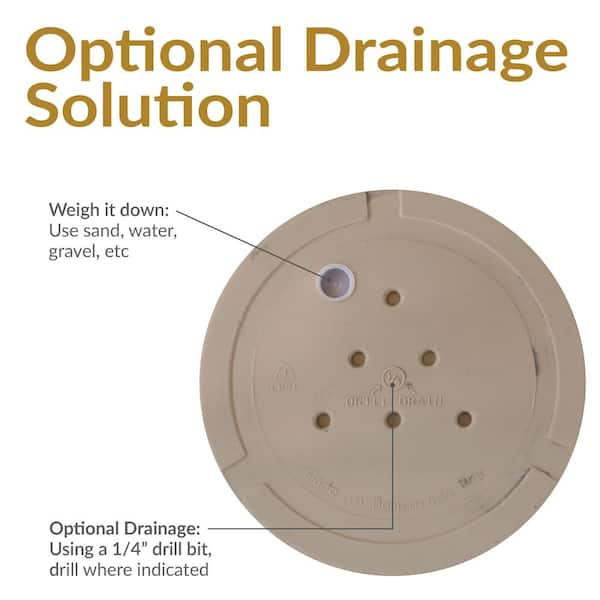
Credit: www.homedepot.com
Frequently Asked Questions
How Can I Weigh Down Outdoor Planters Effectively?
Use heavy materials like gravel, sand, or bricks at the planter’s base. This prevents tipping during strong winds and stabilizes the planter.
What Household Items Can Weigh Down Planters Cheaply?
Fill planters with rocks, pebbles, or old broken pottery. These items add weight without extra cost and improve drainage too.
Why Is Weighing Down Planters Important For Plants?
Weighted planters prevent tipping, protecting plants from damage. Stability also supports healthy root growth and keeps plants upright in windy conditions.
Can I Use Water To Weigh Down Planters?
Yes, adding water inside a sealed container within the planter adds weight. However, ensure proper drainage to avoid root rot.
Conclusion
Weighing down planters keeps them steady in wind and rain. Use heavy materials like stones, bricks, or sand to add weight. Place weights inside or under the planter for best results. This prevents tipping and protects your plants. Simple steps make a big difference in garden care.
Try these tips to keep your planters safe and secure. Enjoy a stable and beautiful garden all year round.