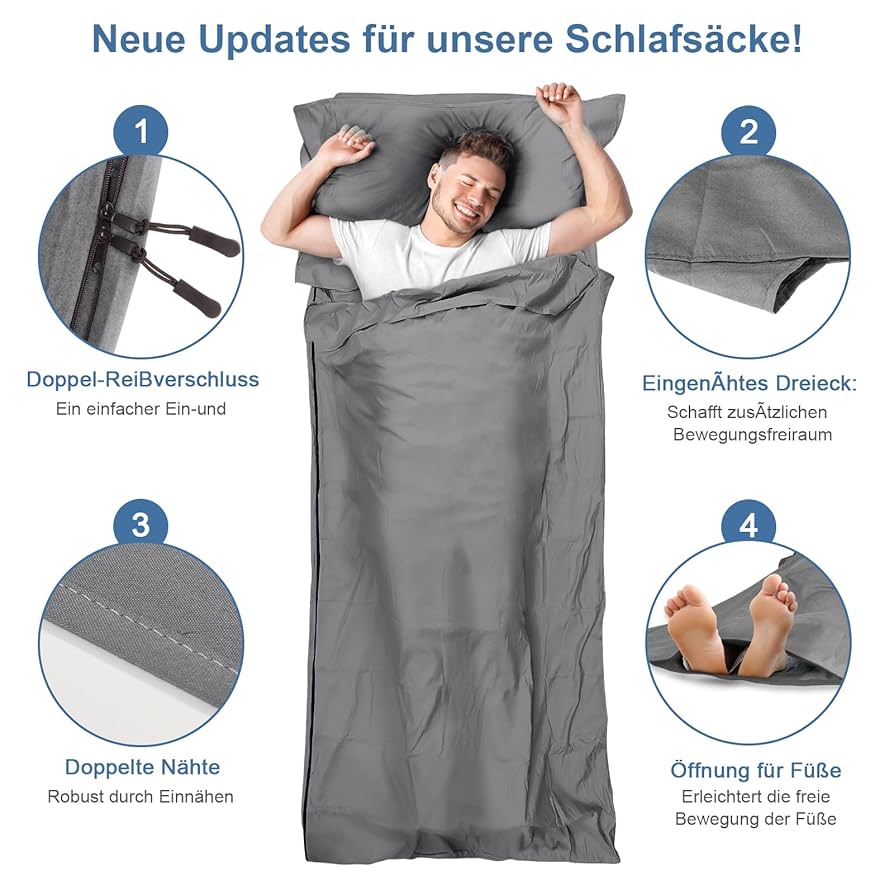
Are you tired of waking up feeling cold or uncomfortable inside your sleeping bag? Using a sleeping bag liner might be the simple solution you’ve been missing.
It can add extra warmth, keep your sleeping bag clean, and even make packing up easier. In this guide, you’ll learn exactly how to use a sleeping bag liner to improve your sleep outdoors or at home. Keep reading to discover tips that will make your nights cozier and your adventures more enjoyable.

Credit: us.alpkit.com
Benefits Of A Sleeping Bag Liner
A sleeping bag liner is a useful camping accessory. It adds extra comfort and protection inside your sleeping bag.
Using a liner can improve warmth, keep your bag cleaner, and help it last longer.
Improving Warmth
A sleeping bag liner adds an extra layer of insulation. It traps more body heat, helping you stay warm during cold nights. Some liners are made of fleece or silk, which can boost warmth without adding bulk.
- Increases overall heat retention
- Works well with any sleeping bag
- Lightweight and easy to carry
- Can be used alone in mild weather
Enhancing Hygiene
The liner acts as a barrier between your body and the sleeping bag. It helps keep sweat, dirt, and oils away from the sleeping bag’s interior. This keeps your sleeping bag cleaner and fresher for longer periods.
| Benefit | Details |
| Reduces washing frequency | Protects bag from sweat and dirt |
| Easy to clean | Liners are usually machine washable |
| Prevents odors | Limits bacteria buildup inside bag |
Extending Sleeping Bag Life
The liner protects the sleeping bag fabric from wear and tear. It reduces friction and damage caused by regular use. Using a liner helps keep the sleeping bag in good shape for many trips.
Here is a list of ways a liner helps extend your sleeping bag’s life:
- Prevents fabric wear from friction
- Keeps zippers and seams cleaner
- Reduces need for frequent washing
- Protects against stains and spills
Types Of Sleeping Bag Liners
Sleeping bag liners add warmth and keep your sleeping bag clean. They come in different materials. Each type has unique benefits for camping and travel.
Choosing the right liner depends on your needs. Here are three common types of sleeping bag liners.
Cotton Liners
Cotton liners feel soft and comfortable against the skin. They are breathable and good for warm weather camping.
Cotton liners absorb moisture well but take longer to dry. They are easy to wash and affordable.
- Soft and comfortable
- Breathable for warm weather
- Absorbs moisture
- Slow drying
- Easy to wash and affordable
Silk Liners
Silk liners are lightweight and smooth. They are great for adding warmth without adding bulk.
Silk dries quickly and packs small. It feels luxurious but costs more than other liners.
- Lightweight and smooth
- Adds warmth without bulk
- Dries quickly
- Packs small
- More expensive
Fleece Liners
Fleece liners are thick and warm. They work well in cold weather or when extra insulation is needed.
Fleece dries fast and is soft. It can add weight and take more space in your bag.
- Thick and warm
- Good for cold weather
- Dries quickly
- Soft texture
- Heavier and bulkier
Choosing The Right Liner For Your Trip
Using a sleeping bag liner can add comfort and warmth to your camping experience. Picking the right liner depends on where and how you plan to use it.
Consider the weather, how much you want to carry, and your personal preferences before choosing a liner.
Climate Considerations
Think about the climate where you will camp. Liners can add warmth in cold weather or keep you cool in hot weather. Some liners are designed to wick moisture and dry quickly, which helps in humid conditions.
- For cold climates, use thick or insulated liners.
- In warm climates, choose lightweight and breathable liners.
- For wet or humid areas, liners made from moisture-wicking materials work best.
Weight And Packability
How much weight you carry matters on long trips. Some liners are very light and pack small, making them easier to carry in your backpack.
| Type of Liner | Weight | Pack Size |
|---|---|---|
| Silk | Light | Very Small |
| Fleece | Medium | Medium |
| Cotton | Heavy | Large |
Material Preferences
Your comfort depends on the liner material. Some liners are soft and warm. Others dry fast or feel cool to the touch.
- Silk feels smooth and is light but costs more.
- Fleece is warm and soft but bulkier.
- Cotton is cheap and breathable but absorbs moisture.
- Polyester dries quickly and resists wrinkles.
How To Use A Sleeping Bag Liner
Sleeping bag liners are useful for keeping your sleeping bag clean. They also add extra warmth during cold nights. Here is a simple guide on how to use a sleeping bag liner.
Follow these steps to ensure a comfortable and clean sleeping experience. Whether camping or at home, a liner can make a big difference.
Preparing Your Sleeping Bag
Before inserting the liner, lay out your sleeping bag flat. Make sure it is clean and dry. This helps in making the liner fit properly inside.
Check the zipper and seams of the sleeping bag. Ensure that they are in good condition. A well-prepared sleeping bag ensures a smooth insertion of the liner.
Inserting The Liner
Open the liner fully before placing it inside the sleeping bag. Align the liner’s opening with the sleeping bag’s opening. This makes it easier to get in and out.
Slide the liner into the sleeping bag carefully. Adjust the liner so that it lies flat inside. This prevents bunching and ensures comfort.
- Make sure the liner’s top is even with the sleeping bag’s top.
- Smooth out any wrinkles or folds.
- Test the liner by lying inside to check for comfort.
Securing For Comfort
Once the liner is in place, zip up the sleeping bag. This keeps the liner secure and prevents it from moving around.
If your liner has drawstrings, use them to close the top. This keeps warmth in and ensures a snug fit around your shoulders.
Cleaning And Maintenance Tips
Keeping your sleeping bag liner clean helps it last longer and stay fresh. Proper care also keeps it comfortable for every trip.
Learn simple steps for washing, drying, and storing your liner safely. These tips protect the fabric and maintain its softness.
Washing Instructions
Wash your sleeping bag liner regularly but gently. Use mild detergent and cold water to avoid damage. Avoid bleach and fabric softeners.
- Turn the liner inside out before washing.
- Use a gentle cycle on your washing machine.
- Hand wash if the fabric is delicate.
- Rinse thoroughly to remove all soap.
- Do not wring or twist the liner to dry.
Drying Methods
Dry your liner carefully to keep its shape and softness. Avoid direct sunlight and high heat sources.
| Drying Method | Instructions |
|---|---|
| Air Dry | Lay flat or hang in shade until fully dry. |
| Tumble Dry | Use low heat and remove promptly to prevent wrinkles. |
| Avoid | Do not use high heat or direct sunlight drying. |
Storage Advice
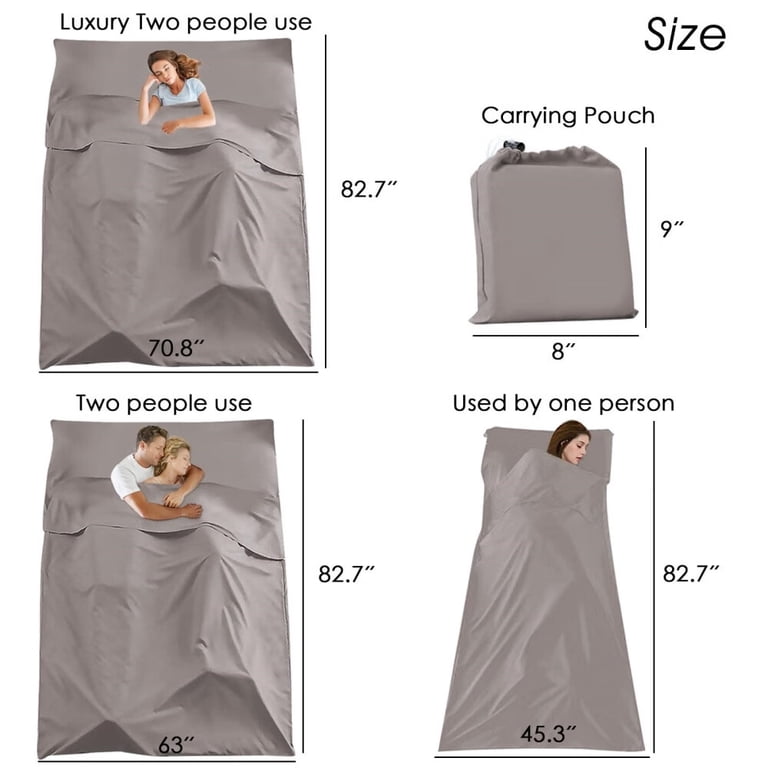
Store your liner in a clean, dry place. Keep it loosely packed to avoid crushing the fabric.
- Use a breathable storage bag or cotton sack.
- Avoid plastic bags that trap moisture.
- Keep away from direct sunlight or damp areas.
- Check the liner for moisture before storing.
- Wash the liner before long-term storage.
Credit: www.walmart.com
Additional Uses For Sleeping Bag Liners
Sleeping bag liners are not just for extra warmth inside your sleeping bag. They have many other practical uses that make them handy for camping and travel. You can use them in different ways to stay comfortable and safe outdoors.
Below are some common additional uses for sleeping bag liners. Each use can help you in various situations, from keeping warm to protecting yourself and your gear.
As A Lightweight Blanket
Sleeping bag liners work well as lightweight blankets. They add a thin layer of warmth without the weight of a full sleeping bag. This is useful on warm nights or inside a tent where you want just a little extra comfort.
You can also use a liner as a summer blanket at home or while traveling. It is easy to carry and takes up little space in your bag.
Emergency Shelter
A sleeping bag liner can serve as an emergency shelter if you get caught in bad weather. You can use it to cover yourself or create a small barrier against wind and rain. It helps keep you dry and warm until help arrives or you find proper shelter.
- Wrap yourself to keep body heat
- Use as a groundsheet to stay dry
- Hang between trees for shade or rain cover
Travel Sheet
When staying in hotels or hostels, a sleeping bag liner works well as a travel sheet. It keeps your sleeping area clean and adds a layer between you and unfamiliar bedding. This is especially helpful in places where cleanliness is uncertain.
Travel sheets are light and easy to wash. They dry quickly and fit in small bags, making them perfect for travelers.

Credit: gearjunkie.com
Frequently Asked Questions
What Is The Main Purpose Of A Sleeping Bag Liner?
A sleeping bag liner adds warmth and comfort inside your sleeping bag. It also keeps your bag clean and extends its life by reducing dirt and sweat buildup during use.
How Do You Properly Use A Sleeping Bag Liner?
Place the liner inside your sleeping bag before use. Make sure it fits well and covers the entire sleeping surface for maximum comfort and protection.
Can Sleeping Bag Liners Improve Sleeping Bag Warmth?
Yes, liners can add 5 to 10 degrees of warmth. They trap extra body heat and provide an insulating layer between you and the sleeping bag.
Are Sleeping Bag Liners Easy To Clean?
Yes, liners are usually machine washable and dry quickly. This makes them a convenient way to maintain hygiene without washing your entire sleeping bag.
Conclusion
Using a sleeping bag liner adds comfort and warmth to your sleep. It keeps your sleeping bag clean and lasts longer. Liners are easy to pack and wash after trips. Choose the right material for your needs. Enjoy better rest on every camping adventure.
Simple steps make a big difference in comfort. Try a liner and feel the improvement yourself. Sleep well, stay warm, and keep your gear fresh.