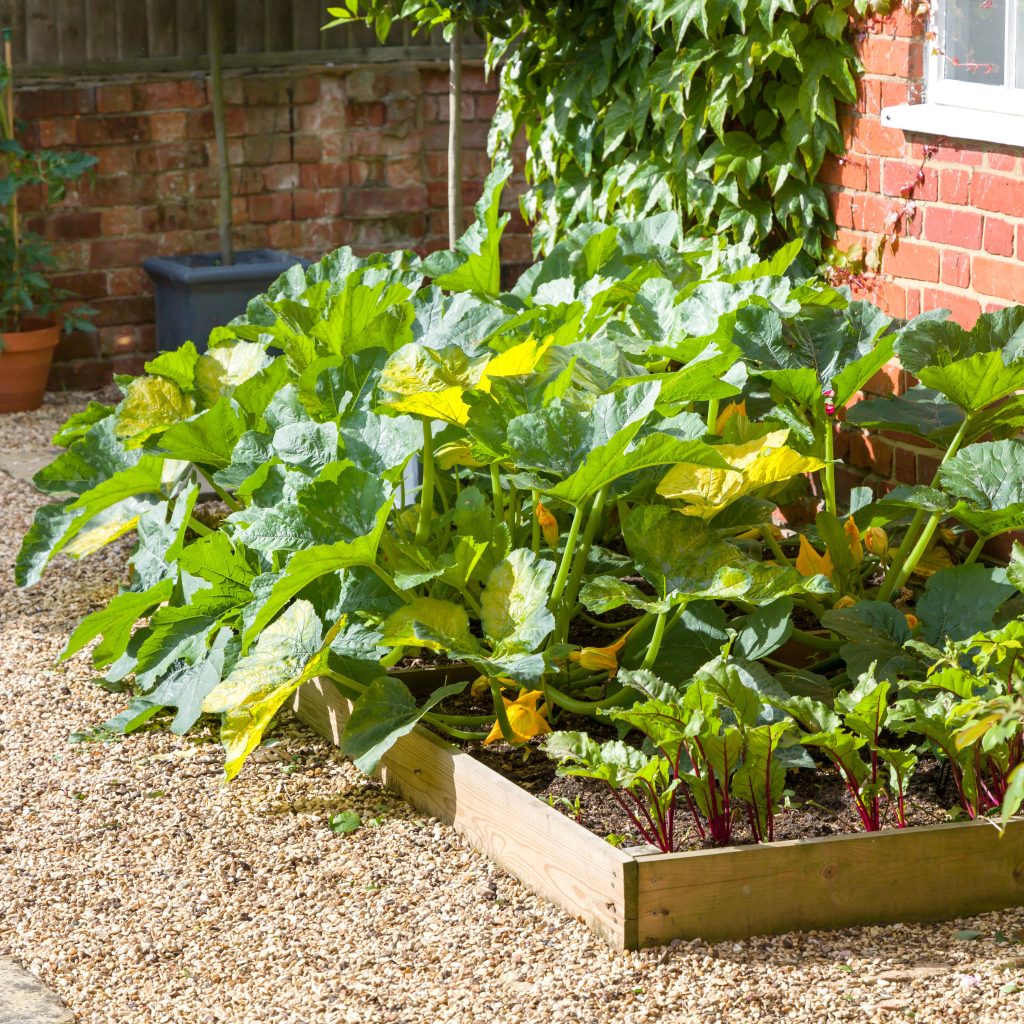
Are you ready to transform your gardening space into something sturdy, stylish, and easy to maintain? Building a raised garden bed with cement blocks is a smart way to grow your plants while adding structure to your yard.
Imagine having a garden bed that keeps weeds at bay, improves drainage, and lasts for years without breaking down. In this guide, you’ll discover simple steps to create your own raised bed using affordable materials you can find anywhere. Whether you’re a beginner or looking for a durable upgrade, this method will give you a solid foundation for your garden to thrive.
Keep reading, and let’s get your hands dirty with a project that’s both practical and rewarding!
Choosing The Right Location
Picking the right spot for your raised garden bed is very important. It helps your plants grow strong and healthy.
This guide will help you find the best location by looking at sunlight, soil drainage, and ease of access.
Assessing Sunlight Exposure
Most vegetables need at least six hours of sunlight each day. Choose a spot that gets plenty of sun, especially in the morning.
Watch the area for a few days. Make sure no trees or buildings block the sun during the main daylight hours.
- Look for a sunny place with 6+ hours of light
- Avoid heavy shade from trees or buildings
- Morning sun is better than afternoon shade
Checking Soil Drainage
Good soil drainage stops water from pooling around your plants. Too much water can hurt plant roots and cause disease.
To test drainage, dig a small hole and fill it with water. If water drains in less than an hour, the spot is good.
- Dig a 12-inch hole and fill it with water
- Check if water drains within 1 hour
- Slow drainage means you may need raised beds or soil help
Considering Accessibility
Choose a location that is easy to reach for planting, watering, and harvesting. You will work there often.
Think about how far the bed is from your water source and paths. Make sure you can move tools and supplies easily.
- Pick a spot near water for easy watering
- Make sure the area has clear paths around it
- Check that you can carry tools and soil without trouble
Gathering Materials And Tools
Building a raised garden bed with cement blocks is easy and efficient. Gather the right materials and tools for a smooth project.
This guide will help you select the necessary cement blocks and additional supplies. We will also list the tools required for the job.
Selecting Cement Blocks
Choose cement blocks that are sturdy and durable. Standard sizes work best for most garden beds.
- 8x8x16-inch cement blocks are common and easy to find
- Look for blocks without cracks or damage
- Consider the weight; heavier blocks may need more effort
Additional Supplies Needed
Beyond cement blocks, some additional supplies are essential. These supplies ensure the stability and longevity of your garden bed.
- Landscape fabric to prevent weeds
- Gravel for drainage
- Soil mix suited for your plants
Tools Required
Having the right tools makes building your garden bed easier and faster. Gather these tools before you start the project.
- Shovel for digging and moving soil
- Level to ensure the bed is even
- Measuring tape for accurate block placement
- Rubber mallet to adjust block position
Preparing The Site
Building a raised garden bed with cement blocks starts with choosing the right spot. Preparing the site well makes sure your garden grows healthy and strong.
First, clear and level the ground. Then, mark the bed dimensions carefully to guide your work.
Clearing And Leveling The Ground
Remove all grass, weeds, and debris from the area. Clear the soil down to bare earth so the blocks sit firmly.
- Pull out any plants or roots
- Remove rocks and sticks
- Rake the soil smooth
- Use a shovel or hoe to level uneven spots
- Compact the soil by stepping on it or using a tamper
Marking The Bed Dimensions
Decide how big your raised bed will be. Use string and stakes to mark the exact shape on the ground.
| Tool | Purpose |
|---|---|
| Measuring Tape | Measure bed length and width |
| Wooden Stakes | Mark corners and edges |
| String or Twine | Create straight boundary lines |
| Hammer or Mallet | Drive stakes into the ground |

Credit: www.reddit.com
Laying The Foundation
Building a raised garden bed with cement blocks starts with a strong foundation. A good base helps keep the bed stable and prevents shifting.
Preparing the ground and placing the blocks carefully sets the stage for a long-lasting garden bed.
Positioning The First Row Of Blocks
Clear the area where you want to build the bed. Remove grass and rocks to create a flat surface. Lay the first row of blocks directly on the ground.
Place the blocks in a straight line and keep the edges tight. The first row shapes the whole bed, so take your time.
- Mark the bed’s outline with string or chalk
- Clear soil and debris from the marked area
- Lay blocks side by side with no gaps
- Adjust blocks to follow the shape you want
Ensuring Level Alignment
Use a level tool to check each block in the first row. Blocks must be even to avoid a crooked garden bed.
Adjust the soil or add sand under blocks to fix uneven spots. Check the level from different angles.
- Place a carpenter’s level on each block
- Tap blocks gently to raise or lower them
- Fill holes under blocks with sand or dirt
- Double-check the entire first row before continuing
Building Up The Walls
Building the walls of your raised garden bed starts with stacking cement blocks. This part is important to create strong sides that hold soil.
Take your time to place each row evenly. This helps the walls stay straight and stable.
Stacking Additional Rows
After the first row is set, add more rows on top. Make sure each block sits evenly on the one below.
Stagger the blocks by placing them so the seams do not line up. This pattern makes the wall stronger.
- Place blocks carefully to keep walls level
- Use a rubber mallet to tap blocks into place
- Check alignment with a level tool often
- Keep seams staggered for better support
Securing Blocks For Stability
To make sure the walls do not move, secure the blocks together. This adds safety and durability to your bed.
Use construction adhesive or mortar between blocks. This helps bind the blocks tightly and prevents shifting.
- Apply adhesive or mortar evenly between blocks
- Wipe off excess to keep a clean look
- Allow time for the adhesive or mortar to dry fully
- Check stability by gently pushing the wall
Adding Drainage And Soil
Building a raised garden bed with cement blocks is easy and practical. Good drainage and quality soil help your plants grow well.
This guide explains how to add drainage materials and fill the bed with the right soil mix.
Installing Drainage Materials
Drainage stops water from pooling inside the garden bed. This keeps plant roots healthy and prevents rot.
Start by placing a layer of small rocks or gravel at the bottom of the bed. This helps water flow out easily.
- Use 2 to 3 inches of gravel or crushed stone
- Cover rocks with landscape fabric to stop soil from washing away
- Make sure drainage holes are clear in the cement blocks
Filling With Quality Soil Mix
Choose soil that drains well and has nutrients for plants. Good soil helps roots grow strong and healthy.
Mix garden soil with compost and peat moss or coconut coir. This mix keeps moisture and air balanced.
- Use about 50% garden soil
- Add 30% compost for nutrients
- Include 20% peat moss or coconut coir for moisture
- Mix well before filling the bed
Planting And Maintenance Tips
Building a raised garden bed with cement blocks is a great way to grow plants. Proper planting and care help your garden thrive.
Follow these tips to choose plants, water and fertilize correctly, and care for your garden during different seasons.
Choosing Suitable Plants
Select plants that grow well in raised beds and your climate. Use plants that suit the depth and size of your bed.
Many vegetables, herbs, and flowers do well in cement block beds. Choose plants with similar water and sunlight needs.
- Leafy greens like lettuce and spinach
- Root vegetables such as carrots and radishes
- Herbs like basil, parsley, and thyme
- Flowers like marigolds and pansies
Watering And Fertilizing
Water your raised bed regularly to keep the soil moist but not soggy. Cement blocks can warm the soil, so check moisture often.
Use balanced fertilizers to give nutrients to your plants. Organic compost or slow-release fertilizers work well in raised beds.
- Water in the morning to reduce evaporation
- Check soil moisture by feeling the top inch of soil
- Add compost every few weeks for nutrients
- Avoid over-fertilizing to prevent plant stress
Seasonal Care
Adjust your garden care with the seasons. Prepare your raised bed for hot summers and cold winters to protect your plants.
Mulch in summer to keep soil cool. Cover plants or move portable blocks indoors during frost to avoid damage.
- Apply mulch to retain moisture and control weeds
- Remove dead plants to avoid pests and diseases
- Cover beds with frost cloth in cold weather
- Plan crop rotation for healthy soil

Credit: www.reddit.com
Customizing Your Garden Bed
Building a raised garden bed with cement blocks lets you create a unique look. You can change its style by adding colors and decorations.
Custom touches make your garden bed fit your space and personality. Let’s explore ways to personalize it easily.
Painting And Sealing Blocks
Painting your cement blocks adds color and protects them from weather damage. Use outdoor paint made for masonry surfaces.
Sealing after painting stops water from soaking into the blocks. This keeps your garden bed strong and looking fresh.
- Clean blocks before painting to remove dust and dirt
- Use a primer to help paint stick better
- Apply two coats of outdoor masonry paint
- Finish with a clear sealant for extra protection
- Let each layer dry fully before the next one
Adding Decorative Elements
Decorative items make your garden bed more interesting. You can add stones, tiles, or plants to the blocks.
These extras give your garden a personal touch and can match your outdoor style.
- Attach mosaic tiles to the block faces for color
- Place river rocks or pebbles in the block openings
- Use small pots in block holes for flowers or herbs
- Wrap fairy lights around the bed for soft lighting
- Glue decorative stones or shells on the edges

Credit: savvygardening.com
Frequently Asked Questions
What Materials Do I Need For A Cement Block Garden Bed?
You need cement blocks, soil, compost, a shovel, and gloves. Optional tools include a level and wheelbarrow for ease. Choose blocks with holes for planting options or solid blocks for structure.
How Deep Should A Raised Garden Bed Be?
A raised garden bed should be at least 12 inches deep. This depth allows roots to grow well and ensures proper drainage. For root vegetables, consider beds 18-24 inches deep.
Can Cement Blocks Improve Garden Drainage?
Yes, cement blocks provide excellent drainage. Their porous nature allows water to flow through, preventing waterlogging. Filling holes with gravel enhances drainage further, benefiting plant health.
How Do I Prevent Weeds In A Cement Block Garden Bed?
Line the bed with landscape fabric before adding soil to block weeds. Regularly remove visible weeds and mulch the surface to suppress growth. Proper soil preparation also reduces weed seeds.
Conclusion
Building a raised garden bed with cement blocks is simple and practical. You can create a strong and lasting garden space in just a few steps. This method saves time and money while offering good drainage and easy access to plants.
Plus, cement blocks are easy to move and reuse if needed. Start small, follow the steps, and enjoy growing your favorite plants. A raised bed can make gardening more fun and productive. Give it a try and watch your garden grow!