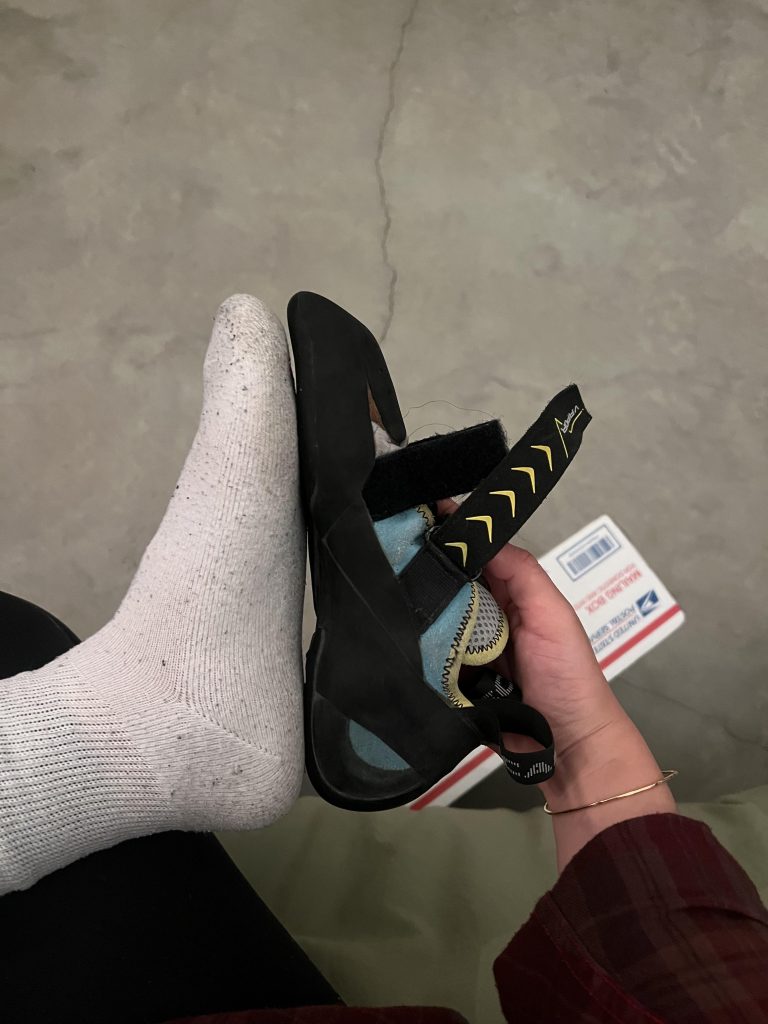
Are you struggling to find the perfect fit for your climbing shoes? You might be wondering, just how tight are climbing shoes supposed to be?
Too loose, and you lose control; too tight, and your feet scream in pain. Finding the right balance can make a huge difference in your climbing performance and comfort. Keep reading to discover simple tips that will help you choose shoes that fit just right—so you can climb better and enjoy every step on the wall.
Choosing The Right Fit
Climbing shoes need to fit well to help you climb safely and comfortably.
Picking the right fit means knowing how tight your shoes should be and what to expect from the material and shape.
Importance Of Proper Fit
Proper fit keeps your feet safe and improves your climbing performance.
- Shoes too loose can cause slipping and blisters.
- Shoes too tight can hurt your toes and reduce blood flow.
- Right fit helps you feel the rock better.
- Good fit reduces foot fatigue on long climbs.
Different Shoe Shapes
Climbing shoes come in many shapes to fit different foot types and climbing styles.
| Shape | Description | Best For |
|---|---|---|
| Neutral | Flat and comfortable | All-day wear and beginners |
| Moderate | Some toe curl | General climbing |
| Aggressive | Strong toe curl for precision | Steep and technical climbs |
Material And Stretch
Shoe material affects how much the shoe stretches after use.
- Leather shoes stretch 5% to 10% over time.
- Synthetic shoes stretch less but are more stable.
- Consider the material before buying to avoid too loose shoes later.
- Try shoes on at the end of the day when feet are swollen.
Signs Of A Perfect Fit
Climbing shoes need to fit just right. Too loose, and you lose control. Too tight, and your feet hurt.
Look for signs that show your shoes fit well. These signs help you climb better and stay comfortable.
Snug Yet Comfortable
Your climbing shoes should feel snug but not painful. They wrap your feet closely without cutting off circulation.
- No sharp pain or numbness
- Firm hold around the foot
- Comfortable enough to wear for long climbs
- Shoes do not slip off when walking
Toe Positioning
Your toes should lie flat or slightly curled inside the shoe. Avoid extra space or crumpling at the front.
| Toe Fit | How it Should Feel |
| Flat | Toes fully touch the shoe front |
| Slightly Curled | Toes gently bend without pain |
| Too Loose | Toes slide or move inside |
| Too Tight | Toes feel cramped or pressed |
Heel Lock
The heel should stay locked in place. It must not slip out when you climb or walk.
- Heel fits snugly without gaps
- No heel lift when moving
- Shoes have secure straps or laces to tighten the heel
- The heel cup presses the heel firmly
Common Fit Issues
Climbing shoes need to fit just right. Poor fit can cause problems. It’s important to find the balance between too tight and too loose.
Understanding common fit issues helps improve comfort and performance. Let’s explore the problems with tight and loose shoes.
Too Tight Problems
Shoes that are too tight can cause pain. They might restrict blood flow and lead to discomfort.
Painful spots develop over time. This can make climbing less enjoyable and even dangerous.
- Blisters from friction
- Numb toes from pressure
- Difficulty removing shoes
Too Loose Risks
Loose shoes lack control. Feet can slip inside the shoe, reducing grip.
This makes precise movements harder. Safety can be compromised if shoes are too loose.
- Slipping off footholds
- Less sensitivity on the rock
- Increased risk of falls
Pressure Points
Pressure points can occur with poor fit. These areas feel more stress than others.
Identifying pressure points can help adjust the fit. This ensures better comfort and safety.
| Pressure Area | Possible Solution |
| Toe box | Choose a wider shoe |
| Heel | Use heel padding |
| Arch | Try different insole |

Credit: www.reddit.com
Fit Variations By Climbing Style
Climbing shoes fit differently based on the type of climbing you do. Each style needs a unique balance of tightness and comfort.
Choosing the right fit helps improve your performance and protects your feet during climbs.
Bouldering Needs
Bouldering requires shoes to fit very tight for better control on small holds. The shoes should feel snug but not painful.
Strong toe grip and minimal movement inside the shoe help with powerful moves and quick foot placements.
- Shoes often have a downturned shape
- Tighter fit around toes and midfoot
- Less padding for better sensitivity
Sport Climbing Fit
Sport climbing needs a balance between tightness and comfort. Shoes should be snug but allow longer climbs without pain.
Shoes often have moderate downturn and good arch support to handle various holds and movements.
- Snug fit without pinching
- Good heel and toe security
- Some padding for comfort
Trad Climbing Comfort
Trad climbing shoes focus on comfort for long periods on your feet. They fit less tight than bouldering or sport shoes.
Shoes should protect your feet while still allowing precise footwork on cracks and edges.
- Roomier toe box
- Less aggressive shape
- More padding for foot protection
Breaking In Climbing Shoes
Climbing shoes should fit snugly but not cause pain. Breaking in helps the shoes fit better over time.
New shoes often feel tight at first. The material softens and stretches with use.
Expected Stretch Amount
Most climbing shoes stretch about half a size after breaking in. Leather shoes stretch more than synthetic ones.
Shoes with thicker rubber usually stretch less. Expect about 5 to 10% stretch in length or width.
- Leather shoes stretch more than synthetic
- Thick rubber limits stretching
- Half a size stretch is normal
- Stretch varies by brand and model
Tips For Faster Break-in
Wear your climbing shoes around the house for short periods. This softens the material gently.
Avoid wearing shoes all day at first. Gradually increase wear time to prevent pain and blisters.
- Wear shoes indoors for 20-30 minutes daily
- Use thick socks if shoes feel too tight
- Try climbing on easier routes to stretch shoes
- Use a shoe stretcher or wet the shoes carefully
When To Replace Shoes
Replace climbing shoes when holes appear or rubber wears thin. Worn shoes lose grip and support.
Shoes that cause pain or do not fit well should be replaced. Proper fit is key for safe climbing.
- Replace if holes appear on the upper part
- Thin or worn rubber reduces grip
- Painful shoes may cause injury
- Check fit regularly as feet change
Testing Fit Before Buying
Climbing shoes must fit snugly to perform well. Testing the fit before buying is very important.
This guide helps you check the fit in three key ways: trying shoes on, walking and flexing, and checking after climbing.
Trying Shoes On
Put the shoes on and make sure your toes touch the front without too much space. The shoes should feel tight but not cause pain.
- Your heel should fit snugly without slipping.
- Toes should be slightly curled, not flat.
- The shoe should hold your foot firmly in place.
Walking And Flexing
Walk around in the shoes to feel how they bend. Flex your feet to test comfort and flexibility.
| Test | What to Check | Ideal Feeling |
| Walking | Shoe holds foot without slipping | Secure and stable |
| Flexing | Shoe bends with foot without pain | Comfortable but firm |
| Pressure Points | Any spots that feel too tight or painful | None, slight snugness only |
Checking After Climbing
Try climbing a few moves or simulate climbing motions. Check your foot feeling after climbing.
Key signs to watch for:
- Numb toes or sharp pain means shoes are too tight.
- Sliding heel means shoes are too loose.
- Even pressure without discomfort is best.
Custom Adjustments And Alternatives
Climbing shoes should fit snugly but not cause pain. Finding the right tightness helps improve performance.
Custom adjustments and alternatives can make shoes fit better. These changes improve comfort and support.
Using Insoles And Pads
Insoles add extra support inside climbing shoes. They fill empty space and lift your foot slightly.
Pads reduce pressure on sensitive spots. You can place them under toes or around the heel.
- Thin insoles improve arch support
- Gel pads cushion toes and heels
- Foam inserts fill loose areas
Heat Molding Techniques
Heat molding softens shoes to fit your foot shape better. This process shapes shoes for a custom fit.
Some brands offer heat-moldable shoes. You can warm them at home or in a store for better comfort.
- Use warm water or a heat gun carefully
- Wear the shoes while they cool down
- Do not overheat to avoid damage
Socks And Lace Adjustments
Socks change how tight shoes feel. Thin socks keep shoes snug without extra space.
Lace adjustments help control pressure. Tighten or loosen laces to fit your foot shape well.
- Wear thin or no socks for tight fit
- Adjust laces to avoid pinching
- Try different lacing patterns for comfort

Credit: www.reddit.com

Credit: www.reddit.com
Frequently Asked Questions
How Tight Should Climbing Shoes Fit For Comfort?
Climbing shoes should fit snugly without causing pain. They must hold your foot securely to improve performance. Avoid shoes that feel too loose or painfully tight. Proper fit balances comfort and control on the rock.
Why Do Climbing Shoes Need To Be Tight?
Tight climbing shoes enhance precision and grip on small holds. A secure fit prevents foot movement inside the shoe. This improves stability and reduces the risk of slipping during climbs.
Can Too Tight Climbing Shoes Damage Feet?
Yes, excessively tight shoes can cause blisters, numbness, and long-term foot problems. It’s important to choose shoes that are snug but not painful. Proper fit protects your feet while maximizing climbing efficiency.
How To Know If Climbing Shoes Are Too Loose?
If your heel slips or toes move freely, shoes are too loose. Loose shoes reduce control and increase injury risk. Aim for a snug fit that keeps your foot stable during climbs.
Conclusion
Finding the right fit for climbing shoes matters a lot. Shoes should feel snug but not hurt your feet. Too tight can cause pain and blisters. Too loose means less control and slipping. Comfort helps you climb longer and better.
Remember, your feet may feel tight at first but should not cause lasting pain. Trying different brands and sizes helps find your perfect pair. Pay attention to how your feet feel during climbs. Good-fitting shoes boost confidence and safety on the wall.
Choose wisely and enjoy every climb.