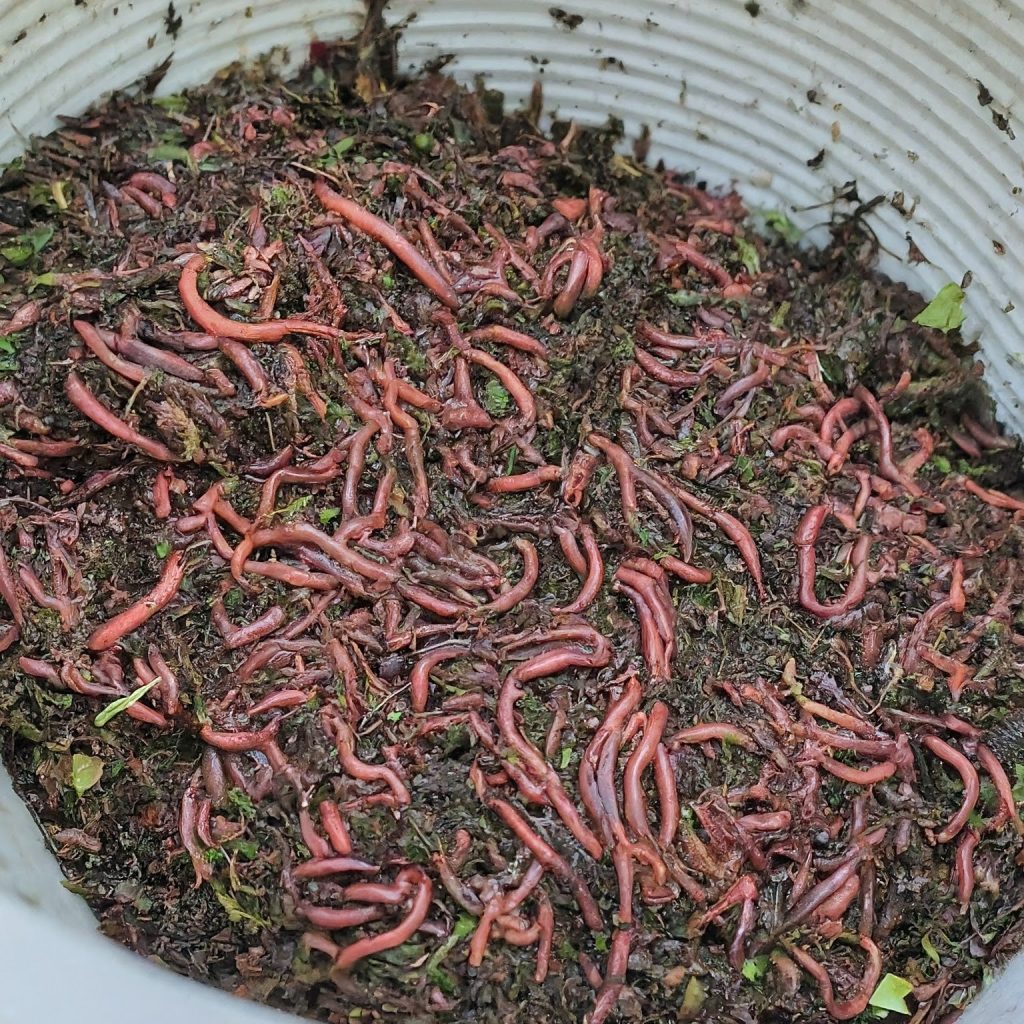
Are you wondering if adding worms to your compost bin is a good idea? You might have heard that worms can speed up composting and make your soil richer.
But is it really that simple? Before you toss those wriggly creatures into your bin, there are important things you need to know. Keep reading to discover how worms can change your composting game—and whether they’re the right fit for your setup.
This could be the key to turning your kitchen scraps into garden gold faster than you thought possible.
Credit: dengarden.com
Benefits Of Adding Worms
Adding worms to your compost bin brings many advantages. Worms help break down organic waste quickly.
They improve the quality of compost and support healthy soil growth. Let’s explore the main benefits of worms in compost.
Faster Composting Process
Worms speed up the breakdown of food scraps and yard waste. They eat the material and produce nutrient-rich castings.
- Worms consume large amounts of organic matter daily.
- Their digestion helps turn waste into compost faster.
- They mix the compost, improving air flow and moisture levels.
Improved Soil Quality
Worm castings add valuable nutrients to the soil. These nutrients help plants grow strong and healthy.
| Benefit | Effect on Soil |
| Increased Nutrients | More nitrogen, phosphorus, and potassium |
| Better Soil Structure | Improved aeration and water retention |
| Microbial Activity | Enhanced beneficial microbes for plant health |
Natural Waste Breakdown
Worms help decompose organic waste without harmful chemicals. They create a natural cycle that reduces landfill waste.
Here are common types of worms used in compost bins:
- Red wigglers (Eisenia fetida)
- European nightcrawlers (Eisenia hortensis)
- Blue worms (Perionyx excavatus)
Choosing The Right Worms
Worms play a key role in compost bins. Picking the right worms helps speed up composting. Not all worms work well in compost bins.
You need worms that eat food scraps and make rich soil. These worms live in the top layer of soil. They like moist and cool places.
Types Of Composting Worms
There are many worm types, but only a few are good for composting. The best worms are called “red worms” or “red wigglers.”
These worms break down food fast and live well in bins. They do not burrow deep into the soil like garden worms.
- Red Wigglers (Eisenia fetida):Most popular for compost. They eat lots of food waste.
- European Nightcrawlers (Eisenia hortensis):Larger than red wigglers. Good for bigger bins.
- Blue Worms (Perionyx excavatus):Less common. Work well in warm climates.
Where To Source Worms
You can get composting worms from many places. It is best to buy worms raised for composting.
Some people find worms in their garden, but these may not work well in bins. Buying worms ensures good composting results.
- Online worm suppliers:Many farms sell compost worms online.
- Local garden centers:Some stores sell worms for composting.
- Worm farms:Visit worm farms to buy healthy worms.
- Community groups:Check local composting groups for worm sharing.
Setting Up Your Worm Bin
Composting with worms is a great way to recycle food scraps. Worms turn waste into nutrient-rich compost. Setting up a worm bin is simple and fun.
With the right setup, your worms will thrive. This guide will help you create the perfect environment for your worms.
Bin Size And Material
The size of your bin depends on the amount of waste you have. A small family can use a bin that holds 5 to 10 gallons.
Choose a bin made from plastic or wood. These materials help maintain moisture and temperature.
- Plastic bins are easy to clean
- Wood bins allow for natural airflow
Optimal Bedding Options
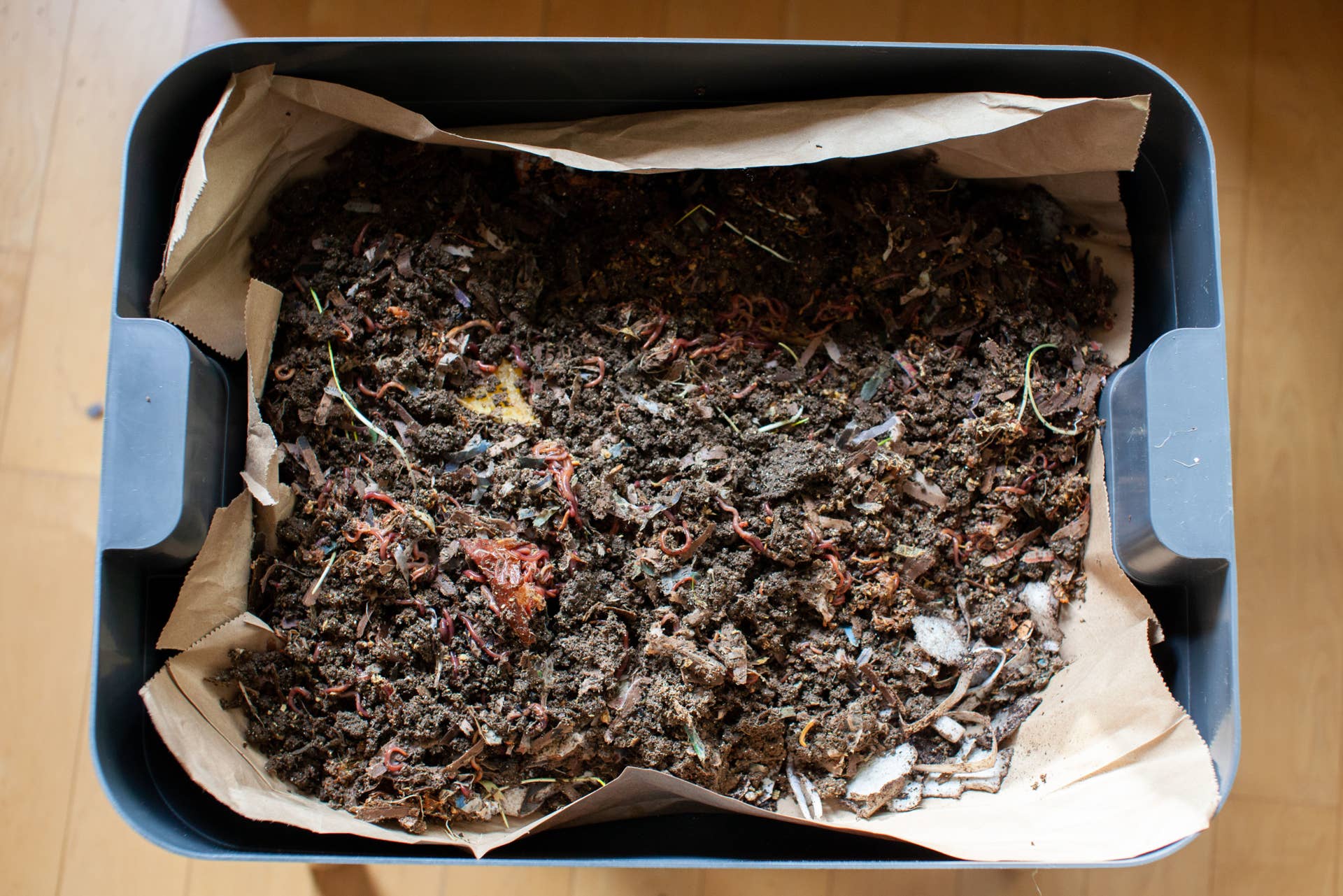
Worms need bedding to live and work. Good bedding materials include shredded paper, cardboard, and coconut coir.
These materials hold moisture and provide a cozy home for worms. Make sure to moisten the bedding before adding worms.
- Shredded paper is cost-effective
- Cardboard is readily available
- Coconut coir retains moisture well
Ideal Temperature And Moisture
Worms thrive in temperatures between 55°F and 77°F. Keep the bin in a shaded spot to maintain the right temperature.
Moisture is also important. The bedding should be as damp as a wrung-out sponge. Check the moisture level regularly.
- Keep bin out of direct sunlight
- Ensure proper ventilation
- Maintain consistent moisture levels
Credit: dengarden.com
Feeding Your Worms
Feeding your worms the right foods helps them stay healthy and active. Good food also speeds up composting.
Knowing what to feed your worms and how often keeps your compost bin fresh and odor-free.
Best Foods For Worms
Worms love soft, moist foods that break down easily. These foods give them the nutrients they need.
- Fruit scraps like apple peels and banana skins
- Vegetable scraps such as lettuce and carrot pieces
- Used tea bags and coffee grounds
- Crushed eggshells for calcium
- Shredded paper and cardboard (non-glossy)
Foods To Avoid
Some foods harm worms or slow composting. Avoid these to keep your bin healthy.
| Food | Reason to Avoid |
|---|---|
| Citrus fruits | Too acidic for worms |
| Meat and dairy | Cause bad odors and attract pests |
| Oily or greasy foods | Slow down decomposition |
| Spicy or salty foods | Harm worm health |
| Whole grains and bread | Can mold and smell bad |
Feeding Frequency
Feed worms small amounts often. This stops food from rotting too fast and keeps worms busy.
- Start by adding food once or twice a week.
- Check how fast worms eat and adjust the amount.
- Avoid overfeeding to prevent smells and pests.
- Mix food into bedding to help worms reach it easily.
Maintaining A Healthy Worm Bin
Keeping a worm bin healthy helps worms break down waste quickly. You get rich compost and avoid bad smells or pests.
This guide covers simple ways to control odors, stop pests, and manage worm numbers.
Controlling Odors
Worm bins can smell if not cared for. Good air flow and the right mix of food help reduce odors.
- Do not add too much food at once
- Cover fresh scraps with dry bedding like shredded paper
- Keep the bin moist but not wet
- Turn the bedding gently to add air
Preventing Pests
Pests like fruit flies and ants can invade worm bins. Prevent them by keeping the bin clean and sealed.
| Common Pest | How to Prevent |
| Fruit Flies | Cover food scraps and use tight lids |
| Ants | Keep bin moist and avoid sugary foods |
| Rodents | Use a sturdy bin and avoid meat or dairy |
Managing Worm Population
Too many or too few worms can cause problems. Watch your worm numbers and adjust food accordingly.
- Feed worms small amounts often
- Remove some worms if the bin gets crowded
- Add more bedding if worms seem stressed
- Keep the temperature stable for good worm health
Harvesting Worm Castings
Worm castings are a rich natural fertilizer made by worms breaking down organic waste. Harvesting these castings helps keep your compost bin healthy and boosts your garden’s growth.
Knowing when and how to harvest worm castings ensures you get the best quality for your plants. Let’s explore the signs, techniques, and uses of worm castings.
Signs It’s Time To Harvest
Worm castings are ready to harvest when they look dark, crumbly, and smell earthy. Your compost bin may slow down in breaking down new food waste.
Check for fewer visible worms and more castings on the surface. If the bin feels cooler than usual, it can mean the worms are less active.
- Dark, soil-like texture
- Earthy smell without strong odors
- Slower composting activity
- Less visible worms on the surface
- Cooler compost bin temperature
Harvesting Techniques
Move food scraps to one side of the bin. Wait a few days for worms to gather there. Then scoop castings from the empty side.
You can also spread the compost thin on a tarp under bright light. Worms will avoid light, so you can collect castings easily.
- Shift fresh food to one side
- Wait for worms to move
- Scoop castings from the other side
- Use light to separate worms from castings
- Handle gently to avoid harming worms
Using Worm Castings In Your Garden
Worm castings improve soil structure and add nutrients. Mix them into potting soil or sprinkle around plants to help them grow strong.
Castings can also be used to make a liquid fertilizer. Steep castings in water for a day, then use the water to feed your plants.
- Mix with soil for better texture
- Sprinkle on garden beds or pots
- Use as a top dressing for plants
- Make liquid fertilizer by soaking castings
- Apply regularly for healthy plants
Troubleshooting Common Issues
Adding worms to your compost bin can speed up the breakdown of waste. Sometimes, problems occur that affect the worms or the compost quality. This guide helps you fix common issues in your worm compost bin.
Check each section below to understand what might be wrong and how to solve it. Proper care will keep your worms healthy and your compost fresh.
Worms Dying Or Escaping
Worms may die or leave the bin if their environment is not right. Common causes include too much heat, lack of food, or poor air flow.
- Keep the bin in a cool place, away from direct sunlight.
- Feed worms regularly but avoid overfeeding.
- Ensure proper ventilation in the bin.
- Check for harmful chemicals or cleaners in the compost.
Bin Too Wet Or Dry
The right moisture level helps worms survive and break down waste. Too much water can drown worms. Too little water makes the bin dry and slows composting.
| Problem | Signs | Fixes |
| Too Wet | Smelly, soggy, worms escaping | Add dry bedding like shredded paper. Remove excess liquid. |
| Too Dry | Dry, crumbly compost, slow worm activity | Spray water lightly. Mix to spread moisture evenly. |
Unpleasant Smells
Bad odors come from poor bin care. Smells mean the compost is too wet or lacks air. Rotten food can also cause smells.
- Turn the compost to add air.
- Remove any spoiled or excess food waste.
- Keep moisture balanced.
- Add dry materials like leaves or paper to absorb smells.

Credit: www.reddit.com
Frequently Asked Questions
Can I Add Worms To Any Compost Bin?
Yes, you can add worms to most compost bins. Red wigglers are ideal as they thrive in decomposing organic matter and speed up composting.
What Types Of Worms Are Best For Composting?
Red wigglers (Eisenia fetida) are the best worms for composting. They efficiently break down food scraps and organic waste into nutrient-rich compost.
Will Worms Survive In A Traditional Compost Bin?
Worms may struggle in traditional compost bins due to heat and lack of moisture. Worm bins or vermicomposters are better suited for their survival.
How Do Worms Help In The Composting Process?
Worms consume organic waste and excrete nutrient-rich castings. This speeds decomposition and improves soil quality, making compost healthier and more fertile.
Conclusion
Worms help break down food and make compost richer. They speed up the process and keep the bin healthy. Adding worms is simple and helps reduce waste. Keep the bin moist and feed worms regularly. Watch your compost turn into dark, nutrient soil faster.
Worms are a natural way to improve your garden. Give it a try and see the difference yourself.