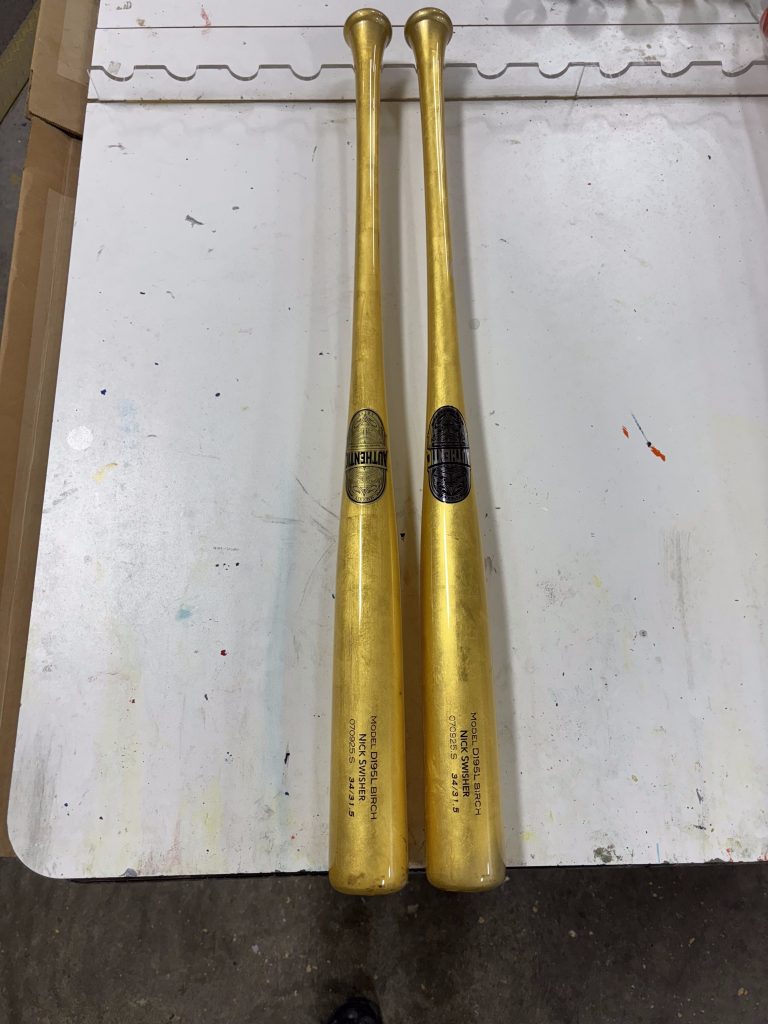
Have you ever wondered why baseball bats cost so much? If you’re serious about the game, you know a good bat can make all the difference.
But when you see the prices, it’s easy to ask—what makes these bats so expensive? The answer isn’t just about the brand or style. It’s about the materials, craftsmanship, and technology that go into each swing. Keep reading, and you’ll discover the surprising reasons behind those high price tags—and how choosing the right bat can improve your game.

Credit: www.youtube.com
Materials Behind The Cost
Baseball bats can be expensive because of the materials used to make them. The type and quality of these materials affect the price a lot.
Different materials give bats strength, durability, and performance. These factors make some bats cost more than others.
Wood Types And Quality
Wooden bats use different types of wood. Some woods are harder and last longer. Hardwoods like maple and ash are common.
High-quality wood has fewer knots and cracks. This wood is stronger and gives better hits. That quality raises the cost.
- Maple wood is dense and strong
- Ash wood is light and flexible
- Birch combines strength and flexibility
- Quality wood has fewer defects
Advanced Composite Materials
Composite bats use materials like carbon fiber and fiberglass. These materials make bats lighter and stronger.
Making composite bats needs special technology and tools. This process adds to the price of the bat.
- Carbon fiber offers high strength
- Fiberglass adds flexibility
- Composite layers improve durability
- Advanced design improves performance
Impact Of Material Sourcing
Getting good materials can cost more. Some woods grow in specific areas and are rare. This makes them pricier.
Composite materials also depend on suppliers. If materials are hard to find, the price goes up. Shipping and handling add extra cost.
- Rare woods cost more
- Materials from far places increase price
- Quality checks raise costs
- Ethical sourcing can add expenses

Credit: newatlas.com
Manufacturing Process
Baseball bats are more than just tools. They are crafted with care and precision. This attention to detail makes them expensive.
The process to make a bat involves several steps. Each step ensures the bat is high quality and safe to use.
Precision Crafting Techniques
Crafting a baseball bat needs skill and precision. Each bat must be perfectly shaped for balance and strength.
Wood is carefully selected and shaped. The bat’s weight and length must be exact.
- Wood is chosen for its quality
- Each bat is shaped for balance
- Weight and length are measured precisely
Handmade Vs. Machine-made
Some bats are made by hand, others by machines. Handmade bats are often more expensive.
Handmade bats require skilled artisans. Machines can make many bats quickly, but lack the personal touch.
| Handmade | Machine-Made |
| Crafted by skilled artisans | Produced quickly by machines |
| High attention to detail | Consistent output |
Quality Control Standards
Every bat must meet strict quality standards. Quality checks ensure each bat is safe and performs well.
Inspectors check for flaws like cracks or uneven weight. Only bats that pass all tests are sold.
- Inspectors look for cracks
- Weight is measured for consistency
- Only perfect bats pass quality checks
Technology And Innovation
Baseball bats have changed a lot over the years. New technology makes them better and more costly.
These improvements help players hit harder and play safer. The price reflects the work behind these changes.
Performance Enhancing Features
Bats today have features that improve speed and control. These include better grip, weight balance, and vibration reduction.
- Lightweight materials for faster swings
- Advanced grips to reduce slipping
- Shock absorbers to lessen hand vibrations
- Optimized barrel design for better contact
Design And Engineering Advances
Engineers use computer models to design bats. They test shapes and materials to find the best fit for players.
| Design Element | Purpose |
| Barrel Shape | Maximize hitting area |
| Material Mix | Balance weight and strength |
| Handle Design | Improve grip comfort |
| Internal Structure | Reduce vibrations |
Research And Development Costs
Making better bats means spending on research and testing. Companies hire experts and use labs to study materials and design.
- Prototype creation and trials
- Material testing for durability
- Player feedback and adjustments
- Compliance with sports rules

Credit: authenticbats.com
Brand Influence And Marketing
Baseball bats cost more because of how brands affect their price. The name on the bat can change its value a lot. Marketing makes some bats seem better or more desirable.
Companies spend a lot of money to promote their bats. This helps them stand out and charge higher prices. Let’s look at how branding and marketing add to the cost.
Premium Branding Effects
Top brands use high-quality materials and design. Buyers pay more for the brand’s reputation and style. A well-known brand can demand higher prices even for similar products.
- Brand history builds trust
- Exclusive designs attract buyers
- Quality control increases production cost
- Brand loyalty keeps customers returning
Sponsorship And Endorsements
Big brands pay athletes to use their bats. These deals raise the bat’s image and price. Fans want the same bat their favorite player uses.
| Type | Marketing Impact |
| Celebrity Endorsement | Increases demand and price |
| Team Sponsorship | Boosts brand visibility |
| Event Sponsorship | Builds brand credibility |
Advertising Expenses
Advertising costs add to bat prices. Brands spend on TV, online ads, and stores. These costs pay for showing the bat to many people.
- Television commercials
- Social media campaigns
- Sports magazines and websites
- In-store displays and promotions
Market Demand And Supply
Baseball bats cost a lot because of how many people want them and how many are made. When demand is high but supply is low, prices go up.
Manufacturers must balance making enough bats without wasting materials. This affects the price players pay.
Consumer Preferences
People want bats that feel right and improve their play. They choose bats by size, weight, and material.
Popular styles and brands have higher demand. This pushes prices higher because more people want them.
- Wood type affects bat feel and price
- Younger players prefer lighter bats
- Professionals choose custom fits
Limited Editions And Custom Bats
Limited edition bats cost more because only a few are made. They are special and often collectable.
Custom bats take extra work to build. Makers shape and design them for one player, raising the price.
- Unique designs add value
- Personalized bats are rare
- Limited runs create exclusivity
Economic Factors Affecting Prices
Wood and metal costs change with the economy. When raw materials cost more, bat prices rise.
Labor and shipping costs also add to the price. If wages or fuel costs increase, bats become more expensive.
- Material prices vary yearly
- Labor costs depend on location
- Transportation affects final cost
Durability And Longevity
Baseball bats cost a lot because they last a long time. The materials and design make them strong.
Good bats can handle many hits without breaking or losing performance.
Bat Lifespan Expectations
Most bats have a lifespan based on how often you play and the bat type. Wood bats wear out faster than metal or composite ones.
Metal and composite bats can last for hundreds of hits if cared for well. This longer use adds to the price.
Warranty And Replacement Policies
Many bats come with a warranty that covers cracks or defects. Warranties help protect your investment.
Some brands offer replacement if the bat breaks early. This service adds to the cost but gives peace of mind.
Frequently Asked Questions
Why Do Baseball Bats Cost More Than Other Sports Gear?
Baseball bats require high-quality materials and precise craftsmanship. This raises production costs compared to simpler sports equipment, making bats more expensive.
How Does Bat Material Affect Baseball Bat Prices?
Wood, aluminum, and composite materials impact price. Premium woods and advanced composites cost more due to durability and performance benefits.
Does Bat Manufacturing Process Influence Its Price?
Yes, detailed craftsmanship and quality control increase production time and cost. Handmade or specialized bats cost more than mass-produced ones.
Why Are Professional-grade Baseball Bats More Expensive?
Professional bats use superior materials and technology. They provide better performance and durability, justifying a higher price for serious players.
Conclusion
Baseball bats cost a lot because of the materials and work involved. Quality wood or metal must be strong and light. Skilled workers shape and test each bat carefully. Technology also adds to the price. Players want bats that last and perform well.
Choosing the right bat matters for better play. Spending more means better feel and durability. Remember, a good bat supports your skills on the field. The price reflects the care and quality inside every bat.