Are you tired of stubborn grass creeping into your garden beds? You might have heard that landscaping fabric can stop grass from growing, but does it really kill it?
If you want a clear answer and practical advice to keep your yard looking neat without endless weeding, you’re in the right place. Keep reading to discover how landscaping fabric works, whether it’s the best solution for your grass problem, and what you need to know before using it in your yard.
Your dream garden starts here.
How Landscaping Fabric Works
Landscaping fabric is a tool used in gardening and yard care. It helps control weeds and manage soil moisture.
This fabric acts as a barrier under mulch or soil. It lets water and air pass through but blocks sunlight from reaching weeds.
Material And Design
Landscaping fabric is made from woven or non-woven materials. These materials include polypropylene or polyester fibers.
- Woven fabric has a grid-like pattern for strength.
- Non-woven fabric feels like felt and is softer.
- Both types allow water and air to flow through.
- They block sunlight that weeds need to grow.
Purpose In Gardening
| Purpose | How It Helps |
| Weed Control | Blocks sunlight to stop weed growth |
| Soil Moisture | Lets water pass but reduces evaporation |
| Soil Temperature | Keeps soil cooler in summer and warmer in winter |
| Soil Erosion | Holds soil in place on slopes and hills |
Impact On Grass Growth
Landscaping fabric is often used to control weeds and manage soil. It can affect the grass growing nearby. Understanding how it impacts grass helps in making better gardening choices.
This article looks at how landscaping fabric affects grass roots, light, and water needed for growth.
Effect On Grass Roots
Landscaping fabric can block roots from spreading naturally. Grass roots need space to grow deep and strong. When fabric covers the soil, roots may stay shallow.
- Roots may grow on top of the fabric instead of into the soil.
- Shallow roots make grass less stable and weaker.
- Root growth slows down because of limited soil contact.
Light And Water Penetration
Grass needs sunlight and water to survive. Landscaping fabric can reduce how much light and water reach the grass below.
| Factor | Impact |
| Light | Fabric blocks sunlight, lowering photosynthesis |
| Water | Water may drain slowly or be blocked |
| Air | Less air reaches roots, causing poor growth |
Situations When Grass Dies
Landscaping fabric is often used to prevent weed growth. But it can also harm grass if not used properly. Understanding these situations can help maintain a healthy lawn.
Knowing when and how landscaping fabric affects grass is crucial. Let’s explore the reasons why grass might die when fabric is used.
Improper Installation
Improper installation of landscaping fabric can lead to grass death. If the fabric is laid directly on top of grass, it blocks sunlight and air.
Grass needs sunlight and air to survive. Without these, grass will eventually die off, leaving unsightly patches.
- Ensure fabric is installed below the grass level
- Check that the edges are secure and not covering grass
- Monitor grass health regularly after installation
Duration Of Fabric Use
Long-term use of landscaping fabric can harm grass. Over time, soil beneath the fabric may compact and lose nutrients.
Grass may not get the nutrients it needs from the soil. This can lead to poor growth or death of the grass.
| Duration of Use | Impact on Grass |
| Less than 6 months | Minimal impact |
| 6 months to 1 year | Possible nutrient loss |
| Over 1 year | High risk of grass death |
Credit: www.vevor.ca
Benefits Of Landscaping Fabric
Landscaping fabric offers many benefits for gardens and yards. It helps keep your outdoor space neat and healthy.
This fabric works by creating a barrier between soil and plants. It supports plant growth while reducing maintenance.
Weed Control
One main benefit of landscaping fabric is stopping weeds from growing. It blocks sunlight that weeds need to start growing.
- Prevents weed seeds from sprouting
- Reduces the need for chemical herbicides
- Makes garden care easier and less time-consuming
- Keeps flower beds and pathways clean
Soil Moisture Retention
Landscaping fabric helps soil keep water longer. This means plants get steady moisture for better growth.
| Benefit | How It Helps |
| Reduces water evaporation | Soil stays moist longer between watering |
| Improves plant health | Consistent moisture supports roots |
| Decreases watering frequency | Saves time and water resources |
Alternatives To Landscaping Fabric
Landscaping fabric can stop grass but may also harm soil health. Many people want other options to control weeds without hurting grass or plants.
Here are two natural ways to reduce weeds and keep your garden healthy without using fabric.
Organic Mulches
Organic mulches are materials like wood chips or leaves spread on soil. They block light, so weeds grow less. Mulch also keeps soil moist and adds nutrients as it breaks down.
Using organic mulch helps grass and plants stay healthy while stopping weeds naturally.
- Wood chips
- Straw
- Grass clippings
- Leaves
- Compost
Natural Weed Barriers
Natural weed barriers include materials that stop weeds but let water and air reach the soil. These barriers are made from biodegradable fabrics or thick layers of cardboard or newspaper.
They break down over time, improving soil without hurting grass or plants.
- Biodegradable fabric made from coconut fiber or jute
- Layers of cardboard
- Thick newspaper sheets
Credit: www.leisurelandscapes.com
Tips For Using Fabric Without Killing Grass
Landscaping fabric helps control weeds and soil erosion. But if placed wrong, it can kill grass underneath.
You can use fabric carefully to protect grass and keep your yard healthy. Follow these tips for best results.
Proper Placement
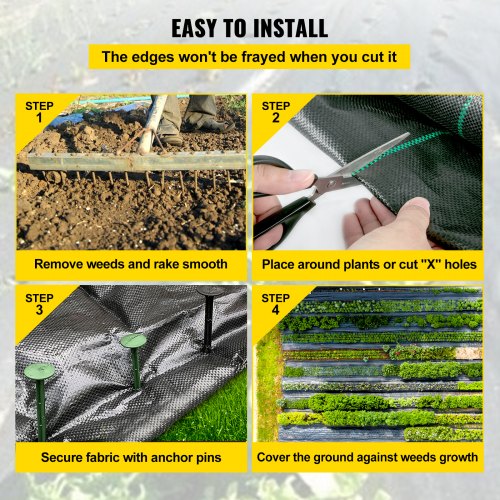
Place landscaping fabric only where grass is not growing or where you want to stop grass growth. Avoid covering healthy grass directly.
Cut the fabric around existing grass and plant beds. This lets grass get sunlight and air, which it needs to survive.
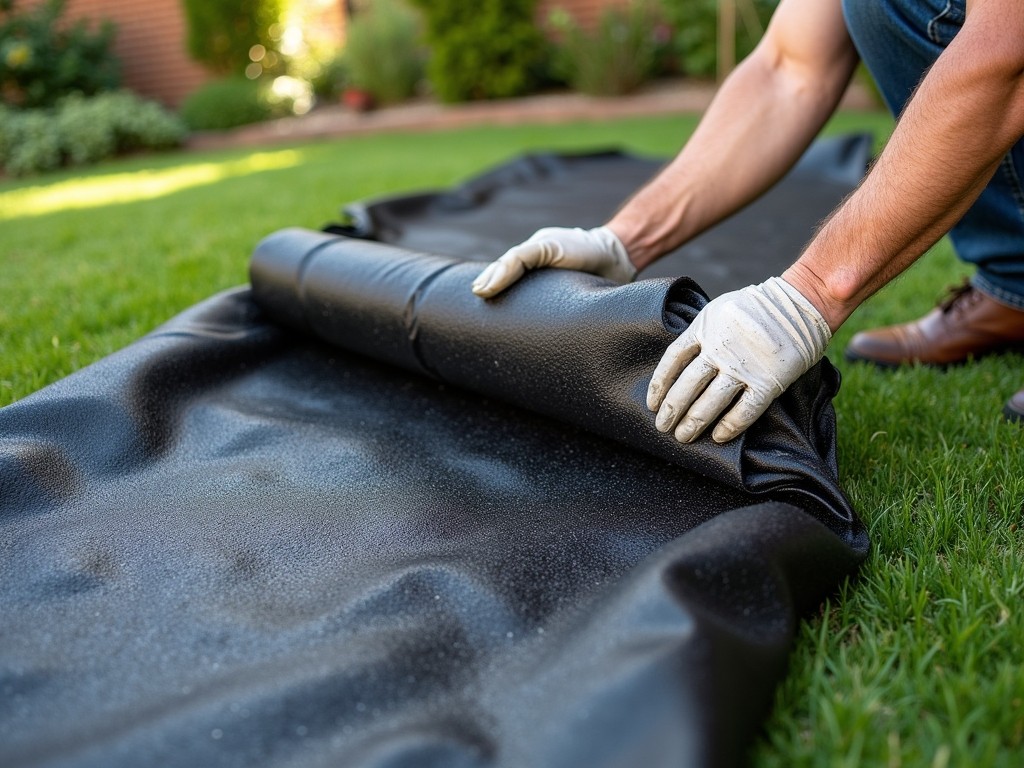
- Lay fabric on bare soil or under mulch
- Leave gaps around grass patches
- Use pins or staples to secure fabric without harming grass
Maintenance Practices
Keep checking the fabric area regularly. Remove any dirt or debris that blocks sunlight from reaching grass.
Water the grass around the fabric well. Proper watering helps grass stay healthy and strong.
- Inspect fabric for tears or gaps
- Clear leaves and debris often
- Water grass near fabric deeply and regularly

Credit: www.heirloomsoul.com
Frequently Asked Questions
Will Landscaping Fabric Completely Kill Grass Underneath?
Landscaping fabric blocks sunlight and air, which grass needs to survive. Over time, grass beneath the fabric will die due to lack of resources. However, some grass may persist if the fabric is not tightly secured or if gaps allow light and water through.
How Long Does Landscaping Fabric Take To Kill Grass?
Landscaping fabric typically kills grass within a few months. The exact time varies based on grass type, fabric quality, and installation method. Usually, grass starts dying within 4 to 6 weeks and is fully dead after 3 to 6 months under the fabric.
Can Grass Grow Through Landscaping Fabric?
Grass can sometimes grow through low-quality or damaged landscaping fabric. Weeds and grass may penetrate if the fabric is thin or torn. Using high-quality, tightly woven fabric reduces this risk and helps prevent unwanted grass growth beneath or through the material.
Is Landscaping Fabric Safe For Garden Soil?
Yes, landscaping fabric is generally safe for garden soil. It allows water and air to penetrate while suppressing weeds and grass growth. However, it can affect soil microorganisms if left long-term, so periodic removal or replacement is recommended for optimal soil health.
Conclusion
Landscaping fabric can stop grass from growing under it. It blocks sunlight and air, which grass needs. Over time, grass under the fabric will die. But some strong grass may still grow through holes or edges. Proper installation helps the fabric work well.
Choose the right fabric for your garden needs. Remember, fabric is not a quick fix but a long-term tool. Use it carefully to control unwanted grass. This way, your garden stays neat and healthy.