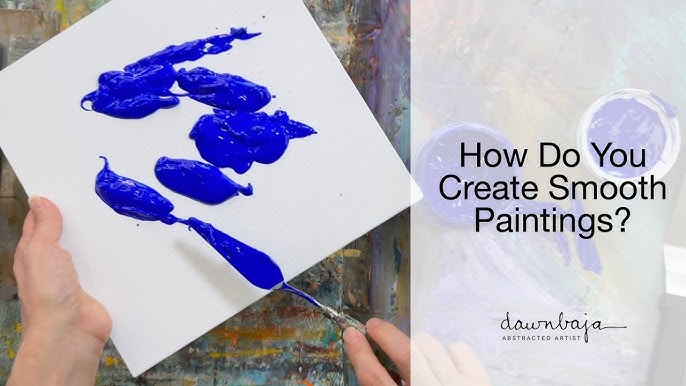
Have you ever wondered if you can use a trowel to paint? It sounds unusual, right?
But what if this simple tool could change the way you approach your next painting project? Whether you’re aiming for a unique texture or just want to try something different, understanding how a trowel works with paint could open up new creative possibilities for you.
Keep reading, and you’ll discover the surprising benefits, tips, and tricks that could make your painting experience easier and more exciting than ever before. Don’t miss out on learning how this handy tool might become your new favorite!

Credit: francoisetmoi.com
Trowel Basics
A trowel is a small hand tool used for spreading, shaping, or smoothing materials. It is common in masonry, gardening, and sometimes in painting tasks.
Understanding the different types and materials of trowels helps you choose the right one for your work. This guide covers the basics to get started.
Types Of Trowels
Trowels come in various shapes and sizes. Each type serves a specific purpose in construction or crafts.
- Pointed Trowel:Used for digging small holes and mixing mortar.
- Flat Trowel:Ideal for smoothing surfaces and applying plaster.
- Margin Trowel:Designed for tight corners and edges.
- Notched Trowel:Has serrated edges for spreading adhesives evenly.
- Brick Trowel:A larger trowel used to spread mortar between bricks.
Materials And Design
Trowels differ in the materials used for the blade and handle. These affect durability and comfort.
| Material | Description | Benefits |
| Steel | Strong metal used for blades | Durable and resists bending |
| Plastic | Lightweight blade option | Good for light work and easy cleaning |
| Wood | Traditional handle material | Comfortable grip but may wear over time |
| Rubber | Modern handle material | Non-slip and comfortable for long use |
Using A Trowel For Painting
A trowel is usually a tool for spreading plaster or cement. Some people use it to apply paint for special effects. Using a trowel for painting can create texture and a unique look on walls.
This method works best for certain types of paint and surfaces. It is not common for smooth or detailed work. Learning when and how to use a trowel helps get the best result.
When To Choose A Trowel
Choose a trowel if you want to add texture or a rustic finish. It works well on rough walls or ceilings. Use it with thick paints or plaster-like materials.
- For textured or decorative painting
- When applying thick paint or plaster
- On rough or uneven surfaces
- To cover large, flat areas quickly
- When a smooth finish is not needed
Techniques For Application
Use a trowel with firm but gentle pressure. Spread the paint evenly with wide strokes. You can create patterns by changing the angle or direction.
| Technique | Description |
|---|---|
| Flat Spread | Apply paint evenly over the surface for a smooth texture. |
| Swirling | Move the trowel in circles to create wave-like patterns. |
| Stippling | Tap the trowel lightly to add small dots of texture. |
| Layering | Apply multiple layers for depth and varied texture. |
Advantages Of Trowel Painting
Trowel painting offers unique benefits for your painting projects. It is a great way to add texture and style to any surface.
Using a trowel can make your work more efficient and cover large areas effectively.
Texture And Finish
Trowel painting can create different textures. It can give your walls a unique and artistic look.
- Smooth finish for a modern look
- Rough texture for a rustic feel
- Custom patterns for personalized designs
Efficiency And Coverage
A trowel allows for quick application of paint. It covers large surfaces faster than brushes or rollers.
| Tool | Coverage Efficiency |
| Trowel | High |
| Brush | Medium |
| Roller | Low |
Common Challenges
Using a trowel to paint can bring several challenges. It is not a typical tool for painting walls or furniture. You might face problems that affect the final look.
Understanding these issues helps you avoid mistakes. The two main challenges are uneven layers and cleaning the tool properly.
Avoiding Uneven Layers
Applying paint with a trowel can cause thick or thin spots. These uneven layers make the surface look rough and messy.
- Use smooth, steady strokes to spread the paint evenly.
- Do not overload the trowel with paint at once.
- Work in small sections to keep control over the paint thickness.
- Check the surface often and fix any thick spots quickly.
- Practice using the trowel on scrap material before starting your project.
Cleaning And Maintenance
Cleaning a trowel after painting is important to keep it in good shape. Paint left on the trowel can dry and ruin its surface.
| Cleaning Step | Tip | Reason |
| Remove Excess Paint | Use a cloth or paper towel | Prevents paint from hardening |
| Wash with Soap and Water | Use warm water and mild soap | Keeps the trowel clean and smooth |
| Dry Thoroughly | Wipe with a dry cloth | Prevents rust and damage |
| Store Properly | Keep in a dry place | Extends the trowel’s life |
Expert Tips
Using a trowel to paint is an unusual but creative way to add texture. It can create unique effects on walls or art pieces. This guide shares tips to help you use a trowel for painting.
Learn how to pick the right paint, apply it correctly, and stay safe during your project.
Selecting The Right Paint
Choose paint that works well with a trowel. Thick paints like acrylic or plaster paint are best. Thin paint will drip and not hold shape.
Look for paint that dries slowly. This gives you time to work with the trowel and create patterns.
- Acrylic paint with thick consistency
- Textured or plaster paint for walls
- Paint that dries slowly for better shaping
Mastering The Stroke
Hold the trowel firmly but comfortably. Use smooth, even strokes to spread the paint. Avoid pressing too hard to keep texture.
Practice on a test surface first. Try different angles and speeds to see what patterns you like best.
- Hold trowel at a 30-45 degree angle
- Use long, smooth strokes
- Apply light pressure for texture
- Practice on scrap material before painting walls
Safety Precautions
Wear gloves to protect your hands from paint and rough edges on the trowel. Use old clothes or a paint apron to avoid stains.
Work in a well-ventilated area. Clean the trowel carefully after use to avoid rust and damage.
- Wear protective gloves
- Use old clothes or apron
- Work in a ventilated space
- Clean tools immediately after painting

Credit: www.youtube.com
Creative Uses
A trowel is usually for spreading cement or plaster. But it can be used in painting too. This tool adds unique texture and style to your artwork.
Using a trowel lets you try new ways to decorate surfaces. It works well for large areas and thick paint layers. It can create interesting effects that brushes cannot.
Decorative Effects
With a trowel, you can create thick, raised patterns on your canvas or wall. The tool’s flat blade helps spread paint in bold strokes. You can scrape or dab paint for different looks.
- Make thick swirls and waves with heavy paint.
- Use the edge for sharp lines and angles.
- Create rough textures by tapping the blade on paint.
- Layer colors by spreading one over another with a trowel.
- Remove paint in some areas to reveal the base layer.
Mixing Media
A trowel is great for mixing different materials. You can blend paint with plaster, sand, or glue. This adds depth and texture that regular paint does not have.
| Media | Effect | Tips |
| Paint + Plaster | Thick, textured surface | Mix well before spreading |
| Paint + Sand | Grainy, rough finish | Use coarse sand for more texture |
| Paint + Glue | Glossy, raised layers | Apply in thin coats to dry fast |
| Paint + Paper bits | Collage with texture | Press firmly with trowel to stick |

Credit: www.youtube.com
Frequently Asked Questions
Can You Use A Trowel To Paint Walls?
Yes, you can use a trowel to apply paint, especially textured or thick coatings. It creates unique patterns but is less precise than brushes or rollers.
Is A Trowel Better Than A Brush For Painting?
A trowel offers a different texture and coverage but is not better for detailed or smooth finishes. Brushes work best for precision and smooth coats.
What Types Of Paint Work With A Trowel?
Thick paints, stucco, plaster, and textured coatings work well with a trowel. Thin, liquid paints are harder to spread evenly using a trowel.
How Do You Clean A Trowel After Painting?
Clean the trowel immediately after use with warm water and soap. Remove all paint to prevent hardening and maintain tool longevity.
Conclusion
A trowel is not the best tool for painting walls or furniture. It can spread paint unevenly and create a rough texture. Brushes and rollers work much better for smooth, clean finishes. Still, a trowel can help with special effects or thick materials like plaster.
Choose the right tool for the job to get the best results. Painting becomes easier and looks nicer when you use the proper tools. Keep this in mind before you start your next painting project.