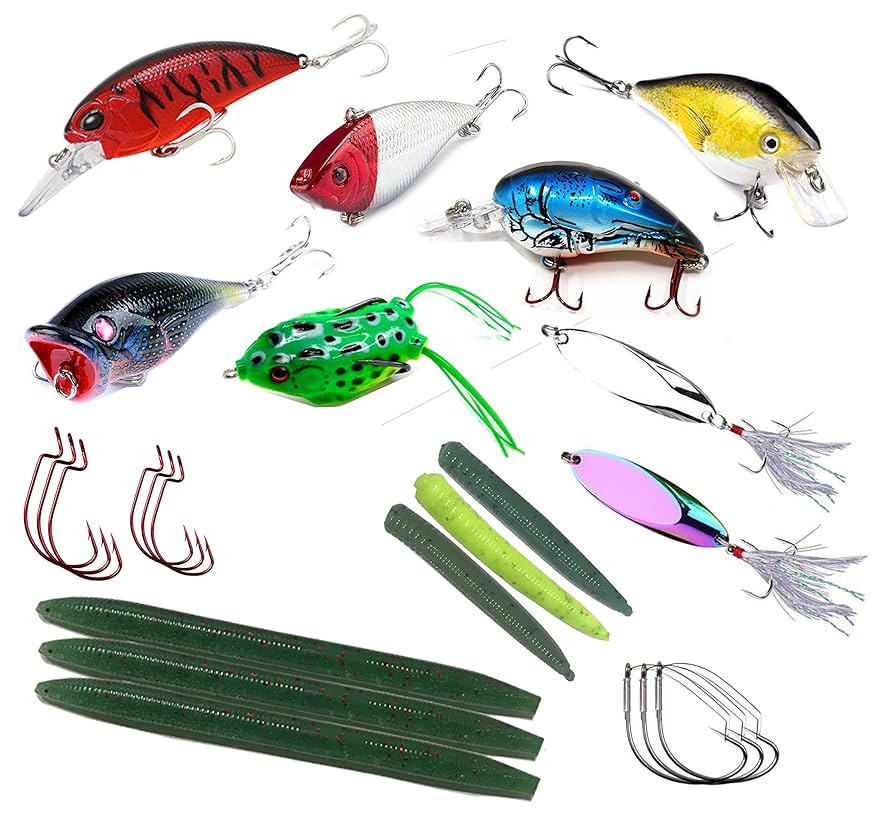
If you want to catch more bass, choosing the right lure can make all the difference. You might have the perfect spot and the best gear, but without the right bait, your chances drop fast.
So, what lures should you use to attract bass every time you cast? This guide will help you discover the top lures that work best, whether you’re fishing in clear water, murky lakes, or shallow streams. Keep reading, and you’ll learn how to match your lure to the bass’s mood and environment—making your next fishing trip a real success.
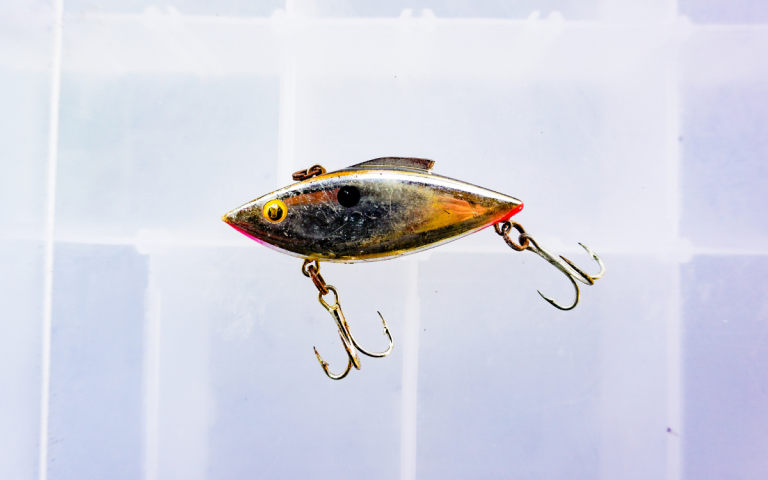
Credit: www.outdoorlife.com
Best Lures For Bass
Bass fishing is popular because these fish bite many types of lures. Choosing the right lure helps you catch more bass. Different lures work best in different water and weather conditions.
Here are some of the best lures for bass fishing. Each lure has its own style and use. Knowing how to use them can improve your fishing experience.
Crankbaits
Crankbaits are hard lures that dive underwater. They have a lip that makes them swim with a wobbling motion. Bass often strike crankbaits because they look like small fish. These lures work well in deeper water and near rocks or wood.
Spinnerbaits
Spinnerbaits have metal blades that spin and flash in the water. This motion attracts bass by mimicking small prey. They work well in murky water or around vegetation. Spinnerbaits are good for covering large areas quickly.
Jigs
Jigs are heavy lures with a weighted head and a hook. You can add soft plastic trailers to make them more attractive. Bass like jigs because they can be fished slowly near the bottom. Jigs work well in cold water or around heavy cover.
- Use a football jig for rocky bottoms
- Try a flipping jig for dense weeds
- Add a crawfish trailer for more action
Soft Plastic Baits
Soft plastic baits come in many shapes like worms, lizards, and creatures. They feel natural to bass and can be rigged many ways. These baits work well in clear water and around structures. You can fish them slowly or with small twitches.
| Type | Best Use | Rig Style |
| Worm | Clear water, open areas | Texas rig, wacky rig |
| Lizard | Heavy cover | Texas rig |
| Creature bait | Rocky or woody spots | Jig trailer, Carolina rig |
Topwater Lures
Topwater lures float on the surface and make noise or splashes. Bass strike these lures when feeding near the top. They are exciting to use because you see the fish hit. Use them in the early morning or late evening for best results.
Popular topwater lures include:
- Poppers – create splashes when jerked
- Frogs – mimic frogs on the water surface
- Walk-the-dog lures – move side to side
Choosing Lures By Season
Bass fishing success depends on using the right lure for the time of year. Fish behavior changes with the seasons. Choosing the right lure helps catch more bass.
Each season offers different water temperatures and bass activity. Knowing which lures work best in spring, summer, fall, and winter can improve your fishing trips.
Spring Lures
In spring, bass move to shallow waters to spawn. Use lures that mimic small prey and trigger strikes. Fast retrieves can work well during this active time.
Soft plastics, spinnerbaits, and crankbaits are great choices. Bright colors help bass find your lure in murky water.
- Soft plastic worms and crawfish imitations
- Spinnerbaits with silver or chartreuse blades
- Shallow-running crankbaits in bright colors
Summer Lures
Summer bass stay in deeper, cooler water during the heat. Use lures that reach these depths slowly. Slow-moving baits attract bass resting in the shade.
Jigs, deep-diving crankbaits, and topwater lures work well. Natural colors match the summer prey.
- Jigs with soft plastic trailers
- Deep-diving crankbaits in green or brown shades
- Topwater frogs for early morning or late evening
Fall Lures
In fall, bass feed heavily before winter. Use lures that imitate baitfish and slow prey. Medium to fast retrieves work as bass chase food.
Crankbaits, jerkbaits, and spinnerbaits are effective. Use shiny colors to reflect light and attract attention.
- Medium-diving crankbaits with silver or gold finishes
- Jerkbaits that mimic injured baitfish
- Spinnerbaits with white or silver skirts
Winter Lures
Bass slow down in cold water and eat less. Use small, slow-moving lures to match their low energy. Focus on subtle action to entice bites.
Small jigs, soft plastics, and suspending jerkbaits work well. Stick to natural, muted colors for a subtle approach.
- Small jig heads with soft plastic tubes or grubs
- Suspending jerkbaits in brown or gray tones
- Slow-moving soft plastic worms
Matching Lure Color To Water Conditions
Choosing the right lure color is key in bass fishing. The color affects how fish see and respond to the lure. Different water conditions require different lure colors for the best results.
Understanding water clarity helps in picking the best lure color. Let’s explore which colors work best in clear, murky, and stained waters.
Clear Water Colors
In clear water, visibility is high. Natural and subtle colors work best. Use colors that resemble the fish’s natural prey.
- Green pumpkin
- Watermelon
- Shad patterns
Murky Water Colors
Murky water reduces visibility. Bright and bold colors help the fish notice the lure. These colors create contrast in the water.
- Chartreuse
- Orange
- Black
Stained Water Colors
Stained water is between clear and murky. Use bright colors with a hint of natural tones. This attracts bass effectively.
- Junebug
- Red
- Bluegill patterns

Credit: www.amazon.com
Techniques For Using Bass Lures
Using the right techniques can help catch more bass with your lures. Different ways of moving the lure attract bass in various situations.
Changing how fast or slow you retrieve the lure, how deep it goes, and how you present it can make a big difference in fishing success.
Retrieval Speeds
Retrieval speed means how fast you pull the lure back through the water. Bass react differently to fast and slow movements.
Slow speeds work well in cold water or when bass are less active. Fast speeds can trigger bites from aggressive bass.
- Slow retrieval: Use for deep or cold water bass
- Medium retrieval: Good for normal conditions
- Fast retrieval: Use to provoke strikes from active bass
Depth Control
Controlling the lure depth helps reach bass at different water levels. Some lures dive deep, others float near the surface.
Adjust your cast and retrieval to keep the lure where bass are hiding. Use weights or sinkers to reach deeper spots if needed.
- Topwater lures: Stay on the surface for active bass
- Crankbaits: Dive to mid-depth or deep areas
- Soft plastics: Can be fished at various depths with weights
Presentation Styles
Presentation style is how you move and show the lure to bass. Different styles can imitate injured or fleeing prey.
Try different actions like twitching, pausing, or steady pulls to see what attracts bass best that day.
- Steady retrieve: Smooth and consistent movement
- Twitch and pause: Small jerks with stops to mimic injured bait
- Stop and go: Retrieve in bursts with pauses to catch attention
Tips For Increasing Bass Catch Rates
Using the right lures can help catch more bass. Knowing how bass behave makes fishing easier.
Weather and technology also affect your success. Learn how to adjust your tactics for better results.
Reading Bass Behavior
Bass move based on food and water temperature. Watch where they stay during the day.
Look for signs like jumping fish or water ripples. These show where bass are feeding.
- Bass hide near cover like logs and weeds
- They often stay close to drop-offs or shallow areas
- Fishing early morning or late evening can be best
Adjusting To Weather Changes
Bass behavior changes with the weather. On hot days, bass stay deep and slow.
Cool or cloudy days make bass more active near the surface. Rain can also increase feeding.
- Use slow-moving lures on hot, calm days
- Try fast lures when it is windy or cloudy
- After rain, fish near inlets or fresh water spots
Using Electronics To Find Bass
Fish finders help locate bass quickly. They show underwater structures and fish schools.
Use electronics to check water depth and temperature. This helps pick the right lure and spot.
- Scan different depths to find bass layers
- Look for underwater plants or rocks where bass hide
- Mark good spots for future fishing trips

Credit: mysterytacklebox.com
Frequently Asked Questions
What Are The Best Lures For Bass Fishing?
The best lures for bass include plastic worms, crankbaits, spinnerbaits, and jigs. These mimic natural prey and attract bass effectively.
How Do Crankbaits Help In Bass Fishing?
Crankbaits dive and wobble, imitating injured fish. They trigger bass to strike aggressively, especially in deeper waters.
When Should I Use Spinnerbaits For Bass?
Use spinnerbaits in murky water or low light. Their flash and vibration attract bass by stimulating their lateral line.
Are Plastic Worms Effective For Bass Fishing?
Yes, plastic worms are versatile and effective. They work well in various conditions, especially when rigged slowly near cover.
Conclusion
Choosing the right lure can boost your bass fishing success. Soft plastics, crankbaits, and spinnerbaits each have their strengths. Match your lure to the water and weather conditions. Experimenting helps find what bass prefer that day. Keep your tackle box ready with a variety of lures.
Patience and practice improve your fishing skills. Enjoy the calm and thrill of catching bass. Every cast is a chance to learn something new. Happy fishing!