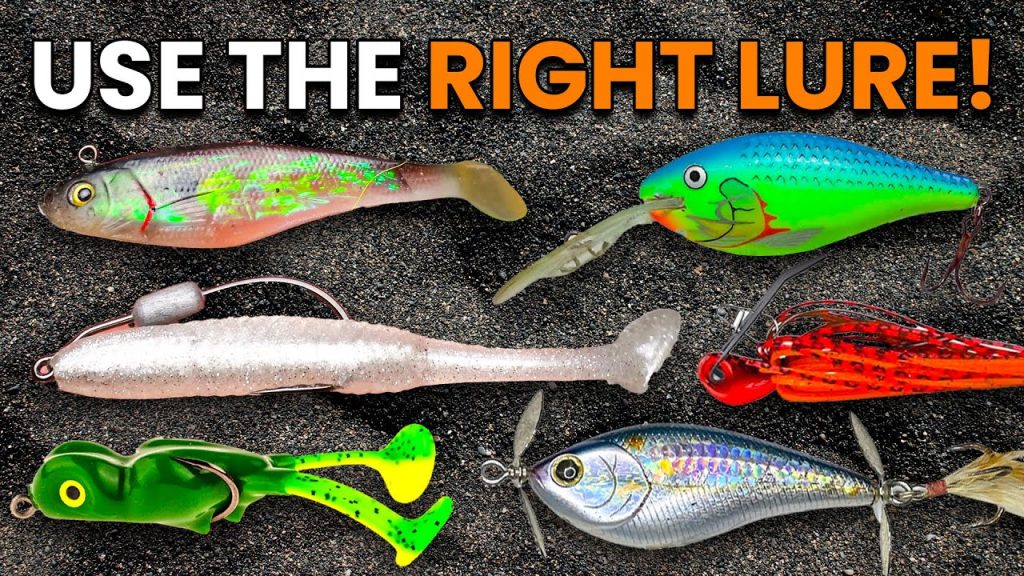
If you want to catch more fish and make your fishing trips more exciting, learning how to use a lure is key. Lures can attract fish in ways bait never will, giving you a better chance to reel in a big catch.
But knowing which lure to pick and how to use it can feel tricky at first. Don’t worry—you’re about to discover simple tips and tricks that will boost your confidence and skills. Keep reading, and you’ll soon be fishing like a pro, turning every cast into an opportunity for success.

Credit: www.youtube.com
Choosing The Right Lure
Using the right lure can improve your chances of catching fish. Different lures work best in different situations.
It is important to match the lure to the fish and water conditions. This guide helps you choose the best lure.
Types Of Fishing Lures
Fishing lures come in many shapes and sizes. Each type moves differently in water to attract fish.
Common types include spoons, spinners, jigs, soft plastics, and crankbaits.
- Spoons:Reflect light and wobble to mimic small fish.
- Spinners:Use spinning blades to flash and create vibrations.
- Jigs:Have weighted heads to sink and bounce on the bottom.
- Soft Plastics:Flexible and lifelike, imitate worms or small creatures.
- Crankbaits:Hard-bodied lures that dive and wobble when reeled in.
Matching Lures To Fish Species
Different fish prefer different types of bait. Choose lures that look like their natural food.
For example, bass like soft plastics and crankbaits. Trout often go for small spoons and spinners.
- Bass: Soft plastics, crankbaits, jigs
- Trout: Small spoons, spinners, flies
- Panfish: Small jigs, live bait imitation lures
- Pike: Large spoons, spinnerbaits, big crankbaits
- Walleye: Jigs, soft plastics, crankbaits
Considering Water Conditions
Water clarity and depth affect which lure works best. Bright lures are good for clear water.
Darker or murky water needs lures that create vibration or sound. Depth also matters for lure choice.
- Clear water: Use natural colors and shiny lures
- Murky water: Use bright colors or lures with noise
- Shallow water: Use topwater or shallow diving lures
- Deep water: Use sinking or deep diving lures

Credit: www.floridasportsman.com
Setting Up Your Tackle
Setting up your tackle correctly is key for a successful fishing trip. It helps your lure work well and attract fish.
This guide covers how to pick the right rod and reel, attach your lure, and use the best line and leader.
Selecting The Proper Rod And Reel
Choose a rod and reel that match the type of lure and fish you want. A medium action rod works well for many lures.
- Use a spinning reel for light lures and small fish.
- Choose a baitcasting reel for heavy lures and bigger fish.
- Match rod length to your fishing style—long rods cast farther, short rods give more control.
Attaching The Lure Correctly
Attach the lure firmly to avoid losing it while fishing. Use the right knot for a strong hold.
| Knot Type | Use For |
| Improved Clinch Knot | Most lures and general use |
| Palomar Knot | Heavy lures and braided line |
| Loop Knot | Allow lure to move freely |
Using The Right Line And Leader
Pick a line that matches your lure weight and fishing conditions. Use a leader to protect against sharp teeth or rough surfaces.
- Monofilament line is good for beginners and soft lure action.
- Braid line offers more strength and sensitivity.
- Fluorocarbon leaders are nearly invisible in water and resist abrasion.
- Match line strength to the fish size and lure weight.
Casting Techniques
Using a lure for fishing requires skillful casting techniques. Learning these methods can help you catch more fish.
Let’s explore how to improve your casting and make the most of your fishing experience.
Basic Casting Methods
There are several basic casting methods every angler should know. These methods help you place the lure where you want it.
- Overhead Cast: Great for distance and precision.
- Sidearm Cast: Useful in windy conditions.
- Roll Cast: Perfect for tight spaces.
Improving Accuracy And Distance
Improving your casting accuracy and distance can increase your chances of a catch. Practice makes perfect.
| Technique | Benefit |
| Smooth Motion | Improves distance |
| Proper Grip | Enhances accuracy |
| Weight Transfer | Boosts casting power |
Adapting To Different Environments
Different environments require different casting techniques. Adjusting to your surroundings can help you succeed.
Lure Retrieval Styles
Using the right retrieval style helps attract fish to your lure. Different fish respond to different movements. Changing your retrieval can make a big difference.
Try these common retrieval styles to see which one works best for your fishing spot and target species.
Steady Retrieve
A steady retrieve means reeling in the lure at a constant speed. This style imitates a swimming baitfish. It is easy to do and works well for many fish.
This method is good for clear water and calm conditions. Fish can easily see the lure’s smooth motion. It often triggers quick strikes from active fish.
Stop-and-go Retrieve
The stop-and-go retrieve uses pauses during the reel-in. You reel for a few seconds, then pause to let the lure stop. This mimics a hurt or resting fish.
Pausing helps attract fish that watch moving prey closely. It also gives fish time to bite. This style works well in low light or murky water.
- Reel in slowly for 3-5 seconds
- Pause for 1-3 seconds
- Repeat the cycle
Twitching And Jerking
Twitching and jerking means giving quick, short pulls on the rod tip. This makes the lure dart erratically like a wounded fish. It often excites predatory fish.
This style works best with crankbaits and jerkbaits. Use sharp rod movements to create sudden actions. Let the lure pause sometimes to look natural.
- Make quick rod tip twitches
- Pause to let the lure move naturally
- Adjust speed based on fish activity
Reading Fish Behavior
Fishing with a lure can be more successful when you understand fish behavior. Watching how fish act helps you choose the right time and technique.
Fish behavior changes with the environment. Learning these changes can improve your catch rate.
Identifying Active Feeding Times
Fish eat more during certain times of the day. Early morning and late evening are common feeding times for many species.
Weather also affects feeding. Cloudy days can extend feeding periods, while bright sun may shorten them.
- Fish feed most at dawn and dusk
- Overcast skies can increase feeding activity
- Fish may eat less during midday heat
Observing Water Movement
Water movement affects how fish behave and where they gather. Look for ripples, currents, and waves.
Fish often stay near areas with steady currents where food flows naturally. Calm water may mean fish are resting.
- Check for flowing water near rocks or plants
- Look for surface ripples indicating fish activity
- Fish may hide in calm spots during strong currents
Adjusting Techniques For Fish Mood
Fish mood changes with temperature, light, and hunger. Adjust your lure speed and style to match their mood.
Slow down your lure if fish seem inactive. Use faster, erratic movements if they are aggressive and feeding.
- Use slow, steady lure movement for calm fish
- Try quick, jerky pulls for active, hungry fish
- Change lure depth to find where fish are biting
Seasonal Lure Strategies
Fishing with lures changes through the year. Each season brings different water conditions and fish behavior. Adjusting your lure choice and method helps catch more fish.
Below are key tactics for spring, summer, fall, and winter. Use these tips to improve your fishing all year long.
Spring Tactics
In spring, fish come out of hiding and look for food. Use bright-colored lures that mimic small baitfish. Try slow retrieval to match the fish’s slower metabolism.
Summer Approaches
Summer heat pushes fish to deeper, cooler water. Use lures that dive deep or stay near shade. Fast-moving lures work well in oxygen-rich water.
- Use crankbaits that reach deep water
- Try spinnerbaits near weed edges
- Fish early morning or late evening for best results
- Choose natural colors to match local prey
Fall Patterns
In fall, fish feed heavily before winter. Use lures that imitate baitfish moving fast. Bright colors and flashy lures attract attention in fading light.
| Type of Lure | Best Use | Color Tips |
| Jerkbaits | Imitate injured fish | White, silver, or chartreuse |
| Soft plastics | Slow retrieves near cover | Brown, green, pumpkin |
| Topwater lures | Early morning or late evening | Red, orange, yellow |
Winter Adjustments
Cold water slows fish down in winter. Use small, subtle lures. Slow your retrieve and try jigging near the bottom.
Winter lure tips:
- Choose small spoons or jigs
- Use light line for better lure action
- Fish midday when water is warmest
- Keep movements slow and steady
Common Mistakes To Avoid
Using a lure for fishing can be simple and fun. Many anglers make mistakes that reduce their chances of catching fish. Learning what to avoid helps improve your fishing experience.
Below are common errors that anglers often make when using a lure. Fixing these will help you catch more fish and enjoy your time on the water.
Overusing The Same Lure
Using the same lure repeatedly can make fish less interested. Fish learn to avoid lures they see often. Changing your lure can increase your chances of a catch.
- Switch lure colors to match water and weather
- Try different lure shapes and sizes
- Use lures that imitate local prey
- Change lures after several casts without a bite
Ignoring Water Conditions
Water conditions affect how fish see and react to lures. Clear water needs natural colors, while murky water calls for bright or glowing lures. Temperature and currents also matter.
| Water Condition | Best Lure Type | Reason |
| Clear Water | Natural Colors | Fish see clearly, need realistic lures |
| Murky Water | Bright or Glowing | Lures stand out in low visibility |
| Cold Water | Slow Moving Lures | Fish are less active, prefer slow action |
| Fast Currents | Heavier Lures | Keep lure in strike zone longer |
Improper Retrieval Speed
Retrieval speed affects how fish react to your lure. Too fast or too slow can scare fish away. Adjust your speed based on the lure and fish behavior.
- Start slow and increase speed gradually
- Pause sometimes to mimic injured prey
- Match speed to lure type and water conditions
- Observe fish reactions and change accordingly

Credit: www.youtube.com
Maintaining Your Lures
Keeping your fishing lures in good shape helps you catch more fish. Proper care stops damage and keeps lures ready for use.
Regular maintenance includes cleaning, storage, and fixing parts. These steps extend your lure’s life and improve performance.
Cleaning And Storage Tips
Clean lures after every fishing trip to remove dirt and salt. This prevents rust and keeps colors bright.
- Rinse lures with fresh water
- Use a soft brush to scrub off debris
- Dry lures completely before storing
- Store in a dry, cool place away from sunlight
- Use tackle boxes with compartments to avoid tangling
Replacing Hooks And Components
Hooks and parts wear out with use. Replace damaged hooks and broken components to keep lures effective.
| Component | Signs to Replace | Replacement Tips |
| Hooks | Dull or bent points | Use sharp, rust-proof hooks |
| Split rings | Corroded or open rings | Match size with original rings |
| Swivels | Stiff or broken swivels | Choose smooth-rotating replacements |
Extending Lure Lifespan
Good habits keep lures working longer. Handle lures with care and check them often for damage.
- Avoid dropping lures on hard surfaces
- Remove hooks before transport
- Keep lures dry to prevent rust
- Use protective covers for soft plastic lures
Frequently Asked Questions
What Is The Best Lure For Beginner Anglers?
Soft plastic lures are ideal for beginners. They are versatile, easy to use, and attract various fish species. Start with simple designs like worms or grubs to learn casting and retrieval techniques effectively.
How Do I Choose The Right Lure Size?
Match the lure size to the fish species and water conditions. Smaller lures work well for panfish, while larger lures attract bigger predators. Adjust size based on fish behavior and local environment for better results.
When Is The Best Time To Use Fishing Lures?
Early morning and late evening are prime lure fishing times. Fish are more active during these periods, increasing your chances of a catch. Also, overcast days can improve lure effectiveness.
How Should I Retrieve A Fishing Lure Properly?
Vary your retrieval speed and pattern to mimic prey movement. Use steady, slow, or jerky motions depending on the lure type and target fish. Experiment to find what triggers bites.
Conclusion
Using a lure can make fishing more fun and effective. Choose the right lure for the fish you want to catch. Cast your line carefully and watch how the lure moves in water. Change your speed and style to attract fish.
Practice often to learn what works best for you. Patience and attention help you catch more fish. Enjoy the calm and quiet while fishing. Try different lures to find your favorite. Happy fishing!