Have you ever wondered how plants make their own food without a kitchen or grocery store? It might seem like magic, but there is a fascinating process behind it that powers life on Earth.
Understanding how plants create food not only answers this mystery but also helps you see the natural world in a whole new light. Keep reading, and you’ll discover the simple yet amazing steps plants use to turn sunlight into energy, and why this process is so important for you and everything around you.

Credit: www.youtube.com
Photosynthesis Basics
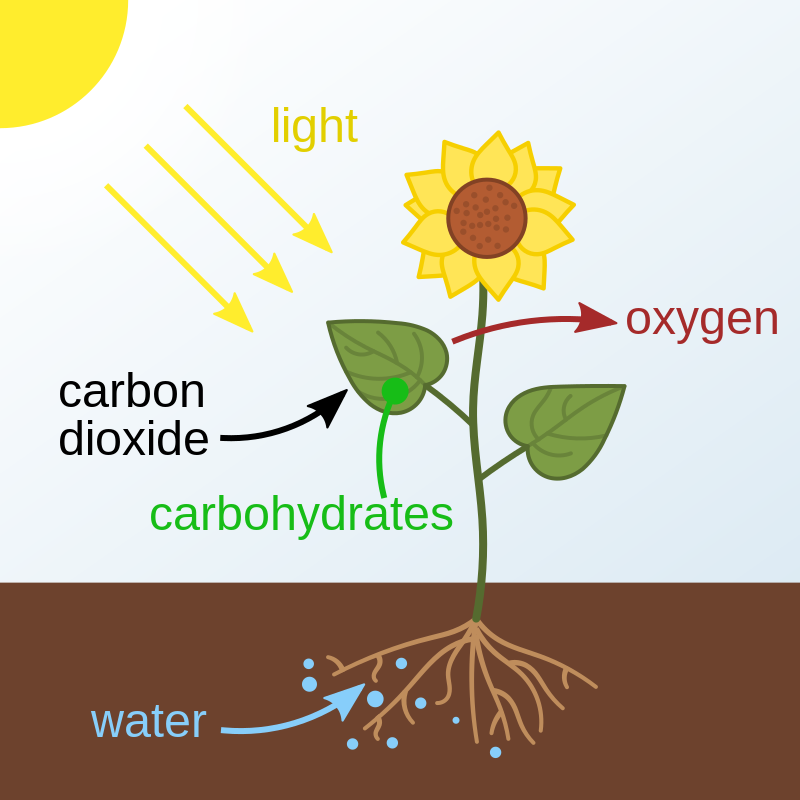
Photosynthesis is how plants make their own food. They use sunlight, water, and carbon dioxide to create energy.
This process happens mainly in the leaves of plants. It keeps plants alive and produces oxygen for us to breathe.
Role Of Chlorophyll
Chlorophyll is a green pigment in plant cells. It captures sunlight needed for photosynthesis.
- It absorbs light mostly from the blue and red parts of the spectrum.
- It reflects green light, making leaves look green.
- It helps convert light energy into chemical energy.
Light And Dark Reactions
Photosynthesis has two main parts: light reactions and dark reactions. Each part plays a different role.
| Type of Reaction | Where It Occurs | Main Function | Products |
| Light Reactions | Thylakoid membranes | Capture sunlight and make energy molecules | Oxygen, ATP, NADPH |
| Dark Reactions (Calvin Cycle) | Stroma of chloroplasts | Use energy to make glucose from carbon dioxide | Glucose (sugar) |
Key Ingredients For Food Making
Plants make their own food using a process called photosynthesis. This process needs some important ingredients.
These ingredients help plants create energy and grow healthy. The main ones are sunlight energy, carbon dioxide, and water.
Sunlight Energy
Sunlight gives plants the energy to start photosynthesis. They absorb light through their leaves using a green pigment called chlorophyll.
This energy helps plants turn water and carbon dioxide into food and oxygen.
Carbon Dioxide Intake
Plants take in carbon dioxide from the air through tiny holes in their leaves. These holes are called stomata.
Carbon dioxide is one of the key ingredients plants use to make glucose, a type of sugar that feeds the plant.
Water Absorption
Plants absorb water through their roots from the soil. Water travels up the stem to the leaves.
Water provides hydrogen and oxygen atoms for making glucose and helps keep the plant alive.
Stages Of Photosynthesis
Plants make food using sunlight in a process called photosynthesis. This process has two main stages.
Each stage plays a special role in turning light energy into food for the plant.
Light-dependent Reactions
Light-dependent reactions happen in the plant’s leaves. They need sunlight to start.
These reactions use light to make energy molecules called ATP and NADPH. They also split water to release oxygen.
- Sunlight hits chlorophyll in the leaves
- Water molecules split into oxygen, protons, and electrons
- Oxygen is released into the air
- Energy from light makes ATP and NADPH
Calvin Cycle
The Calvin Cycle uses ATP and NADPH from the first stage. It does not need light directly.
This cycle takes carbon dioxide from the air and turns it into sugar, which is the plant’s food.
- Carbon dioxide enters the leaf
- Energy from ATP and NADPH helps build sugar molecules
- Sugar is stored and used for plant growth
Chloroplasts: The Food Factories
Plants make their own food through a process called photosynthesis. This process happens inside tiny parts of the plant cells called chloroplasts. Chloroplasts are like factories that turn sunlight into food.
Understanding chloroplasts helps us see how plants grow and survive. They use light energy to make sugars, which feed the plant.
Structure And Function
Chloroplasts have a special structure that helps them make food. They are green because they contain chlorophyll. Inside, there are stacks of membranes called thylakoids. These membranes capture sunlight.
- Outer membrane protects the chloroplast
- Inner membrane controls what enters and leaves
- Thylakoids hold pigments and enzymes
- Stroma is the fluid where food is made
Pigments Involved
Pigments in chloroplasts absorb light energy. Chlorophyll is the main pigment. It captures blue and red light but reflects green, which is why plants look green.
| Pigment | Color Absorbed | Role |
| Chlorophyll a | Blue, Red | Main pigment for photosynthesis |
| Chlorophyll b | Blue, Red-Orange | Assists chlorophyll a |
| Carotenoids | Blue, Green | Protects and absorbs extra light |
Environmental Factors Affecting Food Production
Plants make food through a process called photosynthesis. Various environmental factors influence how well plants can do this. These include light, temperature, water, and carbon dioxide levels.
Each factor plays a vital role in the growth and health of plants. Understanding these helps in improving food production.
Light Intensity
Light is essential for photosynthesis. The process needs light to make food. If a plant gets more light, it can make more food.
Too little light slows down food production. Plants may become weak and not grow well.
Temperature Effects
Temperature affects how fast plants make food. Warm temperatures help speed up the process. Cold temperatures can slow it down.
Very high or low temperatures can harm plants. They may not survive if the temperature is extreme.
Water Availability
Water is needed for photosynthesis. Plants use water to make food. Without enough water, plants may wilt.
Too much water can also be a problem. It can drown the roots and damage the plant.
Carbon Dioxide Levels
Plants use carbon dioxide to make food. Higher levels can increase food production. But, there is a limit to how much they can use.
Low carbon dioxide levels can slow down the process. This may lead to less food being produced.
Credit: sklep.kagero.pl
Importance Of Photosynthesis For Life
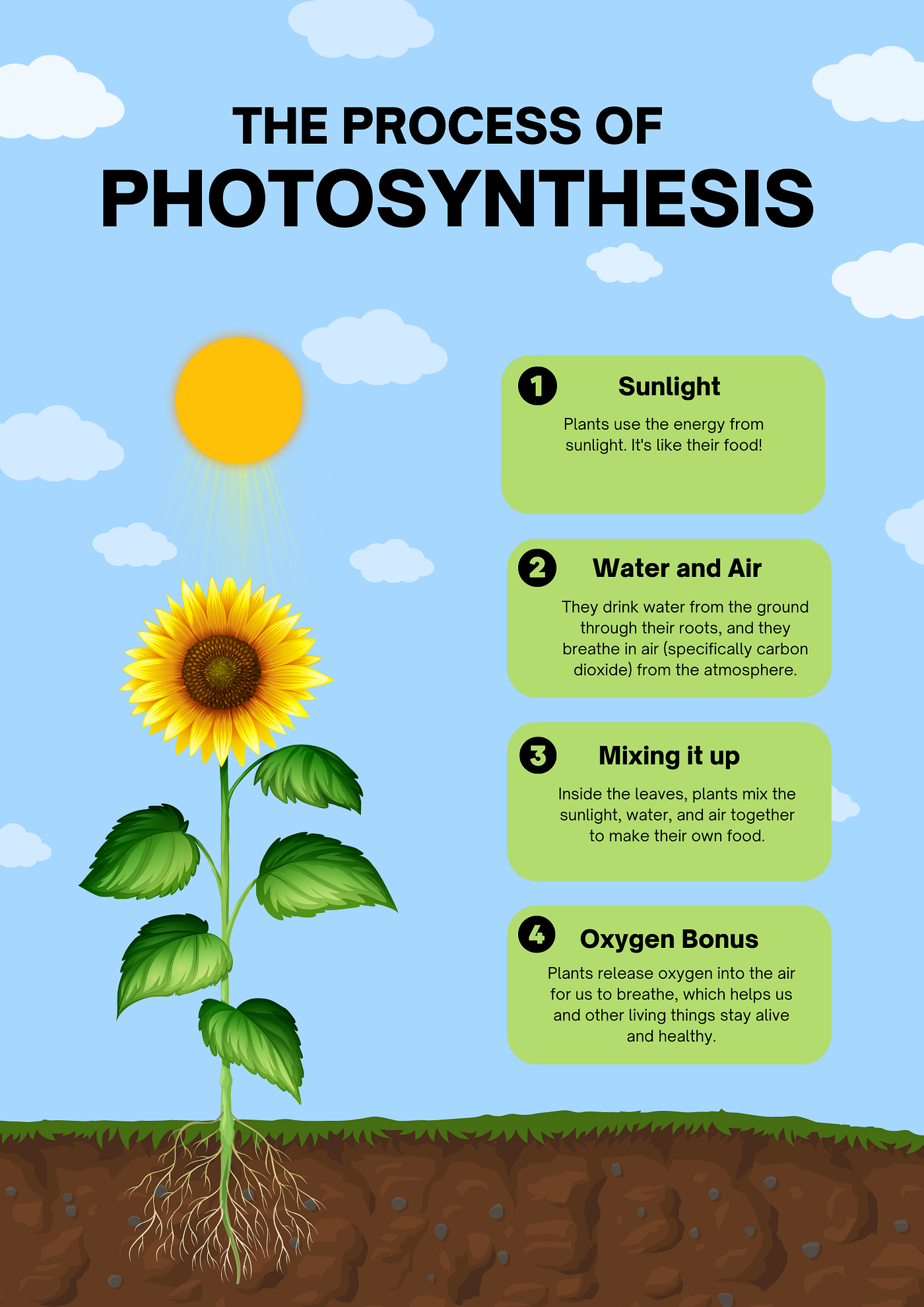
Photosynthesis is the process plants use to make food. They use sunlight, water, and carbon dioxide. This process helps plants grow and survive.
Photosynthesis is very important for life on Earth. It supports many living things by creating energy and oxygen.
Oxygen Production
Plants produce oxygen during photosynthesis. They take in carbon dioxide and release oxygen into the air. This oxygen is vital for animals and humans to breathe.
Without plants making oxygen, life on Earth would be very different. Most living creatures need oxygen to survive.
Energy Source For Ecosystems
Photosynthesis creates food for plants in the form of sugars. These sugars provide energy for the plants to grow. Animals get energy by eating plants or other animals.
This process is the base of the food chain. It supplies energy to almost all living things on Earth.
Common Misconceptions About Plant Food Making
Many people have wrong ideas about how plants make food. These ideas can confuse how plants actually grow and survive.
Understanding the true process helps us appreciate plants more and learn how they help the environment.
Plants Eat Soil Nutrients As Food
Some believe plants get their food from the soil like animals eat food. Soil provides minerals, but not the main food.
The real food comes from a process using sunlight, air, and water, not from soil nutrients alone.
Plants Do Not Need Sunlight To Make Food
Some think plants can make food without sunlight. Sunlight is actually very important for food making in plants.
Without sunlight, plants cannot produce the energy they need through photosynthesis.
Plants Make Food Only At Night
There is a belief that plants make food only during the night. This is not true because photosynthesis needs light.
Plants make food during the day when sunlight is available. At night, they use the food stored.
Plants Use Only Leaves To Make Food
People often think only leaves help plants make food. Leaves are the main site, but other parts also help.
Green stems can also perform photosynthesis, especially in plants with few leaves.
Plants Release Oxygen As A Waste Product Only
Many believe oxygen released by plants is useless waste. Oxygen is actually vital for all living creatures.
Plants produce oxygen during food making, which animals and humans need to breathe.

Credit: askabiologist.asu.edu
Frequently Asked Questions
What Is Photosynthesis In Plants?
Photosynthesis is the process plants use to make food. They convert sunlight, water, and carbon dioxide into glucose and oxygen. This process occurs mainly in the leaves’ chloroplasts, where chlorophyll captures sunlight energy.
How Do Plants Absorb Sunlight For Food?
Plants absorb sunlight using chlorophyll in their chloroplasts. Chlorophyll captures light energy, which powers the conversion of water and carbon dioxide into glucose, the plant’s food source.
Why Is Carbon Dioxide Important For Plant Food?
Carbon dioxide is a key ingredient in photosynthesis. Plants take in carbon dioxide from the air and combine it with water to create glucose, which fuels their growth and energy needs.
Where Does Photosynthesis Mainly Occur In Plants?
Photosynthesis mainly occurs in the leaves of plants. Leaves contain chloroplasts with chlorophyll, which captures sunlight and drives the food-making process efficiently.
Conclusion
Plants make food using sunlight, water, and air. This process, called photosynthesis, keeps plants alive and growing. It also gives us oxygen to breathe. Understanding photosynthesis helps us see how nature works. It shows the link between the sun and life on Earth.
Plants turn light into energy every day. This simple process supports all living things. Next time you see a green leaf, remember its hidden power. Nature’s food factory, working quietly and endlessly.