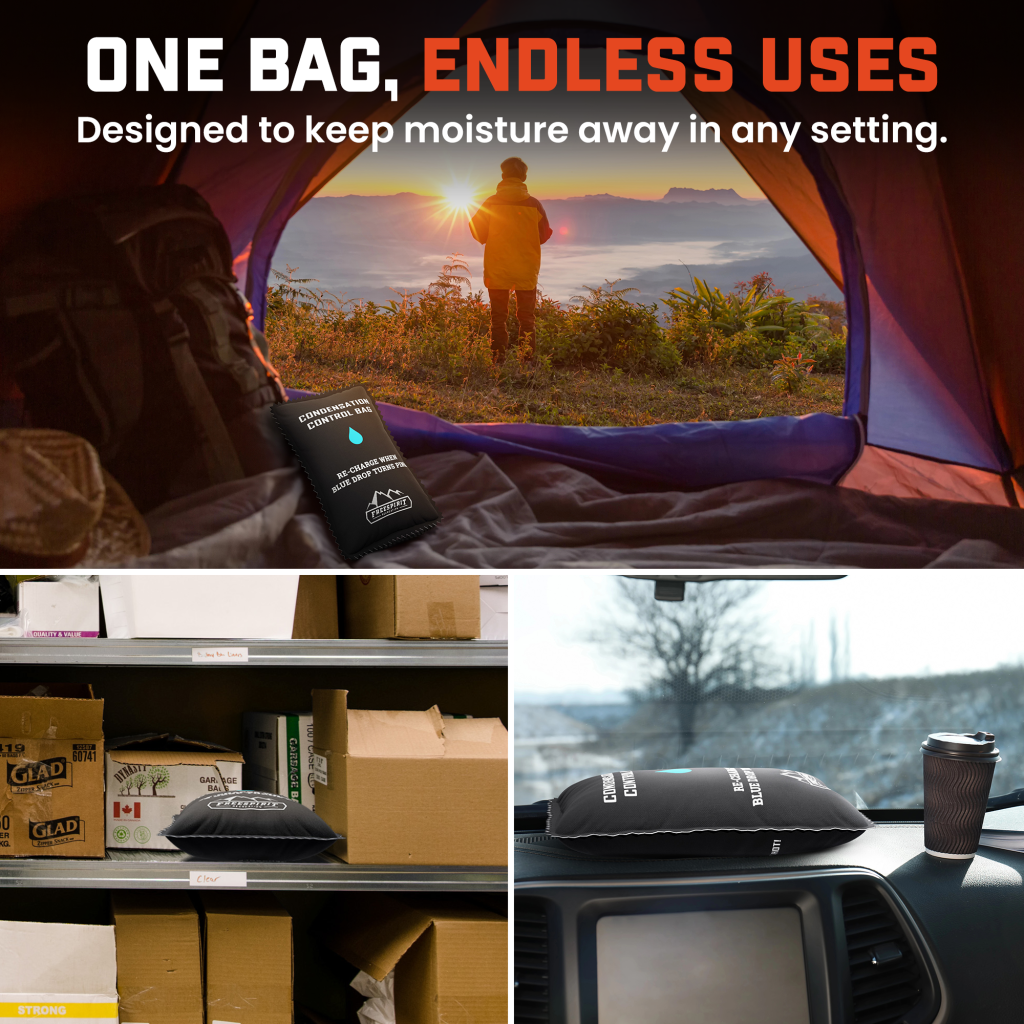
Have you ever woken up inside your tent only to find it covered in damp, annoying condensation? It’s uncomfortable, it can ruin your gear, and it makes your camping trip less enjoyable.
But what if you could stop that moisture from building up in the first place? Keeping condensation out of your tent is easier than you might think. You’ll discover simple, practical tips to stay dry and comfortable, no matter where you camp.
Keep reading, and you’ll learn how to make your tent a cozy, moisture-free space every time you set up.
Causes Of Tent Condensation
Condensation happens when water vapor turns into liquid on cold surfaces. Inside tents, this can make things wet and uncomfortable.
Understanding what causes condensation helps to keep it away. Different factors inside and outside the tent play a role.
Moisture Sources Inside The Tent
People breathe out moisture all night. This adds water vapor inside the tent air.
Wet clothes, gear, or shoes also release moisture. This increases the humidity inside the tent.
- Breathing and sweating
- Wet clothes or sleeping bags
- Cooking or boiling water near the tent
Weather And Temperature Effects
Cold weather cools the tent walls. Warm inside air meets cold surfaces and forms water drops.
High humidity outside the tent also adds moisture inside. Rain and fog can increase condensation risks.
- Cold nights lower tent surface temperature
- Warm air inside meets cold tent walls
- Rain and fog raise outside humidity levels
Tent Material And Design Impact
Tent fabrics that do not breathe well trap moisture inside. This makes condensation worse.
Tents with poor ventilation block airflow. Less air movement means more condensation builds up.
- Non-breathable fabrics hold moisture
- Small or no vents limit airflow
- Double-wall tents reduce condensation better
Choosing The Right Tent
Condensation can make your tent wet and uncomfortable. Picking the right tent helps keep moisture away.
Some tents have features that reduce condensation inside. Understanding these features helps you choose better.
Ventilation Features To Look For
Good airflow stops moisture from building up inside the tent. Look for tents with vents or mesh panels.
Many tents have adjustable vents near the top and bottom. These let air move freely and lower humidity.
- Mesh windows or doors for air movement
- Roof vents that can open and close
- Double-layer tents with breathable inner walls
Material Breathability
Tent fabrics affect how much moisture passes through. Breathable materials let sweat escape.
Look for tents made from nylon or polyester with a breathable coating. Avoid fully waterproof but non-breathable fabrics.
- Breathable fabrics reduce inside moisture
- Water-resistant coatings keep rain out
- Balance between waterproof and breathable is best
Tent Size And Occupancy Considerations
More people inside a small tent increase moisture from breathing and sweat. Choose size carefully.
Pick a tent with enough space for everyone. This reduces condensation and gives better air flow.
- Extra space lowers humidity levels
- Less crowding means less moisture buildup
- Room for gear helps air circulate better
Site Selection For Dry Camping
Choosing the right site for your tent is key to staying dry. By selecting a good spot, you can keep condensation at bay.
A dry camping site helps in reducing moisture inside your tent. Consider factors like elevation and airflow when selecting your spot.
Avoiding Damp And Low-lying Areas
Low-lying areas collect water, which leads to dampness. Choose a camping site on higher ground for better drainage.
Wet ground increases condensation in your tent. Look for places that are dry and away from water sources.
- Avoid valleys and dips
- Check the ground for wet spots
- Set up on a slight slope
Maximizing Airflow Around The Tent
Good airflow helps reduce condensation. Set up your tent where the wind can circulate freely around it.
Keep the tent ventilated by choosing a spot with open space. Avoid dense trees that block air movement.
- Position tent openings towards the breeze
- Leave space between tents for airflow
- Use a tent with mesh panels
Using Natural Windbreaks Wisely
Natural windbreaks can protect your tent from strong winds. Use them to shield your tent but allow some airflow.
Position your tent near trees or rocks that block harsh winds. Ensure these do not completely stop the breeze.
- Choose windbreaks that are not too close
- Keep a clear path for air to flow
- Avoid setting up directly behind large obstacles

Credit: fivestarcampers.com
Setting Up Your Tent To Reduce Moisture
Condensation inside a tent can make camping uncomfortable. Moisture collects when warm air meets cold tent walls. Setting up your tent correctly helps reduce this problem.
Good tent setup improves airflow and stops water from pooling under your tent. This keeps the inside dry and cozy.
Proper Tent Pitching Techniques
Pitch your tent on flat ground to avoid water buildup. Avoid low spots where water can collect during rain. Tighten the tent fabric to keep it firm and prevent sagging.
Position the tent door away from the wind. This stops moist air from entering. Use all the tent stakes and guylines to hold the tent steady.
Using Footprints And Ground Tarps
Place a footprint or ground tarp under your tent. This protects the tent floor from moisture and dirt. Make sure the tarp is smaller than the tent floor.
If the tarp is bigger, water can collect between it and the tent floor. This causes dampness and condensation inside.
- Choose a footprint designed for your tent model
- Use a waterproof tarp made of durable material
- Keep tarp edges inside tent edges
Adjusting Rainfly For Ventilation
Set the rainfly slightly away from the tent body. This space allows air to flow between the rainfly and tent. Good airflow reduces condensation inside.
Open vents on the rainfly if your tent has them. Even in rain, this helps air move without letting water in. Avoid sealing the tent completely tight.
- Use rainfly vents for constant airflow
- Keep rainfly taut but raised from tent walls
- Adjust rainfly position as weather changes
Managing Moisture Inside The Tent
Condensation builds up inside tents because of moisture in the air. Managing this moisture helps keep the tent dry and comfortable.
Reducing wetness inside the tent lowers the chance of damp gear and cold nights.
Limiting Wet Clothing And Gear
Wet clothes and gear add moisture to the tent air. Keep wet items outside or in a separate vestibule area.
Dry clothes before entering the tent. Use a waterproof bag for wet boots or jackets.
- Hang wet clothes outside or on a line
- Store wet gear in waterproof bags
- Change into dry clothes before sleeping
Cooking And Heating Practices
Cooking inside a tent creates steam and raises humidity. Avoid cooking inside if possible to reduce moisture.
If heating is needed, use safe vented heaters. Keep the tent vents open to allow moist air to escape.
- Cook outside the tent
- Use vented heaters designed for tents
- Keep vents open during cooking and heating
Breathing And Sleeping Arrangements
Breathing inside a tent adds moisture. Make sure your tent has good airflow near the head area.
Sleep with your head near a vent or mesh window. This helps moist air leave the tent.
- Keep vents open near your sleeping area
- Use breathable sleeping bags and pads
- Avoid overcrowding the tent to improve airflow

Credit: www.reddit.com
Additional Tools And Accessories
Condensation can make your tent wet and uncomfortable. Using the right tools helps keep moisture away. These accessories improve your camping experience.
This section covers useful items to reduce condensation inside your tent. They help control humidity and air flow.
Portable Dehumidifiers And Absorbers
Portable dehumidifiers remove moisture from the air inside your tent. They are small and easy to carry. Absorbers use materials that soak up water vapor.
These tools lower humidity levels and stop water droplets from forming. You can use electric dehumidifiers or chemical absorbers depending on your power source and space.
- Electric dehumidifiers need batteries or power
- Absorbers use silica gel or other drying materials
- Both help keep air dry and tents comfortable
Ventilation Aids And Fans
Good ventilation reduces condensation by moving moist air outside. Ventilation aids like vents or mesh windows help air flow. Small fans increase air circulation inside the tent.
Fans can be battery-powered and safe for indoor use. They keep air moving, which lowers moisture buildup on tent walls and ceiling.
- Open vents or windows to allow fresh air
- Use fans to circulate air in closed tents
- Keep tent doors slightly open if weather allows
Using Moisture-resistant Gear
Choose gear that resists moisture to reduce condensation inside your tent. Moisture-resistant sleeping bags, mats, and liners help keep you dry.
These items prevent water from soaking in. They also reduce the humidity that causes condensation. Using waterproof bags protects your clothes and electronics.
- Waterproof sleeping bags and liners
- Foam or inflatable sleeping mats
- Waterproof storage bags for gear
Maintenance And Care To Prevent Condensation
Condensation inside a tent can make camping uncomfortable. Taking care of your tent helps reduce moisture build-up. Proper maintenance keeps your tent fresh and dry.
Cleaning, repairing, and storing your tent correctly stops mold and dampness. These simple steps lower condensation during your trips.
Regular Tent Cleaning And Drying
Clean your tent after every trip. Dirt and sweat can trap moisture and cause condensation. Use a soft brush and mild soap with water.
Always dry your tent fully before packing it away. Damp tents develop mold and smell bad. Set up your tent in a sunny spot to air dry well.
- Brush off dirt and debris
- Wash with mild soap and water
- Rinse thoroughly to remove soap
- Air dry in shade or sunlight
- Do not pack tent if still damp
Repairing Seals And Vent Openings
Check your tent’s seals and vents before each trip. Broken seals let water and moisture inside. Fix small tears with repair tape or patches.
Keep vents clear and open to allow air flow. Good ventilation lowers condensation inside the tent. Replace broken zippers and damaged mesh to keep vents working.
- Inspect seams and seals for damage
- Use repair tape for small holes
- Open vents while camping
- Fix or replace broken zippers
- Clean mesh vents to keep airflow
Storage Tips To Avoid Mold
Store your tent in a cool, dry place. Avoid damp basements or attics where mold grows easily. Use a loose storage bag instead of a tight stuff sack.
Check your tent during storage. If you see any mold, clean it right away. Proper storage keeps your tent fresh and ready for your next trip.
- Store in a dry, ventilated area
- Use a large breathable bag
- Keep away from direct sunlight
- Check for mold regularly
- Clean mold spots with mild soap

Credit: hot-tent.com
Frequently Asked Questions
How Can I Prevent Tent Condensation Effectively?
To prevent tent condensation, ensure proper ventilation by opening vents and doors. Use a breathable tent fabric and avoid cooking or drying wet clothes inside. Setting up your tent in a shaded, breezy spot also helps reduce moisture buildup.
Why Does Condensation Form Inside My Tent?
Condensation forms when warm, moist air inside the tent meets the cooler tent walls. This causes water droplets to accumulate. It often happens due to poor ventilation, wet gear, or breathing inside a tightly sealed tent.
What Tent Features Reduce Condensation?
Look for tents with mesh panels and multiple vents for airflow. Double-wall tents, with a separate rainfly, help keep moisture away from the inner tent. These features promote ventilation and reduce the chance of condensation forming.
Can Campsite Location Affect Tent Condensation?
Yes, camping in low areas or near water increases humidity and condensation risk. Choose elevated, well-drained spots with good airflow. Avoid dense vegetation that traps moisture around your tent.
Conclusion
Keeping condensation out of your tent makes camping more comfortable. Use good ventilation by opening vents and doors slightly. Avoid cooking or drying wet clothes inside the tent. Keep your sleeping bags and gear off the tent floor. Choose a spot with good airflow and avoid damp areas.
These small steps help reduce moisture build-up. Enjoy your trip with a dry, cozy tent every night. Simple habits can make a big difference in camping comfort. Stay dry and happy under the stars!