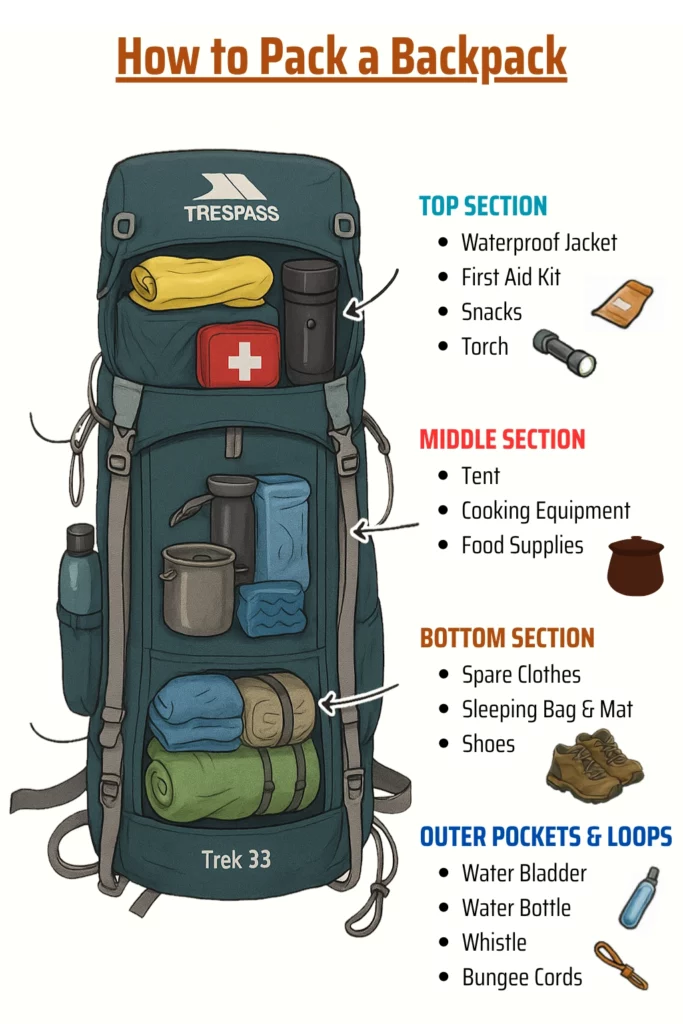
Packing a tent in your backpack might seem tricky at first, but with the right steps, it can be quick and stress-free. Imagine reaching your campsite and having your tent ready in minutes, without struggling or wasting space.
This guide will show you exactly how to fold and pack your tent so it fits perfectly, stays protected, and makes your outdoor adventure more enjoyable. Keep reading, and you’ll learn simple tips that save you time and effort every trip.
Choosing The Right Tent
Packing a tent in a backpack is easier with the right tent choice. The right tent fits your needs and your pack space. Consider your trip length, weather, and personal comfort.
This guide covers types of tents, weight and size, and material durability. These points help you pick the best tent for backpacking.
Types Of Tents For Backpacking
There are three main types of tents for backpacking. Each has benefits for different conditions and group sizes.
- Backpacking Tents:Light and compact, good for solo or small groups.
- 3-Season Tents:Suitable for spring, summer, and fall. They resist rain and wind well.
- 4-Season Tents:Built for winter and harsh weather. They are heavier but very sturdy.
Weight And Size Considerations
Choose a tent that balances weight and size. A heavy tent adds strain on your backpack. A big tent might not fit well.
| Weight | Use | Pack Size |
|---|---|---|
| Under 3 lbs (1.4 kg) | Fast packing, short trips | Very compact |
| 3 to 5 lbs (1.4 to 2.3 kg) | Most trips, balanced option | Moderate size |
| Over 5 lbs (2.3 kg) | Extra room or winter use | Larger pack size |
Material And Durability
The material decides the tent’s strength and weight. Look for fabrics that resist water and tears. The frame also matters for durability.
- Fabric:Nylon and polyester are common. Nylon is lighter but polyester handles UV rays better.
- Waterproof Coating:Silicone or polyurethane coatings keep water out.
- Frame:Aluminum poles are strong and light. Fiberglass poles are heavier and less durable.
Credit: pangolinswithpacks.com
Preparing Your Tent For Packing
Packing a tent properly keeps it in good shape for your next trip. Preparing your tent well makes it easier to carry and store.
Start by cleaning and drying your tent. Then, organize its parts. Finally, choose the best way to fold or roll it.
Cleaning And Drying The Tent
Always clean your tent after use to avoid damage and smells. Remove dirt and debris using a soft brush or cloth. Wash with mild soap and water if needed.
Dry your tent completely before packing. Damp fabric can cause mold and odors. Set up the tent in a shaded, airy spot until fully dry.
Organizing Tent Components
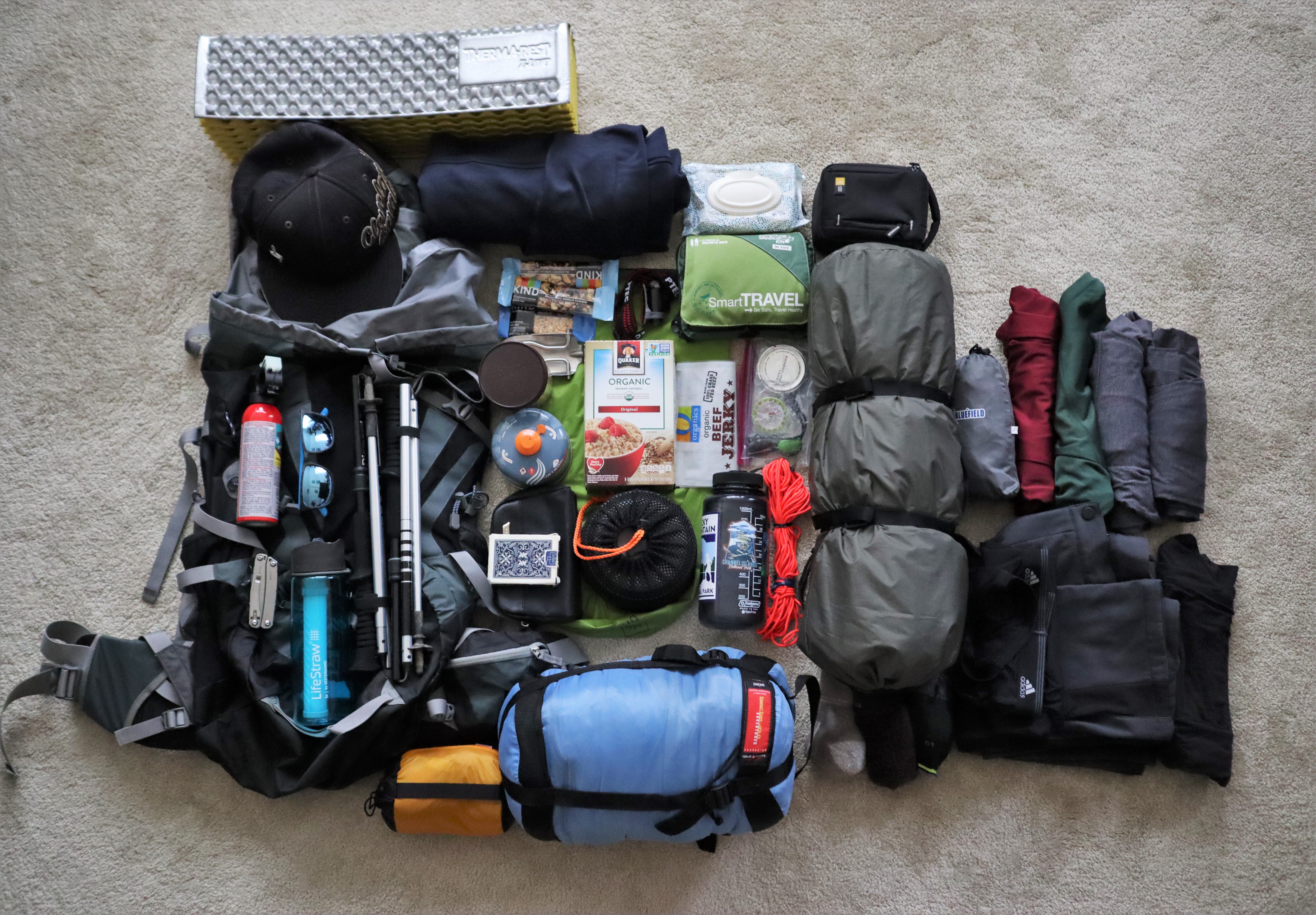
Keep all parts of your tent together. This includes poles, stakes, rainfly, and tent body. Organizing these parts saves time when setting up again.
- Place poles in their bag to prevent bending.
- Bundle stakes together to avoid loss.
- Fold or roll the rainfly separately.
- Store the tent body last to keep dirt away from other parts.
Rolling Vs Folding Techniques
Choose rolling or folding based on your tent type and backpack space. Rolling can save space but may cause wrinkles. Folding keeps the fabric flat but can be bulky.
| Technique | Advantages | Disadvantages |
| Rolling | Saves space, quick to pack | May cause fabric creases |
| Folding | Prevents wrinkles, keeps fabric flat | Takes more space, slower packing |
Packing Techniques For Efficiency
Packing a tent efficiently saves space and makes your backpack light. Learn how to fit all tent parts compactly.
These methods ensure your tent is ready for any adventure without clutter.
Using Compression Sacks
Compression sacks reduce tent volume by squeezing out air. This technique helps maximize space in your backpack.
| Item | Benefit |
| Compression Sack | Reduces Volume |
| Waterproof Bag | Keeps Tent Dry |
Stuffing Method For Saving Space
The stuffing method involves pushing the tent fabric into your backpack without folding it. This method saves space and prevents creases.
- Start with the tent body
- Stuff it into the bottom of the backpack
- Add other tent components around it
Securing Tent Poles And Stakes
Secure tent poles and stakes outside or inside the backpack to avoid damage. Ensure they are tightly fastened.
Placing The Tent In Your Backpack
Packing a tent correctly helps keep your gear safe and your backpack comfortable. The way you place the tent affects your hiking experience. This guide explains how to store your tent inside your backpack.
Focus on choosing the right compartment, balancing the weight, and protecting the tent from damage. These tips make your trip easier and keep your tent ready to use.
Best Backpack Compartments For Tent Storage
Many backpacks have special areas made for bulky items like tents. Use these compartments to save space and organize your gear well.
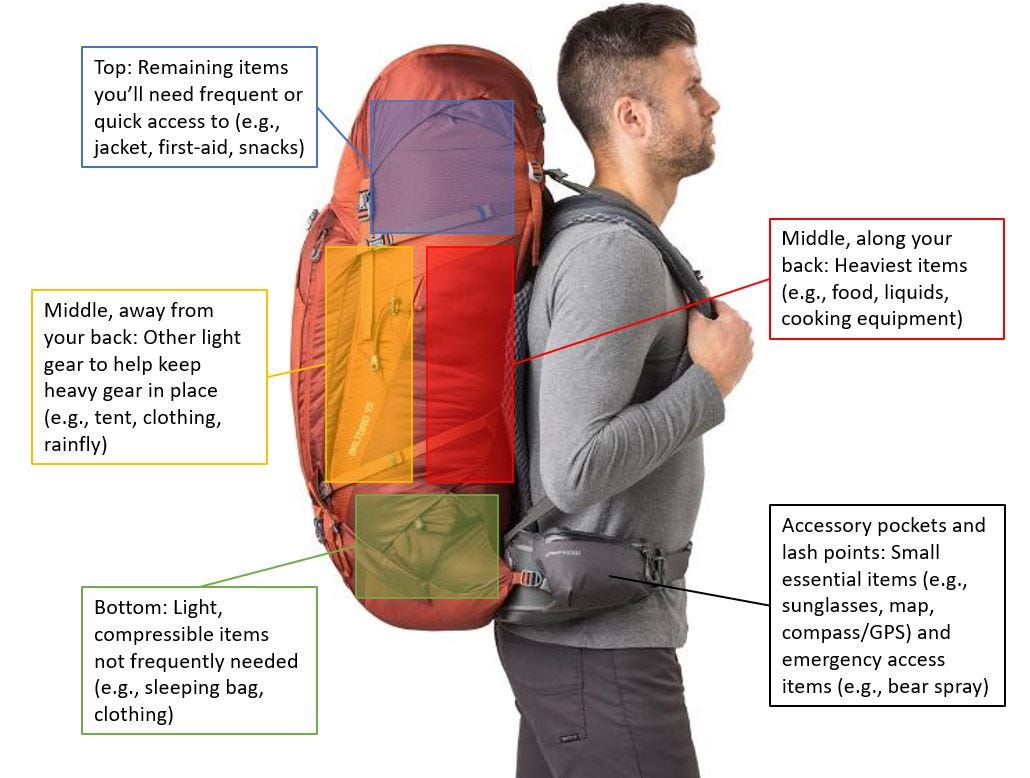
- Main compartment: Place the tent at the bottom to keep heavy gear low.
- Bottom compartment: Great for tents stored in dry bags or stuff sacks.
- Side pockets: Use for tent poles or small accessories, not the whole tent.
- External straps: Attach the tent outside if it does not fit inside, but secure it tightly.
Balancing Weight For Comfort
Balance your backpack weight to avoid strain on your back and shoulders. Place heavier items close to your spine and near the middle of your back.
| Placement | Effect |
| Bottom of main compartment | Keeps center of gravity low |
| Near the back panel | Reduces strain on shoulders |
| Far from your back | Makes backpack unstable |
Protecting Tent From Damage
Protect your tent from tears and dirt by using covers and careful packing. Keep sharp objects away to avoid punctures.
- Use a waterproof stuff sack or dry bag.
- Wrap tent poles separately to prevent poking holes.
- Pack the tent away from sharp tools or heavy gear.
- Check your backpack for rough spots that might damage fabric.
Additional Tips For Tent Packing
Packing a tent correctly saves space and protects your gear. It helps you stay organized on trips.
These tips focus on how to pack your tent with other gear, keep it easy to access, and maintain it.
Packing Tent With Other Gear
Place the tent near the center of your backpack. This balances the weight for better comfort.
Keep tent poles and stakes in separate bags to avoid damage. Store them in side pockets if possible.
- Use a waterproof bag for the tent body
- Wrap poles in a cloth to prevent scratches
- Put stakes in a small pouch to avoid noise
Quick Access Strategies
Keep your tent bag on top or in an easy-to-reach spot. This saves time when setting up camp.
Use compression straps to secure the tent bag. This stops it from moving inside the backpack.
- Store the tent near other camping essentials
- Use a dry bag if rain is expected
- Label bags for quick identification
Maintaining Tent Longevity On Trips
Always dry your tent before packing it away. Moisture causes mold and bad smells.
Check for tears or broken parts before each trip. Fix small problems to avoid bigger damage.
- Store the tent loosely when not in use
- Clean dirt and debris after each trip
- Use a groundsheet to protect the tent floor
Credit: pangolinswithpacks.com
Credit: www.reddit.com
Frequently Asked Questions
How Do I Fold A Tent For Backpacking?
First, dry your tent completely. Fold it neatly by aligning poles and fabric. Roll tightly from one end to minimize space. Secure it with straps or a sack for compact packing.
What’s The Best Way To Keep A Tent Dry?
Always pack your tent only when fully dry. Use a waterproof bag or sack. Avoid placing it near wet gear. Store in a dry, ventilated spot inside your backpack.
How Can I Save Space When Packing A Tent?
Remove poles from the tent body. Break poles into smaller sections. Fold the tent fabric tightly and roll it. Use compression sacks to reduce volume effectively.
Should I Pack Tent Poles Separately?
Yes, separate poles prevent damage and make packing easier. Wrap poles in a cloth or bag to avoid scratches. This also helps in quick setup and organization.
Conclusion
Packing a tent in your backpack takes practice and care. Roll the tent tightly to save space. Keep poles and stakes organized to avoid damage. Use a stuff sack to protect the fabric. Balance the weight evenly in your backpack.
These small steps make hiking easier and more comfortable. Enjoy your outdoor adventures with less hassle. Take your time, and packing will become quick. Ready for your next trip?