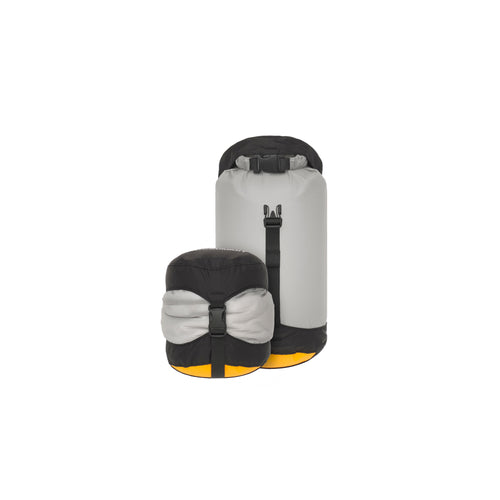
Choosing the right dry bag for your sleeping bag can make a big difference on your outdoor trips. You want to keep your sleeping bag dry and protected, but you also don’t want to carry extra bulk.
So, what size dry bag do you really need? If you’ve ever wondered how to pick the perfect fit without guessing, this article is for you. By the end, you’ll know exactly what to look for to keep your gear safe and make your backpack lighter.
Let’s dive in and find the ideal dry bag size for your sleeping bag.
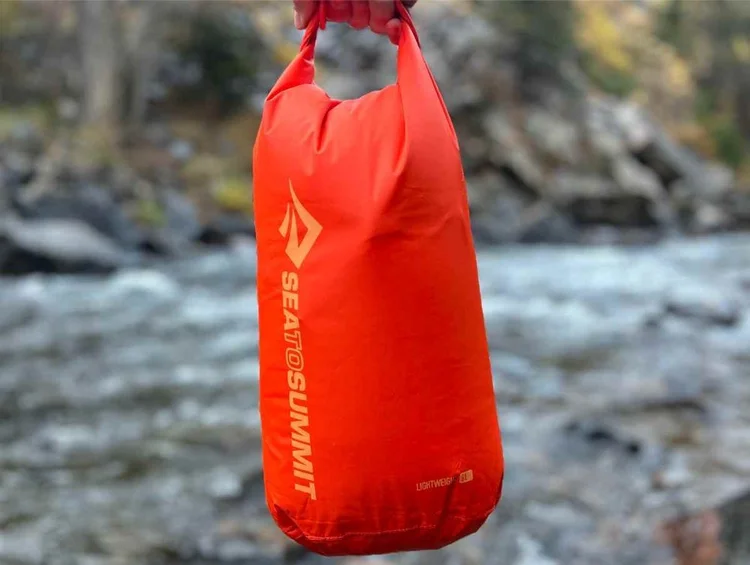
Credit: www.treelinereview.com
Choosing Dry Bag Sizes
Picking the right dry bag size is key to protecting your sleeping bag. A dry bag keeps your sleeping gear dry and safe from rain or water.
Choosing a size that fits your sleeping bag well avoids wasted space and helps pack better.
Common Dry Bag Capacities
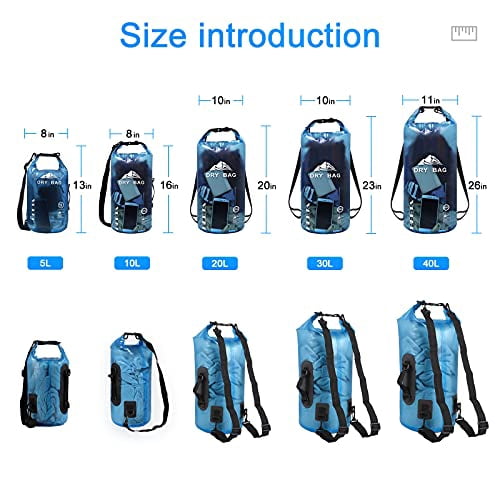
Dry bags come in many sizes. The most common capacities are 5, 10, 15, 20, and 30 liters. Each size fits different gear amounts.
- 5 liters: Small items like a compact sleeping bag or clothing
- 10 liters: Lightweight sleeping bags or small camping gear
- 15 liters: Medium-sized sleeping bags or extra clothes
- 20 liters: Large sleeping bags or bulky gear
- 30 liters: Extra large sleeping bags or multiple items
Matching Dry Bag To Sleeping Bag Volume
To pick the best dry bag, know your sleeping bag’s packed volume. This is how much space it takes when compressed.
| Sleeping Bag Volume (Liters) | Recommended Dry Bag Size (Liters) |
| Up to 8 | 10 |
| 9 to 14 | 15 |
| 15 to 20 | 20 |
| 21 and above | 30 or larger |
Choose a dry bag slightly larger than your sleeping bag volume. This gives extra room for easy packing and prevents damage.
Credit: www.walmart.com
Measuring Your Sleeping Bag
Choosing the right size dry bag for your sleeping bag is important. It keeps your gear safe and dry during trips.
To pick the best dry bag size, you must first measure your sleeping bag correctly. This helps you avoid carrying extra weight.
Checking Dimensions And Compression
Start by measuring your sleeping bag’s length, width, and thickness. Use a tape measure or ruler for accuracy.
Think about how much you can compress your sleeping bag. Some bags compress a lot, others less.
- Measure length from head to foot
- Measure width at the widest point
- Measure thickness when fully rolled or stuffed
- Note how much space it takes when compressed
Estimating Packed Size
After measuring, estimate the packed size of your sleeping bag. This helps choose a dry bag that fits well.
Check product details or test packing your sleeping bag into different dry bag sizes to find a good fit.
- Compare your sleeping bag’s packed size to dry bag capacity
- Allow extra space for easy packing and compression
- Choose a slightly larger dry bag if unsure
Material And Compression Factors
Choosing the right dry bag for your sleeping bag is important. You must consider material and compression factors.
These factors help in deciding the size of the dry bag that will best fit your needs. Let’s explore each aspect.
Impact Of Sleeping Bag Material
Sleeping bags are made from various materials. This affects their size when packed.
- Down Sleeping Bags: Compress smaller, ideal for tight spaces.
- Synthetic Sleeping Bags: Bulkier, need larger dry bags.
- Cotton Sleeping Bags: Less common, generally larger when packed.
Compression Sack Vs Dry Bag
Compression sacks and dry bags serve different purposes. Understand these to make the right choice.
| Feature | Compression Sack | Dry Bag |
| Waterproof | No | Yes |
| Compression | High | Low |
| Best Use | Packing tight | Keeping dry |
Selecting The Right Dry Bag
Choosing the correct dry bag size for your sleeping bag is important. It keeps your gear safe and dry during trips.
Pick a dry bag that fits well but also gives room for extra items. This helps keep everything organized.
Considering Extra Space For Accessories
Besides your sleeping bag, you may carry small items like pillows or liners. These need space inside the dry bag.
Choose a bag slightly larger than your sleeping bag’s packed size. This gives room for accessories and easy packing.
- Small dry bags fit only the sleeping bag
- Medium bags fit sleeping bag plus small items
- Large bags hold extra gear like clothes or towels
Balancing Weight And Bulk
Bigger dry bags hold more but weigh more too. Smaller bags are lighter but may be tight for your gear.
Think about how much weight you can carry comfortably. Pick a bag size that balances space with weight.
- Large dry bags add bulk and weight
- Compact bags reduce weight but limit space
- Find a size that fits your trip needs
Tips For Packing Efficiently
Choosing the right size dry bag for your sleeping bag helps save space. Packing well keeps your gear safe and dry.
Efficient packing makes your backpack lighter and easier to carry. Use smart techniques to fit your sleeping bag in the dry bag.
Rolling Vs Stuffing Techniques
Rolling your sleeping bag keeps it neat and compact. It helps reduce wrinkles and makes it easier to fit in the dry bag.
Stuffing is faster but can leave gaps in the bag. It works well for soft sleeping bags but may take more space.
- Rolling saves space and protects insulation
- Stuffing is quick and simple
- Choose rolling for long trips
- Use stuffing for short trips or soft bags
Using Compression Straps
Compression straps reduce the size of your packed sleeping bag. They squeeze the bag tightly, fitting it into smaller dry bags.
Straps also keep your bag secure and prevent it from expanding. This helps maintain balance in your backpack.
- Wrap straps around the dry bag
- Tighten straps evenly
- Check straps often during the trip
- Use straps with rolling or stuffing methods

Credit: gearjunkie.com
Popular Dry Bag Brands And Sizes
Choosing the right dry bag size is key for keeping your sleeping bag dry. Different brands offer various sizes to fit your needs. Knowing popular brands helps you pick the best option.
Dry bags protect your gear from water and dirt. They come in many sizes, so it is important to match your sleeping bag with the right dry bag.
Top Brands To Consider
Many trusted brands make dry bags for outdoor use. These brands offer quality and durability. Some popular names include Sea to Summit, Osprey, and NRS.
- Sea to Summit:Known for lightweight, strong dry bags.
- Osprey:Offers dry bags with good compression features.
- NRS:Makes rugged dry bags for heavy use.
- REI Co-op:Provides affordable, reliable dry bags.
- Earth Pak:Known for waterproof dry bags with roll-top closures.
These brands come in sizes from small (5 liters) to large (30 liters and more). Choose a size that fits your sleeping bag snugly to save space.
Size Recommendations From Manufacturers
Manufacturers suggest sizes based on sleeping bag volume. Most sleeping bags fit in dry bags sized 10 to 20 liters. Larger bags need bigger dry bags to hold them without tight packing.
| Sleeping Bag Size | Recommended Dry Bag Size |
|---|---|
| Compact (Down or Synthetic, small pack size) | 10 to 15 liters |
| Medium (Standard sleeping bags) | 15 to 20 liters |
| Large (Winter bags or double bags) | 20 to 30 liters |
Always check the sleeping bag’s packed size on its label. Pick a dry bag with a little extra room for easy packing and unpacking.
Frequently Asked Questions
What Size Dry Bag Fits A Standard Sleeping Bag?
A 10 to 15-liter dry bag usually fits a standard sleeping bag. It protects your sleeping bag from moisture and dirt. Always check your sleeping bag’s packed size for the best fit. Opt for a slightly larger dry bag to allow easy packing.
How To Choose Dry Bag Size For A Sleeping Bag?
Choose a dry bag size based on your sleeping bag’s compressed volume. Measure your sleeping bag when packed and add 10-20% extra space. This ensures easy packing and prevents damage. Consider the dry bag’s material and compression features as well.
Can A Small Dry Bag Protect My Sleeping Bag?
A small dry bag may fit but might not protect effectively. If too tight, it can damage the sleeping bag’s insulation. Choose a dry bag that allows a comfortable fit and proper sealing. Protection and ease of use are key factors.
Is A 20l Dry Bag Good For Sleeping Bags?
A 20-liter dry bag is ideal for larger or double sleeping bags. It offers enough room for bulky insulation and extra gear. This size ensures your sleeping bag stays dry and compressed. Always check your specific sleeping bag size before buying.
Conclusion
Choosing the right dry bag size keeps your sleeping bag safe and dry. A bag too small can squish your gear, causing damage. Too big means extra weight and wasted space. Think about your sleeping bag’s size and how much room you need.
Pick a dry bag that fits well and is easy to carry. This simple step helps your camping trip go smoothly. Dry bags protect your gear and make packing easier. Keep your sleeping bag dry, comfortable, and ready for adventure.