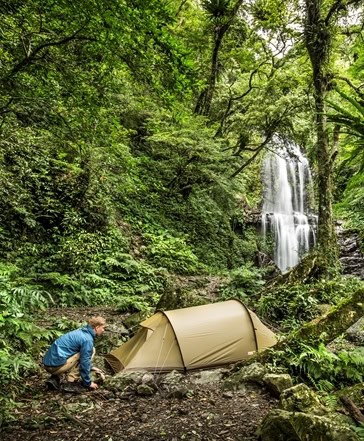
Have you ever wondered what’s really inside your tent’s fabric? If you’re planning your next outdoor adventure, understanding what PFAS in tents means for you is crucial.
These chemicals might be hiding in your gear, affecting your health and the environment without you even knowing. Stick with me, and you’ll discover what PFAS are, why they’re used in tents, and how they could impact your camping experience.
Knowing this could change the way you choose your next tent—and keep you safer on your trips.

Credit: www.bigagnes.com
Pfas Chemicals In Tents
Tents often use special chemicals to resist water and stains. Some of these chemicals belong to a group called PFAS. These chemicals help make tents more durable and weatherproof.
PFAS can stay in the environment for a long time. People are learning more about how PFAS might affect health and nature. Knowing where PFAS are used helps us make safe choices.
What Are Pfas?
PFAS stands for per- and polyfluoroalkyl substances. These are man-made chemicals with strong bonds between atoms. This strength makes them resistant to heat, water, and oil.
- PFAS resist water and stains well.
- They do not break down easily in nature.
- PFAS are used in many products for protection.
- Some PFAS can build up in the body over time.
Common Uses In Outdoor Gear
Outdoor gear often needs to stay dry and clean. PFAS chemicals help make fabrics water-resistant and stain-repellent. Tents, jackets, and backpacks may contain PFAS coatings.
| Outdoor Gear | Use of PFAS |
| Tents | Waterproof fabric coatings |
| Jackets | Stain and water resistance |
| Backpacks | Durable, water-repellent surfaces |
| Sleeping Bags | Waterproof outer layers |

Credit: riseoutdoor.ca
Health Risks Linked To Pfas
PFAS are chemicals used in many tents to make fabrics water and stain resistant. These chemicals can stay in the body for a long time. They may cause health problems.
People can absorb PFAS through skin contact or breathing in dust from tents. It is important to know the risks of these chemicals.
Potential Toxic Effects
PFAS exposure can cause harmful effects on the body. These chemicals may affect different organs and systems.
- Damage to the liver and kidneys
- Lower immune system response
- Changes in hormone levels
- Increased cholesterol levels
- Higher risk of some cancers
Long-term Exposure Concerns
Long-term contact with PFAS can lead to serious health problems. These issues may take years to appear.
| Health Issue | Possible Effect |
| Immune System | Weakened defense against infections |
| Reproductive Health | Reduced fertility and pregnancy problems |
| Development | Delays in child growth and learning |
| Cancer Risk | Higher chance of kidney and testicular cancer |
Environmental Impact Of Pfas
PFAS, or per- and polyfluoroalkyl substances, are man-made chemicals. They are used in many products, including some tents. These chemicals can impact the environment in various ways.
Their widespread use and resistance to breaking down pose challenges. This leads to long-term environmental issues that need addressing.
Persistence In Nature
PFAS are known for their persistence in the environment. They do not break down easily, remaining in soil and water for long periods.
- Resistant to natural degradation processes
- Accumulate in the ecosystem over time
- Potentially harmful to wildlife and plants
Contamination Of Water Sources
PFAS can contaminate water sources, affecting drinking water. This contamination poses risks to human health and aquatic life.
Some key facts about water contamination include:
| Source of Contamination | Impact |
| Groundwater | Long-term pollution |
| Surface water | Disrupts aquatic ecosystems |
| Drinking water | Health risks to humans |

Credit: www.cruaoutdoors.com
How Pfas Get Into Tents
PFAS are chemicals used to make tents water and stain resistant. They help tents last longer in wet and dirty conditions.
These chemicals enter tents during their making. They coat the fabric to protect it from water and stains.
Waterproofing And Stain Resistance
PFAS are added to tent fabrics to stop water from soaking in. This keeps the tent dry inside.
They also help keep dirt and stains from sticking to the fabric. This makes tents easier to clean.
- PFAS create a protective layer on fabric
- This layer repels water and oils
- Tents stay dry and clean longer
Manufacturing Processes
During manufacturing, tents are sprayed or dipped in PFAS chemicals. This adds the protective coating.
The fabric dries after treatment, locking PFAS into the material. This process makes tents strong and weatherproof.
- Fabric is treated with PFAS solutions
- Tents are heated to fix the coating
- PFAS stays bonded to fibers for durability
Identifying Pfas-free Tents
PFAS are chemicals used to make tents water-resistant. These chemicals can harm the environment and health. Finding tents without PFAS is important for safe outdoor gear.
PFAS-free tents use different materials or treatments. Knowing how to spot them helps you choose safer options.
Labels And Certifications
Some tents have labels that show they are free of PFAS. Certifications from trusted groups also prove the tent meets safety standards.
Look for labels or certificates that say “PFAS-free” or “No fluorinated chemicals.” These show the tent is safer for you and the environment.
- OEKO-TEX Standard 100: Tests for harmful substances
- Bluesign®: Ensures safe textile production
- GreenGuard: Verifies low chemical emissions
- Specific PFAS-free labels from manufacturers
Material Alternatives
PFAS-free tents use different fabrics and coatings. These materials keep tents waterproof without harmful chemicals.
Common alternatives include natural wax coatings or silicone treatments. These protect tents from water and are safer for people and nature.
- Waxed cotton: Natural and water-resistant
- Silicone-coated nylon: Durable and waterproof
- Polyurethane coatings: PFAS-free and strong
- Polyester with non-fluorinated finishes
Reducing Exposure When Camping
PFAS are chemicals used to make tents water-resistant and stain-proof. These chemicals can be harmful if they build up in your body. Learning how to reduce exposure helps keep you safe while camping.
This guide covers ways to limit contact with PFAS in tents. Proper ventilation and cleaning keep the air fresh and reduce chemical buildup.
Proper Ventilation
Good airflow inside your tent lowers the chances of breathing in PFAS particles. It also helps dry any moisture that can trap chemicals.
- Open windows and vents during the day.
- Keep the tent door open when possible.
- Choose campsites with natural airflow.
- Use tents with mesh panels for better air movement.
Cleaning And Maintenance Tips
Cleaning your tent regularly removes dirt and chemicals on the fabric. Proper care reduces PFAS buildup and extends tent life.
| Cleaning Task | Method |
| Remove dirt | Brush off with a soft broom |
| Wash fabric | Use mild soap and water, rinse well |
| Dry tent | Air dry fully before storage |
| Store tent | Keep in a cool, dry place |
Regulations And Industry Changes
PFAS are chemicals used in tents for water and stain resistance. These chemicals raise health and environmental concerns. Laws and industry actions aim to reduce or eliminate PFAS use in tents.
Understanding current rules and how brands react helps buyers make safer choices. This section covers laws on PFAS and how companies change their products.
Current Laws On Pfas Use
Governments set limits on PFAS chemicals in tents. These rules protect people and nature from harmful effects. Different countries have different laws.
- The European Union restricts many PFAS types in outdoor gear.
- The United States is phasing out some PFAS in consumer products.
- Some states require clear labeling on PFAS content.
- New laws focus on safer chemical alternatives.
Brands Moving Away From Pfas
Many tent makers avoid PFAS to meet laws and customer demand. These brands use new materials that block water without harmful chemicals.
| Brand | PFAS Status | Alternatives Used |
| OutdoorCo | PFAS-free since 2022 | Silicone and wax coatings |
| CampSafe | Phase-out in progress | Polyurethane coatings |
| EcoTent | Never used PFAS | Natural oils and plant-based treatments |
Frequently Asked Questions
What Is Pfas In Tents?
PFAS are man-made chemicals used to make tents water and stain-resistant. They repel water, oil, and dirt, enhancing tent durability and performance.
Why Are Pfas Chemicals Used In Tents?
PFAS improve tents’ waterproofing and weather resistance. They create a durable barrier that keeps tents dry and clean in harsh outdoor conditions.
Are Pfas In Tents Harmful To Health?
Some PFAS are linked to health risks like hormone disruption. Prolonged exposure to certain PFAS chemicals may pose safety concerns.
How To Identify Pfas-free Tents?
Look for tents labeled “PFAS-free” or “eco-friendly. ” Check product details or certifications to ensure no harmful PFAS chemicals are used.
Conclusion
PFAS chemicals in tents raise health and environmental concerns. These substances resist water and stains but can harm people and nature. Knowing about PFAS helps you make safer choices. Choose tents without harmful chemicals for a cleaner outdoor experience. Stay informed and protect yourself and the planet.
Small steps matter for healthier camping adventures.