Want to master the art of cooking on a charcoal grill? Whether you’re a beginner or just looking to improve your grilling skills, this guide will show you exactly how to do it right.
You’ll learn simple steps to light the charcoal, manage the heat, and cook your food to juicy perfection. By the end, you’ll feel confident firing up your grill and impressing your family and friends with delicious, smoky flavors. Ready to become the grill master you’ve always wanted to be?
Let’s get started!

Credit: www.farmboy.ca
Choosing The Right Charcoal
Picking the right charcoal is important for a good grilling experience. It affects the heat and flavor of your food.
There are different types of charcoal to choose from. Learn about lump charcoal and briquettes to decide which works best.
Lump Charcoal Vs Briquettes
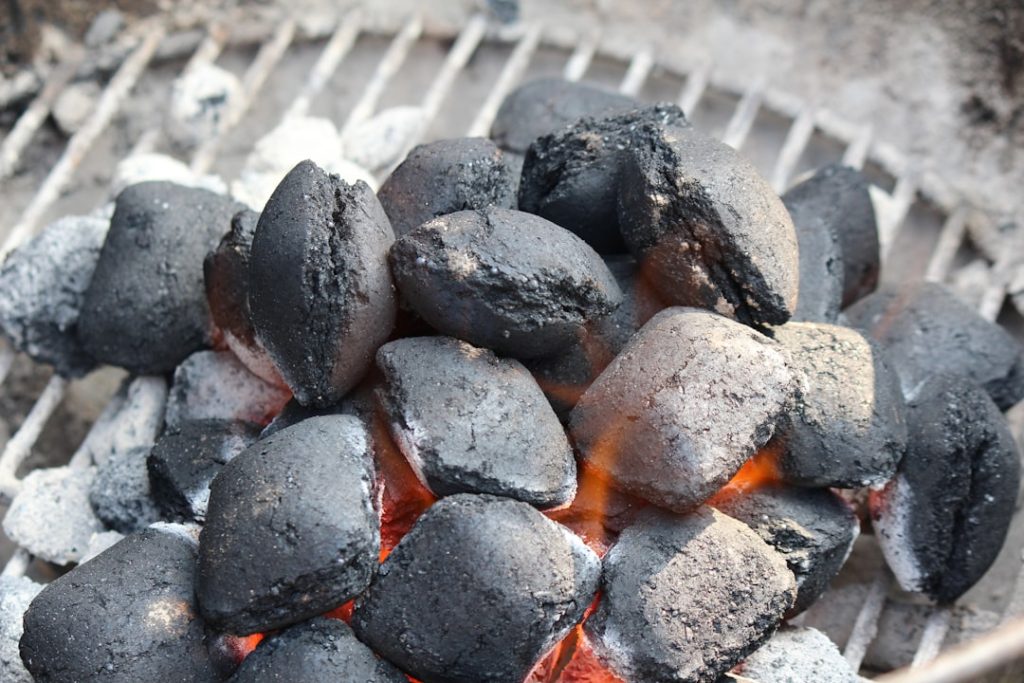
Lump charcoal is made by burning wood until only carbon remains. It lights quickly and burns hot.
Briquettes are made from compressed charcoal dust and other ingredients. They burn longer and give steady heat.
- Lump charcoal burns hotter and faster.
- Briquettes burn slower and last longer.
- Lump charcoal gives a natural smoky flavor.
- Briquettes provide consistent heat for longer grilling.
Natural Vs Chemical Additives
Some charcoal contains natural ingredients only. Others have chemical additives to help with lighting or burning.
Natural charcoal is better for a clean taste and less smoke. Charcoal with chemicals may burn easier but can affect flavor.
- Natural charcoal has no added chemicals.
- Chemical additives help charcoal light faster.
- Chemicals may produce unwanted flavors or fumes.
- Choose natural charcoal for healthier grilling.
Credit: www.hungryhuy.com
Setting Up Your Grill
Setting up your charcoal grill is the first step for a great cookout. It helps you get the best heat and taste for your food.
Follow simple steps to prepare your grill. This guide will cover cleaning, arranging charcoal, and lighting techniques.
Cleaning The Grill
Clean the grill before you start. Remove leftover ashes and food bits to avoid bad flavors.
Use a wire brush to scrub the grates. Clean grates help food cook evenly and prevent sticking.
Arranging The Charcoal
Place charcoal in your grill to control cooking heat. You can set up for direct or indirect grilling.
- For direct heat, spread charcoal evenly in one layer.
- For indirect heat, pile charcoal on one side only.
- Use more charcoal for longer cooking times.
Lighting Techniques
Light charcoal safely for a strong, steady fire. Use easy methods to start your grill quickly.
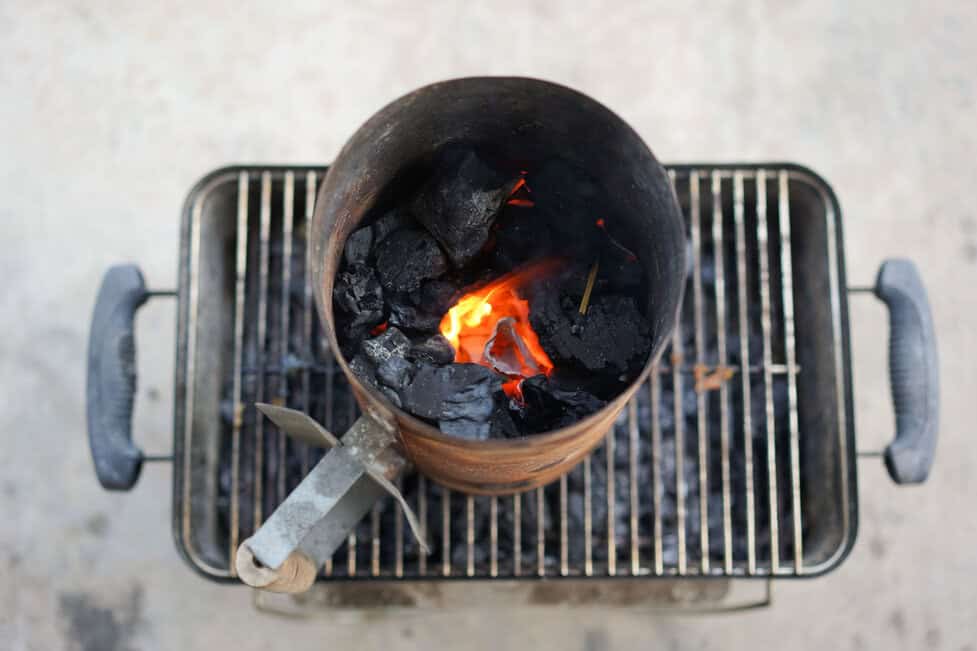
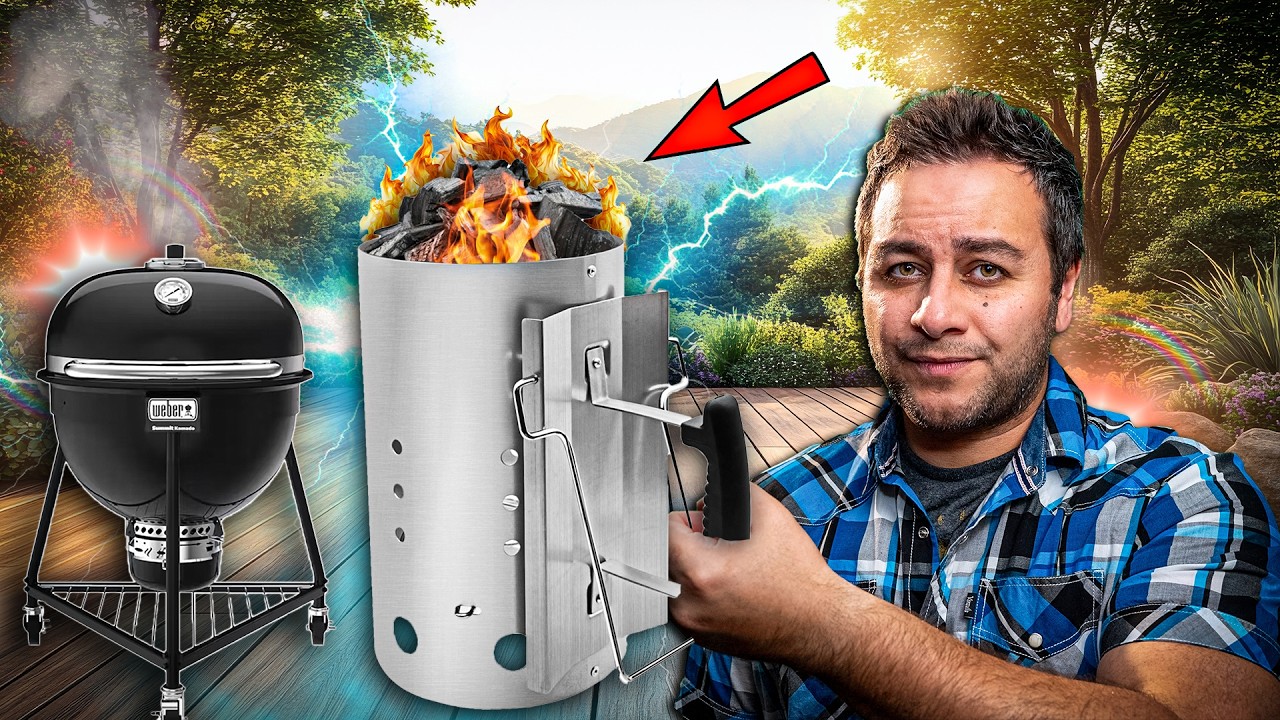
- Use a chimney starter for even lighting without chemicals.
- Arrange charcoal in a pyramid shape to help flames spread.
- Avoid lighter fluid to keep food flavor pure.
Managing Grill Temperature
Controlling the temperature on a charcoal grill is key to cooking food well. You can cook fast or slow by managing the heat.
Knowing how to use heat and tools helps keep the grill at the right temperature for your meal.
Direct Vs Indirect Heat
Direct heat cooks food right above the coals. It is best for searing and fast cooking.
Indirect heat cooks food beside the coals. It is good for slow cooking and larger cuts of meat.
- Direct heat: Place food near hot coals
- Indirect heat: Place food away from coals
- Use a lid to keep heat even
Using Vents For Temperature Control
Vents control the air flow inside the grill. More air makes the fire hotter. Less air cools it down.
| Vent Position | Effect on Temperature |
| Open vents | Increases heat |
| Half open vents | Keeps steady heat |
| Closed vents | Reduces heat or puts out fire |
Temperature Monitoring Tools
Thermometers help check grill temperature. You can use built-in or handheld tools.
Common tools include:
- Grill lid thermometer
- Probe thermometer for meat
- Infrared thermometer for surface heat
Preparing Food For The Grill
Charcoal grilling brings out rich flavors in your food. Preparing properly ensures a tasty and safe meal.
Understanding how to prepare your food before grilling is key. Let’s explore some essential steps.
Marinating And Seasoning
Marinating adds flavor and tenderizes meat. Use simple ingredients for best results.
- Mix olive oil, lemon juice, and garlic for a basic marinade.
- Season with salt, pepper, and herbs.
- Marinate meat for at least 30 minutes before grilling.
Choosing The Right Cuts
Different cuts of meat cook differently. Choose wisely for even grilling.
| Meat Cut | Best for Grilling |
| Chicken Thighs | Juicy and flavorful |
| Ribeye Steak | Rich marbling |
| Pork Chops | Quick cooking |
Prepping For Even Cooking
Proper prep ensures food cooks evenly. Follow these steps to avoid uneven cooking.
Consider the thickness of your cuts. Thicker pieces need more time on the grill.
Arrange your food on the grill with space between each piece. This helps heat circulate.
- Trim excess fat to prevent flare-ups.
- Use skewers for small items like vegetables.
- Turn food halfway through cooking for even results.
Grilling Techniques
Grilling with charcoal adds a smoky taste to your food. Knowing the right techniques helps you cook delicious meals. This guide covers key methods to improve your grilling skills.
Focus on searing to lock in flavor, slow cooking for juicy results, and avoiding common mistakes that can spoil your food.
Searing For Flavor
Searing cooks the surface of meat at high heat. This process creates a tasty crust that keeps juices inside. Use direct heat close to the coals for best results.
- Preheat the grill until coals are white-hot
- Place meat directly over the heat
- Cook without moving for 2 to 3 minutes per side
- Turn once to get a dark brown crust
- Finish cooking on cooler side if needed
Slow Cooking For Tenderness
Slow cooking uses lower heat to break down tough fibers. This method works well for large or tough cuts of meat. Keep the lid closed to hold heat and smoke.
| Tip | Details |
| Set up two zones | Place coals on one side for direct heat; leave other side empty |
| Cook on cooler side | Use indirect heat to avoid burning |
| Keep lid closed | Retain heat and add smoky flavor |
| Use a drip pan | Catch fat to prevent flare-ups |
Avoiding Common Mistakes
Grilling mistakes can ruin your food. Watch out for these common errors to get better results every time.
- Don’t use too much lighter fluid; it can cause bad taste
- Avoid opening the grill often; it wastes heat
- Do not cook cold meat; bring it to room temperature first
- Clean the grill grates before cooking to prevent sticking
- Use a meat thermometer to avoid under or overcooking
Safety Tips For Charcoal Grilling
Charcoal grilling is fun but requires care. Safety helps avoid accidents and injuries.
Follow simple rules to keep yourself and others safe during grilling.
Handling Hot Coals
Hot coals can cause burns. Always use long-handled tools to move them.
Wear heat-resistant gloves to protect your hands from sparks and heat.
- Use metal tongs or a shovel for coals
- Do not touch coals with bare hands
- Keep children and pets away from hot coals
- Let coals cool completely before disposal
Fire Safety Precautions
Always have a fire extinguisher or water nearby. Fires can spread fast.
Never leave the grill unattended while it is lit or hot.
- Keep a bucket of sand or water close
- Do not wear loose clothing near the grill
- Extinguish flames completely after cooking
- Avoid using too much lighter fluid
Proper Grill Placement
Place your grill on a flat, stable surface to avoid tipping over.
Keep the grill far from buildings, trees, and flammable items.
- Set grill at least 10 feet away from your house
- Do not grill under low-hanging branches or awnings
- Use the grill outdoors only, never inside
- Ensure good airflow around the grill
Cleaning And Maintenance
Cleaning and maintaining your charcoal grill keeps it safe and working well. Regular care helps avoid rust and buildup.
Good maintenance also makes your grill last longer. It saves money and keeps food tasting great.
Post-grill Cleaning
After grilling, wait for the grill to cool down. Then remove ashes and leftover charcoal to stop rust.
Use a grill brush to clean the grates. Scrub off any stuck food or grease while the grates are still warm.
- Empty the ash catcher or tray
- Scrape grill grates with a wire brush
- Wipe down the outside with a damp cloth
- Check for any leftover food or debris
Extending Grill Lifespan
Keep your grill dry to stop rust. Cover it when not in use and clean it regularly.
Check parts like grates and vents for damage. Replace worn parts to keep the grill safe and working well.
- Season cast iron grates with oil
- Remove grease and food particles often
- Inspect and tighten loose screws
- Replace cracked or broken parts promptly
Storage Tips
Store your charcoal grill in a dry, sheltered area. Avoid places where rain or snow can reach it.
Use a grill cover to protect it from dust and moisture. Keep the lid closed to prevent dirt inside.
- Move grill to a garage or shed if possible
- Cover grill with a waterproof cover
- Keep grill lid shut during storage
- Store charcoal separately in a dry container
Credit: www.youtube.com
Enhancing Flavor
Charcoal grilling gives food a rich, smoky taste. You can make the flavor even better with simple tricks.
Using different ingredients and techniques helps you enjoy tasty grilled meals every time.
Using Wood Chips
Wood chips add extra flavor to your charcoal grill. Soak the chips in water for 30 minutes before use.
Place the wet chips on hot charcoal. They will create smoke that adds a nice taste to your food.
- Hickory wood gives a strong smoky flavor
- Apple wood adds a sweet, fruity taste
- Mesquite wood offers a bold, earthy flavor
Adding Smoke Flavor
Smoke flavor is key to great charcoal grilling. You can add it by controlling airflow and smoke time.
Keep the grill covered to trap smoke inside. This helps the food soak in the smoky taste.
- Use a smoker box or foil pouch for wood chips
- Keep vents partially closed to slow airflow
- Cook food slowly over low heat for more smoke
Experimenting With Rubs And Sauces
Rubs and sauces add layers of flavor to grilled food. Try different spices and mixes to find your favorite.
Apply rubs before grilling and sauces near the end. This keeps the flavors fresh and tasty.
- Use salt, pepper, paprika, and garlic powder for basic rubs
- Try sweet sauces like barbecue or honey mustard
- Mix spicy rubs with chili powder and cayenne pepper
Frequently Asked Questions
How Do You Start A Charcoal Grill Safely?
To start a charcoal grill safely, use a chimney starter or lighter fluid. Arrange charcoal evenly and light it in a well-ventilated area. Wait until coals are covered with white ash before cooking for the best heat and safety.
How Long Does Charcoal Take To Heat Up?
Charcoal typically takes 15 to 20 minutes to heat fully. Wait until the coals are covered with grayish-white ash. This indicates they are at the ideal temperature for grilling.
What Is The Best Charcoal For Grilling?
Lump charcoal and briquettes are popular choices. Lump charcoal lights faster and burns hotter but burns quicker. Briquettes burn longer and provide steady heat, ideal for slow cooking.
How Do You Control Temperature On A Charcoal Grill?
Control temperature by adjusting air vents and charcoal placement. Open vents increase heat, while closing them reduces oxygen and lowers temperature. Moving coals to one side creates direct and indirect heat zones.
Conclusion
Charcoal grilling brings a rich, smoky flavor to your food. Start with clean, dry charcoal for steady heat. Control the fire by adjusting the vents and adding coals as needed. Keep your grill clean to avoid flare-ups and bad tastes.
Practice helps you learn the best cooking times and temperatures. Enjoy the process and the delicious meals you create. Charcoal grilling is simple, fun, and rewarding. Give it a try and taste the difference yourself.