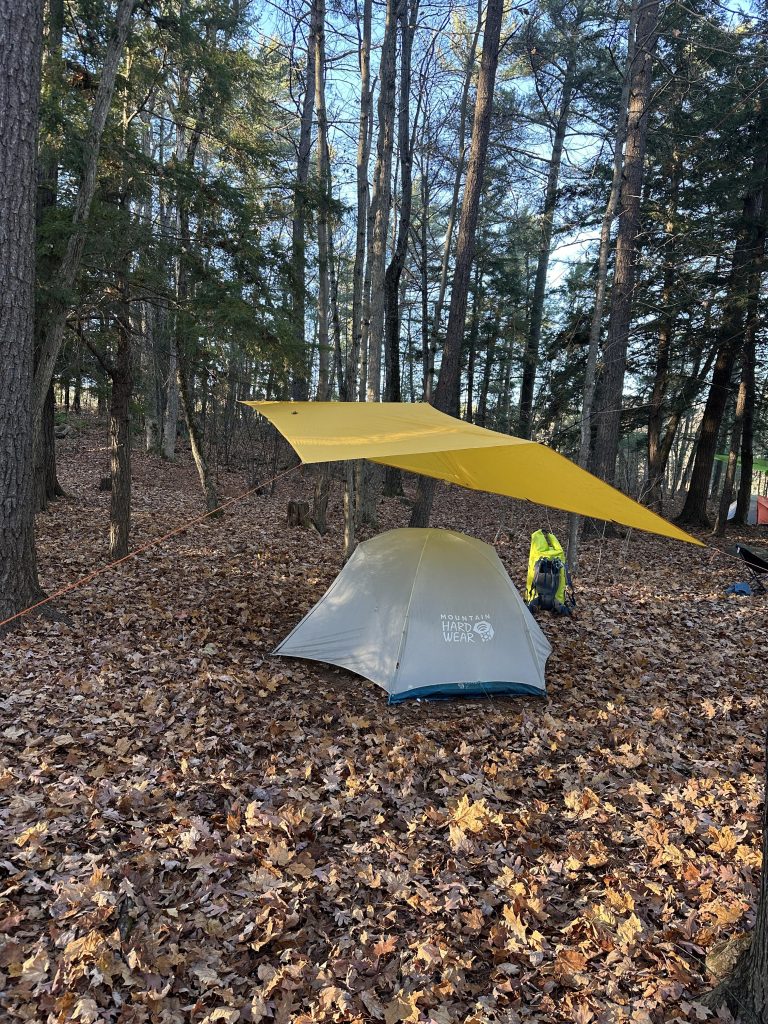
Are you planning your next camping trip and wondering if you should put a tarp under your tent? It might seem like a small detail, but using a tarp can make a big difference in your camping experience.
From keeping your tent floor dry to protecting it from damage, a tarp can be a simple way to save yourself from discomfort and costly repairs. You’ll discover why adding a tarp might be one of the smartest moves you make before you set up camp.
Keep reading to find out how this easy step can improve your outdoor adventure.

Credit: www.reddit.com
Benefits Of Using A Tarp
Using a tarp under your tent adds an extra layer of protection. It helps keep your tent clean and dry. A tarp also extends the life of your tent by shielding it from damage.
Many campers use tarps to improve their camping experience. They are easy to carry and set up. The benefits go beyond just comfort and include practical protection.
Protecting Tent Floor
A tarp acts as a barrier between the ground and your tent floor. It stops dirt, mud, and sharp objects from touching your tent. This helps keep your tent floor clean and dry.
- Prevents damage from rocks and sticks
- Reduces wear and tear on the tent floor
- Keeps bugs and moisture away
- Makes cleaning easier after camping
Extra Waterproof Layer
A tarp adds an extra waterproof layer under your tent. This is useful when the ground is wet or after heavy rain. It helps stop water from seeping through the tent floor.
| Condition | Without Tarp | With Tarp |
| Light Rain | Possible dampness inside tent | Dry tent floor |
| Heavy Rain | Water may seep in | Water stays outside |
| Wet Ground | Moisture rises inside tent | Extra barrier stops moisture |
Preventing Abrasions And Tears
Rough ground can cause small tears and holes in your tent. A tarp softens the surface and reduces rubbing. It protects your tent fabric from sharp objects and rough spots.
Benefits of using a tarp to prevent damage:
- Protects against sharp rocks and roots
- Reduces friction from moving inside the tent
- Helps maintain the tent’s strength
- Extends the tent’s usable life

Credit: www.reddit.com
Types Of Tarps For Camping
Using a tarp under your tent helps protect it from moisture and sharp objects. Choosing the right tarp depends on your camping needs and environment.
Tarps come in different materials. Each type has strengths and weaknesses. Here are three common types for camping.
Polyethylene Tarps
Polyethylene tarps are made from a plastic material. They are waterproof and affordable. These tarps often have reinforced edges and grommets.
They work well for protecting your tent floor from wet ground. Poly tarps can be heavier and noisy in the wind. They are not very breathable.
- Waterproof and durable
- Easy to clean
- Can tear if caught on sharp objects
- Heavier than other tarp types
Silnylon Tarps
Silnylon tarps are made from nylon fabric coated with silicone. They are lightweight and strong. These tarps are popular among backpackers.
They dry quickly and resist water well. Silnylon tarps are quieter in the wind. They cost more than polyethylene tarps but offer better packability.
- Lightweight and strong
- Water-resistant with silicone coating
- More expensive than plastic tarps
- Can stretch when wet
Canvas Tarps
Canvas tarps are made from thick cotton fabric. They are heavy but very durable. Canvas tarps breathe well and can handle rough use.
They absorb water but dry slowly. Canvas tarps provide good insulation from the ground. They are ideal for long-term camping in dry conditions.
- Very durable and strong
- Breathable but absorbs water
- Heavy and bulky
- Good for rough terrains
How To Choose The Right Tarp
When setting up a tent, a tarp can protect the tent floor. It keeps moisture away and adds an extra layer of comfort. Choosing the right tarp is important for a successful camping trip.
Not all tarps are the same. Consider size, weight, and material before making a choice.
Size And Fit
The tarp should fit under the tent without sticking out. A tarp that is too large can collect rainwater. Measure your tent’s footprint before buying a tarp.
- Measure the tent base
- Choose a tarp slightly smaller than the tent
- Check for adjustable options
Weight Considerations
Weight is important when carrying gear. A lightweight tarp is easier to pack and carry. Heavy tarps can be more durable but are harder to transport.
- Lightweight tarps are ideal for hiking
- Heavier tarps suit car camping
- Consider the balance between weight and durability
Durability And Material
Durable tarps last longer and withstand harsh conditions. Look for tarps made from strong materials. Polyethylene and nylon are common choices.
- Polyethylene tarps are waterproof and durable
- Nylon tarps are lightweight and strong
- Check the tarp’s thickness for durability
Proper Tarp Placement
Using a tarp with your tent can protect you from moisture and damage. Where you place the tarp makes a big difference in its effectiveness. This guide explains the best ways to place a tarp around your tent.
Placing a tarp correctly helps keep your tent dry and extends its life. You can put it under the tent, over the tent, or both, depending on the weather and ground.
Under Tent Setup
Placing a tarp under your tent adds a layer of protection from wet or rough ground. It stops moisture from seeping into the tent floor and helps prevent tears.
- Use a tarp that is slightly smaller than your tent footprint.
- Make sure the tarp edges do not stick out to avoid water pooling under the tent.
- Choose a tarp made of durable, waterproof material.
- Lay the tarp flat and smooth before pitching the tent.
Over Tent Shelter
Putting a tarp over your tent creates extra shelter from rain and sun. This setup can keep the tent cooler and drier during storms.
- Secure the tarp above the tent using ropes or poles.
- Make sure the tarp is angled so rainwater can run off easily.
- Leave space between the tarp and the tent for air circulation.
- Check that the tarp covers the tent fully, including the sides.
Avoiding Water Pools
Water pooling can cause leaks and damage your tent. Proper tarp placement helps avoid this problem.
| Common Cause | How to Avoid |
| Tarp edges sticking out | Keep tarp smaller than tent footprint |
| Tarp laid on uneven ground | Choose flat, sloped ground for setup |
| Tarp over tent flat or loose | Angle tarp and secure tightly |
| Poor drainage around campsite | Pick a site with natural water runoff |
Common Mistakes To Avoid
Using a tarp under your tent helps protect it from moisture and damage. But some mistakes can cause problems instead of helping.
Knowing what to avoid will keep your camping setup safe and dry. Read on to learn common errors and how to fix them.
Leaving Tarp Exposed
Many campers leave the tarp edges exposed beyond the tent floor. This can cause water to collect under the tent in rain. The tarp can also catch wind and flap, which may damage the tent floor.
Make sure the tarp stays hidden beneath the tent. The tarp should be slightly smaller or the same size as the tent footprint. This stops water from pooling under the tent and protects the tarp from wind.
Using Tarp Too Small Or Large
Choosing the wrong tarp size can reduce its protection. A tarp that is too small leaves parts of the tent floor exposed. A tarp that is too large extends beyond the tent, which lets water collect underneath.
- Use a tarp that matches or is slightly smaller than your tent footprint.
- Do not let tarp edges stick out past the tent perimeter.
- Check tarp size before setting up your tent.
Ignoring Ground Conditions
Ignoring the ground where you place your tarp can cause damage. Wet or rocky ground can tear the tarp or make it less effective at blocking moisture.
| Ground Type | Effect on Tarp | Tip |
| Wet or muddy | Water seeps through, making tarp less useful | Choose a raised, dry spot |
| Rocky or sharp | Tarp can tear or puncture easily | Clear sharp objects before laying tarp |
| Uneven or sloped | Water pools under tent and tarp | Find flat ground or level the area |

Credit: www.reddit.com
Additional Camping Tips
Camping can be fun and safe with the right knowledge. Using a tarp under your tent helps, but there are other tips too. These tips cover picking a good campsite, caring for your gear, and packing smartly.
Read these tips to improve your camping experience and protect your gear from damage and bad weather.
Choosing Campsite Location
Pick a flat, dry spot to pitch your tent. Avoid low areas where water can collect. Check for sharp rocks or sticks that can tear your tent or tarp.
- Look for natural wind barriers like trees or bushes
- Avoid camping under dead branches that may fall
- Stay away from animal trails and insect nests
- Check the ground for drainage to prevent flooding
Maintaining Tent And Tarp
Keep your tent and tarp clean and dry to last longer. Dirt and moisture can cause damage or mold. Store them properly after use to protect the fabric and seams.
| Care Tip | Action |
| Cleaning | Use mild soap and water to clean dirt |
| Drying | Air dry fully before packing away |
| Storage | Store in a cool, dry place in a loose bag |
| Repairs | Patch holes or tears quickly with repair kits |
Packing And Transporting
Pack your tent and tarp carefully to avoid damage. Use their bags or cases and keep them dry during transport. Organize your gear so you can find everything easily.
- Fold the tarp and tent neatly to save space
- Place heavier items at the bottom of your pack
- Use waterproof bags or covers for protection
- Check your packing list before leaving
Frequently Asked Questions
Why Should You Put A Tarp Under A Tent?
A tarp protects the tent floor from moisture, dirt, and damage. It extends the tent’s life by preventing wear and tear. It also adds an extra layer of insulation, keeping the tent warmer and drier inside.
Can A Tarp Cause Water Pooling Under The Tent?
If a tarp extends beyond the tent floor, it can collect water. Water can pool under the tent and cause leaks or damage. Always trim the tarp to match the tent’s size for proper drainage.
What Type Of Tarp Is Best Under A Tent?
Choose a lightweight, waterproof tarp made of durable material like polyethylene. It should be slightly smaller than your tent floor. This prevents water from collecting between the tarp and tent.
Does A Tarp Improve Tent Stability?
A tarp itself does not improve tent stability. However, it provides a clean, dry surface for tent stakes. This can help maintain better tent anchoring on wet or uneven ground.
Conclusion
Putting a tarp under your tent can protect the floor from damage. It helps keep moisture out and adds extra comfort. A tarp also makes cleaning easier after camping. Choose a tarp that fits well and matches your tent size.
Avoid letting water pool between the tarp and tent. This simple step can extend your tent’s life and improve your camping experience. Try it on your next trip to see the difference yourself. Safe and dry camping starts with a good foundation.