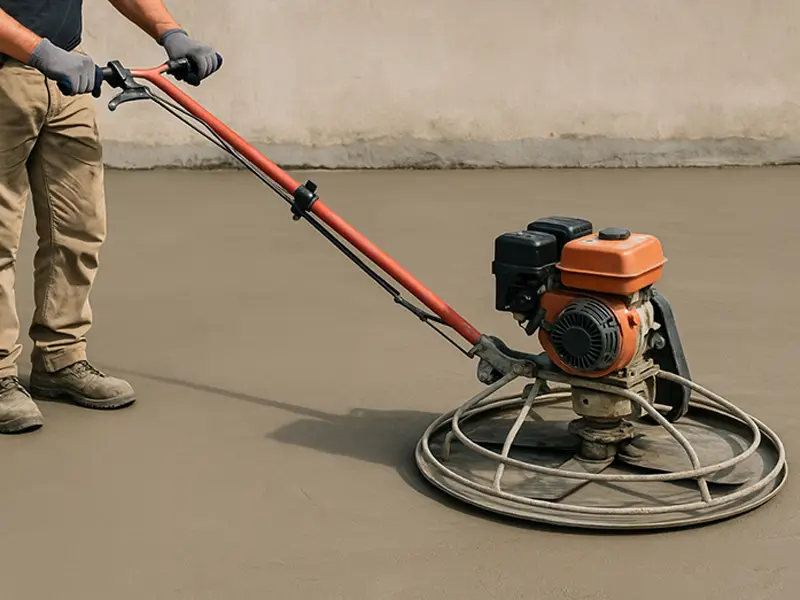
Are you ready to give your concrete projects a smooth, professional finish? Knowing how to trowel concrete properly can make all the difference between a rough, uneven surface and one that looks polished and strong.
Whether you’re fixing a driveway, pouring a new patio, or working on a small repair, mastering this simple skill will save you time and frustration. In this guide, you’ll discover easy, step-by-step tips that anyone can follow—no experience needed. Keep reading, and soon you’ll have the confidence to tackle your concrete work like a pro.
Preparing The Concrete Mix
Preparing the concrete mix is an important step before troweling. A good mix helps the concrete set properly and last longer.
You must choose the right materials and mix them well. This makes the concrete strong and easy to finish.
Choosing The Right Cement And Aggregates
Select cement that suits your project needs. Ordinary Portland Cement is common for most uses.
Aggregates include sand and gravel. Use clean, well-graded aggregates for better strength.
- Use fine sand without dirt or clay
- Choose gravel or crushed stone sized 10-20 mm
- Check that aggregates are dry and clean
Mixing Ratios For Durability
The right mix ratio helps concrete stay strong and last long. Ratios depend on the project type.
A common ratio is 1 part cement, 2 parts sand, and 3 parts gravel by volume. This mix is good for many uses.
- 1 part cement
- 2 parts sand
- 3 parts gravel
Adding Water And Admixtures
Add clean water slowly to the dry mix. Use just enough to make the mix easy to work with.
Too much water weakens the concrete. Admixtures can improve workability and set time.
- Use about 0.4 to 0.6 water-to-cement ratio
- Consider admixtures like plasticizers for better flow
- Use retarders to slow setting in hot weather

Credit: www.youtube.com
Setting Up The Work Area
Before troweling concrete, prepare the work area well. A clean and organized space helps the job go smoothly.
Proper setup ensures safety and better concrete finishing. Take time to get everything ready.
Clearing And Leveling The Surface
Remove all debris, rocks, and plants from the area. A clean surface helps the concrete set evenly.
Use a rake or shovel to level the ground. Make sure the surface is flat and firm before pouring concrete.
Building Formwork
Formwork holds the concrete in place while it dries. Use wooden boards or metal frames to create the shape you want.
Secure the formwork with stakes or clamps. Check that the edges are straight and the height matches your project.
Gathering Essential Tools
Collect all tools before starting work. Having tools ready saves time and makes the process easier.
- Trowel for smoothing concrete
- Concrete float for leveling
- Shovel for mixing and moving concrete
- Wheelbarrow to carry concrete
- Measuring tape to check dimensions
- Gloves and safety glasses for protection
Pouring Concrete Correctly
Pouring concrete is a critical step in construction. Doing it correctly ensures a strong and durable surface.
Understanding the process helps avoid common mistakes. Follow these techniques for a smooth concrete finish.
Techniques For Even Distribution
Even distribution of concrete is key for stability. Spread the concrete uniformly using tools like a rake or shovel.
- Start pouring at one corner.
- Work your way across the area.
- Ensure consistent thickness throughout.
Avoiding Air Pockets
Air pockets can weaken the concrete. Use a trowel or a vibrator to release trapped air.
Initial Surface Leveling
Leveling the surface initially is crucial. It sets the stage for a smooth finish.
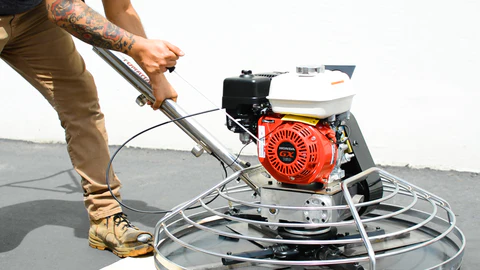
| Tool | Function |
| Screed | Levels the surface |
| Float | Smooths the surface |
| Trowel | Finishes the edges |
Credit: www.excalibur-generator.com
Troweling Techniques
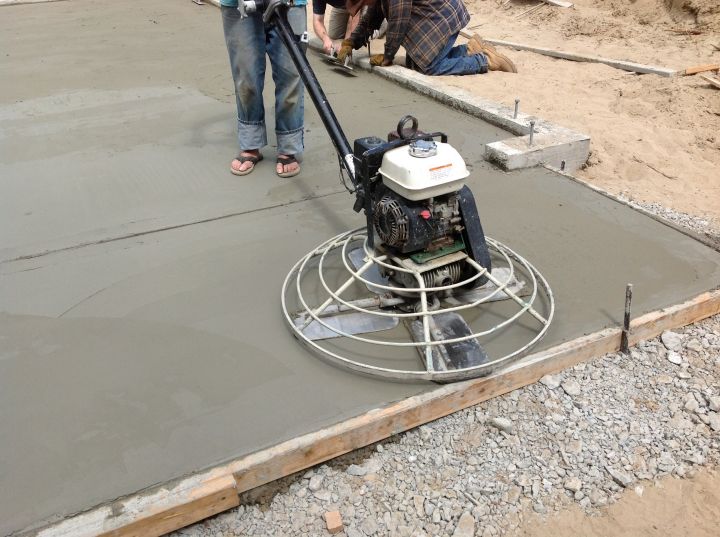
Troweling concrete is a key step to get a smooth and durable surface. Proper technique helps avoid rough patches and cracks.
This guide covers timing, choosing the right trowel, and how to apply pressure correctly for the best finish.
Timing The Trowel
The right time to start troweling is after the concrete has set but is still soft. If you start too early, you may damage the surface. If you wait too long, the concrete will be too hard to smooth out.
Look for these signs before troweling:
- The surface water has mostly disappeared.
- The concrete feels firm but still leaves a slight mark when pressed.
- The edges of the slab look set and stable.
Using The Right Trowel Type
Choosing the correct trowel depends on the size and finish desired. Different trowels help achieve different textures and smoothness.
| Trowel Type | Best Use | Material |
|---|---|---|
| Steel Trowel | Smooth, hard finish for indoor floors | Stainless steel |
| Magnesium Trowel | Rougher finish, good for outdoor slabs | Magnesium alloy |
| Float Trowel | Initial smoothing before steel trowel | Aluminum or wood |
Applying Pressure For Smoothness
Pressure control during troweling affects the finish and durability. Too much pressure can cause uneven surfaces, while too little leaves rough areas.
Keep these pressure tips in mind:
- Start with light pressure to flatten the surface.
- Increase pressure gradually as the concrete firms up.
- Use even, circular motions for a uniform finish.
- Do not over-trowel, which can weaken the surface.
Common Mistakes To Avoid
Troweling concrete needs care to get a smooth finish. Many people make simple mistakes that cause poor results.
Knowing these mistakes helps you avoid them and get strong, even concrete surfaces.
Overworking The Surface
Working the concrete too much can cause problems. It can bring too much water to the top, making it weak.
Overworking also makes the surface look dull and can cause cracks later.
- Stop troweling once the surface feels firm and smooth.
- Avoid going back and forth too many times.
- Use the right trowel for the job size.
Ignoring Weather Conditions
Weather affects how concrete dries and sets. Ignoring it can cause cracks or weak surfaces.
Hot, dry, or windy days dry concrete too fast. Cold weather slows curing and strength gain.
- Work faster in hot weather to prevent drying out.
- Use windbreaks to protect fresh concrete.
- Cover concrete in cold weather to keep heat in.
Skipping Curing Process
Letting concrete cure properly is key for strength. Skipping curing makes it weaker and prone to cracks.
Curing means keeping concrete moist for several days after finishing the surface.
- Use wet burlap or plastic sheets to keep moisture.
- Water the concrete surface regularly if needed.
- Follow curing time recommended for your concrete type.
Credit: www.china-dimec.com
Finishing Touches
Troweling concrete is not just about smoothing the surface. The finishing touches give the concrete a clean and lasting look. These steps protect the concrete and keep it strong.
Paying attention to details like edging, sealing, and maintenance helps your concrete last longer and look better.
Edging And Jointing
Edging shapes the sides of the concrete to stop chipping. Use an edging tool along the edges before the concrete dries. This makes clean, rounded edges.
Jointing helps control cracks. Cut control joints into the concrete while it is still soft. These joints allow the concrete to expand and contract safely.
- Use an edging tool to smooth edges
- Make control joints every 4 to 6 feet
- Cut joints about one-quarter of slab depth
- Time joint cutting to avoid rough edges
Applying Sealers
Sealers protect concrete from water, stains, and wear. Apply a concrete sealer after the surface has dried completely. This adds a clear, protective layer.
Choose a sealer that fits the concrete use. Some sealers shine, while others keep a natural look. Follow the instructions for the best results.
- Wait 28 days before sealing new concrete
- Clean concrete surface before sealing
- Apply sealer evenly with a brush or roller
- Allow sealer to dry fully before use
Maintaining The Concrete
Good maintenance keeps concrete strong and looking good. Clean the surface regularly to remove dirt and stains. Avoid harsh chemicals that can damage the concrete.
Repair small cracks quickly to stop them from growing. Use a concrete patch or filler made for this purpose. Regular care extends the life of your concrete.
- Sweep and wash concrete often
- Use mild soap for cleaning
- Fill cracks as soon as you see them
- Reapply sealer every few years
Frequently Asked Questions
What Tools Are Needed To Trowel Concrete Properly?
To trowel concrete, you need a steel trowel, float, edger, and a hawk. These tools help smooth and finish the surface effectively.
When Is The Best Time To Start Troweling Concrete?
Begin troweling after the concrete has set but is still soft. Usually, this is when the water sheen evaporates from the surface.
How Do You Achieve A Smooth Concrete Finish?
Use a steel trowel with light, even pressure. Repeat passes until the surface feels smooth and dense without any rough spots.
Can Troweling Concrete Improve Durability?
Yes, troweling compacts the surface, reducing air pockets. This increases concrete strength and resistance to wear and weather damage.
Conclusion
Troweling concrete takes practice and patience. Use the right tools and work steadily. Smooth the surface carefully for a strong finish. Pay attention to timing; don’t wait too long or too little. A good trowel job helps concrete last longer and look better.
Keep your movements even and controlled. With each try, your skill will improve. Concrete work is simple if you follow these steps well. Try it yourself and see the difference it makes.