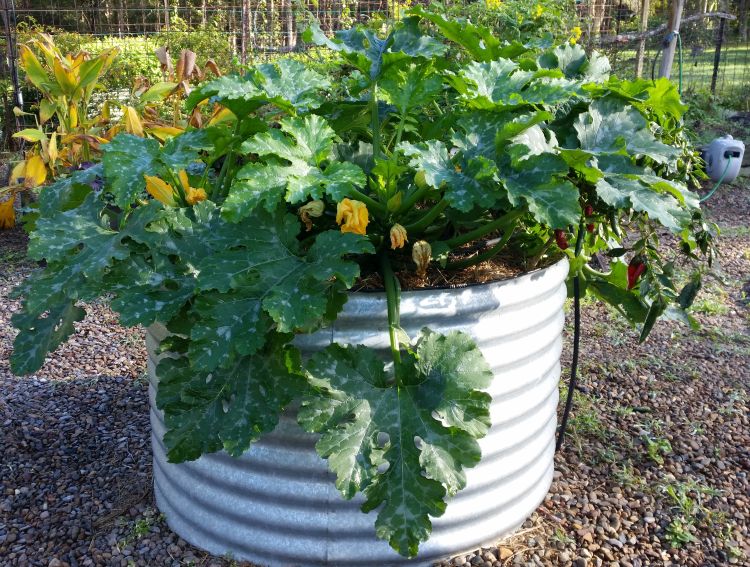
Are you wondering if you can grow zucchini in a raised garden bed? The good news is, yes—you absolutely can!
Growing zucchini in a raised bed can make your gardening easier and more productive. But there are a few things you need to know to get the best results. You’ll discover simple tips to help your zucchini thrive, avoid common mistakes, and enjoy a bountiful harvest right from your own garden.
Keep reading, and you’ll be ready to plant zucchini with confidence!
Choosing The Right Raised Bed
Growing zucchini in a raised garden bed can be very rewarding. The right raised bed helps your zucchini plants grow strong and healthy.
Choosing the right size, materials, and location is important. These factors affect how well your zucchini will grow.
Ideal Size And Depth
Zucchini plants need space to spread out. A raised bed should be wide enough for their leaves and roots.
The bed should be at least 12 inches deep. This depth allows roots to grow well and find nutrients.
- Width: 3 to 4 feet
- Length: 4 to 8 feet or more
- Depth: Minimum 12 inches
Best Materials For Durability
Choose materials that last long and do not harm plants. Avoid treated wood with chemicals that can leak into soil.
Good materials include cedar, redwood, and recycled plastic. These resist rot and keep your bed sturdy for years.
- Cedar wood: natural and rot-resistant
- Redwood: durable and long-lasting
- Recycled plastic: weather-resistant and eco-friendly
- Metal: strong but may heat soil quickly
Location And Sunlight Needs
Zucchini plants need full sun to grow best. Pick a spot that gets at least 6 to 8 hours of sunlight daily.
Place your raised bed in a flat area with good air flow. Avoid places with heavy shade or strong winds.
- At least 6 to 8 hours of sunlight
- Flat, well-drained soil area
- Good air circulation to prevent disease
Soil Preparation
Growing zucchini in a raised garden bed needs good soil. Healthy soil helps plants grow strong and produce more.
Preparing the soil correctly gives zucchini the nutrients and conditions it needs. This guide explains how to prepare your soil well.
Selecting Nutrient-rich Soil
Zucchini grows best in soil full of nutrients. Look for soil that is dark and crumbly. This means it has enough organic matter.
Good soil supports plant roots and holds water well. Avoid soil that is sandy or very clay-like. These types do not hold nutrients well.
Improving Drainage
Drainage is key for zucchini roots. Water should drain quickly to stop roots from rotting. Raised beds often have better drainage than ground soil.
Add coarse materials like sand or small gravel to improve drainage. This helps water move through the soil and keeps it from staying too wet.
- Mix sand with soil for better water flow
- Use organic mulch to keep soil from drying
- Check that water does not pool after rain
Adding Compost And Fertilizers
Compost adds nutrients and improves soil texture. Mix plenty of compost into your raised bed soil before planting zucchini.
Fertilizers help provide extra nutrients like nitrogen, phosphorus, and potassium. Use balanced fertilizer to feed zucchini plants well.
- Add 2 to 3 inches of compost to your soil
- Use a balanced fertilizer with N-P-K ratio like 10-10-10
- Apply fertilizer according to package instructions
Planting Zucchini
Zucchini is a popular vegetable for home gardens. It grows well in raised beds.
Raised garden beds offer good drainage and warm soil. This is ideal for zucchini plants.
When To Plant Seeds Or Seedlings
Plant zucchini after the last frost. The soil should be warm enough for seeds to sprout.
Seedlings can be transplanted when they have two leaves. This usually happens in late spring.
Spacing For Healthy Growth
Proper spacing is important for zucchini plants. It ensures they have enough room to grow.
Space seeds or seedlings about 24 inches apart. This helps prevent disease and overcrowding.
- Rows should be at least 3 feet apart
- Leaves need room to spread out
- Good air circulation reduces mold
Direct Sowing Vs. Transplanting
You can plant zucchini seeds directly in the soil. This is called direct sowing.
Transplanting involves starting seeds indoors. Then you move them to the garden bed.
Transplanting:Gives a head start, but needs careful handling.

Credit: www.greenwashingindex.com
Watering And Maintenance
Growing zucchini in a raised garden bed needs regular care. Proper watering and maintenance help plants thrive. This guide covers key tips to keep your zucchini healthy.
Focus on watering, mulching, and pest control to get the best results. These simple steps support strong growth and good harvests.
Watering Frequency And Techniques
Zucchini plants need consistent moisture. Too little water can stop growth, while too much can cause root problems. Water deeply and less often to encourage strong roots.
- Water zucchini 1 to 2 times a week, depending on weather.
- Use drip irrigation or a soaker hose to keep leaves dry.
- Water early in the morning to reduce evaporation.
- Check soil moisture regularly; it should be damp but not soggy.
Mulching Benefits
Mulching helps keep soil moist and reduces weeds. It also keeps soil temperature stable and protects roots. Organic mulches add nutrients as they break down.
| Mulch Type | Benefits |
| Straw | Keeps moisture and breaks down slowly |
| Wood chips | Good for long-term moisture retention |
| Grass clippings | Adds nitrogen quickly but needs thin layers |
| Compost | Improves soil fertility and moisture |
Pest And Disease Control
Watch zucchini plants for pests and diseases. Early detection stops damage. Use natural methods to keep plants healthy without chemicals.
- Inspect leaves and stems for insects like squash bugs and aphids.
- Remove damaged or diseased leaves immediately.
- Encourage beneficial insects such as ladybugs.
- Keep garden clean and free of plant debris.
- Use neem oil or insecticidal soap if pests spread.
Harvesting Tips
Growing zucchini in a raised garden bed is rewarding. Knowing when and how to harvest helps keep your plants healthy.
Good harvesting habits improve your zucchini yield. They also make sure the fruit tastes fresh and tender.
Identifying Ripe Zucchini
Pick zucchini when they are about 6 to 8 inches long. Smaller zucchini are more tender and flavorful.
Look for firm skin and a deep green color. Avoid zucchini that look dull or have soft spots.
- Length: 6 to 8 inches
- Skin: Firm and shiny
- Color: Deep green
- Texture: No soft spots or bruises
Best Tools For Harvesting
Use sharp scissors or garden shears to cut zucchini from the plant. This avoids damage to the stem.
Wear gloves to protect your hands from rough leaves and thorns. Clean tools help prevent plant diseases.
- Sharp scissors or garden shears
- Gardening gloves
- Clean cloth to wipe tools
Extending The Harvest Season
Harvest zucchini often to encourage more fruit to grow. Pick every two to three days during peak season.
Keep your plants healthy by watering regularly and removing old leaves. This helps the plant produce longer.
- Harvest every 2 to 3 days
- Water plants regularly
- Remove old or yellow leaves
- Use mulch to keep soil moist
Credit: threegirlsinthegarden.com
Troubleshooting Common Issues
Growing zucchini in a raised garden bed can be very rewarding. Still, gardeners often face some common problems. These issues can affect the health of your plants and reduce your harvest.
This guide covers how to deal with powdery mildew, squash bugs, and nutrient deficiencies. Use these tips to keep your zucchini plants strong and productive.
Dealing With Powdery Mildew
Powdery mildew looks like white powder on zucchini leaves. It spreads quickly and can weaken the plant. To control it, keep the garden clean and avoid watering leaves.
- Remove affected leaves as soon as you see powdery spots.
- Water plants at the base to keep leaves dry.
- Space plants to improve air circulation.
- Use organic fungicides like neem oil if needed.
Managing Squash Bugs
Squash bugs are pests that suck sap from zucchini plants. They cause leaves to wilt and turn brown. Early detection is key to stop them from spreading.
| Action | Description |
| Handpick Bugs | Pick off squash bugs and eggs by hand in early morning. |
| Use Diatomaceous Earth | Sprinkle around plants to deter bugs without chemicals. |
| Remove Debris | Clear dead leaves and grass where bugs hide. |
| Plant Companion Crops | Grow herbs like basil nearby to repel squash bugs. |
Fixing Nutrient Deficiencies
Nutrient shortages can stunt zucchini growth and reduce fruit size. Common deficiencies include nitrogen, potassium, and magnesium. Watch for yellowing or spotted leaves.
- Test your soil to identify missing nutrients.
- Add balanced fertilizer or specific supplements as needed.
- Apply compost regularly to improve soil health.
- Water plants well to help nutrient uptake.
- Mulch to keep soil moist and cool.

Credit: www.reddit.com
Frequently Asked Questions
Can Zucchini Grow Well In Raised Garden Beds?
Yes, zucchini grows very well in raised garden beds. These beds provide good drainage and warm soil, which zucchini prefers. Raised beds also prevent soil compaction and allow easier control of soil quality, promoting healthy zucchini growth and higher yields.
What Soil Type Is Best For Zucchini In Raised Beds?
Zucchini thrives in well-draining, fertile soil rich in organic matter. Use a mix of compost, garden soil, and peat moss to improve nutrient content and moisture retention. Raised beds allow you to create this ideal soil environment easily for optimal zucchini growth.
How Much Sunlight Do Zucchini Plants Need?
Zucchini plants require at least 6 to 8 hours of direct sunlight daily. Raised beds placed in sunny spots ensure plants get enough light. Proper sunlight helps zucchini produce abundant flowers and fruits while reducing the risk of diseases.
How Often Should I Water Zucchini In Raised Beds?
Water zucchini deeply once or twice a week, depending on weather conditions. Raised beds dry out faster, so monitor soil moisture regularly. Consistent watering helps prevent stress, promotes healthy growth, and improves fruit quality.
Conclusion
Growing zucchini in a raised garden bed works well for many gardeners. These beds offer good soil drainage and warmth. Zucchini plants need space and sunlight to grow strong. Regular watering and care help prevent common problems. Raised beds make it easier to control weeds and pests.
You can enjoy fresh zucchini right from your garden. Start small and watch your plants thrive. Gardening this way brings fresh food and joy. Give it a try and see the results yourself.