If you want to get the most out of your fishing trips, knowing how to line a fishing reel is a skill you can’t ignore. The right line setup means smoother casts, fewer tangles, and better control over your catch.
Whether you’re new to fishing or just need a quick refresher, this guide will walk you through the simple steps to get your reel ready in no time. Stick with me, and you’ll see how easy it is to improve your fishing experience starting today.
Choosing The Right Fishing Line
Choosing the right fishing line is important for a good fishing experience. It helps you catch fish more easily and protects your gear.
There are different types of fishing lines, each with unique features. You should also match the line to your reel and consider its strength and diameter.
Types Of Fishing Line
Fishing lines come in three main types: monofilament, fluorocarbon, and braided. Each type has its own benefits and uses.
- Monofilament:Flexible and easy to handle. Good for beginners.
- Fluorocarbon:Nearly invisible underwater. Great for clear water fishing.
- Braided:Very strong and thin. Best for heavy cover and long casts.
Matching Line To Reel
Match your fishing line to the type and size of your reel. Spinning reels use different line than baitcasting reels.
Check your reel’s line capacity and recommended line type. Using the correct line helps the reel work smoothly and avoids tangles.
Line Strength And Diameter
Line strength is called “pound test.” It shows how much weight the line can hold before breaking. Choose strength based on the fish you want to catch.
Line diameter affects casting distance and how much line fits on your reel. Thinner lines cast farther but may be weaker.
| Line Type | Common Strength (lb) | Typical Diameter (inches) |
|---|---|---|
| Monofilament | 6 – 20 | 0.012 – 0.020 |
| Fluorocarbon | 8 – 25 | 0.010 – 0.018 |
| Braided | 15 – 65 | 0.008 – 0.020 |

Credit: www.youtube.com
Preparing The Reel
Before you line a fishing reel, you need to prepare it well. This helps the line go on smooth and work properly.
Proper preparation also keeps your reel in good shape and prevents problems while fishing.
Cleaning And Maintenance
Clean your reel before putting on new line. Dirt and salt can damage the reel and line.
Use a soft cloth and mild soap to wipe the reel. Dry it completely to stop rust and corrosion.
- Remove old line and debris
- Wipe all parts gently
- Check for rust or damage
- Lubricate moving parts if needed
Spool Inspection
Look closely at the spool for cracks or rough spots. These can cut or weaken your fishing line.
Make sure the spool is clean and smooth. Fix or replace it if you find any damage.
- Check spool edges for sharp areas
- Remove old line completely
- Spin the spool to test smoothness
- Clean spool with a soft brush if needed
Selecting Spool Size
Choose a spool size that fits your fishing needs. Bigger spools hold more line but may feel heavy.
Match the spool size to the fishing line and rod you will use. This helps with casting and control.
- Small spools work well for light fishing lines
- Large spools suit heavy lines and big fish
- Check reel specifications for spool capacity
- Use the right size to avoid line tangles
Attaching The Line To The Spool
Attaching the fishing line correctly to the spool is key for a smooth fishing experience. It keeps the line secure during casting and reeling.
Learning how to tie the line properly prevents problems like slippage or tangling while fishing.
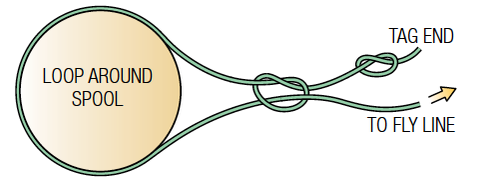
Tying The Arbor Knot
The arbor knot is the best knot for tying your line to the spool. It holds tight and is easy to tie.
- Wrap the line around the spool’s arbor once.
- Tie an overhand knot around the main line.
- Make a second overhand knot on the tag end.
- Pull both knots tight and trim the tag end.
Securing The Line
After tying the line, keep it tight on the spool. Loose line can cause tangles or casting problems.
| Action | Reason |
|---|---|
| Pull line tight after tying | Prevents knots from slipping |
| Wind line evenly on spool | Stops tangles and line breakage |
| Keep tension steady while winding | Ensures smooth casting and reeling |
Preventing Slippage
Slippage makes the line come loose from the spool. Avoid it by following these tips:
- Use the arbor knot for a strong hold.
- Keep the line tight when winding.
- Check the knot before fishing.
- Add a drop of glue to the knot for extra hold, if needed.
Spooling Techniques
Spooling a fishing reel means putting the fishing line onto the reel spool. It is important to do this correctly to avoid problems while fishing. Good spooling helps the line come off smoothly and stops tangles.
There are some key techniques to follow when spooling your reel. These include keeping the right tension, avoiding line twist, and filling the spool the right way.
Maintaining Proper Tension
Keep the line tight as you spool it onto the reel. If the line is loose, it can get tangled or cause knots. Proper tension also helps the line lay evenly on the spool.
You can keep tension by holding the line between your fingers or using a towel to add friction. Ask someone to hold the spool or place it in a cup to control the line’s pull.
- Hold the line firmly but do not pull too hard
- Keep the spool rotating smoothly
- Check tension often while spooling
Avoiding Line Twist
Line twist can cause tangles and reduce casting distance. To avoid twist, let the line come off the filler spool in the same direction as the reel spool spins.
Spool the line under slight tension and avoid letting it spin freely. Using a swivel between the main line and leader can also reduce twist during fishing.
- Check line direction when spooling
- Do not let the filler spool spin
- Use a swivel to prevent twist while fishing
Filling The Spool Correctly
Fill the spool almost to the edge but leave a small gap. Overfilling causes line to spill off and tangle. Underfilling reduces casting distance and control.
Check your reel’s capacity and fill the line accordingly. Stop filling when the line is about 1/8 inch below the spool edge.
- Do not overfill the spool
- Leave a small gap at the top
- Follow the reel’s line capacity guidelines
Final Checks And Adjustments
After lining your fishing reel, you need to make some final checks. These steps help ensure smooth fishing.
Proper adjustments improve your fishing experience and protect your gear.
Trimming Excess Line
Cut off any extra fishing line near the reel spool. Too much line can cause tangles and reduce casting distance.
Use sharp scissors or a line cutter. Leave about an inch of line beyond the reel’s edge for tying your lure.
Testing Line Movement
Pull the line slowly to check if it moves smoothly on the spool. The line should not catch or slip.
Turn the reel handle and watch the line wind evenly. Adjust the line if it piles up on one side.
- Pull line gently to test tension
- Spin handle to see line wrap
- Re-center line if it bunches up
Adjusting Drag Settings
Set the drag so the line pulls smoothly under pressure. This prevents line breakage when fish pull hard.
Turn the drag knob clockwise for more resistance. Turn it counterclockwise to loosen the drag.
- Start with moderate drag tension
- Test drag by pulling line by hand
- Adjust until line pulls without snapping
Common Mistakes To Avoid
Lining a fishing reel seems simple, yet many make common mistakes. These errors can lead to frustration and lost catches.
Understanding these pitfalls will help you avoid them and enjoy a smoother fishing experience.
Overfilling The Spool
Overfilling the spool can cause tangles and knots. It may also lead to line slipping off the reel.
- Leave a small gap at the top of the spool.
- Check the manufacturer’s guidelines for the right amount of line.
Using Incorrect Knots
Incorrect knots can weaken the line and cause it to break. Proper knots ensure that your line stays secure.
- Use the Arbor knot for securing the line to the reel.
- Practice tying knots to ensure they are strong.
Ignoring Line Compatibility
Not all lines work with all reels. Ignoring line compatibility can result in poor casting and reduced line performance.
| Reel Type | Recommended Line |
| Spinning | Monofilament or braid |
| Baitcasting | Braid or fluorocarbon |
| Fly | Special fly line |
Maintenance Tips For Longevity
Keeping your fishing reel in good condition helps it last longer. Simple care steps prevent damage and improve performance.
Regular maintenance saves money and makes fishing more enjoyable. Focus on line replacement, cleaning, and storage.
Regular Line Replacement
Fishing lines wear out from use and exposure to water and sunlight. Replace the line often to avoid breakage and poor casting.
- Check the line for cracks or frays before each trip
- Change the line every few months or after heavy use
- Use the line type that matches your fishing needs
- Spool the line evenly to avoid tangles and damage
Cleaning After Use
Salt, dirt, and debris can harm your reel. Clean it after every fishing trip to keep it working smoothly.
| Cleaning Task | Method | Frequency |
| Rinse reel | Use fresh water and a soft cloth | After every saltwater use |
| Remove dirt | Use a soft brush on moving parts | Weekly or as needed |
| Lubricate gears | Apply light oil to moving parts | Monthly or after cleaning |
Storing The Reel Properly
Proper storage stops rust and damage. Store reels in a dry, cool place and avoid pressure on the line.
- Loosen the drag to reduce pressure on internal parts
- Keep reels in a protective case or bag
- Store away from direct sunlight and moisture
- Check reels periodically during storage
Credit: monsterbass.com

Credit: www.youtube.com
Frequently Asked Questions
How Do I Choose The Right Fishing Line?
Choose a line based on your target fish, reel type, and fishing conditions. Consider line strength, flexibility, and visibility. Monofilament suits beginners, while braided lines offer strength. Always check your reel’s capacity to avoid overfilling.
What Is The Best Way To Spool A Fishing Reel?
Start by attaching the line to the spool securely. Keep tension on the line while winding to prevent tangles. Fill the spool about 80% full to ensure smooth casting and avoid overfilling that causes line twists.
How Often Should I Replace My Fishing Line?
Replace your fishing line every few months or after heavy use. Check for frays, nicks, or stiffness. Fresh line improves casting distance and reduces the risk of breaks during fishing.
Can I Use Any Type Of Line On My Reel?
Not all lines suit every reel. Match your line type—monofilament, fluorocarbon, or braided—with your reel and fishing style. Using the wrong line can cause casting issues or damage the reel.
Conclusion
Lining a fishing reel is simple with the right steps. Take your time and follow each part carefully. Check your line for knots and twists before casting. A well-lined reel helps you catch more fish. Practice often to get better at it.
Enjoy your fishing trips with confidence and ease. Keep your gear ready and maintain it regularly. Fishing becomes more fun with good preparation. Try different lines to find what works best. Stay patient and enjoy the peaceful moments by the water.