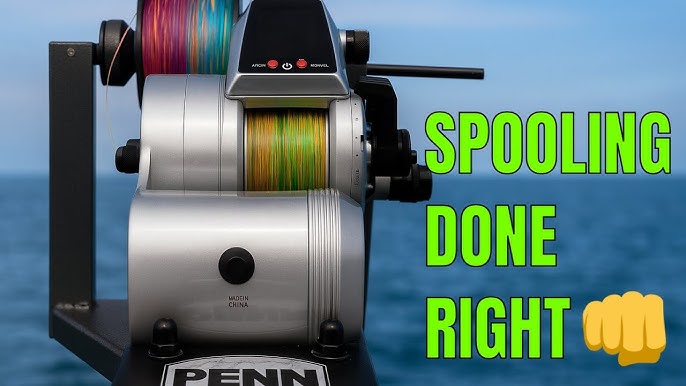
Struggling to get your fishing line neatly onto your reel? You’re not alone.
Whether you’re a beginner or just need a quick refresher, knowing how to spool your reel correctly can make a huge difference in your fishing experience. Imagine casting smoothly without worrying about tangled lines or sudden breaks. In this guide, you’ll discover simple, step-by-step tips that anyone can follow to get your fishing line on the reel just right.
Keep reading, and you’ll be ready to fish like a pro in no time.
Choosing The Right Line
Picking the right fishing line is important for a good fishing experience. The line helps you catch fish and works well with your reel.
You need to think about the type, strength, and size of the line. These choices affect how well you fish and how long your equipment lasts.
Types Of Fishing Lines
There are three main types of fishing lines: monofilament, fluorocarbon, and braided. Each has special features for different fishing needs.
- Monofilament:This line is stretchy and easy to handle. It is good for beginners and general fishing.
- Fluorocarbon:This line is less visible in water and sinks fast. It is good for clear water fishing.
- Braided:This line is very strong and thin. It has little stretch and works well for heavy fish.
Line Strength And Diameter
Line strength shows how much weight the line can hold before breaking. Diameter means how thick the line is. Both affect your fishing success.
Stronger lines hold bigger fish but are thicker. Thinner lines are less visible but hold less weight. Choose a balance that fits your fishing style.
| Line Strength (lb) | Diameter (inches) | Use |
|---|---|---|
| 4-8 | 0.008-0.012 | Small fish, light tackle |
| 10-20 | 0.014-0.018 | Medium fish, general use |
| 25-50 | 0.020-0.035 | Large fish, heavy cover |
Matching Line To Reel
Your reel has limits on how much line it can hold. It also works best with certain line types and sizes. Check your reel’s specs before buying line.
Use lighter lines for small reels and heavier lines for big reels. This helps your reel work smoothly and lasts longer.
- Read the reel label for line capacity and type.
- Pick a line that fits your reel’s size and fishing needs.
- Avoid overloading the reel with thick or too much line.

Credit: fishingbooker.com
Preparing The Reel
Getting fishing line onto your reel starts with good preparation. Proper care helps the line last longer and work better.
Before adding new line, clean and check your reel. This keeps it in top shape for fishing.
Cleaning The Reel
Remove dirt and old grease from your reel. Use a soft cloth and mild soap with water. Avoid harsh chemicals.
Dry the reel well to stop rust. Clean reels run smoothly and help line spool evenly.
Checking The Spool
Look at the spool for cracks or damage. A damaged spool can cause line tangles and breaks.
Make sure the spool fits the reel tightly. Loose spools can affect casting and reeling.
- Inspect for cracks or dents
- Check spool fits securely on reel
- Remove any old line before adding new
Setting The Drag
Adjust the drag to control line tension. Too tight drag can snap the line. Too loose drag lets fish pull too much line.
Test the drag by pulling the line by hand. It should give some resistance but still let the line slide out smoothly.
Attaching The Line
Attaching the fishing line to your reel is essential. This process ensures smooth casting and reeling.
Follow these steps to secure the line properly. This guide will help you get started with ease.
Tying The Arbor Knot
The arbor knot is a simple yet strong knot. It secures the line to the spool.
Start by wrapping the line around the spool. Then, tie an overhand knot around the standing line.
- Wrap the line twice around the spool.
- Tie an overhand knot with the tag end.
- Tighten the knot against the spool.
Securing The Line To Spool
Securing the line properly prevents slippage. This step ensures the line stays tight on the spool.
After tying the arbor knot, start winding the line. Keep the line taut as you reel it onto the spool.
- Hold the line between your fingers for tension.
- Reel the line slowly to avoid tangles.
- Check that the line lays evenly on the spool.
Spooling Techniques
Getting fishing line on a reel needs care and skill. Good spooling helps your fishing work well. It stops problems like tangles and twists.
This guide explains key spooling techniques. These include keeping line tight, filling the spool right, and avoiding twists.
Maintaining Line Tension
Keep the fishing line tight when spooling. Loose line causes tangles and uneven layers. Use your fingers or a cloth to hold line firmly.
- Attach the line to the spool securely.
- Hold the line with consistent pressure.
- Turn the reel slowly to wind the line evenly.
- Watch for any slack and tighten immediately.
Filling The Spool Correctly
Fill the spool with line but do not overfill it. Too much line can cause tangles and line damage. Too little line reduces casting distance.
| Spool Size | Line Capacity | Recommended Fill Level |
| Small | 100 yards | 90 yards |
| Medium | 150 yards | 135 yards |
| Large | 200 yards | 180 yards |
Avoiding Line Twist
Line twist causes knots and weak spots. Use these tips to avoid it during spooling.
- Use a swivel to connect the line to the lure.
- Keep the line straight and avoid loops.
- Let line flow freely from the spool during casting.
- Check for twists often and fix them right away.
Final Checks
After loading the fishing line on your reel, it is important to do some final checks. These checks make sure your setup works well and is ready for fishing.
Follow these simple steps to inspect the spool, trim the line properly, and test your setup before you start fishing.
Inspecting The Spool
Look closely at the spool to check how the line is wound. The line should be even and tight without loose loops or gaps.
- Make sure the line covers the spool evenly from one edge to the other.
- Check that there are no tangles or knots on the spool.
- Confirm the line is not twisted or overlapping in a messy way.
Trimming The Line
Trim the fishing line to the right length after spooling. This helps prevent excess line from causing problems while casting.
| Line Type | Recommended Length to Leave |
| Monofilament | 5 to 7 feet (1.5 to 2 meters) |
| Fluorocarbon | 4 to 6 feet (1.2 to 1.8 meters) |
| Braid | 6 to 8 feet (1.8 to 2.4 meters) |
Testing The Setup
Test your fishing setup by casting a few times in an open area. This ensures the line moves smoothly and the reel works well.
- Hold the rod firmly and cast the line out slowly.
- Watch for any line snags or uneven release from the spool.
- Reel the line back in and check the tension and smoothness.
- Adjust the drag if needed to suit your fishing style.
Credit: letsgobassfishing.com
Tips For Long-lasting Spooling
Keeping your fishing line well-spooled on the reel helps it last longer. Proper care prevents damage and tangles. This guide shares simple tips for better spooling.
Follow these steps to store, maintain, and replace your fishing line correctly. Your reel will work smoothly and your line will stay strong.
Storing The Reel
Store your reel in a cool, dry place to avoid moisture damage. Avoid direct sunlight, which can weaken the fishing line over time. Use a reel cover or case for extra protection.
- Keep the reel away from heat and humidity
- Remove the line if storing for a long time
- Use a cloth to wipe the reel clean before storage
- Store the reel with some tension on the line
Regular Maintenance
Check your reel and line regularly to catch problems early. Clean dirt and salt off the reel after fishing. Lubricate moving parts to reduce wear and tear.
| Maintenance Task | Frequency | Why It Matters |
| Clean reel and line | After each use | Removes salt and dirt that cause damage |
| Lubricate reel parts | Monthly | Keeps reel moving smoothly |
| Check line for wear | Before each fishing trip | Prevents line breakage |
Replacing Old Line
Old fishing line weakens and may snap easily. Replace the line when it shows signs of wear. This keeps your fishing experience safe and effective.
- Remove the old line completely from the reel
- Choose the right line type and strength for your fishing
- Spool the new line evenly on the reel
- Keep steady tension on the line while spooling
- Cut the line cleanly after filling the spool

Credit: www.reddit.com
Frequently Asked Questions
How Do I Spool Fishing Line Onto A Reel?
To spool fishing line, tie the line to the reel spool securely. Keep tension on the line and wind it evenly. Avoid overfilling the spool to prevent tangles. Use a line conditioner for smooth spooling.
What Type Of Fishing Line Works Best On Reels?
Monofilament, fluorocarbon, and braided lines work well on reels. Choose based on fishing conditions and target species. Monofilament is versatile, fluorocarbon is nearly invisible, and braided offers high strength.
How Much Fishing Line Should I Put On My Reel?
Fill the spool about 1/8 inch from the reel’s edge. This prevents overfilling and reduces line tangling. Check your reel’s specifications for recommended line capacity for best results.
Can I Use Any Fishing Line For Spinning Reels?
Yes, but monofilament and braided lines are most common for spinning reels. They spool smoothly and reduce line twist. Avoid heavy fluorocarbon lines unless specified by the reel manufacturer.
Conclusion
Getting fishing line on your reel is easier than it seems. Follow each step carefully and take your time. Use the right tools and choose the best line for your needs. Practice makes perfect, so don’t rush. Soon, you will enjoy smooth casting and better fishing trips.
Keep your reel clean and check the line regularly. Stay patient and enjoy the process. Fishing becomes more fun with a well-prepared reel. Try these tips next time you fish. You’ll see the difference quickly.