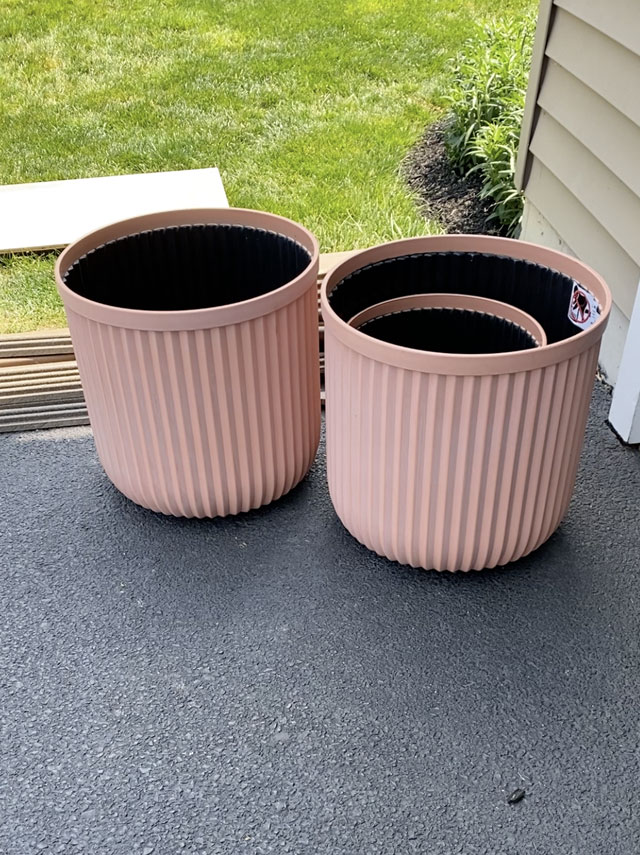
Are your concrete planters looking dull or lifeless? You don’t have to replace them to give your garden or patio a fresh, vibrant look.
Painting your concrete planters is an easy and affordable way to add color and personality to your outdoor space. In this guide, you’ll discover simple steps to transform your planters into eye-catching pieces that reflect your style. Ready to make your garden stand out?
Keep reading to learn exactly how to paint concrete planters like a pro.
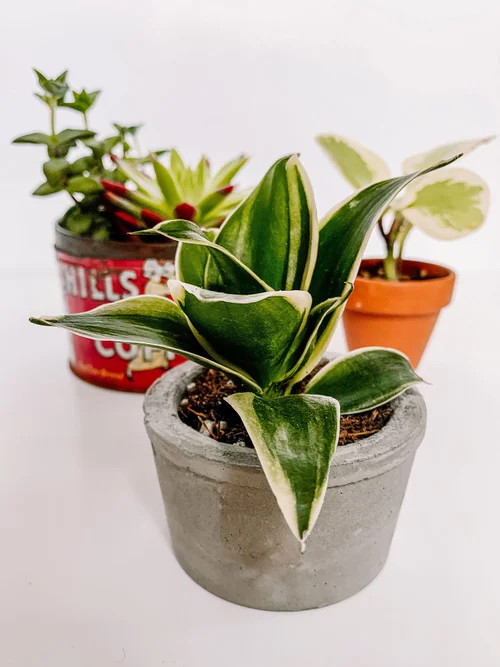
Credit: thegreenmadhouse.com
Choosing The Right Paint
Painting concrete planters can brighten your garden or patio. Picking the right paint is important for good results.
Not all paints stick well to concrete. You need paint that lasts outside and resists weather.
Types Of Paint For Concrete
Concrete needs strong paint that holds up to water and sun. Some paints work better than others.
Here are common paint types used on concrete planters:
- Acrylic Latex Paint:Water-based, easy to use, and good for outdoor concrete.
- Epoxy Paint:Very durable and waterproof. Great for heavy use or wet areas.
- Oil-Based Paint:Strong and long-lasting but takes longer to dry and has strong smell.
- Masonry Paint:Made for bricks and concrete. It breathes well to avoid peeling.
Color Selection Tips
Choose colors that fit your space and style. Bright colors add energy, while soft tones are calm.
Think about these points when picking colors:
- Light colors show dirt less on outdoor planters.
- Dark colors absorb heat, which may affect plants.
- Use colors that match your garden or home decor.
- Test paint on a small spot to see the true color when dry.
Preparing The Planters
Painting concrete planters starts with good preparation. This helps the paint stick well and last longer.
Cleaning and smoothing the surface are key steps before applying any paint.
Cleaning And Drying
First, remove dirt, dust, and debris from the planter. Use a brush or cloth to clean the surface well.
Wash the planter with water and mild soap if needed. Rinse thoroughly to remove soap residue.
Let the planter dry completely. Drying can take a few hours or a full day, depending on weather.
Sanding For Smoothness
Sanding the planter removes rough spots and bumps. This creates a smooth surface for painting.
Use medium-grit sandpaper to gently sand the entire surface. Focus on uneven areas.
- Wear a mask to avoid breathing dust
- Sand in circular motions for evenness
- Wipe off dust with a damp cloth after sanding
Priming The Surface
Painting concrete planters can make them look new and fresh. Before painting, priming is an important step. Priming helps the paint stick better and last longer.
A good primer creates a smooth base. It also helps the paint cover evenly. This results in a professional finish on your concrete planters.
Why Priming Matters
Priming seals the concrete surface. This prevents the paint from soaking in. Without primer, the paint might peel off or chip easily.
Priming also blocks stains and marks from showing through the paint. It ensures that the final color is vibrant and true.
- Prepares the surface for painting
- Improves paint adhesion
- Blocks stains and marks
Best Primers For Concrete
There are many primers available for concrete surfaces. Choosing the right one is important for a good finish.
Look for primers labeled for use on concrete. Some may also offer waterproofing benefits, which can be useful for outdoor planters.
| Primer Type | Benefits |
| Acrylic Primer | Easy to apply, dries fast |
| Epoxy Primer | Strong, durable, best for outdoor use |
| Latex Primer | Good for indoor planters, low odor |
Painting Techniques
Painting concrete planters can brighten up your garden or home. The right technique helps paint stick better and last longer.
You can use different tools and methods to get a smooth finish. Let’s look at two popular painting techniques and how to apply paint layers.
Brush Vs. Spray Paint
Choosing between a brush and spray paint depends on your planter’s size and detail. Brushes give more control but can leave strokes. Spray paint covers quickly and smoothly but needs careful use.
- Brush:Best for small areas and edges. Use a stiff brush for rough texture.
- Spray Paint:Covers large surfaces fast. Keep spray moving to avoid drips.
- Surface:For rough concrete, a brush helps get paint into crevices.
- Detail:Use brushes for designs or patterns on planters.
Applying Multiple Coats
Multiple coats improve color depth and durability. Each coat should dry before applying the next to prevent peeling.
| Coat Number | Purpose | Drying Time |
| First Coat | Seals surface and blocks stains | 1-2 hours |
| Second Coat | Builds color and smooths finish | 2-4 hours |
| Third Coat (Optional) | Enhances durability and coverage | 4-6 hours |
Adding Decorative Touches
Painting concrete planters can brighten your garden or home. Adding decorations makes them unique and fun.
Simple techniques like stenciling and using tape can create neat designs. These ideas are easy for beginners.
Stenciling Designs
Stenciling adds clear shapes and patterns to your planter. Use a stencil to paint flowers, leaves, or geometric shapes.
First, hold the stencil firmly on the planter. Dab paint lightly with a sponge or brush. Let the paint dry before removing the stencil.
- Choose a stencil with simple shapes for best results
- Use spray paint or acrylic paint for clear edges
- Practice on paper before painting the planter
Using Tape For Patterns
Painters tape can create stripes, chevrons, or squares on your planter. Tape sections before painting for sharp lines.
Apply tape to the dry base coat. Paint over the exposed areas. Remove the tape carefully after the paint dries for crisp patterns.
- Use low-tack tape to avoid peeling paint
- Press tape edges firmly to prevent paint bleeding
- Combine different tape widths for varied designs

Credit: thegreenmadhouse.com
Sealing And Protecting
Sealing concrete planters helps protect them from weather and moisture. It also keeps the paint looking fresh longer.
Choosing the right sealer and applying it correctly are important steps. They make sure your planter lasts and looks good.
Choosing A Sealer
Pick a sealer made for concrete surfaces. Some sealers protect against water, while others block UV rays.
- Acrylic sealers: Easy to apply and dry fast.
- Penetrating sealers: Soak into concrete for deep protection.
- Epoxy sealers: Offer strong protection but need careful application.
- Polyurethane sealers: Durable and protect against scratches.
How To Apply Sealant
Clean your planter well before sealing. Remove dirt and let the paint dry completely.
| Step | Action |
| 1 | Use a brush or roller to apply the sealer evenly. |
| 2 | Cover all painted areas without leaving gaps. |
| 3 | Let the first coat dry as directed on the label. |
| 4 | Apply a second coat for better protection. |
| 5 | Allow the sealer to cure fully before using the planter. |
Maintenance Tips
Keeping your painted concrete planters looking fresh takes some care. Regular maintenance helps protect the paint and extend the planter’s life.
Below are simple tips to clean and touch up your painted planters effectively.
Cleaning Painted Planters
Clean your painted planters gently to avoid damaging the paint. Use mild soap and water with a soft cloth or sponge.
- Remove dirt and debris weekly
- Avoid harsh chemicals or abrasive scrubbers
- Rinse with clean water and dry thoroughly
- Clean spills as soon as possible
Touch-up Advice
Small chips or scratches can be fixed easily. Keep some leftover paint for touch-ups.
| Step | Action |
| 1 | Clean the damaged area with water and mild soap |
| 2 | Let the area dry completely |
| 3 | Apply a thin coat of matching paint |
| 4 | Allow paint to dry before touching or moving |
| 5 | Repeat if necessary for full coverage |

Credit: www.freepik.com
Frequently Asked Questions
How Do I Prepare Concrete Planters For Painting?
Clean the planter thoroughly and let it dry completely. Remove dust and debris with a brush or cloth. Apply a concrete primer to ensure better paint adhesion.
What Type Of Paint Works Best On Concrete Planters?
Use acrylic latex paint or masonry paint for durability. These paints resist weather and adhere well to concrete surfaces.
How Many Coats Of Paint Should I Apply?
Apply two to three thin coats for even coverage. Allow each coat to dry fully before applying the next.
Can I Seal Painted Concrete Planters?
Yes, seal with a clear acrylic sealer to protect paint. It enhances durability and prevents chipping or fading.
Conclusion
Painting concrete planters is simple and fun. You need just a few materials and some patience. Choose the right paint to protect your planter. Clean the surface well before you start painting. Use thin coats and let each dry fully.
This helps the paint last longer. Personalize your planters with colors you love. Enjoy the fresh look in your garden or home. With care, your painted planters stay beautiful for years. Give your plants a bright, new home today!