
Packing your hiking bag the right way can make or break your outdoor adventure. Imagine reaching your favorite trail with everything you need, feeling light, prepared, and ready for anything.
But stuffing your bag without a plan can leave you struggling with heavy loads or missing essential gear. In this guide, you’ll discover simple, smart tips to pack efficiently, so your hike stays enjoyable and safe from start to finish.
Ready to transform how you pack? Let’s dive in.
Choosing The Right Backpack
Picking the right backpack is key for a good hiking trip. The bag must hold your gear and feel comfortable.
Your backpack should fit your hiking needs. Size, weight, and durability matter most.
Backpack Size And Capacity
Choose a backpack size that fits your trip length and gear. Small bags suit short hikes.
Larger backpacks work for multi-day trips. Think about what you need to carry.
- Day hikes: 15 to 30 liters
- Overnight trips: 30 to 50 liters
- Multi-day trips: 50+ liters
Weight And Comfort Features
A light backpack helps you walk longer without tiredness. Look for padded straps and hip belts.
Adjustable straps improve fit. Good ventilation stops sweat on your back.
- Padded shoulder straps reduce pressure
- Hip belts move weight to your hips
- Back panels with mesh improve airflow
- Load lifter straps keep weight close
Durability And Weather Resistance
Your backpack should last and protect your gear. Choose tough materials that resist tears and water.
Rain covers or waterproof fabrics keep your belongings dry. Check zippers and stitching for strength.
- Ripstop nylon or polyester fabrics
- Water-resistant coatings or rain covers
- Strong, smooth zippers
- Reinforced stitching on stress points
Credit: pangolinswithpacks.com
Essentials To Bring
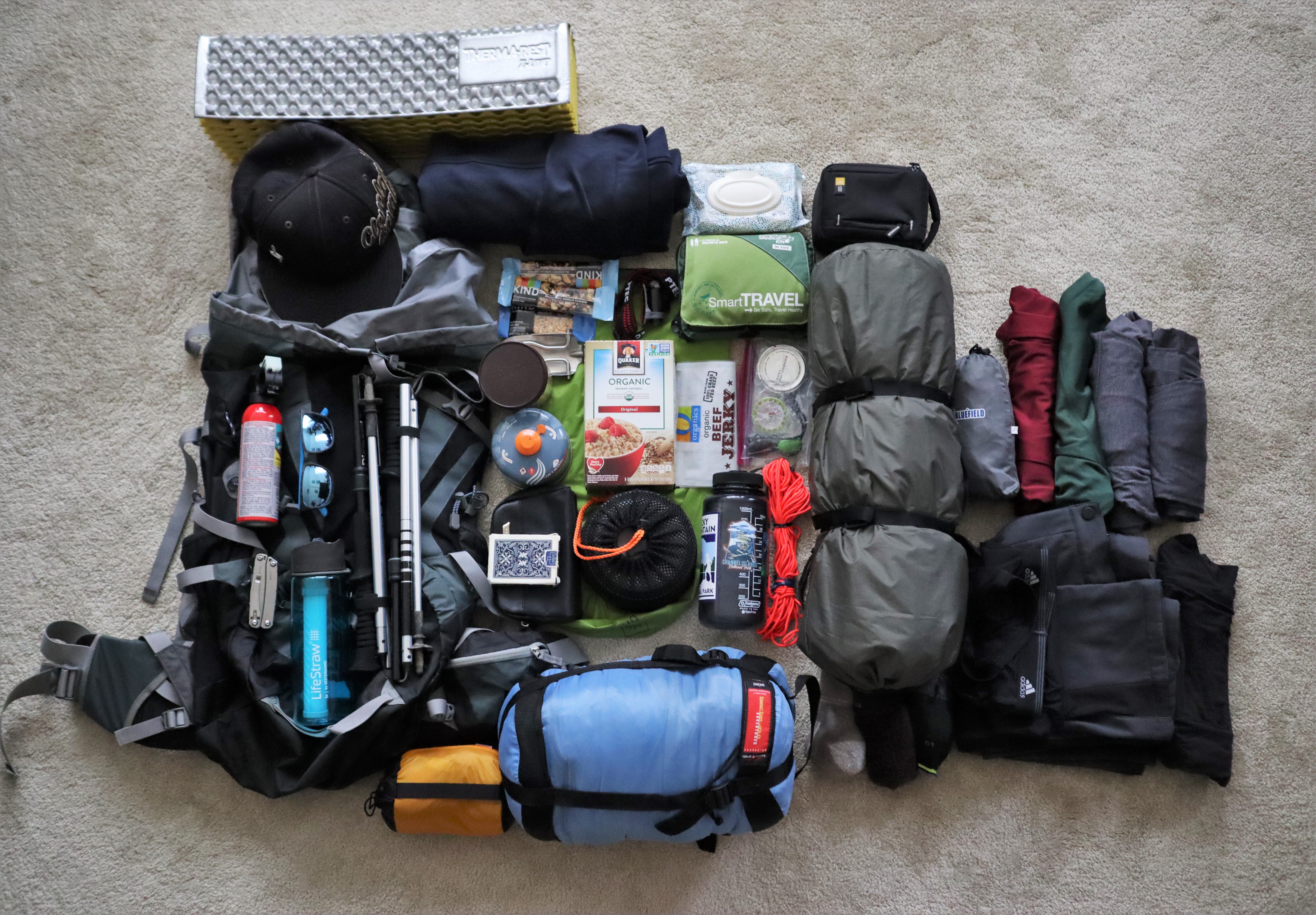
Packing the right items is key for a safe and enjoyable hike. You need tools to find your way, stay healthy, and keep your energy up.
This guide covers the important things you should include in your hiking bag. Focus on navigation tools, a first aid kit, and food and hydration.
Navigation Tools
Navigation tools help you stay on track and avoid getting lost. Always carry items that work without batteries if possible.
- Map of the hiking area
- Compass
- GPS device or smartphone with offline maps
- Whistle for signaling
First Aid Kit
A first aid kit is vital for treating minor injuries. It should be compact but complete.
| Item | Use |
| Bandages | Cover cuts and scrapes |
| Antiseptic wipes | Clean wounds |
| Pain relievers | Reduce pain and swelling |
| Tweezers | Remove splinters or ticks |
| Allergy medication | For allergic reactions |
Food And Hydration
Bringing enough food and water keeps your energy high. Plan meals and snacks that are easy to carry and eat.
- Water bottles or hydration bladder with at least 2 liters of water
- High-energy snacks like nuts, trail mix, or energy bars
- Light meals such as sandwiches or dried fruits
- Water purification tablets or filter if refilling from natural sources
Clothing And Footwear
Packing the right clothing and footwear is crucial for a successful hike. Proper gear keeps you comfortable and safe throughout your journey. Understanding layering, selecting suitable footwear, and having rain gear can make a big difference.
Consider the weather, terrain, and length of your hike when choosing what to pack. The right choices help you adapt to changing conditions and prevent discomfort.
Layering For Weather
Layering helps manage body temperature during hikes. It allows easy adjustment to changing weather. Start with a base layer that wicks moisture away from your skin.
Add a middle layer for insulation, like a fleece. The outer layer should be windproof and waterproof to protect against the elements.
- Base layer: moisture-wicking fabric
- Middle layer: insulation like fleece
- Outer layer: windproof and waterproof jacket
Footwear Selection
Footwear is essential for hiking comfort and safety. Choose shoes or boots that fit well and are suitable for the terrain. Consider the hike’s length and difficulty.
Hiking boots provide ankle support, while shoes are lighter. Ensure your footwear has good grip to prevent slipping on wet or uneven surfaces.
- Boots for ankle support
- Shoes for lighter hikes
- Good grip for safety
Rain Gear And Extras
Rain gear is important for staying dry. Pack a lightweight, waterproof jacket. Consider rain pants if rain is likely during your hike.
Extras like hats and gloves can provide additional comfort. Bring a hat for sun protection and gloves for colder weather.
- Lightweight waterproof jacket
- Rain pants for heavy rain
- Hat and gloves for comfort
Credit: pangolinswithpacks.com
Packing Techniques
Packing your hiking bag properly helps you carry your gear comfortably. Good packing keeps your bag balanced and easy to manage.
Using smart packing techniques saves space and protects your items during the hike.
Distributing Weight Evenly
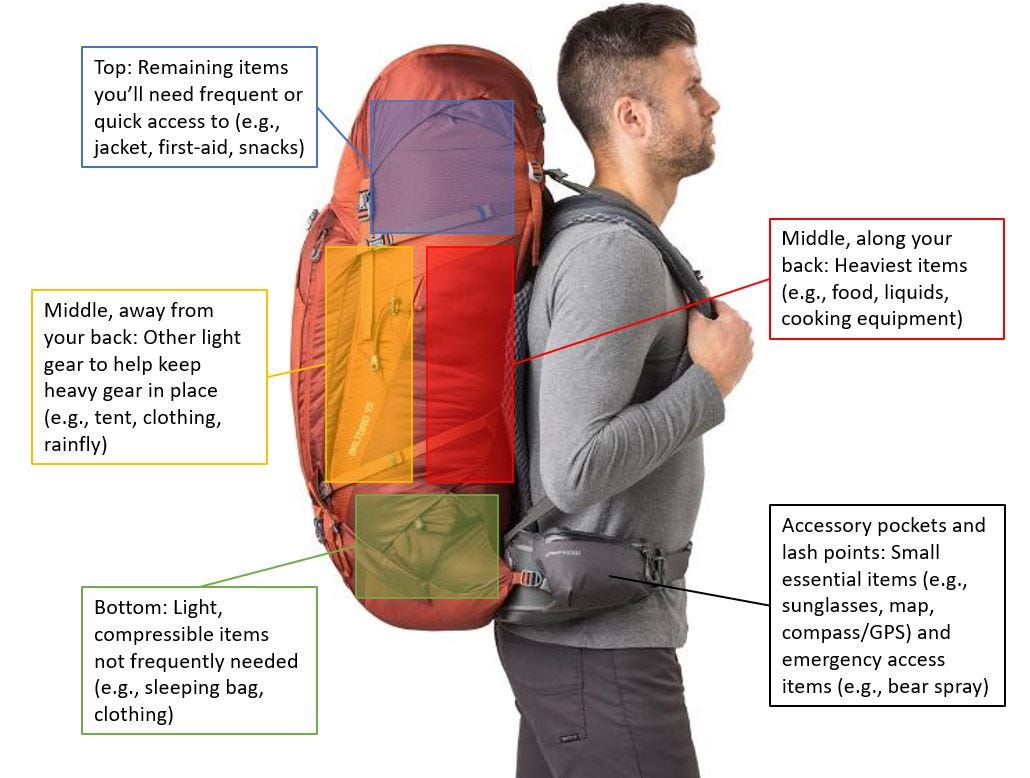
Place heavy items close to your back and near the center of the bag. This helps keep your balance and reduces strain.
Lighter items go at the top and edges of the bag. Avoid putting all weight on one side to prevent discomfort.
- Pack heavy gear like water and food near your spine
- Put medium-weight items in the middle
- Light items like clothing go on top or sides
Using Compression Bags
Compression bags reduce the size of bulky items like clothes and sleeping bags. They save space and keep your bag organized.
Seal the bag and press out the air. This makes your gear compact and easier to fit inside your hiking bag.
- Use compression bags for clothes and sleeping bags
- Remove air to shrink the bag size
- Keep items dry and protected
Organizing Small Items
Small items can get lost if placed loosely in the bag. Use pouches or small containers to keep them together.
Organize items by type and frequency of use. Keep important gear easy to reach.
- Use small bags for toiletries, snacks, and tools
- Label pouches to find items quickly
- Place frequently used items in outer pockets
Minimizing Weight
Carrying less weight makes hiking easier and more enjoyable. A lighter bag saves your energy and helps you move faster.
To pack light, focus on what you really need. Avoid heavy items that do not add value to your hike.
Choosing Lightweight Gear
Pick gear made from light materials like aluminum or titanium. These materials reduce the total weight without losing strength.
Look for compact designs that fit well in your bag. Small gear takes up less space and weighs less.
- Use a lightweight backpack with padded straps
- Choose a sleeping bag with down filling
- Carry a small, portable stove
- Pick lightweight cookware and utensils
Multipurpose Items
Bring items that serve more than one purpose. This way, you carry fewer things and save weight.
Multipurpose gear helps reduce clutter and keeps your bag organized.
- A bandana can be a towel, hat, or sun shield
- A knife with tools replaces separate gadgets
- A jacket that works as rainwear and insulation
- Containers that can be used for cooking and storage
Avoiding Non-essentials
Only pack what you need for safety and comfort. Leave behind items that do not have a clear purpose.
Extra items add weight and can slow you down on the trail.
- Skip heavy books or electronics
- Limit extra clothes to what fits the weather
- Avoid carrying full-size toiletries
- Do not bring multiple pairs of shoes
Safety And Emergency Gear
Packing safety and emergency gear is key for a safe hike. These items help you stay prepared for unexpected situations.
Always carry the right tools to protect yourself and call for help if needed. This gear can save your life.
Emergency Shelter
An emergency shelter protects you from bad weather and cold. It keeps you dry and warm until help arrives.
Lightweight options like a tarp or a bivy sack fit easily in your pack. Choose one that is easy to set up.
- Emergency blanket
- Tarp or poncho
- Bivy sack or small tent
Communication Devices
Communication devices help you call for help in an emergency. Cell phones may not work in remote areas.
Carry a satellite messenger or a whistle to signal rescuers. Let someone know your route before hiking.
- Fully charged cell phone
- Satellite messenger or GPS device
- Whistle for loud signals
Fire Starting Tools
Fire helps keep you warm and signals rescuers. Always pack reliable fire starting tools in your bag.
Matches and lighters can fail if wet. Carry waterproof matches or a fire starter kit to be safe.
- Waterproof matches
- Windproof lighter
- Fire starter sticks or tinder
Final Checks Before Hiking
Before you start your hike, it is important to do some final checks on your bag. These checks help you carry your gear safely and comfortably.
Checking the weight, item placement, and strap adjustments can make your hike easier and more enjoyable.
Weight Assessment
Make sure your hiking bag is not too heavy. A heavy bag can cause pain and slow you down. Try to keep the weight balanced and manageable.
Lift your bag and feel how it sits on your back. If it feels too heavy, remove some non-essential items or repack to distribute the weight better.
Accessibility Of Items
Place items you need often in easy-to-reach pockets. This saves time and effort while hiking. Think about water bottles, snacks, and maps.
Keep less used items deeper in the bag. This way, your important gear is always within reach without unpacking the whole bag.
- Water bottles in side pockets
- Snacks in top compartment
- Rain jacket in outer pocket
- First aid kit near the top
Adjusting Straps And Fit
Check all straps before hiking. Tighten the shoulder straps so the bag fits snugly. Loose straps can cause the bag to move and strain your back.
Adjust the waist belt to transfer weight to your hips. This helps reduce pressure on your shoulders and improves balance.
- Tighten shoulder straps evenly
- Fasten and adjust waist belt
- Use chest strap for extra stability
- Make sure the bag sits close to your back
Credit: www.reddit.com
Frequently Asked Questions
What Essentials Should I Pack In My Hiking Bag?
Pack water, snacks, first aid kit, map, and weather-appropriate clothing. Include a flashlight, multi-tool, and emergency blanket. These items ensure safety, comfort, and preparedness during your hike.
How Do I Distribute Weight In My Hiking Bag?
Place heavy items close to your back and near the center. Lighter items should go at the top and outer pockets. This balance improves comfort and reduces strain on your shoulders.
How Much Water Should I Carry For A Hike?
Carry at least 2 liters of water for a half-day hike. Increase the amount based on weather, trail difficulty, and your hydration needs. Staying hydrated is crucial for energy and safety.
Should I Pack Food For A Day Hike?
Yes, pack lightweight, high-energy snacks like nuts, granola bars, and dried fruit. Food keeps your energy levels steady and helps prevent fatigue during your hike.
Conclusion
Packing your hiking bag well makes your trip safer and more fun. Choose only what you need. Keep your bag light and organized. Remember to test your pack before the hike. This helps you find what fits best. Stay prepared for weather and trail changes.
A good pack makes hiking easier and more enjoyable. Take your time to pack smartly. Ready for the trail? Enjoy every step with a well-packed bag.