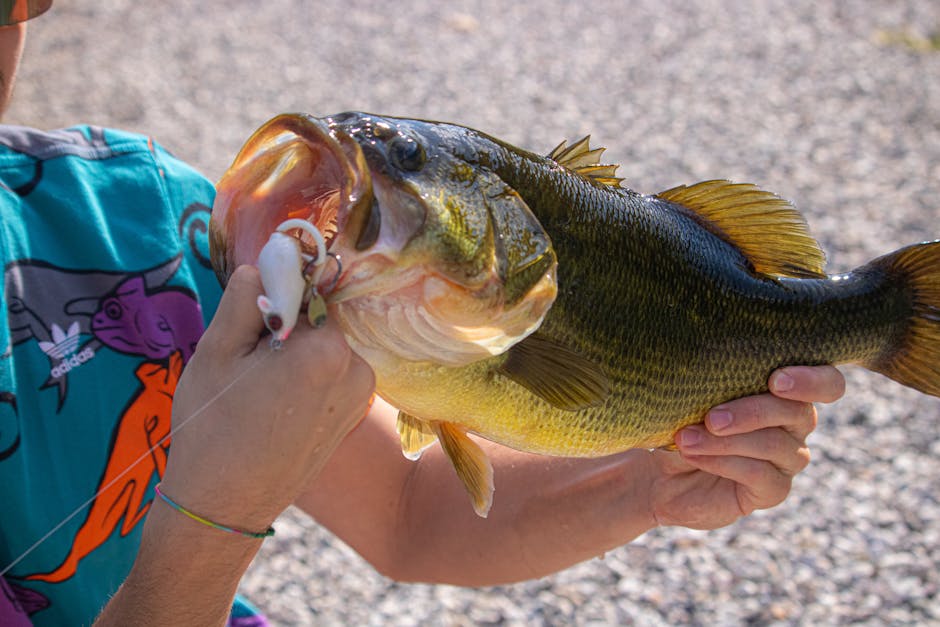
If you want to catch more fish, mastering how to fish a crawfish lure is a game changer. Crawfish lures mimic the natural prey that many fish love, making them a powerful tool in your tackle box.
But it’s not just about casting and hoping for the best—you need the right technique to bring those lures to life and trigger bites. You’ll discover simple steps and expert tips to make your crawfish lure irresistible to fish. Get ready to boost your fishing success and enjoy more action on the water!
Choosing The Right Crawfish Lure
Fishing with a crawfish lure can be very effective. The right lure helps catch more fish.
It is important to pick a lure that fits the water and fish you want. This guide will help you choose.
Types Of Crawfish Lures
Crawfish lures come in many styles. Each type moves differently in the water.
Some lures look like real crawfish, while others use soft plastic or hard parts.
- Soft Plastic Crawfish: Flexible and lifelike, good for slow retrieves.
- Hard Plastic Crawfish: Durable and often have jointed parts for action.
- Rubber Skirts: Add extra movement to attract fish.
- Jig Heads with Crawfish: Weighted for sinking and easy casting.
Matching Lure Color To Water Conditions
Color choice depends on water clarity and light. Bright colors show well in murky water.
Natural colors work best in clear water. They look like real crawfish to fish.
- Clear Water: Use browns, greens, and tans.
- Murky Water: Use bright oranges, reds, or chartreuse.
- Low Light: Dark colors like black or dark brown stand out.
Size And Weight Considerations
Choose lure size based on the fish you want to catch. Bigger fish need bigger lures.
Lure weight affects how it moves and sinks. Heavier lures sink faster and cast farther.
- Small Lures: Good for light tackle and smaller fish.
- Medium Lures: Work well for most fish and conditions.
- Heavy Lures: Use in deep water or strong currents.

Credit: www.battlbox.com
Best Fishing Spots For Crawfish Lures
Fishing with crawfish lures is a popular way to catch bass and other freshwater fish. Choosing the right spot can make your trip more successful and fun.
Knowing where fish like to hide and feed helps you place your lure in the best spots. Let’s look at key areas to target.
Structure And Cover To Target
Fish often hide near structures and cover. These spots provide shelter and food for crawfish and fish. Target these areas for better results.
Look for rocks, fallen trees, and weed beds. These places attract crawfish and make fish wait for prey.
- Rock piles and ledges
- Submerged logs and branches
- Thick weed beds and vegetation
- Docks and piers
Ideal Water Depths
Crawfish live in shallow to moderate depths. Fish follow them, so casting your lure here works well. The right depth depends on the season and location.
Try fishing between one and ten feet deep. This range covers many crawfish habitats and nearby fish zones.
- Shallow water (1-3 feet) near shorelines
- Mid-depth zones (4-7 feet) around structures
- Deeper edges (8-10 feet) where fish rest
Seasonal Hotspots
Fish behavior changes with the seasons. Crawfish move to different areas, so your fishing spots should change too.
In spring and summer, focus on shallow water near cover. In fall and winter, try deeper water and main lake points.
- Spring: Shallow flats and spawning areas
- Summer: Weed edges and shaded cover
- Fall: Deeper flats and transition zones
- Winter: Deep holes and creek channels
Effective Retrieval Techniques
Fishing with a crawfish lure can be exciting. It mimics natural movements that attract fish. Knowing the right techniques is key to success.
In this guide, you will learn how to effectively use a crawfish lure. We will cover different retrieval methods to improve your catch rate.
Slow Crawfish Crawl
The slow crawl mimics a real crawfish moving along the bottom. This technique is especially useful in cold waters. Fish find it hard to resist a slow-moving target.
- Cast your line and let it sink to the bottom.
- Slowly reel in, keeping the lure close to the bottom.
- Pause occasionally to mimic a resting crawfish.
Dragging And Hopping Methods
Dragging and hopping are dynamic techniques. They create sudden movements that can trigger strikes from predatory fish.
| Method | Action |
| Dragging | Pull the lure steadily across the bottom. |
| Hopping | Lift the rod tip to make the lure jump. |
Pausing To Trigger Strikes
Pausing during retrieval can entice hesitant fish to strike. It mimics a crawfish stopping to rest, making it an easy target.
Tackle Setup For Crawfish Fishing
Fishing with a crawfish lure needs the right tackle setup. The right gear helps you catch more fish easily.
This guide covers the rod, reel, line, hooks, and rigs best for crawfish fishing.
Rod And Reel Selection
Choose a medium to medium-heavy rod for good control. A rod about 6 to 7 feet long works well.
Use a baitcasting or spinning reel. Baitcasting reels offer more accuracy, but spinning reels are easier for beginners.
- Rod length: 6 to 7 feet
- Rod power: Medium to medium-heavy
- Reel type: Baitcasting or spinning
Line Type And Strength
Use braided or fluorocarbon line for crawfish fishing. Braided line is strong and sensitive.
Fluorocarbon line is less visible underwater. Choose a line strength of 10 to 20 pounds to handle big fish.
- Line types: Braided or fluorocarbon
- Line strength: 10 to 20 pounds
- Braided line offers better sensitivity
- Fluorocarbon line is less visible
Hook And Rig Options
Use wide-gap hooks sized 2/0 to 4/0. Wide gaps hold crawfish lures better and help with hook sets.
Texas rig and Carolina rig are popular choices. Texas rig keeps the lure weedless. Carolina rig lets the lure move freely.
- Hook size: 2/0 to 4/0 wide-gap hooks
- Texas rig: Weedless setup
- Carolina rig: Allows free lure movement
Timing Your Crawfish Lure Fishing
Fishing with a crawfish lure needs good timing. Knowing the right moments helps catch more bass.
This guide explains when to fish your crawfish lure for the best results.
Best Times Of Day
Bass are more active at certain times. Early morning and late afternoon are top times to fish.
- Fish at dawn when bass search for food.
- Try late afternoon before sunset for good bites.
- Midday can work if the water is shaded.
Weather And Water Temperature Effects
Weather and water temperature change how bass behave. They get active in warm water and slow down in cold.
| Weather | Water Temp | Bass Activity |
| Sunny | 65°F – 75°F | High |
| Cloudy | 60°F – 70°F | Medium |
| Rainy | 55°F – 65°F | Low |
| Cold Front | Below 55°F | Very Low |
Adapting To Bass Behavior
Bass change their habits based on food and safety. Watch how they move and change your fishing style.
Tips to adapt your fishing:
- Cast near cover when bass hide.
- Vary your lure speed to find what works.
- Try different depths to match bass location.
- Use quieter presentations when bass are shy.

Credit: www.youtube.com
Common Mistakes To Avoid
Fishing with a crawfish lure can be fun and effective. Many anglers make simple mistakes that reduce their catch.
Knowing what to avoid helps improve your chances. Here are common errors to watch out for while fishing with crawfish lures.
Overworking The Lure
Moving the lure too much or too fast can scare fish away. Crawfish move slowly, so your lure should match their natural pace.
- Use slow, gentle twitches to mimic real crawfish.
- Pause often to let the lure rest on the bottom.
- Avoid fast jerks or constant movement that looks unnatural.
Ignoring Local Conditions
Water temperature, clarity, and bottom type change how fish respond. Ignoring these can hurt your success.
| Condition | Tip |
| Cold water | Use slow lure action and darker colors |
| Clear water | Choose natural colors and subtle movement |
| Muddy water | Pick bright colors and create vibrations |
| Rocky bottom | Use weedless lures to avoid snags |
Wrong Gear Choices
Using the wrong rod, reel, or line reduces control and feel. This makes it hard to fish the lure properly.
- Medium-action rod for sensitivity and power
- Spinning reel with smooth drag
- 8-12 lb test line for strength and invisibility
Tips For Landing Big Bass
Fishing with a crawfish lure can bring in big bass if done right. Using the right techniques helps you catch and keep the fish.
Here are some tips to help you land big bass using a crawfish lure.
Setting The Hook Properly
When the bass bites, wait a moment before setting the hook. This lets the fish fully take the lure in its mouth.
Pull the rod sharply upward and backward to set the hook deep. Avoid pulling too hard to prevent breaking the line.
- Watch for a solid bite before pulling
- Use a quick, firm hook set
- Keep your rod tip up to keep tension
Playing The Fish
Keep steady pressure on the bass to tire it out. Let it run if it pulls hard, then reel in when it slows down.
Use your rod and reel to control the fish without breaking your line. Avoid jerking or sudden moves.
- Keep line tight but not too tight
- Let the fish run to avoid snap-offs
- Use smooth, steady reeling
Handling And Releasing Safely
Use wet hands or a wet cloth to handle the bass. This protects the fish’s slime coat and helps it stay healthy.
Remove the hook gently with pliers. If the hook is deep, cut the line close to the hook to avoid harm.
- Handle the fish gently and quickly
- Keep the fish in water as much as possible
- Release the fish carefully to swim away

Credit: www.lurenet.com
Frequently Asked Questions
What Is The Best Way To Fish A Crawfish Lure?
The best way is to use a slow, steady retrieve. Let the lure mimic natural crawfish movements near the bottom. Vary your speed and add occasional pauses to attract fish effectively.
How Do I Rig A Crawfish Lure Properly?
Use a jig head or Texas rig for best results. Ensure the lure is secure and the hook points out. This setup helps the lure move naturally and avoids snags.
When Is The Ideal Time To Use A Crawfish Lure?
Early morning and late evening are ideal times. Fish are more active and feeding near the bottom during these periods. Overcast days can also increase lure effectiveness.
What Fish Species Respond Best To Crawfish Lures?
Bass, catfish, and crappie respond well to crawfish lures. These species naturally prey on crawfish, making the lure highly attractive. Adjust your technique based on the targeted fish.
Conclusion
Fishing a crawfish lure can bring great catches. Keep your movements slow and steady. Watch the water for bites and adjust your speed. Use the right lure size for the fish you want. Practice helps you understand how fish react.
Stay patient and enjoy the calm moments. Each fishing trip teaches something new. Try different spots to find where fish hide. Follow these tips, and you’ll catch more fish soon.