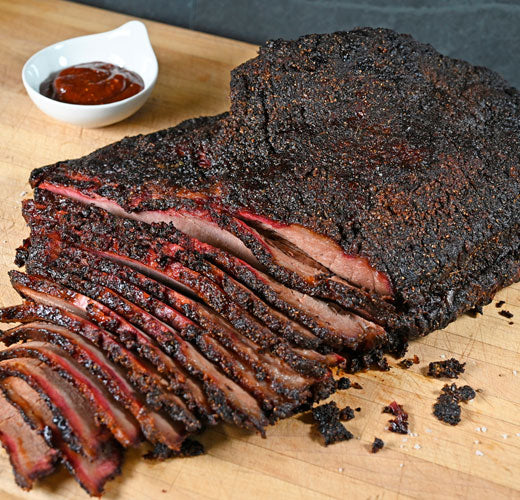
If you want to master the art of BBQ brisket on a charcoal grill, you’re in the right place. There’s something truly special about that smoky, tender flavor you get when you cook brisket low and slow over charcoal.
But it can be tricky to get it just right. You might wonder how to control the heat, when to add smoke, or how long to cook your meat for the best results. This guide will walk you through every step, so you can impress your friends and family with mouthwatering brisket that melts in your mouth.
Ready to become the BBQ hero you’ve always wanted to be? Let’s dive in.
Choosing The Right Brisket
Choosing the right brisket is the first step to great BBQ. The meat quality affects flavor and tenderness.
Learn how to pick brisket that cooks well on a charcoal grill for the best results.
Selecting Quality Meat
Look for brisket with a good amount of fat, called marbling. This fat keeps the meat juicy during cooking.
Choose meat with a fresh, bright red color and avoid any dark or dry spots.
- Marbling improves flavor and moisture
- Fresh color shows good quality
- Firm texture means fresh meat
Understanding Brisket Cuts
Brisket has two main parts: the flat and the point. Each part cooks differently on charcoal.
The flat is leaner and slices nicely. The point has more fat and is good for shredding.
- Flat: lean, good for slicing
- Point: fattier, great for shredding
- Whole packer brisket includes both parts
Trimming Tips
Trim excess fat but leave a thin layer to keep the meat moist during cooking. About ¼ inch is ideal.
Remove silver skin and hard fat because they do not melt and affect texture.
- Keep some fat for moisture
- Remove thick hard fat
- Cut off silver skin
- Shape brisket evenly for uniform cooking

Credit: www.youtube.com
Preparing The Brisket
Getting the brisket ready is the first step to great BBQ. Proper preparation helps the meat absorb flavors. It also makes cooking easier and more even.
This guide covers three key parts: applying the rub, marinating, and resting the brisket before grilling.
Applying The Rub
A dry rub adds flavor and forms a tasty crust on the brisket. Use a mix of spices that you like. Apply it evenly over the whole surface.
- Pat the brisket dry with paper towels.
- Mix salt, pepper, garlic powder, and paprika.
- Rub the spice mix all over the meat.
- Massage the rub into the brisket for better flavor.
- Let it sit at room temperature for 30 minutes before cooking.
Marinating Options
Marinating helps to tenderize the brisket and add deeper flavor. You can use dry or wet marinades. Plan to marinate for several hours or overnight.
| Marinade Type | Ingredients | Marinating Time |
|---|---|---|
| Dry Marinade | Salt, sugar, chili powder, cumin | 6-12 hours |
| Wet Marinade | Apple cider vinegar, soy sauce, garlic, onion | 4-8 hours |
| Injection Marinade | Beef broth, Worcestershire sauce, melted butter | Immediately before cooking |
Resting Before Cooking
Resting the brisket lets the rub and marinade soak in. It also helps the meat relax for even cooking. Wrap the brisket in foil or plastic wrap.
- Place the brisket in the fridge for at least 1 hour.
- Bring it to room temperature about 30 minutes before grilling.
- Keep it covered to retain moisture and flavor.
Setting Up The Charcoal Grill
Setting up your charcoal grill is crucial for a successful BBQ brisket. Proper preparation ensures even cooking and enhances flavor.
Follow these steps to set up your grill for a great barbecue experience. You’ll learn how to arrange charcoal, control temperature, and use wood for smoke.
Arranging Charcoal For Indirect Heat
Indirect heat is key to cooking brisket evenly. Arrange the charcoal on one side of the grill to create a cool zone for indirect cooking.
- Place charcoal on one side of the grill.
- Leave the other side empty for indirect heat.
- Use a drip pan under the brisket to catch drippings.
Controlling Temperature
Maintaining the right temperature is essential for tender brisket. Keep your grill between 225°F and 250°F for the best results.
| Temperature (°F) | Cooking Time |
| 225 | 1.5 hours per pound |
| 250 | 1 hour per pound |
Using Wood For Smoke
Enhance the flavor of your brisket by adding wood for smoke. Choose wood types like hickory or mesquite for a robust taste.
Smoking And Cooking Process
Cooking brisket on a charcoal grill needs patience and control. The smoking and cooking process brings out the best flavors and tenderness.
Keeping the right heat, watching the meat’s temperature, and controlling smoke levels are key steps. Each part affects the final taste and texture.
Maintaining Steady Heat
Steady heat is important for slow cooking brisket. Too hot, and the meat cooks too fast. Too low, and it may never get tender.
- Use charcoal briquettes for even heat
- Add charcoal gradually to keep temperature steady
- Adjust air vents to control oxygen flow
- Place charcoal on one side for indirect cooking
- Keep the grill lid closed to keep heat in
Monitoring Internal Temperature
Check the brisket’s internal temperature to know when it is done. Use a meat thermometer for best results.
| Temperature (°F) | Brisket Stage | Description |
| 160-170 | Stall | Fat renders, temperature holds steady |
| 195-205 | Done | Meat is tender and ready to eat |
| Below 140 | Early Cooking | Meat is still tough, needs more time |
Managing Smoke Levels
Smoke adds flavor but too much can make meat bitter. Control the amount and type of wood used.
Tips to manage smoke:
- Use hardwood chunks like oak or hickory
- Add small amounts of wood to charcoal
- Avoid wet wood to reduce harsh smoke
- Keep airflow steady for clean smoke
Wrapping And Resting
Wrapping and resting are key steps in cooking brisket on a charcoal grill. They help keep the meat juicy and tender.
These steps improve the flavor and make the brisket easier to slice.
When And How To Wrap
Wrap the brisket after it reaches an internal temperature of about 160°F (70°C). This is usually midway through cooking.
Use either aluminum foil or butcher paper to wrap the brisket tightly. Wrapping helps keep moisture in and speeds up cooking.
- Check the temperature with a meat thermometer.
- Remove the brisket from the grill briefly to wrap it.
- Wrap the brisket fully but leave room for steam.
- Return the wrapped brisket to the grill to finish cooking.
Resting Time Importance
Resting allows the juices to spread evenly inside the brisket. It makes the meat tender and moist.
Let the brisket rest for at least 1 hour after cooking. Keep it wrapped and in a warm place.
- Resting helps the meat finish cooking evenly.
- It prevents juices from spilling out when slicing.
- Resting improves flavor and texture.
- Use a cooler or warm oven to keep wrapped brisket warm.

Credit: www.youtube.com
Slicing And Serving
Slicing and serving brisket correctly makes a big difference. It helps keep the meat tender and tasty.
Knowing the right way to slice and serve lets you enjoy every bite of your charcoal-grilled brisket.
Best Slicing Techniques
Always slice brisket against the grain. This means cutting across the muscle fibers.
Cut slices about ¼ inch thick. Thinner slices stay tender and easy to chew.
- Locate the grain direction on the brisket.
- Use a sharp knife for clean cuts.
- Cut perpendicular to the grain.
- Keep slice thickness even for uniform cooking.
Serving Suggestions
Serve brisket slices warm with your favorite sides. This keeps the meat juicy and flavorful.
Offer barbecue sauce on the side. Let guests add sauce to taste.
- Serve with classic sides like coleslaw and baked beans.
- Use soft buns to make brisket sandwiches.
- Add pickles or onions for extra flavor.
- Provide napkins for easy cleanup.
Common Mistakes To Avoid
Grilling brisket on a charcoal grill takes time and patience. Avoiding common mistakes helps you cook better meat. Pay attention to your grill and the brisket during cooking.
Here are key mistakes to watch out for when barbecuing brisket. Fixing these will improve your results.
Temperature Fluctuations
Keeping a steady temperature is important for slow cooking brisket. Sudden heat changes can dry out or burn the meat.
- Don’t open the grill lid too often; it lets heat escape.
- Use a good charcoal arrangement to keep heat even.
- Add small amounts of charcoal or wood to keep temperature stable.
- Use a grill thermometer to monitor heat inside the grill.
Overcooking Or Undercooking
Cooking brisket too long makes it dry and tough. Too short cooks leave it chewy and hard to eat.
| Cooking Issue | Result | How to Fix |
| Overcooked | Dry, tough meat | Watch internal temp; remove at 195-205°F |
| Undercooked | Chewy, hard to slice | Cook longer at low heat until tender |
Skipping Rest Period
Resting brisket lets juices spread inside. Cutting it too soon loses flavor and moisture.
Rest your brisket for at least 30 minutes after cooking. Wrap it in foil and keep it warm.
This step makes the meat juicy and easier to slice.
Tips For Enhanced Flavor
Barbecuing brisket on a charcoal grill takes patience and care. Using the right methods can make your brisket more flavorful and tender.
This guide shares simple tips to improve flavor by choosing wood chips, trying different rubs and sauces, and using a water pan.
Choosing The Right Wood Chips
Wood chips add smoky flavor to your brisket. Different woods give different tastes. Picking the right wood helps match your flavor preference.
- Hickory: Strong and bold smoke taste, classic for beef.
- Mesquite: Very strong and earthy, use in small amounts.
- Apple: Mild and sweet, good for lighter smoke.
- Cherry: Fruity and sweet, adds nice color to meat.
- Oak: Medium smoky flavor, versatile and easy to find.
Experimenting With Rubs And Sauces
Rubs and sauces bring layers of flavor to your brisket. Try different mixes to find what tastes best to you.
| Type | Main Ingredients | Flavor Profile |
| Dry Rub | Salt, pepper, paprika, garlic powder | Spicy and savory |
| Sweet Rub | Brown sugar, chili powder, cumin | Sweet and smoky |
| Wet Sauce | Tomato base, vinegar, mustard, spices | Tangy and moist |
| Spicy Sauce | Hot peppers, vinegar, garlic | Hot and sharp |
Using A Water Pan
A water pan helps keep the grill moist and steady. It stops the brisket from drying out during long cooking times.
- Place the pan below the brisket on the grill grate.
- Fill the pan with hot water before cooking.
- Check water level every hour and add more if needed.
- The steam helps keep meat tender and juicy.
- It also helps control grill temperature for even cooking.

Credit: snakeriverfarms.com
Frequently Asked Questions
How Long Should Brisket Cook On A Charcoal Grill?
Brisket typically cooks for 1 to 1. 5 hours per pound on a charcoal grill. Maintain a steady temperature around 225-250°F for best results. Patience ensures tender, flavorful meat.
What Charcoal Type Is Best For Bbq Brisket?
Lump charcoal is ideal for BBQ brisket. It burns hotter and cleaner than briquettes. This helps maintain consistent heat and adds a natural smoky flavor to the meat.
Should I Wrap Brisket During Charcoal Grilling?
Yes, wrapping brisket in foil or butcher paper helps retain moisture. Wrap it after the meat reaches an internal temperature of about 160°F. This method speeds cooking and keeps the brisket juicy.
How Do I Control Temperature On A Charcoal Grill?
Control temperature by adjusting the grill vents and the amount of charcoal. Open vents increase airflow and heat; closing them reduces temperature. Use a thermometer for accurate monitoring.
Conclusion
Grilling brisket on a charcoal grill takes time and patience. Keep the fire steady and the smoke gentle. Watch the meat closely and turn it as needed. Use a good rub and don’t rush the cooking. The reward is tender, flavorful brisket everyone will enjoy.
Practice often to improve your skills. Soon, you will grill with confidence and taste success.