Have you ever wondered why plants hold such a special place in nature? They are not just green and pretty—they are the very start of the food chain.
Without plants, your favorite fruits, vegetables, and even the animals you eat wouldn’t exist. Understanding what makes plants the beginning of this chain can change the way you see the world around you. Keep reading, and you’ll discover how these humble living things power entire ecosystems and why they matter to you every single day.
Role Of Plants In Ecosystems
Plants are the base of many ecosystems. They provide energy and food for other living things. Without plants, life on Earth would struggle to survive.
Plants support ecosystems by creating oxygen and food. They keep the environment balanced and healthy for animals and humans.
Primary Producers Explained
Plants are called primary producers. They make their own food using sunlight. This food feeds other creatures in the food chain.
- Use sunlight to make energy
- Provide food for herbivores
- Support animals higher in the food chain
- Help recycle nutrients in the soil
Photosynthesis: Energy Conversion
Photosynthesis is how plants turn sunlight into energy. They take in water and carbon dioxide. Then, they create sugar and oxygen.
| Input | Process | Output |
|---|---|---|
| Sunlight, Water, Carbon Dioxide | Photosynthesis in leaves | Sugar (energy), Oxygen |
Oxygen Release And Its Impact
Plants release oxygen during photosynthesis. This oxygen is vital for animals and humans. It keeps the air fresh and supports life.
- Supports breathing for animals and humans
- Maintains balance in the atmosphere
- Helps remove carbon dioxide from the air
- Supports aquatic life in water bodies

Credit: medium.com
How Plants Support Food Chains
Plants are the first link in most food chains. They capture sunlight and turn it into energy. This energy feeds many living creatures.
Without plants, animals would not have food or oxygen to survive. They keep ecosystems balanced and healthy.
Energy Flow From Plants To Consumers
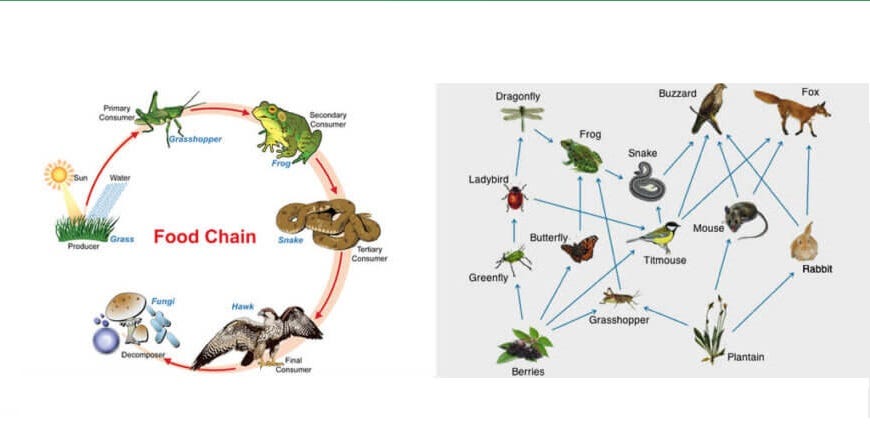
Plants absorb sunlight and make food through photosynthesis. This food gives energy to herbivores that eat plants. Then, carnivores eat herbivores and get energy from them.
- Plants convert sunlight into energy-rich food.
- Herbivores eat plants and gain energy.
- Carnivores eat herbivores for energy.
- Decomposers break down dead plants and animals.
Plants As Food Sources For Herbivores
Herbivores rely on plants for nutrients. They eat leaves, stems, fruits, and roots. Different animals choose different plant parts to eat.
| Herbivore | Preferred Plant Part |
| Deer | Leaves and twigs |
| Rabbits | Grass and herbs |
| Elephants | Branches and bark |
| Caterpillars | Leaves |
Foundation For Complex Food Webs
Plants support many animals at once. They create a base for food webs, which show how energy moves through nature.
Here is a simple example of how plants connect to different consumers in a food web:
- Plants provide food for insects and small herbivores.
- Small herbivores feed birds and small mammals.
- Birds and mammals become food for larger predators.
Plant Adaptations For Survival
Plants are crucial as they form the beginning of the food chain. They have amazing adaptations that help them survive in different environments. These adaptations ensure they can grow, reproduce, and provide food for other organisms.
Understanding these adaptations helps us appreciate the role plants play in our ecosystem. Let’s explore how their leaves, roots, and defenses work.
Leaf Structure And Light Absorption
Leaves are vital for plants because they absorb sunlight. This sunlight is used in photosynthesis to create food. The structure of leaves helps them capture as much light as possible.
Leaves are often broad and flat to increase surface area. This allows them to absorb more sunlight. Some leaves have a waxy surface to prevent water loss.
- Broad leaves capture more sunlight
- Waxy surfaces reduce water loss
- Thin structures allow light penetration
Root Systems And Nutrient Uptake
Roots anchor plants and absorb water and nutrients from the soil. Different root systems help plants survive in various environments.
Some plants have deep roots to reach water far below the surface. Others have wide root systems to capture water from a larger area. Roots also store food for the plant.
- Deep roots reach underground water
- Wide roots capture surface water
- Roots store nutrients for tough times
Defense Mechanisms Against Herbivores
Plants need defenses to protect themselves from animals that eat them. They have developed various ways to keep herbivores away.
Some plants have thorns or spines to deter animals. Others produce chemicals that taste bad or are toxic. These adaptations help plants survive and thrive.
- Thorns and spines deter animals
- Chemicals make leaves taste bad
- Toxins can harm herbivores
Impact Of Plants On Biodiversity
Plants are the foundation of all food chains on Earth. They produce energy through photosynthesis and support many living things.
Plant life affects biodiversity by creating homes, helping pollinators, and keeping soil healthy. These roles support many species.
Habitat Creation For Various Species
Plants provide shelter and homes for many animals. Trees, shrubs, and grasses offer places to live and hide from predators.
Different plants create different habitats. Forests, wetlands, and grasslands all depend on plant life for their unique ecosystems.
- Trees house birds, insects, and mammals
- Grasses offer cover for small animals
- Wetland plants support aquatic life
Supporting Pollinators And Seed Dispersers
Plants attract pollinators like bees, butterflies, and birds. These animals help plants reproduce by moving pollen.
Seed dispersers, such as squirrels and birds, spread seeds to new places. This helps plants grow in many areas.
- Pollinators increase plant diversity
- Seed dispersers help plants colonize
- Both support healthy ecosystems
Maintaining Soil Health And Stability
Plants keep soil in place with their roots. This stops erosion and keeps the land fertile.
Plants add organic matter to soil. This improves soil structure and helps other organisms live in it.
- Roots prevent soil washing away
- Leaves and stems add nutrients
- Healthy soil supports many species
Human Dependence On Plants
Plants are the base of the food chain. They provide energy for all living things.
Humans rely on plants for food, medicine, and a healthy environment.
Agriculture And Food Production
Plants supply fruits, vegetables, grains, and nuts. These foods feed people worldwide.
- Plants convert sunlight into energy through photosynthesis.
- Crops like wheat and rice are staple foods for many countries.
- Fruits and vegetables provide essential vitamins and minerals.
- Plants support livestock by serving as animal feed.
Medicinal Uses Of Plants
Many medicines come from plants. They help treat illnesses and improve health.
| Plant | Use |
| Aloe Vera | Soothes skin burns |
| Willow Bark | Pain relief |
| Ginger | Reduces nausea |
| Turmeric | Anti-inflammatory |
Environmental Benefits And Climate Regulation
Plants clean the air and help control the climate. They absorb carbon dioxide and release oxygen.
Important ways plants help the environment:
- Prevent soil erosion by holding soil in place
- Provide homes for animals and insects
- Help regulate temperature through shade and transpiration
- Support water cycles by releasing moisture

Credit: www.kofastudy.com

Credit: en.wikipedia.org
Frequently Asked Questions
Why Are Plants Called Primary Producers In The Food Chain?
Plants are primary producers because they create energy through photosynthesis. They convert sunlight into food, supporting all other life forms. Without plants, animals would lack energy sources. This makes plants the essential base of the food chain.
How Do Plants Support Herbivores In The Ecosystem?
Plants provide nutrients and energy directly to herbivores. Herbivores consume plants to survive and grow. This transfer of energy sustains higher levels of the food chain. Thus, plants are crucial for herbivore survival and ecosystem balance.
What Role Do Plants Play In Energy Flow?
Plants capture solar energy and convert it into chemical energy. This energy moves up the food chain as animals eat plants. Plants act as the initial energy source for all living organisms, ensuring energy flow within ecosystems.
Can Food Chains Exist Without Plants?
No, food chains cannot exist without plants. Plants start the energy flow by producing food. Without plants, herbivores and carnivores would lack energy sources. Hence, plants are indispensable for sustaining food chains.
Conclusion
Plants start the food chain by making energy from sunlight. They feed animals and provide oxygen for life. Without plants, animals cannot survive. Every living thing depends on plants in some way. This shows how important plants are for our world.
Taking care of plants means protecting life itself. Simple but powerful. The foundation of all food and life.