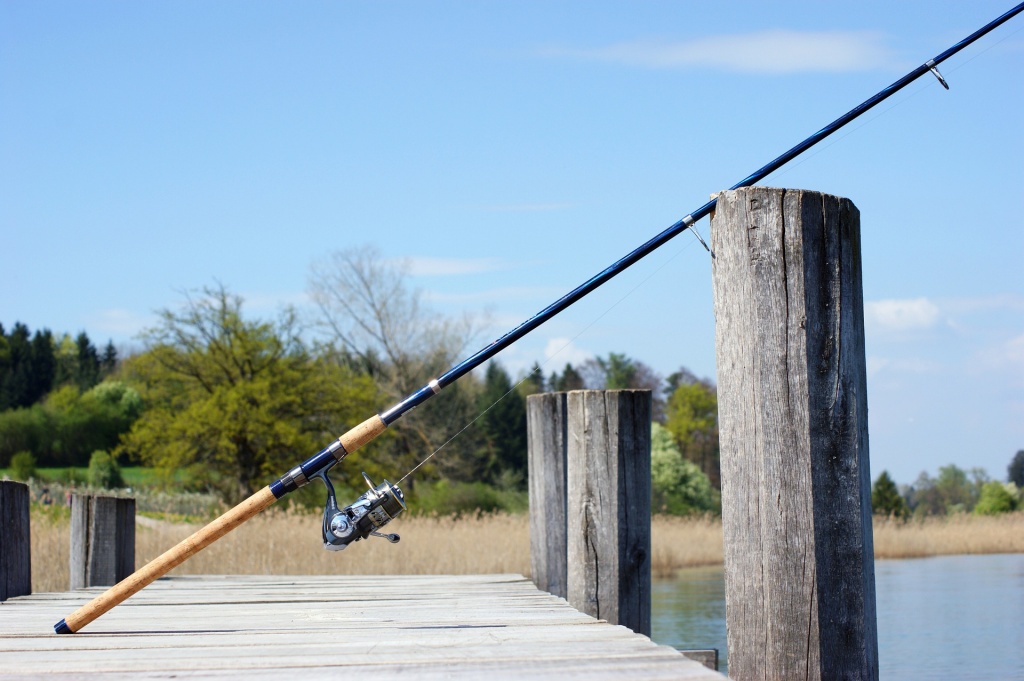
Have you ever wondered when fishing rods were first invented? If you love fishing or are curious about how this simple tool came to be, you’re in the right place.
Understanding the origins of fishing rods can change the way you see your next fishing trip. It’s not just about catching fish; it’s about connecting with a tradition that goes back centuries. Keep reading, and you’ll discover fascinating facts that make your fishing experience even more meaningful.
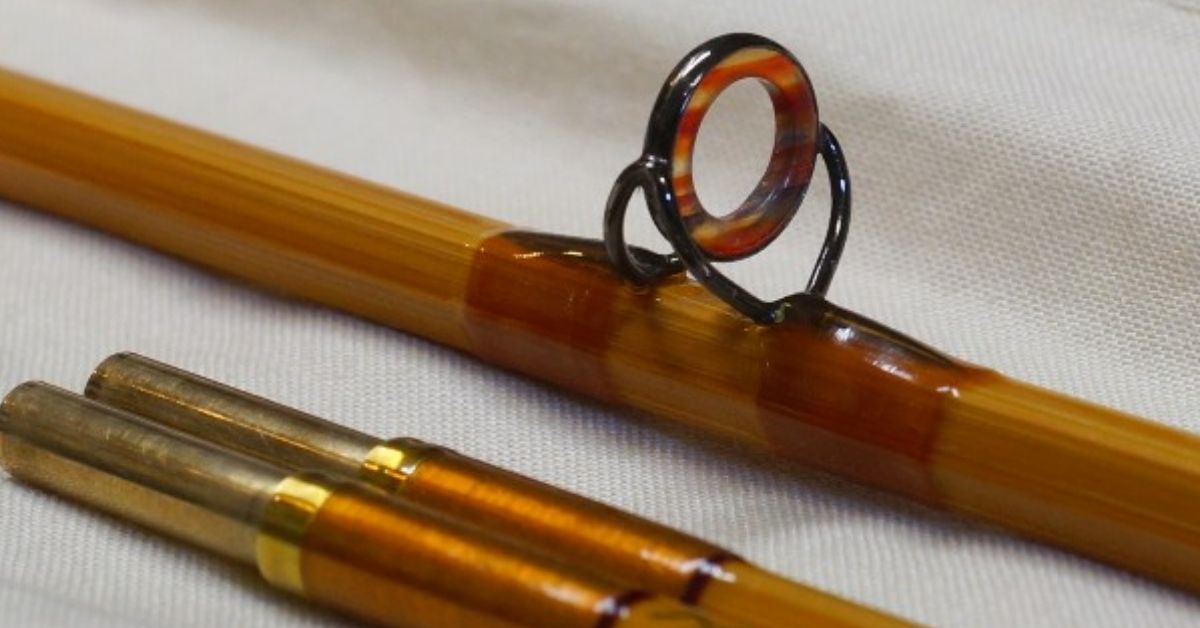
Credit: mysterytacklebox.com
Early Fishing Tools
Fishing has been a vital activity for humans for thousands of years. Early people used simple tools to catch fish for food and survival.
These tools evolved over time, leading to the invention of fishing rods. Understanding these early tools helps us see how fishing developed.
Ancient Fishing Techniques
Ancient people used many ways to catch fish without rods. They used nets, traps, spears, and even their hands.
These techniques were simple but effective. They helped people get fish from rivers, lakes, and oceans.
- Nets made from plant fibers to catch many fish at once
- Spears and harpoons to catch large fish
- Fish traps built from stones or wood placed in water
- Hand fishing, using bare hands to grab fish in shallow water
First Evidence Of Fishing Rods
The first fishing rods appeared thousands of years ago. Early rods were simple sticks with a line attached.
Archaeologists found fishing rods in ancient sites dating back to 2000 BC. These rods helped catch fish from a distance.
- Early rods made from wood or bamboo
- Lines made from animal sinew or plant fibers
- Hooks carved from bone or shells
- Used to catch bigger or faster fish than before

Credit: www.rwsummers.com
Development Through Ages
Fishing rods have a long history that goes back thousands of years. People used simple tools to catch fish in early times.
Over time, fishing rods changed with new ideas and better materials. This helped people fish more easily and catch more fish.
Medieval Innovations
In medieval times, fishing rods became stronger and more flexible. People added reels to help pull in fish.
Rods started to be made in sections, so they were easier to carry. This made fishing more practical for many people.
- Use of bamboo and ash wood for better flexibility
- Introduction of simple reels for winding line
- Rod sections joined with metal fittings
- Improved hooks and lines with better materials
Materials Used Over Time
Early fishing rods were made from wood, bamboo, and simple fibers. These materials were easy to find and use.
Later, manufacturers used new materials like fiberglass and carbon fiber. These made rods lighter and stronger.
- Wood: first material used for rods
- Bamboo: flexible and strong, popular in Asia
- Fiberglass: introduced in 20th century for durability
- Carbon fiber: very light and sensitive for modern rods
Impact Of Technology
Fishing rods have changed a lot over time. Technology helped make fishing easier and better.
New tools and materials improved how rods are made and how they work. This helped fishing grow as a hobby and job.
Industrial Revolution Advances
The Industrial Revolution made many new machines. These machines helped build fishing rods faster and stronger.
- Wood was cut and shaped by machines for better rods
- Metal parts like guides and reels were made with precision
- Mass production lowered the cost of fishing rods
- New designs made rods lighter and more flexible
Modern Fishing Rod Materials
Today, fishing rods use new materials. These materials make rods stronger and lighter than old wooden rods.
| Material | Benefit | Used Since |
| Fiberglass | Flexible and durable | 1940s |
| Carbon Fiber | Lightweight and strong | 1970s |
| Graphite | Very light and sensitive | 1980s |
Cultural Significance
Fishing rods have been a part of human history for thousands of years. They are not just tools but carry cultural importance across different societies.
These rods have played crucial roles in traditions and daily life. They symbolize survival, skill, and community in many cultures.
Fishing Rods In Different Cultures
Fishing rods vary around the world. Each culture has its unique design and use, reflecting local needs and traditions.
- In Japan, the Tenkara rod is used for fly fishing.
- In China, rods have been crafted from bamboo for centuries.
- Indigenous tribes in North America use rods made from wood and bone.
Symbolism And Traditions
Fishing rods often symbolize patience and harmony with nature. They are central to many cultural ceremonies and practices.
For example, in some cultures, fishing is a rite of passage. Young individuals prove their maturity through successful fishing trips.
| Culture | Symbolism |
| Japanese | Precision and skill |
| Native American | Connection to the earth |
| Scandinavian | Survival and tradition |
Fishing Rods Today
Fishing rods have come a long way since their invention. Today, they are made with advanced materials and smart designs. These rods help anglers catch fish with more ease and accuracy.
Modern fishing rods vary in length, power, and action. They suit different fishing styles and fish types. Many anglers enjoy the variety and quality of rods available now.
Contemporary Designs
Today’s fishing rods use materials like graphite, fiberglass, and carbon fiber. These materials make rods lighter and stronger than old wooden rods. Lightweight rods reduce arm fatigue during long fishing trips.
Designs focus on balance and sensitivity. Sensitive rods help anglers feel even small bites. Some rods have ergonomic handles for a better grip and comfort. Many rods also have guides made from durable materials to reduce line wear.
Popular Brands And Models
Several brands lead the fishing rod market with quality products. These brands offer rods for beginners and experts. Each brand has models designed for freshwater or saltwater fishing.
- Shimano: Known for durable rods with smooth action
- St. Croix: Offers a wide range of rods for all fishing types
- Ugly Stik: Popular for strong and affordable rods
- G. Loomis: Preferred for high-performance rods
- Fenwick: Known for lightweight and sensitive rods
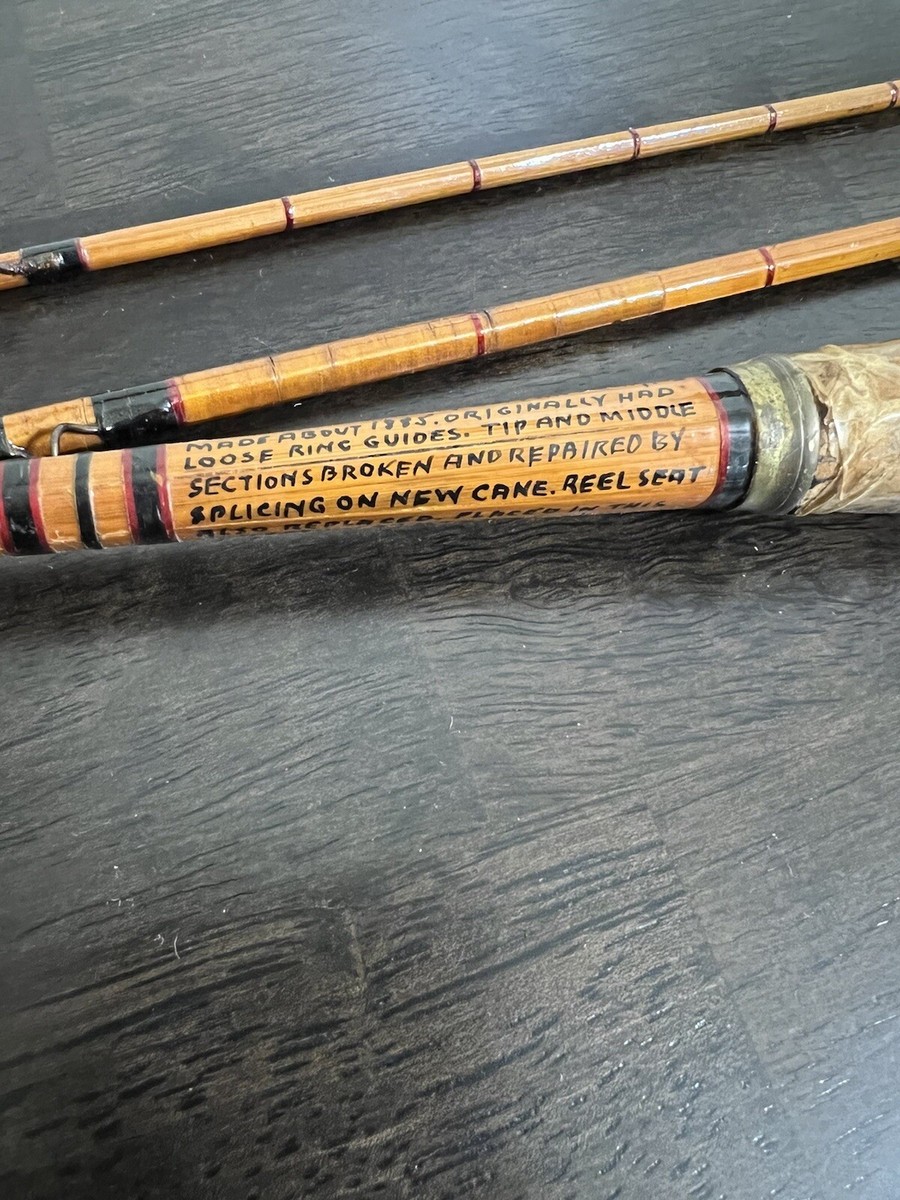
Credit: www.ebay.com
Frequently Asked Questions
When Were Fishing Rods First Invented?
Fishing rods were first invented around 2,000 BC in ancient Egypt and China. Early rods were simple and made from wood or bamboo. Over time, designs evolved to improve strength and flexibility for better fishing experiences.
How Did Fishing Rods Evolve Over Time?
Fishing rods evolved from basic wooden sticks to complex designs using bamboo, fiberglass, and carbon fiber. Innovations like reels and guides improved casting distance and control. These changes made fishing more efficient and enjoyable.
What Materials Were Used In Early Fishing Rods?
Early fishing rods used materials like wood, bamboo, and animal hair for lines. Bamboo became popular due to its flexibility and strength. Modern rods use advanced materials like fiberglass and carbon fiber for durability and performance.
Who Invented The Modern Fishing Rod?
The modern fishing rod was developed in the 19th century with innovations like the reel and improved materials. While no single inventor exists, many contributed to its design, including English anglers who popularized bamboo rods.
Conclusion
Fishing rods have a long history, starting thousands of years ago. People used simple tools made from wood and bone first. Over time, rods became stronger and easier to use. Today’s fishing rods are the result of many changes. They help anglers catch fish more easily and enjoy fishing more.
Knowing when fishing rods were invented shows how fishing evolved. It also reminds us how humans adapt tools to meet their needs. Fishing rods continue to be important for sport and food. The story of fishing rods is a story of human creativity and patience.