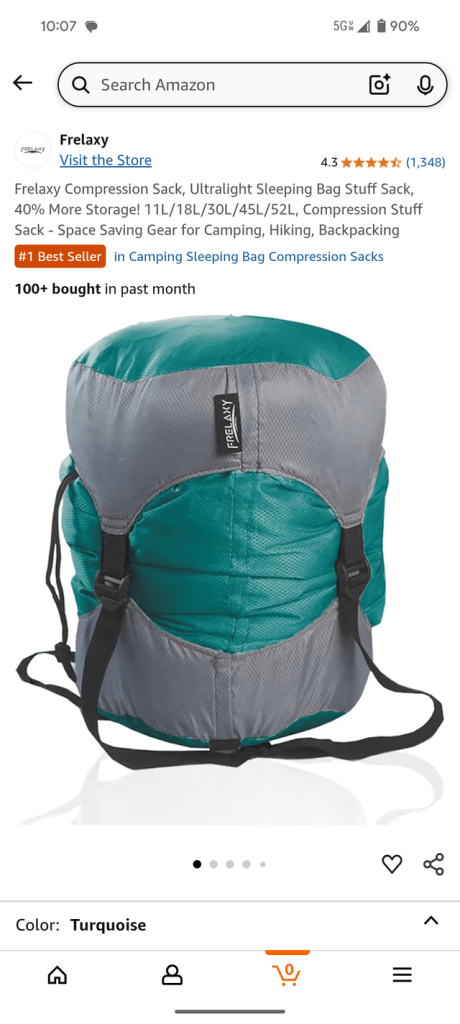
Choosing the right size stuff sack for your sleeping bag can make a big difference in your outdoor experience. If your stuff sack is too small, you’ll struggle to fit your sleeping bag inside.
If it’s too big, you’ll carry extra weight and wasted space. You want something that’s just right—easy to pack, light to carry, and perfect for protecting your sleeping bag. You’ll discover how to pick the perfect stuff sack size for your sleeping bag, making your next trip more comfortable and hassle-free.
Keep reading to find out exactly what you need!
Choosing The Right Stuff Sack Size
Picking the right stuff sack size helps protect your sleeping bag. It also makes your packing easier and saves space.
Too small a sack can damage your sleeping bag. Too large a sack takes up unnecessary room in your backpack.
Factors Affecting Stuff Sack Size
Stuff sack size depends on many factors. These include your sleeping bag type, how much you want to compress it, and your packing habits.
- Sleeping bag shape and size
- Compression level you need
- Material thickness of the sack
- How you plan to carry it
Sleeping Bag Dimensions And Volume
Know your sleeping bag’s length, width, and thickness. Check the volume it takes when stuffed or rolled. This helps in picking a sack that fits well.
| Sleeping Bag Size | Approximate Volume (Liters) | Suggested Stuff Sack Size (Liters) |
|---|---|---|
| Small (Short and Narrow) | 10-15 | 12-18 |
| Medium (Standard Adult) | 15-25 | 18-30 |
| Large (Tall or Wide) | 25-35 | 30-40 |
| Extra Large (Expedition) | 35+ | 40+ |
Material And Compression Considerations
Stuff sack materials affect weight and durability. Nylon is light but less durable. Polyester is stronger but heavier. Compression sacks have straps to reduce volume.
- Choose lightweight material for backpacking
- Pick durable fabric for rough use
- Compression sacks save space but can damage insulation if over-tightened
- Use a slightly larger sack if you want to avoid heavy compression
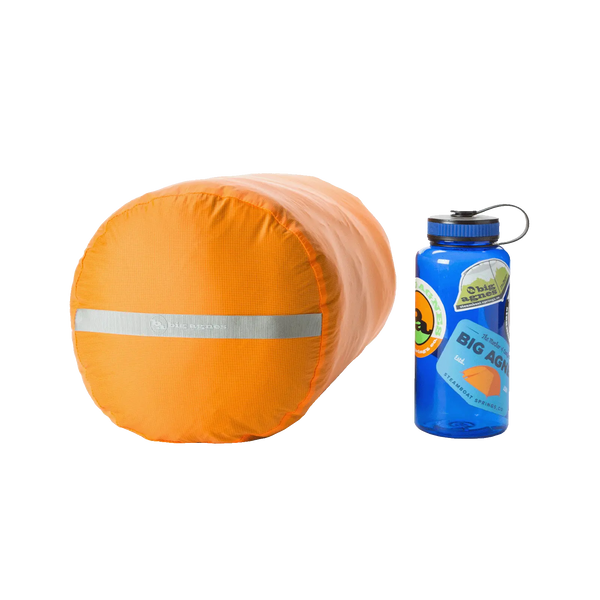
Credit: eu.bigagnes.com
Types Of Stuff Sacks
Stuff sacks hold your sleeping bag for easy packing and carrying. Choosing the right type helps protect your gear and saves space.
There are different stuff sacks designed for various needs. Each type has its own features and benefits.
Standard Stuff Sacks
Standard stuff sacks are simple bags that hold your sleeping bag. They come in many sizes to fit different bags. These sacks are usually made from nylon or polyester.
They protect your sleeping bag from dirt and damage but do not compress it much. Standard sacks work well if you want easy access to your bag.
Compression Sacks
Compression sacks reduce the size of your sleeping bag. They have straps that tighten around the bag to remove air and space. This helps save room in your backpack.
- Made from durable, heavy-duty materials
- Feature adjustable straps for tight compression
- Ideal for backpackers needing small pack size
- Can protect sleeping bags from moisture and dirt
Waterproof And Lightweight Options
Waterproof stuff sacks keep your sleeping bag dry in wet conditions. They are made from materials that block water like nylon with a waterproof coating.
Lightweight options use thin but strong fabrics. They balance protection and low weight for long hikes.
| Type | Material | Key Feature | Best Use |
| Standard | Nylon, Polyester | Simple protection | General camping |
| Compression | Heavy-duty Nylon | Size reduction | Backpacking |
| Waterproof/Lightweight | Coated Nylon, Silnylon | Water resistance and low weight | Wet weather and long hikes |
Measuring Your Sleeping Bag
Choosing the right size stuff sack is important for your sleeping bag. Measuring your sleeping bag ensures you get the best fit.
Use these steps to measure your sleeping bag for the perfect stuff sack. This will help keep your gear organized and protected.
Length And Width Measurements
Measure the length of your sleeping bag from top to bottom. Use a measuring tape for accuracy.
Next, measure the width of your sleeping bag at its widest point. This helps determine the sack’s diameter.
- Lay the sleeping bag flat on the floor
- Use a tape measure for length and width
- Record both measurements
Assessing Packed Size
Check the packed size of your sleeping bag. This tells you how small it can compress.
Compare this size with available stuff sacks. Choose a sack that fits the packed dimensions.
- Compress the sleeping bag fully
- Measure the height and diameter
- Match with a suitable stuff sack
Using Manufacturer Specifications
Look at the manufacturer’s specifications for your sleeping bag. They often provide packed dimensions.
Use these specifications to find a compatible stuff sack. This ensures a snug and secure fit.
- Check the product tag or manual
- Find the packed size details
- Select a stuff sack accordingly
Matching Stuff Sack To Sleeping Bag
Choosing the right size stuff sack is important for your sleeping bag. The sack should fit well to protect the bag and make packing easier.
Using a stuff sack that matches your sleeping bag size helps keep your gear organized and saves space in your backpack.
Allowing Extra Space For Easy Packing
Your stuff sack should have some extra space. This makes it easier to pack and unpack your sleeping bag without stress.
If the sack is too tight, you might damage the sleeping bag or waste time trying to fit it inside.
- Choose a sack slightly larger than the compressed sleeping bag size
- Make sure there is room to squeeze the bag without force
- Extra space helps with quick storage during trips
Avoiding Oversized Sacks
A sack that is too big adds unnecessary weight and bulk to your pack. It also lets the sleeping bag move around too much.
Oversized sacks can cause the sleeping bag to lose shape and make your backpack harder to carry.
- Pick a sack size close to your sleeping bag’s compressed size
- Check the sack’s dimensions before buying
- A snug fit keeps the bag secure and compact
Adjusting For Seasonal Bags
Different sleeping bags change size by season. Winter bags are usually thicker and bulkier than summer bags.
Use a larger stuff sack for thick winter bags and a smaller sack for thin summer bags to save space.
- Measure your sleeping bag after compressing for each season
- Keep separate sacks for winter and summer bags if possible
- Use adjustable or compression sacks for flexibility
Packing Tips For Optimal Fit
Packing your sleeping bag correctly helps save space and protects the bag. A good fit in the stuff sack makes carrying easier. It also keeps the sleeping bag in good shape.
Use the right techniques and tools to pack your sleeping bag. This guide explains rolling and stuffing methods, how to use compression straps, and ways to keep the bag fluffy.
Rolling Vs Stuffing Techniques
Rolling your sleeping bag keeps it neat and easy to pack. Stuffing is faster and can save more space. Each method fits different stuff sack sizes and bag types.
- Rolling:Lay the bag flat and roll tightly from the foot end. This avoids wrinkles and keeps insulation even.
- Stuffing:Push the bag into the sack without folding. It helps keep the bag fluffy and insulated.
- Choose:Use rolling for larger sacks and stuffing for smaller, compressible sacks.
Using Compression Straps Effectively
Compression straps reduce the sleeping bag size for easier packing. Tighten straps evenly to avoid damaging the insulation. Check that straps do not cut into the fabric.
| Compression Strap Tips | Description |
| Even Tightening | Tighten straps evenly around the sack |
| Avoid Over-Tightening | Do not squeeze too hard, protect insulation |
| Strap Placement | Place straps near the middle and ends |
| Check Regularly | Loosen straps if bag feels too compressed |
Maintaining Sleeping Bag Loft
Loft keeps your sleeping bag warm by trapping air. Proper packing helps maintain loft and extend the bag’s life. Avoid crushing the bag for long times.
Tips to keep loft:
- Stuff the bag instead of rolling to keep insulation fluffy.
- Use a larger stuff sack for long-term storage.
- Air out the bag after use to restore loft.
- Store the bag loosely when not camping.
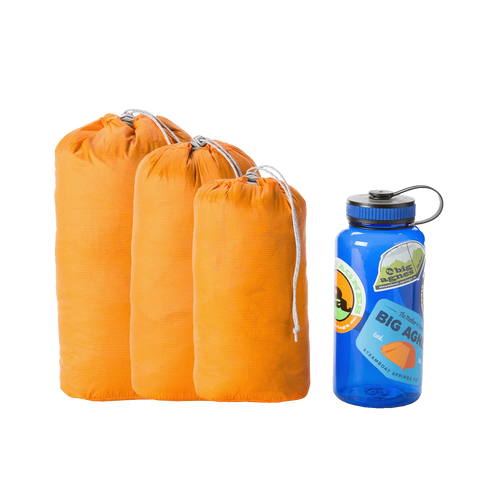
Credit: www.bigagnes.com
Common Mistakes To Avoid
Choosing the right size stuff sack for your sleeping bag is important. Picking the wrong size can cause problems on your trip.
We will look at common mistakes to help you avoid issues with your sleeping bag storage.
Choosing Too Small A Sack
A sack that is too small will not fit your sleeping bag easily. You may struggle to pack it, causing frustration.
Forcing your sleeping bag into a small sack can damage the insulation and reduce its warmth.
- Make sure the sack fits the bag without tight squeezing
- Check the sack size before buying
- Allow extra room for air and easy packing
Ignoring Weight And Bulk
Some people pick sacks without thinking about weight and bulk. Heavy sacks can add extra load on long trips.
Bulky sacks take more space in your backpack, leaving less room for other gear.
- Choose lightweight sacks for easier carrying
- Look for compact sacks that save space
- Balance size with weight for best results
Over-compressing Your Sleeping Bag
Compressing your sleeping bag too much can harm its insulation. This reduces how warm the bag stays.
Long-term over-compression can damage the materials inside, shortening the bag’s life.
- Use a sack size that fits without heavy compression
- Store the bag loosely when not in use
- Follow manufacturer advice on compression limits
Recommended Stuff Sack Sizes By Bag Type
Choosing the right size stuff sack for your sleeping bag makes packing easier. It helps protect your bag and saves space in your backpack.
Stuff sacks come in different sizes. The size depends on the type and size of your sleeping bag.
Ultralight Backpacking Bags
Ultralight backpacking bags are small and compress well. They need a compact stuff sack to keep their size minimal.
Use a stuff sack that fits tightly but does not crush the insulation. A size around 8 to 12 liters is best for most ultralight bags.
- Size range: 8-12 liters
- Choose lightweight materials for the sack
- Look for compression straps to reduce volume
Three-season Sleeping Bags
Three-season sleeping bags are medium sized. They usually need a larger stuff sack than ultralight bags.
A stuff sack between 12 and 18 liters works well. This size allows room for the bag and some extra gear if needed.
- Size range: 12-18 liters
- Durable fabric to handle regular use
- Compression sacks help reduce bulk
Winter And Expedition Bags
Winter and expedition bags are large and bulky. They need a big stuff sack to hold all the insulation.
Choose a stuff sack of 18 liters or more. Heavy-duty material is best to protect the bag in harsh conditions.
- Size range: 18 liters and up
- Strong, water-resistant fabric
- Compression straps to manage size

Credit: www.reddit.com
Frequently Asked Questions
What Size Stuff Sack Fits A Mummy Sleeping Bag?
A medium to large stuff sack usually fits a mummy sleeping bag. Check the sleeping bag’s packed size for best fit. Choose a sack that compresses well for easier packing and carrying.
How To Choose A Stuff Sack Size For Sleeping Bags?
Measure your sleeping bag’s compressed dimensions before choosing a sack. Pick a sack slightly larger to allow easy packing. Consider compressible sacks for saving space during travel.
Can A Small Stuff Sack Hold A Double Sleeping Bag?
Small stuff sacks are generally too tight for double sleeping bags. Opt for a large or extra-large sack to fit the bulkier size. Proper sizing prevents damage and makes packing easier.
Are Compressible Stuff Sacks Better For Sleeping Bags?
Yes, compressible stuff sacks reduce volume by squeezing air out. They save space and make carrying sleeping bags easier. Always choose durable materials for long-lasting use.
Conclusion
Choosing the right size stuff sack keeps your sleeping bag safe and easy to carry. A sack too big wastes space; too small can damage the bag. Check your sleeping bag’s size and type before buying a sack. Compressible sacks save room but need care to avoid damage.
A proper stuff sack helps your gear last longer and travel lighter. Simple steps make packing easier and your trip more comfortable. Keep these tips in mind for your next adventure.