Getting your fishing line set up correctly can make all the difference between a smooth day on the water and a frustrating fight with your gear. If you’ve ever struggled with tangled lines or reels that just don’t cast right, you’re not alone.
But here’s the good news: learning how to install fishing line on your reel is easier than you think. In this guide, you’ll discover simple, step-by-step instructions that will have your reel ready in no time. Keep reading, and soon you’ll be casting with confidence and reeling in your next big catch!

Credit: www.youtube.com
Choosing The Right Line
Choosing the right fishing line is important for a good fishing experience. The line must fit your reel and fishing style.
This guide explains types of fishing lines, how to match line to reel, and how to pick strength and length.
Types Of Fishing Lines
There are three main types of fishing lines. Each has its own use and features.
- Monofilament:Easy to handle and stretchable. Good for beginners.
- Fluorocarbon:Less visible underwater and more resistant to abrasion.
- Braid:Very strong and thin. It has little stretch and good sensitivity.
Matching Line To Reel
Match the line type and size to your reel’s specifications. Using the wrong line can cause problems.
| Reel Type | Recommended Line Type | Line Diameter |
|---|---|---|
| Spinning Reel | Monofilament or Fluorocarbon | 0.20 – 0.35 mm |
| Baitcasting Reel | Braid or Monofilament | 0.15 – 0.30 mm |
| Spincast Reel | Monofilament | 0.20 – 0.40 mm |
Line Strength And Length
Choose the right strength and length for your fishing needs. Strength depends on the fish size and fishing environment.
- Check the pound test rating. Higher numbers mean stronger lines.
- Pick a length that fits your fishing style and reel capacity.
- Replace the line regularly to avoid damage and improve performance.

Credit: windrider.com
Preparing The Reel
Preparing your fishing reel is important before installing new line. It keeps your reel working well and prevents problems.
This guide covers cleaning the spool, removing old line, and inspecting reel parts. Each step helps your reel last longer.
Cleaning The Spool
Clean the spool to remove dirt and salt. This stops damage and helps the line sit smoothly.
- Remove the spool from the reel carefully.
- Wipe the spool with a soft cloth.
- Use mild soap and water for stubborn dirt.
- Dry the spool completely before reinstalling.
Removing Old Line
Take off any old fishing line before adding new line. Old line can tangle and weaken your setup.
- Hold the spool and pull the line gently to unwind it.
- Cut the line if it is stuck or tangled.
- Dispose of the old line properly to avoid litter.
Inspecting Reel Components
Check all parts of the reel to make sure they work well. Fix or replace any damaged parts before installing new line.
| Component | What to Check | Action if Damaged |
| Spool | Look for dents or cracks | Replace spool |
| Bail Arm | Check for smooth movement | Lubricate or repair |
| Drag System | Test for proper tension | Adjust or service |
| Handle | Ensure it turns smoothly | Tighten or replace |
Attaching The Line
Attaching the fishing line to your reel is a crucial step. Proper attachment ensures a smooth fishing experience.
Let’s explore the essential techniques to tie and secure the line effectively.
Tying The Arbor Knot
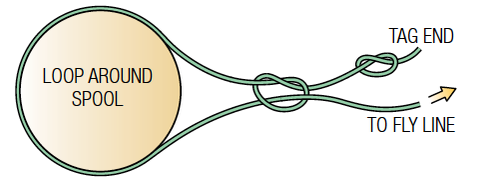
The arbor knot is a reliable way to attach your line to the reel spool. It is simple and secure, making it ideal for beginners.
- Wrap the line around the spool.
- Tie an overhand knot around the standing line.
- Tie a second knot at the tag end.
- Pull the knot tight to secure it.
Securing The Line To Spool
Once the arbor knot is tied, securing the line to the spool is essential. This prevents line slippage during casting and retrieval.
Ensure the line is evenly distributed across the spool. Use your thumb to guide it as you reel.
- Start reeling slowly.
- Keep tension on the line.
- Check for twists or tangles.
| Action | Description |
| Wrap Line | Wrap around spool tightly |
| Tie Knot | Use arbor knot for security |
| Reel Line | Guide evenly with thumb |
Spooling The Line
Spooling the fishing line correctly on your reel is important. It helps your fishing line last longer and work better.
This guide explains how to spool the line with good tension and avoid common problems like twists.
Maintaining Tension
Keep the line tight while spooling. Loose line causes tangles and bird nests on your reel.
You can hold the line between your fingers or use a cloth to add friction. This keeps the line snug and neat.
Filling The Spool Correctly
Fill the spool evenly to the right level. Do not overfill or underfill the spool.
- Leave about 1/8 inch of space from the spool edge
- Spread the line evenly across the spool width
- Check the line level often as you fill
Proper filling helps the line come off smoothly when casting.
Avoiding Line Twist
Line twist weakens the line and causes knots. Avoid twisting while spooling.
- Make sure the line spool spins the same way as your reel spool
- Use swivel attachments to reduce twist from lures
- Do not let the line hang loose or tangle during spooling
Finishing Touches
After you spool your fishing line onto the reel, it is important to complete a few final steps. These steps ensure your setup works well on the water.
Focus on trimming the line, threading it properly, and checking the reel’s operation. Doing this right helps avoid problems while fishing.
Cutting Excess Line
Cut off the extra fishing line from the reel spool using sharp scissors or a line cutter. Leave about a half-inch of line beyond the knot to prevent slipping.
- Use scissors designed for fishing line or a sharp blade.
- Cut the line cleanly to avoid frayed ends.
- Keep a little extra line past the knot for safety.
Threading The Line Through Guides
Pass the fishing line through each guide on the rod, starting near the reel and moving toward the tip.
| Guide Position | Action |
| Closest to reel | Thread line carefully through the opening |
| Middle guides | Pass line smoothly without twisting |
| Tip guide | Ensure line sits centered and straight |
Checking For Smooth Operation
Turn the reel handle slowly to see if the line moves freely. Check for snags or rough spots.
- Turn the handle to let the line spool out smoothly.
- Reel the line back in, watching for resistance.
- Adjust the drag if the line pulls too easily or too hard.
- Make sure the bail arm flips correctly and locks in place.
Common Mistakes To Avoid
Installing fishing line on a reel seems simple but can be tricky. Avoiding common mistakes helps your fishing line last longer.
These errors can cause line damage or poor casting. Learn what to watch out for to keep your setup smooth.
Overfilling The Spool
Putting too much line on the spool causes tangles and knots. The line can also slip off during casting.
Leave some space at the top of the spool. This space helps the line move freely without binding.
- Fill the spool to about 1/8 inch below the rim
- Check for tight, even layers of line
- Avoid packing the line too tightly
Using Wrong Line Type
Different reels need different types of fishing lines. Using the wrong type can cause poor performance or damage.
Match your line type with your reel and fishing style. For example, spinning reels usually use monofilament or braided lines.
- Check the reel’s specifications for line type
- Use braided line for strength and sensitivity
- Use monofilament for easy handling and stretch
Improper Knot Tying
A weak knot can cause the line to slip or break. Proper knot tying keeps the line secure on the spool.
Use knots that are strong and easy to tie. Wet the line before tightening knots to avoid damage.
- Try the Arbor knot for attaching line to the spool
- Make sure knots are tight and neat
- Trim excess line close to the knot
Credit: monsterbass.com
Frequently Asked Questions
How Do I Tie Fishing Line To A Reel Spool?
Start by threading the line through the reel’s line guide. Tie an arbor knot around the spool’s center. Pull tight to secure the line firmly. This prevents slippage and ensures smooth casting and retrieval.
What Type Of Fishing Line Works Best For Reels?
Monofilament, fluorocarbon, and braided lines suit most reels. Choose based on fishing style and target species. Monofilament is versatile, fluorocarbon offers low visibility, and braided lines provide strength and sensitivity.
How Much Fishing Line Should I Put On My Reel?
Fill the spool about 1/8 inch below the rim. This prevents overfilling, which can cause tangles or backlash. Check your reel’s manual for specific line capacity recommendations.
How Do I Prevent Fishing Line Tangles On The Reel?
Spool the line under moderate tension to avoid loose wraps. Ensure even layering on the spool. Using a line conditioner can also reduce memory and tangling.
Conclusion
Installing fishing line on your reel is simple with the right steps. Start by securing the line tightly to avoid slipping. Wind the line evenly to prevent tangles and improve casting. Check the line tension often to keep it firm.
Clean your reel regularly to help the line last longer. Practice these tips to enjoy smoother fishing trips. With patience, you will get better each time. Fishing becomes more fun when your gear works well. Try it today and see the difference yourself.