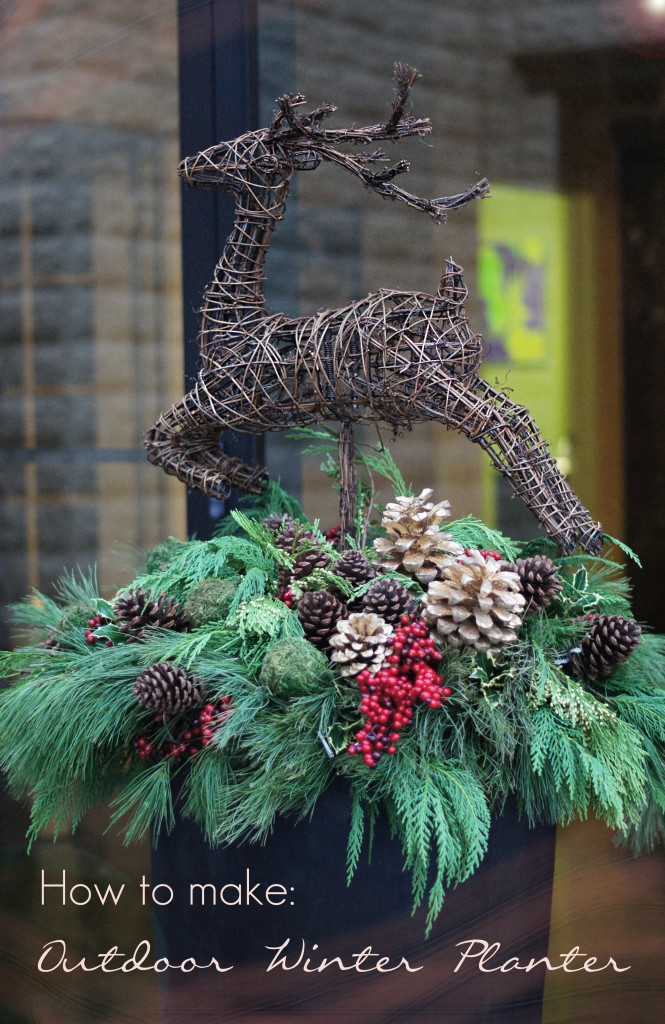
Winter can make your garden look dull and lifeless, but it doesn’t have to be that way. You might be wondering what to put in planters in winter to keep your outdoor space bright and inviting.
The right plants can bring color, texture, and life even during the coldest months. You’ll discover easy and stunning options that will transform your planters into winter wonders. Ready to make your garden the envy of the neighborhood all year round?
Keep reading to find out how.
Choosing Cold-resistant Plants
Winter planters can brighten cold months if you pick the right plants. Cold-resistant plants survive frost and keep your containers lively.
Knowing which plants stay green or bloom in winter helps you create beautiful and lasting displays outdoors.
Evergreens For Year-round Green
Evergreens keep their leaves through winter, adding color and texture. They are great for structure and background in planters.
- Boxwood: Small, dense leaves perfect for shaping.
- Juniper: Needle-like foliage with blue or green hues.
- Holly: Glossy leaves with bright red berries.
- Spruce: Cone-shaped with soft needles.
Hardy Perennials That Withstand Frost
Some perennials can survive frost and return each year. They add flowers and interesting leaves during cold months.
- Hellebores: Also called Christmas roses, bloom in winter.
- Heuchera: Offers colorful foliage all year.
- Sedum: Thick leaves and star-shaped flowers.
- Ornamental grasses: Add movement and texture.
Winter-flowering Bulbs
Bulbs can bloom in winter if planted in containers. They bring bright colors and fragrance during cold days.
| Bulb | Flower Color | Bloom Time |
| Crocus | Purple, white, yellow | Late winter |
| Snowdrop | White | Early winter |
| Winter Aconite | Yellow | Late winter |
| Scilla | Blue | Early winter |
Foliage Plants With Winter Interest
Some plants show bright or unique leaves in winter. These add color and shape even without flowers.
- Heathers: Pink or white flowers with evergreen leaves.
- Mahonia: Spiky leaves with yellow flowers and berries.
- Wintergreen Boxwood: Small, shiny leaves that stay green.
- Dusty Miller: Silver leaves that brighten dark winter days.

Credit: www.hgtv.com
Best Planter Materials For Winter
Choosing the right planter material is important for winter gardening. Some pots handle cold weather better than others. This helps protect your plants and keeps soil healthy.
In this guide, learn about durable pots, insulating options, and drainage tips. These points will help your winter planters last through the cold months.
Durable Pots That Resist Freezing
Not all pots survive freezing temperatures well. Some materials crack or break when wet soil freezes inside them. Choose pots made from these materials for better winter durability.
- Fiberglass: Lightweight and strong, resists cracking.
- Plastic: Affordable and does not absorb water.
- Metal: Can be durable but may get very cold; choose rust-proof types.
- Ceramic with glaze: Holds up well if fully glazed to prevent water absorption.
Insulating Planter Options
Insulation helps keep plant roots warm. Some planters have built-in insulation or you can add it yourself. This reduces the chance of root damage from freezing.
| Insulating Material | Description | How It Helps |
| Double-Walled Plastic | Two layers of plastic with air space | Traps air to slow heat loss |
| Styrofoam Inserts | Foam sheets placed inside pot walls | Blocks cold from reaching roots |
| Wooden Planters | Natural wood with thick sides | Provides natural insulation |
Drainage Considerations
Good drainage prevents water from freezing inside the pot. Water trapped in soil can expand and break pots. Make sure your planter has enough drainage holes.
- Use pots with multiple drainage holes.
- Elevate pots slightly to allow water to flow out.
- Add a layer of gravel or small stones at the bottom.
- Avoid saucers that hold water under the pot.
Design Tips For Winter Planters
Winter planters can brighten up your outdoor space. They add color and texture even in the coldest months.
Choosing the right plants and decorations can create a stunning display. Here are some design tips to help you.
Combining Textures And Colors
Mixing different textures and colors can make your planters stand out. Use a variety of plants to achieve this effect.
- Combine evergreen shrubs with colorful berries
- Use plants with different leaf shapes
- Incorporate grasses for added texture
Layering Plants For Depth
Layering plants can add depth to your planters. Use taller plants in the back and shorter ones in the front.
| Plant Height | Example Plants |
| Tall | Redtwig Dogwood, Holly |
| Medium | Ornamental Kale, Heuchera |
| Short | Pansies, Ivy |
Using Decorative Elements
Decorative elements can enhance the appeal of your planters. They can add a festive touch during the winter season.
Consider adding these elements:
- Pinecones for a natural look
- Fairy lights for evening sparkle
- Ribbons in seasonal colors

Credit: www.playwithstyleblog.com
Care And Maintenance In Cold Weather
Winter brings challenges for plants in planters. Cold weather affects how you care for them.
Proper care helps plants survive and stay healthy during freezing temperatures.
Watering Strategies In Winter
Plants need less water in cold weather. Overwatering can harm roots and cause rot.
- Check soil moisture before watering.
- Water only when the top inch of soil is dry.
- Water in the morning to avoid ice forming overnight.
- Use lukewarm water to protect roots from cold shock.
- Ensure planters have drainage holes to prevent waterlogging.
Protecting Plants From Frost
Frost can damage or kill plants. Protecting them keeps them safe and growing.
- Move planters to a sheltered spot like near walls or indoors.
- Cover plants with frost cloths or old blankets at night.
- Use mulch around the base to keep roots warm.
- Avoid pruning in late fall to keep plants stronger.
- Group planters together to share warmth.
Feeding And Soil Care
Plants need nutrients even in winter. Feeding and good soil keep them healthy.
| Care Task | Details |
|---|---|
| Feeding | Use slow-release fertilizer to avoid overfeeding. |
| Soil | Check soil drainage and add compost if needed. |
| Repotting | Avoid repotting in freezing weather to prevent stress. |
| Soil Cover | Use mulch or bark to protect soil from cold. |
Popular Cold-hardy Plants To Try
Winter planters can still be full of color and life. Choosing plants that survive cold weather keeps your garden bright.
Here are some popular plants that stay healthy in winter and look great in planters.
Heathers And Heaths
Heathers and heaths are small shrubs that add texture and color. They bloom in cool months and stay green all winter.
Pansies And Violas
Pansies and violas bring bright colors like purple, yellow, and blue. They tolerate frost and can bloom even in cold weather.
- Plant pansies in sunny spots
- Water moderately but avoid soggy soil
- Deadhead to encourage new blooms
- Use violas for ground cover or edging
Ornamental Cabbage And Kale
Ornamental cabbage and kale show off colorful leaves in shades of purple, white, and green. They grow well in cold and frost.
| Plant | Leaf Color | Winter Hardiness |
| Ornamental Cabbage | Green, Purple, White | Very Cold Hardy |
| Ornamental Kale | Dark Green, Pink, Purple | Cold Hardy |
Hellebores And Snowdrops
Hellebores and snowdrops flower in late winter or early spring. Hellebores have large blooms, while snowdrops are delicate and white.
Tips for planting:
- Choose shady or partly shady spots
- Use well-drained soil
- Water regularly but avoid waterlogging

Credit: thisdearcasa.com
Frequently Asked Questions
What Are The Best Plants For Winter Planters?
Evergreens, ornamental cabbages, pansies, and winterberry are ideal. They tolerate cold and add color and texture to winter planters.
How Do I Protect Winter Planter Plants From Frost?
Use mulch to insulate roots and cover plants with frost cloths or burlap at night. Avoid overwatering to prevent freeze damage.
Can I Use Succulents In Winter Planters?
Yes, but choose hardy succulents like sempervivum. Ensure good drainage and avoid waterlogging to prevent rot in cold weather.
How Often Should I Water Winter Planter Plants?
Water sparingly, only when the soil feels dry. Overwatering can cause root rot, especially in cold conditions with slower evaporation.
Conclusion
Winter planters can brighten cold, dull days. Choose plants that stay green and survive frost. Evergreens, ornamental cabbages, and winter pansies work well. Add texture with twigs or pinecones. Keep soil moist but not soaked. Change plants as seasons shift for fresh looks.
Enjoy your garden’s charm even in winter months. Simple care keeps planters healthy and pretty. Try these tips and see your winter garden thrive.