Are you ready to transform your raised garden bed into a vibrant, thriving oasis? Choosing the right plants can make all the difference between a garden that flourishes and one that struggles.
Whether you want fresh veggies, colorful flowers, or fragrant herbs, knowing what to plant will help you get the most out of your space. In this guide, you’ll discover easy-to-grow options that suit raised beds perfectly. Keep reading to unlock simple tips that will turn your garden dreams into reality.
Credit: www.gardenary.com
Choosing The Right Plants
Picking the right plants for your raised garden bed is important. The right plants will grow well and give you a good harvest.
Think about your local conditions and garden setup. This helps you choose plants that thrive in your space.
Consider Climate And Season
Plants grow best in climates they like. Know your area’s weather and seasons before planting.
Choose plants that match your local temperature and rainfall. Some plants need cool weather, others need warmth.
- Cool-season plants: lettuce, spinach, peas
- Warm-season plants: tomatoes, peppers, beans
- Check frost dates to avoid plant damage
Assess Sunlight Exposure
Raised beds may get different sunlight amounts. Observe how much sun your bed receives each day.
Full sun plants need at least six hours of direct sunlight. Some plants grow well in partial or full shade.
- Full sun: tomatoes, cucumbers, peppers
- Partial shade: lettuce, kale, carrots
- Shade: spinach, herbs like mint and parsley
Match Plants To Soil Type
Soil type affects how well plants grow. Test your raised bed soil to see if it is sandy, clay, or loamy.
Choose plants that like your soil type. Improve soil by adding compost or sand if needed.
| Soil Type | Plant Examples |
|---|---|
| Sandy | Carrots, potatoes, lavender |
| Clay | Broccoli, cabbage, beans |
| Loamy | Tomatoes, peppers, lettuce |

Credit: www.vegogarden.com
Easy Vegetables For Raised Beds
Raised garden beds offer great soil and drainage for growing vegetables. They make gardening easier and keep plants healthy.
Choosing the right vegetables helps you get good results quickly. Some vegetables grow better in raised beds than others.
Leafy Greens
Leafy greens grow fast and need little space. They like cooler weather and moist soil, which raised beds provide well.
These vegetables are perfect for beginners and can be harvested multiple times in one season.
- Lettuce
- Spinach
- Kale
- Swiss chard
- Arugula
Root Vegetables
Raised beds have loose soil, which helps root vegetables grow straight and strong. They need good drainage and space to expand.
Root vegetables are easy to grow and store well after harvest.
- Carrots
- Radishes
- Beets
- Turnips
- Onions
Tomatoes And Peppers
Tomatoes and peppers love warm soil and good drainage. Raised beds warm up faster in spring, helping these plants grow strong.
Use stakes or cages to support plants as they grow tall and produce fruit.
- Cherry tomatoes
- Beefsteak tomatoes
- Bell peppers
- Jalapeño peppers
Best Herbs To Grow
Raised garden beds are perfect for growing a variety of herbs. They offer good drainage and easy access for care. Let’s explore some of the best herbs to plant in your raised garden bed.
Basil And Parsley
Basil and parsley are two popular herbs that thrive in raised beds. Basil prefers sunny spots and well-drained soil. Parsley can tolerate partial shade and is easy to care for.
- Basil needs frequent watering, especially in hot weather.
- Parsley can be harvested by cutting the outer leaves first.
Thyme And Oregano
Thyme and oregano are hardy herbs that enjoy the sun. They have a low water requirement and can withstand drought conditions. Both herbs add flavor to many dishes.
| Herb | Sunlight | Water |
| Thyme | Full Sun | Low |
| Oregano | Full Sun | Low |
Mint And Cilantro
Mint and cilantro are aromatic herbs that grow quickly. Mint spreads fast, so consider using containers. Cilantro prefers cool weather and can bolt in high heat.

Credit: www.vegega.com
Fruits Suited For Raised Beds
Raised garden beds are great for growing fruit. They give good drainage and warm soil.
Many fruits do well in raised beds, especially smaller plants and trees. This lets you grow fresh fruit at home.
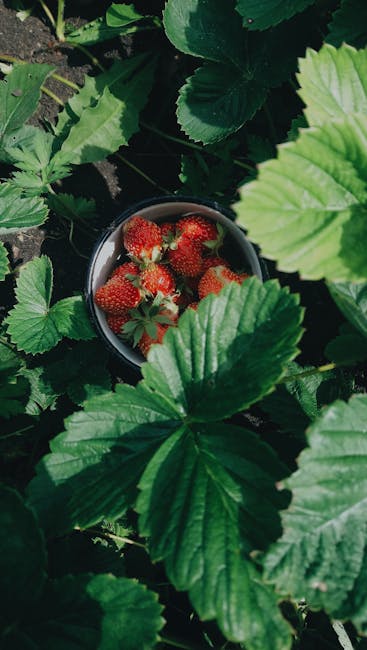
Strawberries
Strawberries grow well in raised beds. They like loose, well-drained soil and lots of sun.
Raised beds help keep the berries off the ground. This reduces rot and pests.
- Plant strawberries in early spring or fall
- Use good quality soil with compost
- Water regularly but do not overwater
- Pick berries when they are fully red
Dwarf Fruit Trees
Dwarf fruit trees are perfect for raised beds. They stay small and produce fruit well.
Types like dwarf apple, peach, and cherry trees work well. Raised beds give roots room to grow.
- Choose dwarf or semi-dwarf varieties
- Plant in deep raised beds for root space
- Prune regularly to keep size manageable
- Fertilize in spring for healthy growth
Raspberries And Blueberries
Raspberries and blueberries grow well in raised beds. They need acidic soil and good drainage.
Raised beds make it easier to control soil conditions. Both berries benefit from mulch and regular watering.
- Use acidic soil with pH 4.5 to 5.5 for blueberries
- Plant raspberries in well-drained, fertile soil
- Space plants to allow good air flow
- Protect from birds with netting if needed
Companion Planting Tips
Companion planting helps plants grow stronger and healthier. Planting the right plants together improves your garden’s success.
This guide shares tips on how to use companion planting in raised garden beds. Learn to boost growth, control pests, and save space.
Boost Growth And Flavor
Some plants help others grow better by improving soil or attracting pollinators. This can increase flavor and yield in your raised bed.
- Basil near tomatoes enhances tomato flavor and growth.
- Carrots and onions planted together improve each other’s taste.
- Beans add nitrogen to the soil for leafy greens.
- Marigolds attract bees that help flowers and fruits develop.
Pest Control Benefits
Certain plants keep pests away from each other. This natural pest control reduces the need for chemicals.
| Plant | Protects Against |
| Marigold | Nemotodes, aphids |
| Garlic | Spider mites, aphids |
| Chives | Japanese beetles, carrot flies |
| Mint | Aphids, ants |
Space Optimization
Use companion planting to make the most of your garden space. Some plants grow well together without crowding.
- Plant tall crops like corn with climbing beans to use vertical space.
- Leafy greens grow well under taller plants for shade.
- Root vegetables and herbs can share the same soil layer.
- Mix slow growers with fast growers to harvest at different times.
Planting And Maintenance Tips
Raised garden beds offer great control over soil and plant health. Good planting and care lead to better growth and harvests.
Understanding how to prepare soil, water plants, and use fertilizers helps your garden thrive. These tips guide you through key steps.
Soil Preparation
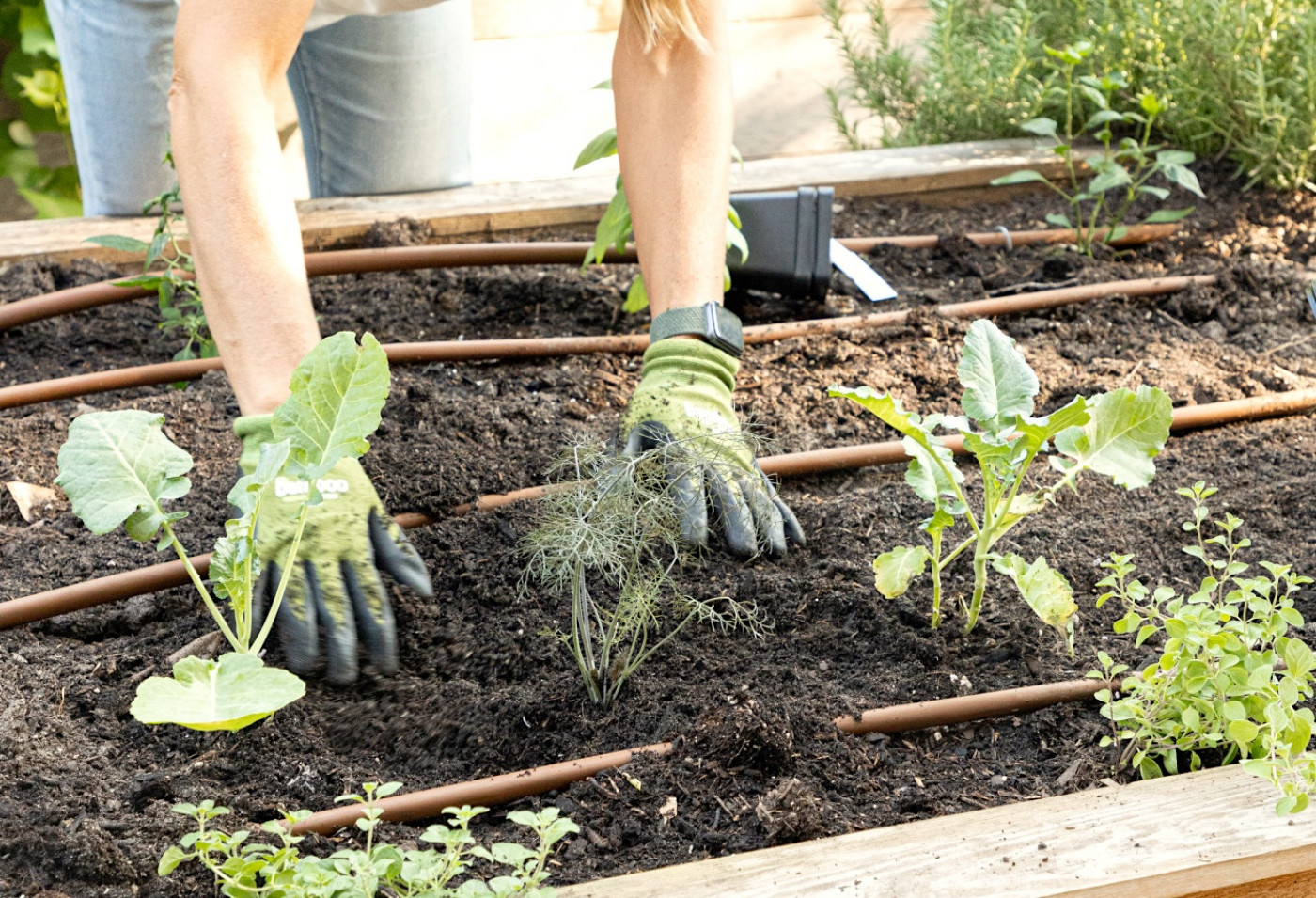
Start with loose, well-drained soil for raised beds. Mix organic matter to improve texture and nutrients.
- Remove weeds and debris before planting.
- Mix compost or aged manure into the soil.
- Ensure soil pH is between 6.0 and 7.0 for most plants.
- Break up large clumps to allow root growth.
- Test soil nutrients and add amendments as needed.
Watering Techniques
Water plants deeply and less often to encourage strong roots. Avoid overwatering to prevent disease.
| Watering Time | Reason |
| Early morning | Reduces evaporation and fungal problems |
| Late afternoon | Allows water to soak before cooler night |
| Avoid midday | Water evaporates quickly in heat |
Fertilizing And Mulching
Feed plants regularly with balanced fertilizer. Mulch keeps moisture and blocks weeds.
- Use slow-release fertilizer to avoid burning roots.
- Apply fertilizer at planting and mid-season.
- Follow package instructions for amounts.
- Use straw, bark, or grass clippings.
- Apply 2-3 inches thick around plants.
- Keep mulch a few inches from plant stems.
Frequently Asked Questions
What Vegetables Grow Best In Raised Garden Beds?
Leafy greens like spinach, kale, and lettuce thrive well. Root vegetables such as carrots and radishes also grow efficiently. Tomatoes and peppers benefit from the improved soil drainage in raised beds.
Can I Plant Herbs In A Raised Garden Bed?
Yes, herbs like basil, thyme, parsley, and rosemary grow excellently in raised beds. These beds provide good drainage and soil quality, essential for healthy herbs.
How Do I Prepare Soil For Raised Garden Beds?
Use a mix of compost, peat moss, and vermiculite for optimal soil. This blend ensures good drainage, nutrients, and moisture retention for plant growth.
Are Raised Garden Beds Suitable For Growing Fruits?
Yes, strawberries and bush fruits grow well in raised beds. The controlled environment helps prevent soil-borne diseases and improves fruit quality.
Conclusion
Raised garden beds offer a great way to grow many plants easily. Choose vegetables, herbs, or flowers that suit your space and climate. Good soil and sunlight help plants grow strong and healthy. Keep watering and caring for your garden regularly.
Enjoy fresh, homegrown produce right from your own bed. Gardening can be fun and rewarding for everyone. Try planting different seeds and see what grows best. Start small, watch your garden thrive, and learn as you go. Happy planting!