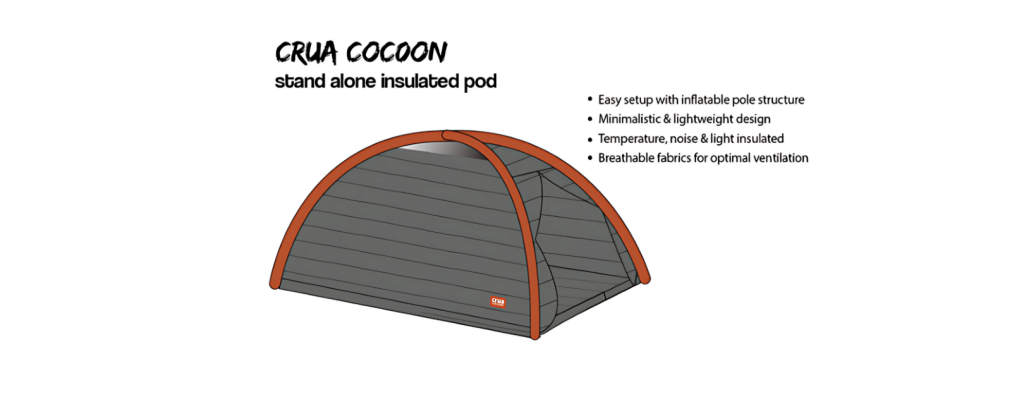
When you’re camping or spending time outdoors, staying warm and comfortable is a top priority. But have you ever stopped to wonder, does the tent you choose really affect insulation?
You might think insulation depends only on your sleeping bag or clothes, but your tent plays a crucial role too. Understanding how your tent impacts warmth can change the way you prepare for your next adventure. Keep reading to discover why your tent matters more than you think—and how choosing the right one can keep you cozy through cold nights.

Credit: us.alpkit.com
Role Of Tents In Insulation
Tents help keep people warm by trapping heat inside. They create a barrier against cold air and wind. This makes camping in cold weather more comfortable.
The materials and design of a tent affect how well it insulates. Good tents reduce heat loss and block cold air from entering. This helps campers stay warm and safe.
How Tents Trap Heat
Tents trap heat by creating a small space that holds warm air. When you breathe and move inside, your body heat warms the air around you.
The tent fabric stops warm air from escaping quickly. It also blocks cold wind from coming in. This keeps the inside temperature higher than outside.
Materials That Enhance Warmth
Tents use special materials to keep heat inside. Thicker fabrics trap more heat than thin ones. Some fabrics also block wind and moisture well.
- Polyester: lightweight and water-resistant
- Nylon: strong and windproof
- Canvas: heavy but very warm and durable
- Reflective coatings: bounce heat back inside
Design Features For Cold Weather
Tents for cold weather have smart designs to keep heat inside. Smaller tents lose less heat because they have less space to warm.
Other features like double walls and sealed seams block drafts. Ventilation options help control moisture without letting in cold air.
- Double-wall tents for better insulation
- Sealed seams to stop cold air leaks
- Low profile shapes to reduce wind impact
- Vestibules to create buffer zones
Types Of Tents For Cold Weather
Tents help keep you warm and safe in cold weather. Choosing the right tent affects how well you stay insulated. Different tents suit different weather conditions.
Understanding tent types helps you pick one that matches your needs. This guide covers four-season, three-season, and ultralight tents for cold weather.
Four-season Tents
Four-season tents are built for harsh winter conditions. They use strong materials and have fewer mesh panels to keep warmth inside. These tents resist snow and strong winds well.
- Heavy-duty fabric to block cold wind
- Steep walls to prevent snow buildup
- Minimal mesh for better insulation
- Strong poles for stability
- Usually heavier than other tents
Three-season Tents
Three-season tents work best in spring, summer, and fall. They have good ventilation but less insulation. Using them in cold weather means extra sleeping gear is needed.
| Feature | Benefit |
| Lots of mesh panels | Better airflow, less condensation |
| Lighter weight | Easy to carry on hikes |
| Less fabric coverage | Lower insulation against cold |
| Less sturdy poles | Not ideal for heavy snow |
Ultralight Tents And Insulation
Ultralight tents focus on saving weight for backpackers. They use thin materials and minimal design. Insulation depends on additional gear like sleeping bags and pads.
Tips for staying warm in ultralight tents:
- Use high-quality sleeping bags
- Bring insulated sleeping pads
- Wear warm clothing inside the tent
- Set up in sheltered areas
- Use a tent footprint for extra ground insulation
Factors Influencing Tent Warmth
Choosing the right tent is crucial for staying warm during camping. Different factors affect how well a tent retains heat.
Understanding these factors can help you select a tent that keeps you comfortable in cooler temperatures.
Tent Shape And Structure
The shape and structure of a tent impact how warm it stays. Dome-shaped tents are better at holding heat.
- Dome tents have fewer flat surfaces, reducing heat loss.
- Pyramid tents are also effective due to their steep walls.
- Cabin tents with vertical walls might lose more heat.
Fabric Thickness And Layers
Thicker fabrics provide better insulation. Multi-layered tents trap more heat.
| Fabric Type | Insulation Level |
| Single-layer | Low |
| Double-layer | Medium |
| Insulated-layer | High |
Ventilation Vs Heat Retention
Ventilation is necessary to prevent condensation, but it can affect warmth. Balancing these two is key.
Additional Insulation Techniques
Tents provide some insulation, but adding extra layers helps keep you warmer. Using different methods can improve comfort in cold weather.
Below are some useful techniques to add insulation and block wind chill during camping trips.
Using Ground Pads And Rugs
Placing ground pads or rugs under your sleeping area reduces heat loss through the floor. These materials create a barrier between you and the cold ground.
- Closed-cell foam pads offer good insulation and durability.
- Wool or thick rugs add warmth and comfort.
- Layering pads increases insulation effectiveness.
Adding Reflective Liners
Reflective liners inside your tent bounce body heat back to you. They help trap warmth and reduce heat loss through the tent walls.
| Type of Reflective Liner | Benefits |
| Mylar blankets | Lightweight and inexpensive |
| Reflective fabric sheets | Reusable and durable |
| Foil insulated liners | Good heat retention |
Campfire Placement And Wind Barriers
Positioning your campfire and using wind barriers help reduce heat loss from wind. Proper placement can make your campsite warmer and more comfortable.
Tips for campfire and wind barriers:
- Set up campfire on the side that faces the wind to block gusts.
- Use natural windbreaks like trees or rocks.
- Build a simple wind barrier with logs or tarps around your tent.
- Keep the fire small and controlled for safety.
Common Mistakes Affecting Warmth
Choosing the right tent is important for keeping warm. Many campers make simple mistakes that reduce insulation. These errors can make a tent cold even if it is made for cold weather.
This guide explains common mistakes that affect how warm your tent feels. Fixing these can help you stay cozy on your trip.
Ignoring Tent Setup Location
Where you set up your tent can change how warm it stays inside. Setting up in a windy spot lets cold air blow through. Low ground can collect cold air and moisture.
Look for a place that blocks wind and is a little higher than the surroundings. Avoid wet or damp areas to keep dry and warm.
Over-ventilating The Tent
Tents need some ventilation to stop moisture buildup. But opening too many vents lets warm air escape. This makes the tent colder inside.
Keep vents open just enough to reduce condensation. Close extra openings to hold heat inside during cold nights.
Choosing The Wrong Tent Size
A tent that is too big can be hard to keep warm. Extra space means more air to heat. A very small tent may feel cramped and uncomfortable.
Pick a tent size that fits the number of people and gear. This helps keep body heat inside without feeling tight.
Credit: www.battlbox.com
Tips To Maximize Tent Insulation
Tents help keep you warm by blocking wind and cold. Good insulation means staying comfortable outdoors.
Using the right tips can improve your tent’s insulation. This helps you save heat and stay cozy.
Optimizing Tent Pitch
Set your tent tight and low to reduce air gaps. A well-pitched tent stops cold air from entering.
Choose a sheltered spot to pitch your tent. Avoid places with strong winds or open spaces.
- Use stakes and guylines to keep the tent firm
- Face the narrow side toward the wind
- Keep the tent close to the ground
- Remove wrinkles to avoid cold pockets
Layering Inside The Tent
Adding layers inside your tent helps trap warm air. Use sleeping pads and blankets for extra insulation.
Try to keep warm air close to your body by layering clothes and bedding. This reduces heat loss.
- Put a foam pad under your sleeping bag
- Use a reflective blanket to bounce heat
- Wear warm clothes inside the tent
- Keep gear organized to avoid drafts
Maintaining Dry Conditions
Wet tents lose heat quickly. Keep your tent dry by managing moisture and rain well.
Vent your tent to reduce condensation. Dry gear before bringing it inside to keep warm air inside.
- Use a rainfly to block rain and snow
- Vent the tent to let moisture escape
- Store wet clothes outside or in a vestibule
- Check for leaks and fix them quickly

Credit: klymit.com
Frequently Asked Questions
Does Tent Material Affect Insulation Quality?
Yes, tent material significantly affects insulation. Thicker, denser fabrics retain heat better. Materials like canvas offer superior warmth compared to nylon or polyester. Proper material choice enhances comfort in cold conditions and reduces heat loss effectively.
How Does Tent Design Influence Insulation?
Tent design impacts insulation by minimizing heat loss. Features like double walls and sealed seams trap warmth inside. Ventilation options help control condensation without sacrificing heat retention. A well-designed tent balances airflow and insulation for optimal comfort.
Can Tent Insulation Improve Camping Warmth?
Adding insulation layers inside a tent boosts warmth. Insulated sleeping pads, liners, or thermal blankets reduce heat loss. Insulation slows cold air penetration and maintains internal temperature. This is especially useful in cold weather camping scenarios.
Is Tent Insulation Necessary For All Climates?
Tent insulation is crucial in cold or windy climates. In mild or warm weather, insulation is less critical. However, insulation can improve comfort and protect against temperature fluctuations anytime. Assess your camping environment before deciding on insulation needs.
Conclusion
Choosing the right tent helps keep you warm and comfortable. Different tents offer various levels of insulation. A tent with good materials blocks wind and cold better. Ventilation also matters to avoid moisture inside. Remember, your tent is your shelter from the weather.
It affects how well you rest at night. So, pick a tent that suits your climate and needs. Small details can make a big difference in warmth. Your comfort outdoors depends on this simple choice.