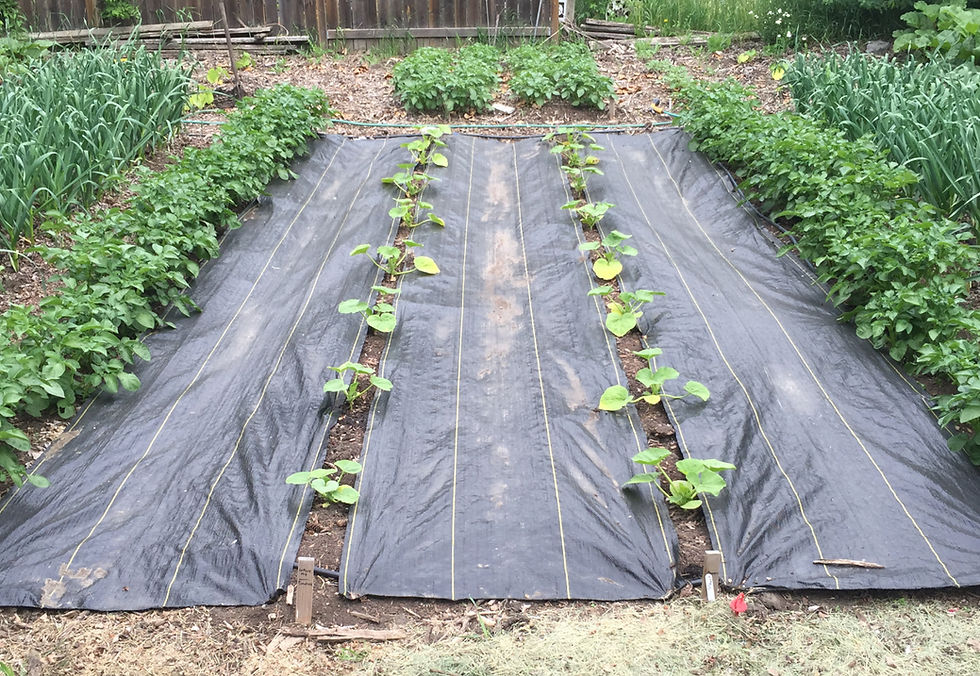
Are you tired of battling weeds that steal nutrients and water from your vegetable garden? Using landscape fabric might be the simple solution you’ve been searching for.
Imagine spending less time weeding and more time enjoying a healthy, thriving garden. You’ll discover exactly how to use landscape fabric to protect your vegetables, improve soil health, and make your gardening routine easier. Keep reading to unlock the secrets that will transform your garden into a productive and low-maintenance space.
Credit: www.gardeningknowhow.com
Benefits Of Landscape Fabric
Landscape fabric is a useful tool in vegetable gardens. It helps plants grow stronger and keeps the garden neat.
Using landscape fabric saves time and work by reducing garden problems.
Weed Control
Landscape fabric blocks sunlight from reaching weed seeds. Without light, weeds cannot grow well.
It stops weeds from spreading and crowding your vegetables. This keeps your garden healthy.
- Reduces the need to pull weeds by hand
- Prevents weed seeds from sprouting
- Keeps garden beds clean and tidy
Soil Moisture Retention
Landscape fabric helps keep water in the soil. It slows down evaporation on hot days.
This means your plants get water longer after watering or rain. It helps plants grow better.
- Reduces how often you need to water
- Keeps soil evenly moist for roots
- Helps plants stay healthy in dry weather
Soil Erosion Prevention
Landscape fabric holds soil in place during rain or wind. This stops soil from washing away.
It protects the garden’s topsoil, which has important nutrients for plants. This keeps your soil strong.
- Prevents soil loss from heavy rain
- Keeps garden beds stable and firm
- Helps maintain healthy soil structure
Choosing The Right Fabric
Using landscape fabric in your vegetable garden helps control weeds and conserve soil moisture. Picking the right fabric is important for your garden’s health and productivity.
This guide explains three key factors to consider: material types, weave density, and durability with UV resistance.
Material Types
Landscape fabrics come in different materials. The most common types are polypropylene and polyester. Polypropylene is lightweight and affordable. Polyester is stronger and lasts longer.
- Polypropylene:Good for short-term use and light weed control.
- Polyester:Better for long-term use and tougher conditions.
- Natural fibers:Biodegradable but less durable, ideal for organic gardens.
Weave Density
The weave density affects how well the fabric blocks light and water. A tight weave stops most weeds but may reduce water flow. A looser weave lets water and air pass easily but blocks fewer weeds.
| Weave Density | Light Blocking | Water Permeability | Best Use |
|---|---|---|---|
| High Density | Excellent | Low | Heavy weed areas, less watering |
| Medium Density | Good | Medium | Most vegetable gardens |
| Low Density | Fair | High | Sandy soil, frequent watering |
Durability And Uv Resistance
Durability depends on fabric strength and UV resistance. UV rays break down fabric over time. Choose fabrics with UV inhibitors for longer life. Strong fabrics last through multiple seasons.
Tips for durability:
- Check product labels for UV resistance info.
- Choose thicker fabrics for heavy foot traffic areas.
- Replace fabric every 3 to 5 years or as needed.
Preparing The Garden Bed
Using landscape fabric in your vegetable garden helps control weeds. It also keeps the soil moist. Proper preparation of the garden bed is crucial for success.
Follow these steps to get your garden bed ready. Ensure the area is clear, the soil is healthy, and the ground is level.
Clearing Weeds And Debris
Remove all weeds and debris from the garden area. This prevents unwanted plants from growing under the fabric.
Use a rake or hoe to gather leaves, sticks, and old plants. Make sure the area is clean and tidy.
- Pull out weeds by the roots
- Dispose of all plant debris
- Check for any hidden pests
Soil Testing And Amendment
Test the soil to know its nutrient levels. This helps you decide what amendments are needed for your vegetables.
Amend the soil with compost or fertilizers. This ensures a healthy base for your plants to grow.
| Amendment Type | Purpose |
| Compost | Improves soil structure |
| Lime | Raises pH level |
| Bone meal | Boosts phosphorus |
Leveling The Surface
Level the garden bed surface to ensure even coverage of the landscape fabric. This step helps with water drainage and plant growth.
Use a rake to smooth out the soil. Make sure there are no bumps or dips in the area.
- Rake the soil until flat
- Check for level using a board
- Adjust as needed for evenness

Credit: www.heirloomsoul.com
Installing Landscape Fabric
Landscape fabric helps keep weeds out of your vegetable garden. It also lets water and air reach the soil.
Installing landscape fabric is simple if you follow the right steps. It needs careful measuring, cutting, and securing.
Measuring And Cutting
Measure the garden bed area before you buy fabric. Add a few extra inches to cover edges well.
Cut the fabric with sharp scissors or a utility knife. Make straight cuts to avoid gaps where weeds can grow.
Securing The Fabric
Lay the fabric flat over the garden bed. Smooth out wrinkles and folds for better coverage.
- Use landscape staples or pins to hold fabric in place.
- Place staples every 12 to 18 inches along edges and seams.
- Secure fabric well to stop it from moving in wind.
Creating Planting Holes
Mark spots where you want to plant vegetables. Use a marker or chalk for easy guides.
Cut small X-shaped holes in the fabric. Fold back the flaps to plant seeds or seedlings.
- Make holes just large enough for plants.
- Press soil around holes to keep fabric tight.
- Water plants thoroughly after planting.
Planting Through Fabric
Using landscape fabric in your vegetable garden helps control weeds and keeps soil moist. You can plant seedlings and seeds directly through the fabric with the right methods.
This guide explains simple ways to plant through fabric for healthy garden growth.
Techniques For Seedlings
Cut small X-shaped slits in the fabric where you want to place seedlings. Gently lift the fabric flaps and dig a hole in the soil underneath. Plant the seedling in the hole and press soil around it. Fold the fabric back around the plant base to keep it secure.
- Use a sharp knife or scissors to cut the fabric.
- Make slits just big enough for the plant stem.
- Water seedlings well after planting.
- Check fabric edges to prevent lifting during wind or rain.
Direct Seeding Tips
For direct seeding, poke small holes or slits in the fabric. Drop seeds into the holes and cover with soil. Keep the soil moist for good germination. Thin seedlings as they grow to avoid overcrowding.
| Seed Type | Hole Size | Soil Cover Depth |
| Carrots | Small pinholes | 1/4 inch |
| Beans | 1-inch slit | 1 inch |
| Lettuce | Small pinholes | 1/8 inch |
| Tomatoes | 1-inch slit | 1/2 inch |
Maintaining The Fabric
Landscape fabric helps keep weeds out of your vegetable garden. To make it last, you must maintain it properly. Regular care keeps your plants healthy and the fabric effective.
Check the fabric often and fix any problems quickly. Clean the fabric and replace it when needed to protect your garden all season long.
Regular Inspections
Look at the fabric every two weeks. Search for holes, tears, or soil buildup. Check if plants are growing through the fabric or if weeds appear on top.
- Walk around the garden slowly
- Lift edges to spot hidden damage
- Note areas with heavy wear or sun exposure
- Mark spots that need repair
Repairing Tears
Fix tears as soon as you find them. Small holes let weeds grow and reduce the fabric’s strength. Use fabric patches or heavy-duty tape made for landscape fabric.
| Damage Size | Repair Method |
| Less than 2 inches | Use patch or tape |
| 2 to 6 inches | Apply a larger patch with adhesive |
| More than 6 inches | Replace that section of fabric |
Cleaning And Replacement
Remove debris from the fabric surface regularly. Dirt and leaves can block water and air from reaching the soil. Clean gently with a broom or leaf blower.
Follow these tips to clean and replace your fabric:
- Clear debris monthly
- Check fabric condition at season’s end
- Replace fabric if it becomes brittle or torn
- Dispose of old fabric properly
Common Mistakes To Avoid
Using landscape fabric in a vegetable garden can help control weeds. Many gardeners make mistakes that reduce its effectiveness.
Knowing what to avoid helps your garden grow better and stay healthy.
Improper Installation
One common mistake is not installing the fabric correctly. If the fabric is loose, weeds can grow underneath it.
- Do not stretch the fabric too tightly; leave some slack.
- Overlap edges by at least 6 inches to stop weed growth between pieces.
- Secure the fabric with landscape staples every few feet.
- Cut holes only where plants will grow to avoid unnecessary openings.
Ignoring Soil Health
Another mistake is using landscape fabric without checking soil health. Poor soil limits plant growth.
Landscape fabric can block organic matter from reaching soil. This reduces nutrients and water flow.
| Soil Issue | Effect | Fix |
|---|---|---|
| Compacted Soil | Limits root growth | Loosen soil before laying fabric |
| Low Nutrients | Weak plants | Add compost or fertilizer |
| Poor Drainage | Water logging | Improve soil with sand or organic matter |
Overuse In Certain Areas
Using landscape fabric too much in some garden spots can harm plants. It stops beneficial insects and worms from moving freely.
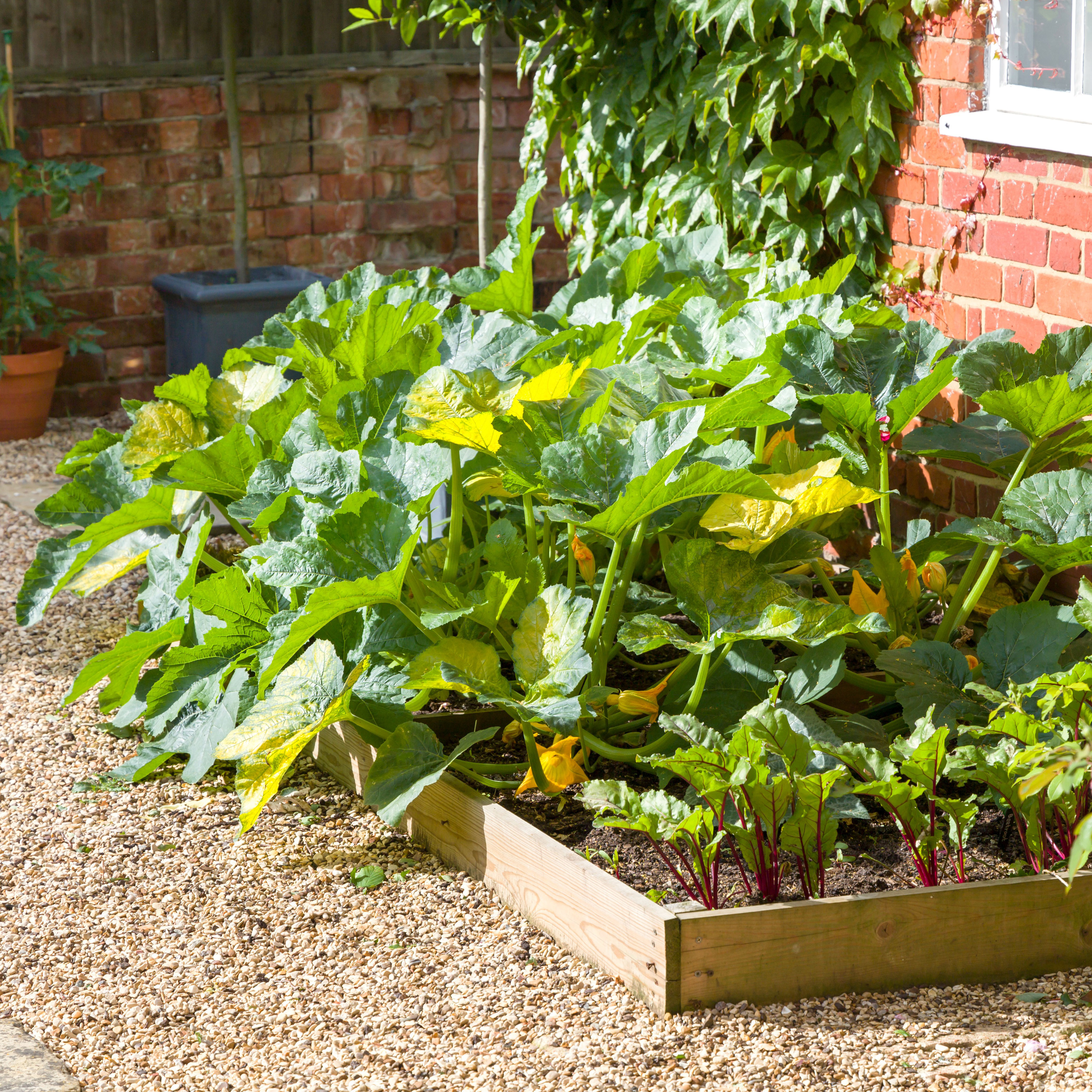
- Avoid using fabric under raised beds or where deep-rooted plants grow.
- Do not cover entire garden paths if you want good soil life.
- Use fabric only where weed control is critical and soil health is good.
Alternatives To Landscape Fabric
Landscape fabric is often used to control weeds in vegetable gardens. Some gardeners prefer other options that fit their needs better. These alternatives help keep soil healthy and manage weeds naturally.
Below are some common alternatives to landscape fabric. Each has unique benefits for your vegetable garden.
Organic Mulches
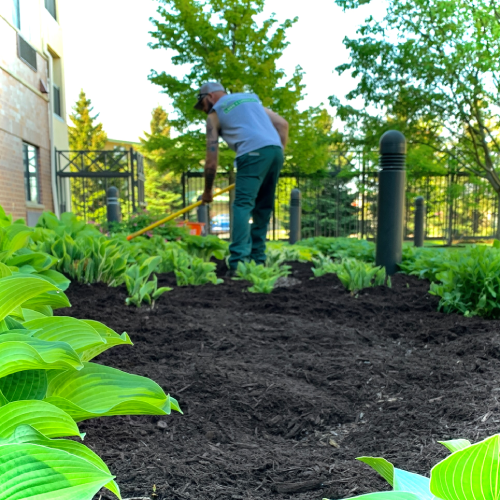
Organic mulches are natural materials placed on garden soil. They help keep moisture in and block weeds. Over time, they break down and add nutrients to the soil.
- Grass clippings
- Straw or hay
- Leaves
- Wood chips or bark
- Compost
Plastic Mulches
Plastic mulches cover the soil with thin sheets of plastic. They stop weeds by blocking light and keep soil warm. This method is popular for early-season crops.
| Type of Plastic | Color | Benefits | Considerations |
|---|---|---|---|
| Black plastic | Black | Blocks weeds, warms soil | Does not let water through |
| Clear plastic | Clear | Warms soil more | May encourage weed growth under plastic |
| Reflective plastic | Silver or white | Repels some pests | Less common, more expensive |
Living Mulches
Living mulches are low-growing plants grown between vegetables. They cover soil and stop weeds naturally. These plants may also improve soil health.
- Clover
- Vetch
- Alfalfa
- Sweet alyssum
- Thyme
Living mulches need careful management to avoid competing with your vegetables for nutrients and water.
Credit: www.carringtonlawn.com
Frequently Asked Questions
What Is Landscape Fabric Used For In Vegetable Gardens?
Landscape fabric helps control weeds by blocking sunlight while allowing water and air to reach soil. It reduces garden maintenance and supports healthy plant growth.
How Do You Install Landscape Fabric In A Vegetable Garden?
Clear the area, level the soil, then lay the fabric flat. Cut holes for plants and secure edges with stakes or soil to keep it in place.
Can Landscape Fabric Improve Vegetable Garden Soil Health?
Yes, it prevents weed competition, retains moisture, and reduces soil erosion. However, it doesn’t add nutrients, so regular soil amendments are still necessary.
How Long Does Landscape Fabric Last In A Vegetable Garden?
Quality fabric can last 3-7 years depending on material and conditions. UV-resistant fabric lasts longer, but regular inspection and replacement may be needed.
Conclusion
Using landscape fabric helps keep weeds out of your vegetable garden. It saves time on weeding and keeps soil moist longer. Just lay the fabric carefully and cut holes for your plants. This simple step protects your crops and makes gardening easier.
Try it in your garden to see the benefits yourself. Gardening can be less work and more fun. A small effort now leads to healthier vegetables later. Give landscape fabric a chance and enjoy a cleaner garden space.