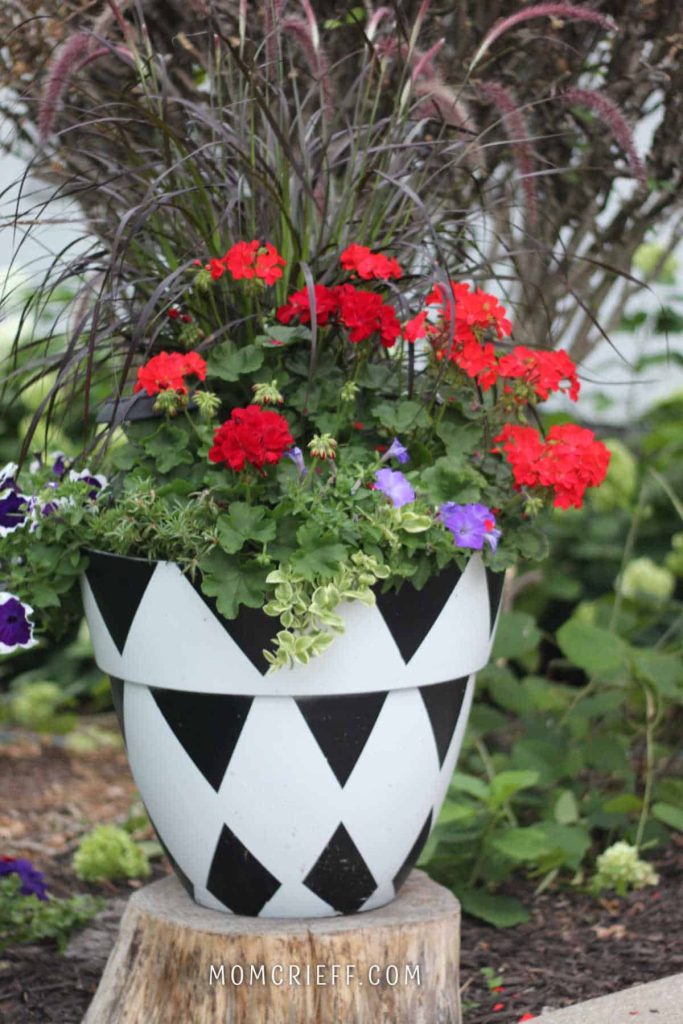
Are you ready to bring fresh life and color to your space with planters and pots? Whether you have a tiny balcony or a spacious garden, planting in containers is a simple way to grow beautiful flowers, herbs, or veggies right at your fingertips.
But how do you make sure your plants thrive and look their best? This guide will walk you through everything you need to know, from choosing the right pots to planting and caring for your new green friends. Keep reading, and you’ll discover easy steps that turn your planters into a stunning, vibrant display you’ll love every day.
Choosing The Right Planters
Picking the right planter is key for healthy plants. The right choice helps plants grow well and look good.
Think about the planter’s material, size, shape, and drainage before buying.
Material Options And Benefits
Planters come in many materials. Each has its own benefits and care needs.
- Terracotta:Breathable and classic. Good for dry-loving plants.
- Plastic:Lightweight and affordable. Retains moisture well.
- Ceramic:Stylish and strong. Often glazed to hold water.
- Wood:Natural look. Needs sealing to last outdoors.
- Metal:Durable and modern. Can heat up in sun, so watch plants.
Size And Shape Considerations
Choose planters that fit your plants’ size and root needs. Shape affects space and plant growth.
| Planter Shape | Best For | Space Needed |
|---|---|---|
| Round | Most plants | Medium |
| Square | Maximizes space | Small to medium |
| Rectangular | Long plants, herbs | Large |
| Deep | Plants with long roots | Medium to large |
| Shallow | Succulents, cacti | Small |
Drainage Importance
Good drainage stops water from sitting in the soil. This protects roots from rotting.
Look for these drainage features:
- Drainage holes at the bottom
- A saucer to catch extra water
- Raised feet or a stand to improve airflow
Selecting Soil And Fertilizer
Choosing the right soil and fertilizer is key for growing plants in pots and planters. Good soil and proper nutrients help plants grow strong and healthy.
Understanding soil types and fertilizer options can improve your container gardening results. Let’s explore what works best for your plants.
Best Soil Types For Containers
Container soil needs to drain well and hold moisture. It should also provide space for roots to grow. Avoid using garden soil alone because it can be too heavy.
- Potting mix: Light and fluffy, holds water but drains well.
- Peat moss: Retains moisture and helps soil stay loose.
- Perlite or vermiculite: Improves aeration and drainage.
- Compost: Adds nutrients and improves soil texture.
Nutrient Needs For Healthy Growth
Plants need key nutrients to grow. Nitrogen helps leaves grow. Phosphorus supports roots and flowers. Potassium strengthens overall health.
| Nutrient | Purpose | Signs of Deficiency |
| Nitrogen (N) | Leaf growth | Yellowing leaves |
| Phosphorus (P) | Root and flower development | Poor blooms, weak roots |
| Potassium (K) | Plant strength | Weak stems, leaf edges brown |
Organic Vs Synthetic Fertilizers
Organic fertilizers come from natural sources like compost or manure. Synthetic fertilizers are man-made chemicals. Both supply nutrients but work differently.
- Organic fertilizers release nutrients slowly. They improve soil health.
- Synthetic fertilizers act quickly and show fast results.
- Organic options are safer for the environment.
- Synthetic fertilizers need careful use to avoid plant damage.
Plant Selection For Pots
Choosing the right plants for your pots is important. Some plants thrive better in pots than others. Consider their size, sunlight needs, and water requirements.
With careful selection, your potted plants can grow healthy and beautiful. Let’s explore how to match plants to planter sizes and their care needs.
Matching Plants To Planter Size
The size of your pot matters for plant growth. A small plant in a big pot may not look right. Conversely, a large plant in a small pot can be unhealthy.
- Small pots suit herbs like basil and parsley
- Medium pots are good for flowers like marigolds
- Large pots can hold small trees or shrubs
Sunlight And Watering Needs
Plants need the right amount of sunlight and water. Some plants prefer lots of sun, while others thrive in shade. Watering needs also vary between plants.
- Succulents need bright light and little water
- Ferns enjoy indirect light and more water
- Tomatoes need full sun and regular watering
Companion Planting Ideas
Some plants grow better together. This is called companion planting. It can help plants stay healthy and reduce pests.
- Marigolds can protect vegetables from pests
- Basil grows well with tomatoes
- Mint can repel harmful insects from nearby plants

Credit: www.provenwinners.com
Planting Techniques
Planting in planters and pots is a great way to grow plants in small spaces. It allows you to control soil quality and water easily.
Good planting techniques help plants grow strong and healthy. Let’s look at how to prepare, transplant, and arrange plants in containers.
Preparing The Planter
Start by choosing a pot with drainage holes. This stops water from building up and causing root rot.
Fill the planter with good-quality potting soil. Avoid using garden soil because it can be too heavy and may contain pests.
- Check that drainage holes are not blocked
- Use fresh potting mix suited for your plant type
- Add some slow-release fertilizer to feed plants
- Leave space at the top for watering
Transplanting Tips
Water the plant before transplanting to make soil soft and roots moist. This reduces stress on the plant.
Gently remove the plant from its original container. Try not to damage the roots or break the soil ball.
- Loosen roots if they are tightly packed
- Place the plant in the center of the new pot
- Fill soil around roots and press lightly
- Water the plant after transplanting
Spacing And Arrangement
Give plants enough space to grow. Crowded plants compete for water and nutrients.
Arrange plants by their size and light needs. Taller plants should not block sunlight from smaller ones.
- Check the mature size of each plant
- Place taller plants at the back or center
- Keep smaller plants around the edges
- Leave space for air flow between plants
Watering And Maintenance
Taking care of plants in planters and pots needs regular watering and simple maintenance. Proper care keeps plants healthy and growing well.
This guide covers how often to water, how to avoid too much water, and how to prune your plants.
Watering Frequency And Methods
Plants in pots need water more often than garden plants because pots dry out faster. Check the soil every day in hot weather.
Water deeply until water flows out of the drainage holes. This helps roots grow strong and healthy.
- Water in the morning to reduce evaporation.
- Use a watering can or hose with a fine spray.
- Water the soil, not the leaves, to avoid disease.
Preventing Overwatering
Too much water can harm plants by causing root rot. Always check the soil before watering again.
Make sure pots have drainage holes to let extra water escape. Use well-draining soil to keep roots healthy.
- Feel the soil; water only if the top inch is dry.
- Avoid leaving pots in standing water.
- Use pots with good drainage holes.
Pruning And Deadheading
Pruning helps plants grow strong and look tidy. Remove dead or yellow leaves to keep the plant healthy.
Deadheading means cutting off old flowers. This helps the plant make new blooms and saves energy.
- Use clean scissors or pruning shears.
- Cut just above a leaf or bud.
- Remove dead flowers regularly.

Credit: www.youtube.com
Dealing With Pests And Diseases
Pests and diseases can harm your plants in planters and pots. It is important to watch for signs early. This helps keep your plants healthy and growing well.
Using safe and natural methods keeps your garden eco-friendly. You can protect plants without harsh chemicals. Here are some tips to manage pests and diseases.
Common Container Garden Pests
Many pests like to feed on container plants. Watch out for aphids, spider mites, whiteflies, and fungus gnats. These pests can cause leaf damage and stunt growth.
- Aphids:Small, soft-bodied insects that suck plant juices.
- Spider Mites:Tiny spiders that make webs and cause yellow spots.
- Whiteflies:Small white insects that fly up when plants are touched.
- Fungus Gnats:Small flies that lay eggs in moist soil.
Natural Pest Control Methods
Use natural ways to reduce pests without chemicals. They keep your plants safe and your garden healthy.
- Spray plants with water to wash off pests.
- Use neem oil or insecticidal soap on affected areas.
- Introduce ladybugs or lacewings to eat harmful insects.
- Keep plants clean and remove damaged leaves.
- Plant herbs like basil or mint to repel pests.
Disease Prevention Strategies
Diseases spread fast in pots if soil and plants are wet too long. Keep your plants dry and strong to avoid diseases.
| Prevention Tip | How It Helps |
| Use well-draining soil | Prevents water from staying too long and causing root rot |
| Water plants early in the day | Allows leaves to dry before night, reducing fungus risk |
| Space pots apart | Improves air flow and lowers humidity around plants |
| Remove dead or diseased leaves | Stops spread of infections to healthy parts |
| Choose disease-resistant plant varieties | Reduces chance of infection from the start |
Seasonal Care For Planters
Planters and pots need special care throughout the year. Changing seasons affect plant health and growth. Proper care helps plants thrive and last longer.
Understanding how to care for your planters in winter, summer, and other seasons keeps your garden vibrant. Each season requires different steps and attention.
Preparing For Winter
Winter can be harsh on plants in pots. Protect them from freezing temperatures to avoid damage. Move planters to sheltered spots or indoors if possible.
- Drain excess water to prevent root rot.
- Wrap pots with bubble wrap or burlap for insulation.
- Group planters together to share warmth.
- Use mulch on soil surface to keep roots warm.
- Reduce watering since plants grow slower in cold.
Summer Care Tips
Summer heat can dry out soil quickly. Keep plants hydrated and cool to avoid stress. Use shade and regular watering for best results.
| Care Task | Purpose |
| Water daily in early morning | Keep soil moist and cool |
| Move planters to shaded areas | Protect from harsh sun |
| Check soil drainage | Prevent waterlogging |
| Trim dead leaves | Encourage new growth |
Rotating Plants Seasonally
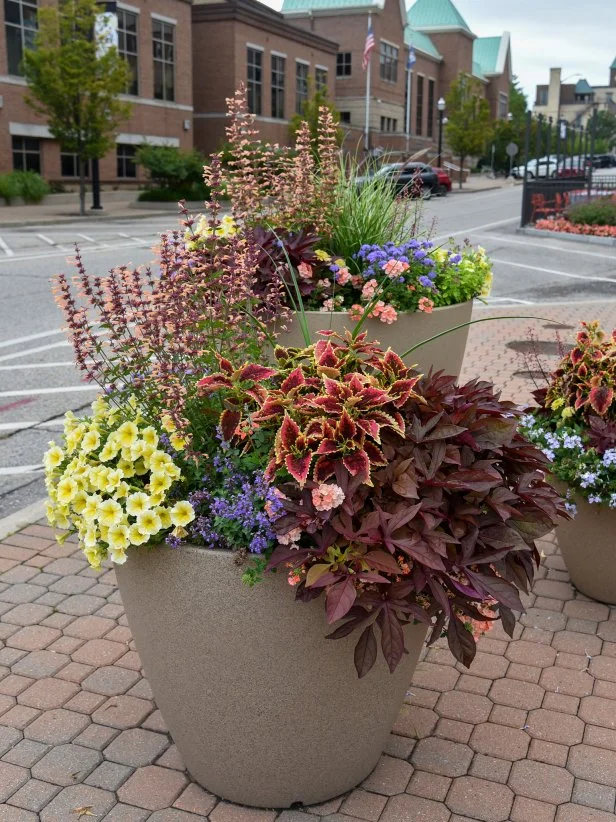
Changing plants with the seasons keeps your planters fresh and healthy. Some plants grow better in certain weather. Rotate to match each season.
- Choose spring flowers for bright colors.
- Pick summer plants that tolerate heat well.
- Use fall plants with rich foliage.
- Opt for hardy winter plants that survive cold.
- Remove spent plants before planting new ones.
Credit: www.hgtv.com
Frequently Asked Questions
How Do I Choose The Right Planter Or Pot?
Select pots based on plant size, drainage needs, and material. Ensure the pot has drainage holes to prevent waterlogging. Choose materials like clay, plastic, or ceramic depending on your climate and aesthetics. Proper pot selection supports healthy root growth and plant vitality.
What Soil Is Best For Planting In Pots?
Use well-draining potting mix for container plants. Avoid garden soil as it can compact and harm roots. A mix with peat, perlite, and compost retains moisture and nutrients. Good soil promotes healthy growth and prevents root rot in planters.
How Often Should I Water Plants In Pots?
Water frequency depends on plant type, pot size, and climate. Generally, water when the top inch of soil feels dry. Avoid overwatering to prevent root rot. Consistent moisture helps plants thrive in containers, especially during hot weather.
Can I Use Any Plant For Planters And Pots?
Most plants can grow in pots if their needs are met. Choose plants suited for container life, such as herbs, succulents, or small flowers. Ensure pots provide enough space and proper drainage. Container gardening allows flexibility and easy plant care.
Conclusion
Planting in pots and planters brings life to any space. Choose the right soil and plants for best results. Water regularly but avoid overwatering your plants. Place planters where they get enough sunlight each day. Watch your plants grow and enjoy the green touch.
Small steps make a big difference in gardening success. Start today and create a lovely plant display at home. Gardening can be simple, fun, and rewarding for everyone. Keep learning and experimenting to find what works best.