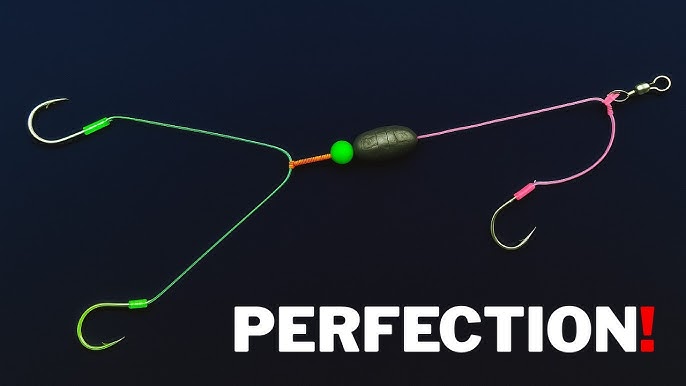
Setting up your fishing line with a lure might seem tricky at first, but once you know the simple steps, it becomes second nature. Whether you’re a beginner or just want to improve your technique, this guide will help you get it right every time.
Imagine casting your line smoothly and watching your lure move naturally in the water—this skill can make all the difference in catching more fish. Keep reading, and you’ll learn how to set up your fishing line quickly and confidently, so you can focus on what matters most: enjoying your time on the water and landing that big catch.
Choosing The Right Fishing Line
Picking the right fishing line is important for a good fishing experience. The line holds your lure and helps catch fish.
Different fishing lines work better in different situations. Learn about types, strength, and matching line to fish.
Types Of Fishing Lines
There are three main types of fishing lines: monofilament, fluorocarbon, and braided. Each type has unique features.
Monofilament is stretchy and easy to handle. Fluorocarbon is hard to see in water. Braided lines are very strong and thin.
- Monofilament:Good for beginners and general use
- Fluorocarbon:Low visibility, great for clear water
- Braided:High strength, best for heavy cover
Line Strength And Diameter
Line strength is shown as “pound test.” It tells how much weight the line can hold before breaking.
Diameter affects how the line moves in water. Thinner lines cast farther but may break easier.
| Line Strength (Pound Test) | Diameter (inches) | Use |
|---|---|---|
| 2-6 lbs | 0.006 – 0.011 | Light fishing, small fish |
| 8-12 lbs | 0.012 – 0.016 | Medium fishing, most lures |
| 15-30 lbs | 0.018 – 0.035 | Heavy fishing, big fish |
Matching Line To Fish Species
Different fish need different line strengths. Use lighter lines for small fish and stronger lines for big fish.
Match the line to the fish species for better control and less chance of breaking the line.
- Trout, Panfish:2-6 lb test line works well
- Bass, Walleye:8-12 lb test line is a good choice
- Catfish, Pike:15-30 lb test line needed for strength
Selecting The Perfect Lure
Choosing the right lure is key to a successful fishing trip. Different lures attract different fish species. Knowing which lure to use helps catch more fish.
This guide covers lure types, colors, sizes, and how seasons and water affect your choice.
Lure Types And Uses
There are many lure types. Each type works best for certain fish and fishing styles.
- Spinnerbaits:Create flash and vibration to attract fish in murky water.
- Crankbaits:Imitate small fish; good for covering large water areas.
- Soft Plastics:Mimic worms or small creatures; effective for bottom fishing.
- Jigs:Versatile lures that work well near structures and cover.
- Spoons:Reflect light; attract fish in clear water and open spaces.
Color And Size Considerations
| Color | When to Use | Effect |
| Bright Colors (chartreuse, orange) | Murky or stained water | Easy for fish to see |
| Natural Colors (brown, green) | Clear water | Looks like real prey |
| Dark Colors (black, blue) | Low light or cloudy days | Creates strong silhouette |
| Size | Match fish size and local bait | Lures too big or small may scare fish away |
Seasonal And Water Conditions
Fish behavior changes with seasons and water type. Choose lures that fit these changes.
- Spring:Use slow-moving lures to match fish feeding after winter.
- Summer:Try fast lures near surface or shade where fish hide.
- Fall:Use medium-speed lures as fish feed before winter.
- Winter:Choose small, slow lures since fish are less active.
- Clear Water:Natural colors and realistic lures work best.
- Murky Water:Bright colors and lures with vibration help fish find bait.
Attaching The Lure To The Line
Attaching your lure correctly is important for fishing success. A strong knot keeps your lure secure while fishing. This guide explains popular knots and how to tie them well.
Follow the steps carefully to tie a knot that holds tight. Checking knot strength will help you avoid lost fish and gear.
Popular Knot Techniques
Some knots work better for attaching lures. The most common knots are:
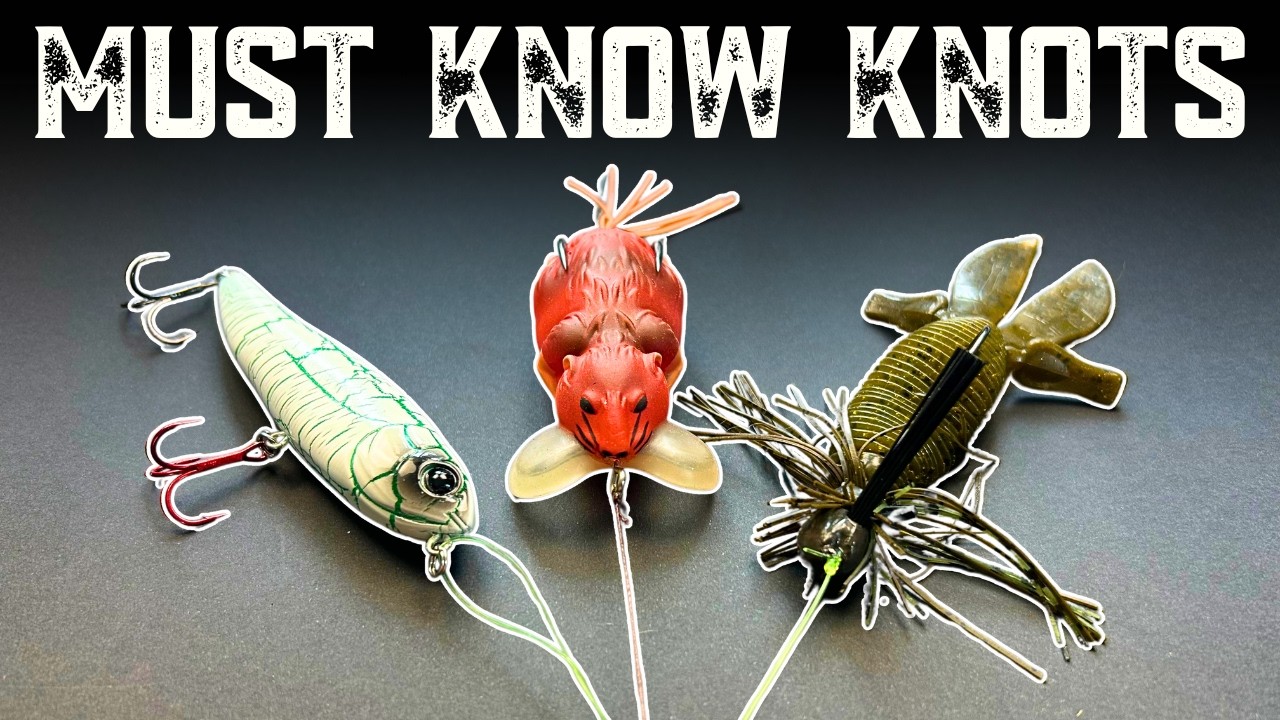
- Improved Clinch Knot
- Palomar Knot
- Loop Knot
- Uni Knot
Step-by-step Knot Tying
- Thread the line through the lure eye.
- Wrap the line around itself 5 to 7 times.
- Pass the tag end through the loop near the lure eye.
- Pull the tag end to tighten the coils.
- Moisten the knot to reduce friction.
- Pull both ends firmly to secure the knot.
- Trim the excess tag end.
Ensuring Knot Strength
| Action | Reason |
|---|---|
| Wet the knot before tightening | Reduces heat and friction to protect the line |
| Tighten the knot slowly | Prevents damage and ensures a snug fit |
| Pull hard on the line after tying | Tests the knot strength before fishing |
| Trim tag ends close | Avoids snagging but leaves enough length to prevent slipping |

Credit: mysterytacklebox.com
Setting Up Your Fishing Rod
Setting up your fishing rod correctly is important for a good fishing experience. It helps you cast better and catch fish more easily.
This guide will help you prepare your fishing line and lure so you can start fishing with confidence.
Spooling The Line Correctly
Spooling your fishing line properly prevents tangles and line damage. It makes casting smooth and helps your lure move naturally.
First, attach the line to the reel spool tightly. Keep the line tight while winding it onto the spool to avoid loose loops.
- Use a backing line if your reel needs it
- Fill the spool almost full, leaving 1/8 inch space
- Keep the line tight during spooling
- Check for twists and correct them immediately
Adjusting Reel Tension
Adjusting the reel tension helps control how the line comes off when you cast. This prevents backlash and line knots.
Set the tension knob so the lure falls slowly when you release the line. You want the lure to move naturally in the water.
- Turn the tension knob to tighten or loosen the drag
- Test by letting the lure drop; it should fall slowly
- Adjust based on lure weight and casting style
Line Maintenance Tips
Taking care of your fishing line extends its life and keeps it strong. Old or damaged line can break easily during fishing.
Check your line regularly for signs of wear. Replace it if you see frays, cracks, or weak spots.
- Rinse line with fresh water after saltwater fishing
- Store the rod away from direct sunlight
- Replace line at least once a season or after heavy use
- Use line conditioner to keep it flexible
Casting And Retrieval Tips
Setting up your fishing line with a lure is a skillful task. Understanding casting and retrieval techniques can improve your fishing experience.
These tips will guide you on how to cast your line further and retrieve it effectively.
Casting Techniques For Distance
Good casting techniques help you reach further distances in the water. Practice is key to achieving the right technique.
- Use a smooth and steady motion when casting.
- Hold the rod at a 45-degree angle.
- Release the line at the peak of your swing.
Retrieval Speeds And Patterns
Different fish respond to different retrieval speeds. Experiment with patterns to attract the fish you want.
| Fish Type | Preferred Retrieval Speed |
| Bass | Slow to medium |
| Trout | Fast |
| Pike | Medium to fast |
Adapting To Fish Behavior
Fish behavior changes with weather and time of day. Adapting your technique can lead to better catches.
Credit: www.youtube.com
Troubleshooting Common Issues
Setting up your fishing line with a lure can be tricky. Some problems may stop you from fishing well. This guide helps you fix common issues easily.
Read these tips to keep your line smooth and strong. Avoid frustration and enjoy your fishing time more.
Preventing Line Tangles
Tangles waste time and can damage your line. To keep your line tangle-free, follow these rules.
- Use the right reel size for your line.
- Keep the line tight while casting and reeling.
- Check for twists by letting the line hang freely.
- Use swivel connectors to reduce line twisting.
- Store your rod properly to avoid loose loops.
Fixing Knot Slips
Knots can slip if tied incorrectly. A slipping knot means losing your lure or fish. Use these tips to tie strong knots.
| Knot Type | Tip to Prevent Slip |
| Improved Clinch Knot | Make at least five wraps and moisten line before tightening. |
| Palomar Knot | Keep the loop large and pull tight slowly. |
| Uni Knot | Double wrap the line and pull firmly. |
Handling Line Breakage
Line breaks cause lost fish and gear. Fix breaks by checking line strength and condition often.
Try these tips to avoid line breakage:
- Use a line with a proper test strength for your target fish.
- Inspect the line for nicks or frays before fishing.
- Replace old or damaged line regularly.
- Avoid sharp edges on guides and lure eyes.
- Keep tension steady when fighting fish to reduce snap risk.

Credit: www.battlbox.com
Frequently Asked Questions
How Do I Attach A Lure To Fishing Line?
To attach a lure, tie a strong knot like the improved clinch knot. Thread the line through the lure eye, wrap it around five times, then pull tight. This ensures a secure connection and helps your lure move naturally in water.
What Fishing Line Is Best For Lure Fishing?
Monofilament and fluorocarbon lines are popular for lure fishing. They offer good flexibility and strength. Braided lines are also good for heavy cover and long casts. Choose based on your fishing style and target species for best results.
How Much Fishing Line Should I Use With A Lure?
Use about 100 to 150 yards of line for most lure fishing setups. This length provides enough line for casting, reeling, and handling fish. Adjust based on fishing conditions and the size of the water body.
Can I Reuse Fishing Line When Changing Lures?
Yes, you can reuse fishing line if it’s in good condition. Check for nicks, abrasions, or weak spots before reusing. Reusing line saves money but always prioritize safety and strength to avoid losing fish.
Conclusion
Setting up your fishing line with a lure is simple and fun. Choose the right lure for your fishing spot. Tie the line tightly to avoid losing fish. Check knots and line strength before casting. Practice casting to improve your skills.
Enjoy the quiet and excitement of fishing. Keep learning and trying new lures for better results. Fishing rewards patience and care. Now, get out there and enjoy your fishing time!