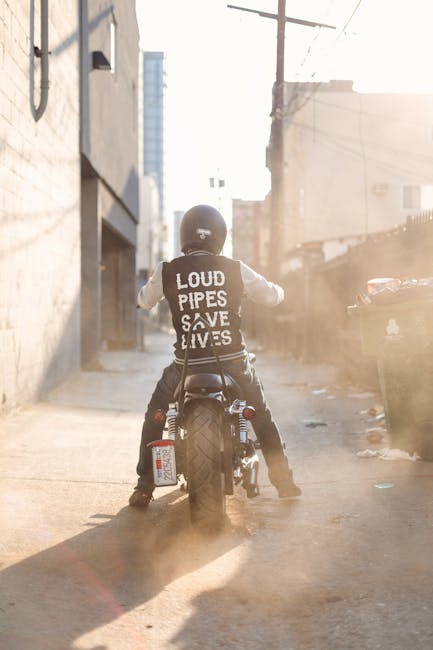
Are you wondering if you really need to wear a helmet when you ride your bike? It might seem like a small choice, but it can make a huge difference for your safety.
You probably enjoy the freedom and fun of cycling, but have you thought about what could happen in a sudden fall or accident? This article will help you understand why wearing a helmet isn’t just a rule — it’s a smart move to protect your head and your future.
Keep reading, because what you learn here could save your life.
Helmet Laws And Regulations
Wearing a helmet while riding a bike is important for safety. Different places have different rules about helmets. Knowing these rules helps you stay safe and avoid fines.
This guide explains helmet laws by region, age rules, and penalties if you do not follow the laws.
Helmet Requirements By Region
Helmet laws vary around the world. Some regions require helmets for all riders. Others only require them for certain ages or types of roads.
| Region | Helmet Requirement | Notes |
|---|---|---|
| North America | Required for all riders in most states | Some states only require helmets for riders under 18 |
| Europe | Varies by country | Countries like Spain require helmets for all; UK does not require adults |
| Australia | Mandatory for all riders | Strict enforcement with fines |
| Asia | Varies widely | Some countries require helmets on busy roads |
Age And Helmet Rules
Many places have special rules for children and teens. Younger riders often must wear helmets all the time. Older riders may have fewer restrictions.
- Children under 12 usually must wear helmets.
- Teen riders may have age limits for helmet laws.
- Adults sometimes have no helmet requirement.
- Parents are often responsible for ensuring children wear helmets.
Penalties For Non-compliance
If you do not wear a helmet where it is required, you can face fines or other penalties. These rules help keep riders safe.
- First offense usually results in a small fine.
- Repeat offenses may lead to higher fines.
- Some areas may require safety courses after violations.
- In serious cases, authorities can suspend riding privileges.

Credit: www.heybike.com
Benefits Of Wearing A Helmet
Wearing a helmet while riding a bike is very important. It helps keep your head safe in case of accidents.
Helmets provide many benefits that protect riders and improve their safety on the road.
Protection Against Head Injuries
Helmets protect your head from serious injuries during a crash. They absorb the impact and reduce the force on your skull.
This protection can prevent concussions, skull fractures, and brain damage.
- Reduces risk of head trauma
- Prevents brain injuries
- Protects skull from fractures
Reducing Severity Of Accidents
Wearing a helmet lowers how bad injuries are in a crash. It acts as a cushion for your head.
Even if you fall or hit something, the helmet spreads out the impact to reduce damage.
- Lessens impact forces
- Helps avoid severe wounds
- Improves chances of quick recovery
Boosting Rider Confidence
Wearing a helmet makes riders feel safer and more confident. This helps them focus better on the road.
When you feel protected, you can ride more calmly and make smarter decisions.
- Increases sense of safety
- Improves focus while riding
- Encourages better riding habits
Types Of Bike Helmets
Wearing a helmet while biking is important for safety. Different types of helmets offer specific features for various biking activities.
Choosing the right helmet depends on the kind of biking you do. Let’s explore the different types of bike helmets available.
Road Bike Helmets
Road bike helmets are designed for speed and aerodynamics. They are lightweight and have plenty of ventilation.
These helmets are ideal for cyclists who ride on paved roads. They often come with a sleek design to reduce wind resistance.
Mountain Bike Helmets
Mountain bike helmets are built for off-road cycling. They provide extra protection with a durable shell and more coverage.
These helmets often have a visor to shield your eyes from sun and debris. They are perfect for trails and rugged terrain.
Commuter And Urban Helmets
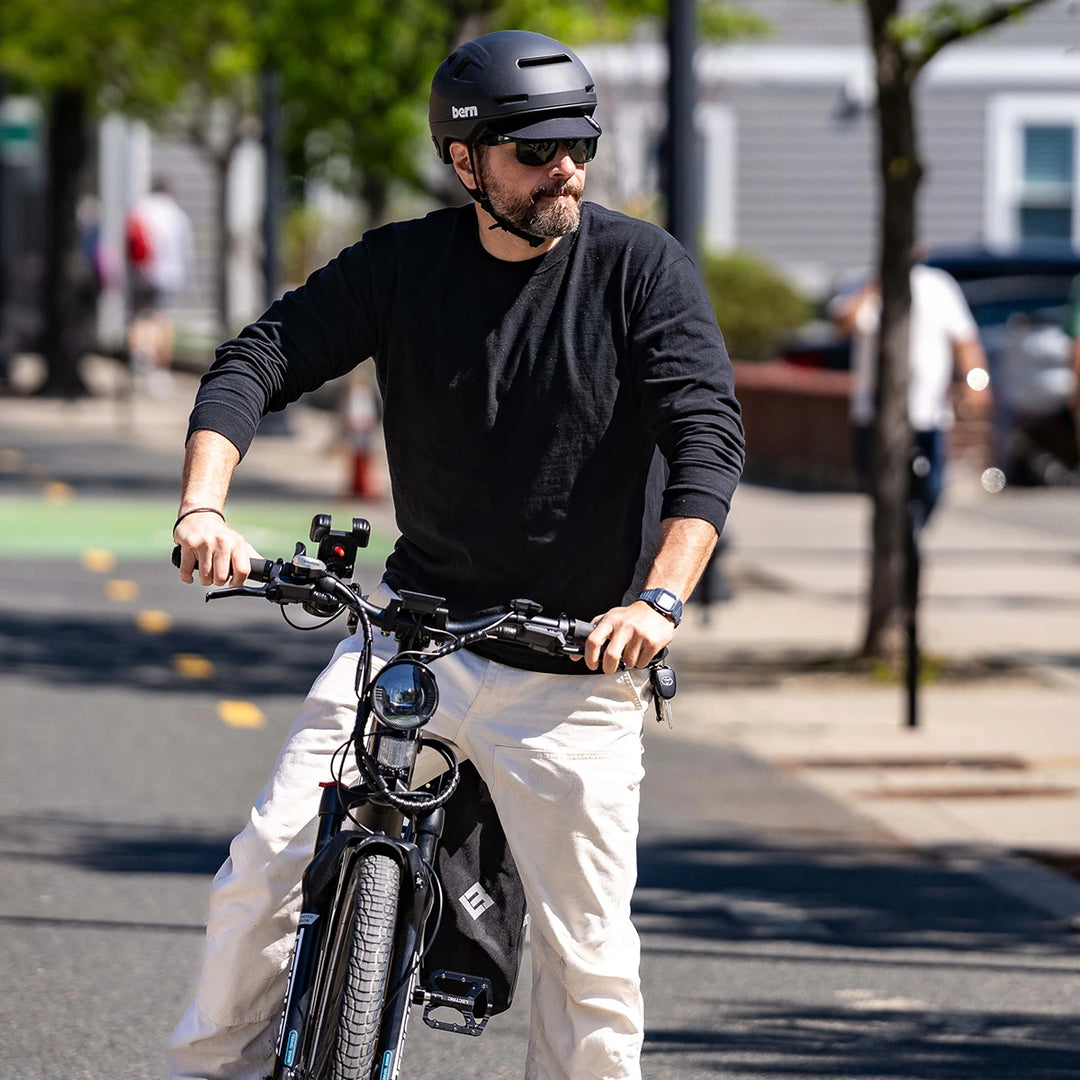
Commuter and urban helmets are made for everyday use. They focus on comfort and visibility for city riders.
These helmets may include features like built-in lights and reflective materials. They offer a stylish look for daily biking.
- Road bike helmets: Lightweight, aerodynamic
- Mountain bike helmets: Durable, with visors
- Commuter helmets: Comfortable, often with lights
Credit: bernhelmets.com
Choosing The Right Helmet
Wearing a helmet on a bike is very important. It helps protect your head in case of an accident. Picking the right helmet can keep you safe and comfortable.
There are many helmets available. To find the best one, you need to focus on fit, safety, and features. This guide will help you choose the right helmet.
Proper Fit And Comfort
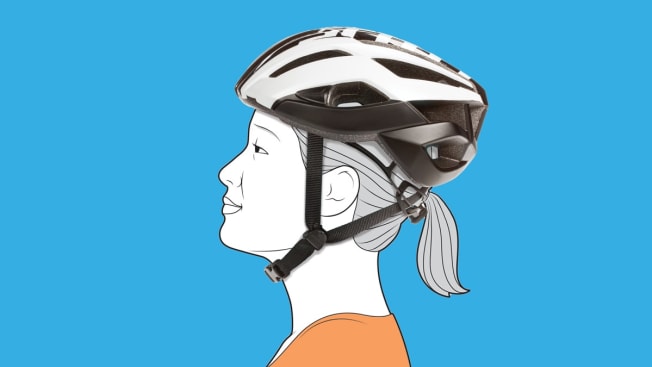
A helmet must fit your head well. It should feel snug but not too tight. The straps must hold the helmet firmly in place. Comfort is key for wearing it long.
- Measure your head size before buying
- Try the helmet on and shake your head
- Adjust straps so the helmet does not move
- Check for pressure points or discomfort
Safety Certifications To Look For
Helmets have safety labels showing they meet standards. These certifications mean the helmet passed tests for impact and protection. Look for these marks when buying.
| Certification | Region | What It Means |
| CPSC | USA | Meets U.S. safety rules for bike helmets |
| EN 1078 | Europe | Complies with European helmet safety standards |
| AS/NZS 2063 | Australia/New Zealand | Passes strict local safety tests |
Helmet Features And Ventilation
Good helmets have features that add comfort and safety. Ventilation helps keep your head cool. Other features improve fit and visibility.
- Vent holes for air flow
- Adjustable straps and padding
- Reflective stickers for night riding
- Lightweight materials for ease of use
Common Helmet Myths
Many people believe things about bike helmets that are not true. These myths can stop some from wearing helmets. It is important to know the facts to stay safe.
This article looks at three common myths about helmets. We explain why these ideas are wrong and why helmets help protect you.
Helmets Are Uncomfortable
Some say helmets are hard to wear because they feel tight or heavy. Modern helmets use light materials and air vents. These features help keep your head cool and comfy.
- Many helmets have adjustable straps for a perfect fit.
- Foam padding inside cushions your head gently.
- Designs now focus on comfort for long rides.
Helmets Limit Vision And Hearing
People think helmets block their sight or sounds while riding. Good helmets are made to keep your vision wide. They also let you hear important sounds around you.
| Myth | Fact |
| Helmets block side vision | Helmets are designed to allow wide side views |
| Helmets stop hearing traffic | Helmets do not cover ears and let sound pass through |
| Helmets cause blind spots | Proper helmet fit avoids blocking any view |
Helmets Aren’t Needed For Short Rides
Some riders skip helmets on short trips. Crashes can happen anytime, even close to home. Wearing a helmet every ride helps protect you from injury.
Reasons to wear helmets on all rides:
- Accidents can happen quickly and unexpectedly.
- Short rides may have rough roads or obstacles.
- Helmets reduce the risk of head injury each time.
Credit: www.consumerreports.org
Additional Bike Safety Tips
Wearing a helmet is important for bike safety. There are other ways to stay safe too. These tips help protect you while riding.
Using simple safety habits can reduce accidents. Follow these ideas to enjoy your ride and stay secure.
Wearing Reflective Gear
Reflective gear makes you visible to drivers. It is very helpful in low light or at night. Wear a reflective vest or tape on your clothes.
Reflective gear helps others see you from far away. This can prevent crashes and keep you safe on the road.
- Wear a reflective jacket or vest
- Add reflective tape to your bike and helmet
- Use lights with reflective parts
Following Traffic Rules
Obey traffic signals and signs like other vehicles do. Stop at red lights and yield when needed. This helps you avoid accidents.
Ride in the same direction as traffic. Use hand signals to show turns and stops. This lets drivers know your intentions.
- Stop at red lights and stop signs
- Ride on the right side of the road
- Use hand signals for turns and stops
- Watch for cars and pedestrians
Maintaining Your Bike
Keep your bike in good shape to avoid problems. Check brakes, tires, and lights before riding. A well-maintained bike works safer.
Clean your bike regularly. Fix any loose parts. This helps you ride smoothly and stay safe on the road.
- Check tire pressure often
- Test brakes before each ride
- Clean and oil the chain
- Make sure lights and reflectors work
Frequently Asked Questions
Do Bike Helmets Really Prevent Head Injuries?
Yes, bike helmets significantly reduce the risk of head injuries. They absorb impact energy during crashes. Wearing a helmet can prevent serious brain trauma and save lives. Studies confirm helmets lower injury severity and improve safety for cyclists.
Are Bike Helmets Legally Required Everywhere?
Helmet laws vary by location. Some countries and states mandate helmets for all riders. Others require them only for minors or do not enforce helmet use. Check local regulations to know if wearing a helmet on a bike is legally required in your area.
How Effective Are Helmets In High-speed Crashes?
Helmets provide crucial protection even at high speeds. They reduce impact forces on the skull and brain. Though they can’t prevent all injuries, helmets greatly improve survival chances and reduce injury severity in high-speed bike accidents.
Can Wearing A Helmet Improve Cycling Confidence?
Yes, wearing a helmet can boost cycling confidence. Feeling safer encourages riders to focus on the road. Helmets provide peace of mind, helping cyclists ride more comfortably and responsibly, especially in traffic or challenging conditions.
Conclusion
Wearing a helmet keeps your head safe while riding a bike. It reduces the risk of serious injury in accidents. Many places require helmets by law to protect riders. Choosing to wear one shows you care about your safety. Riding without a helmet is risky and could cause harm.
Stay safe, stay smart, and always wear your helmet. Safety should come first on every bike ride. Keep your head protected for peace of mind. Simple choice, big impact.