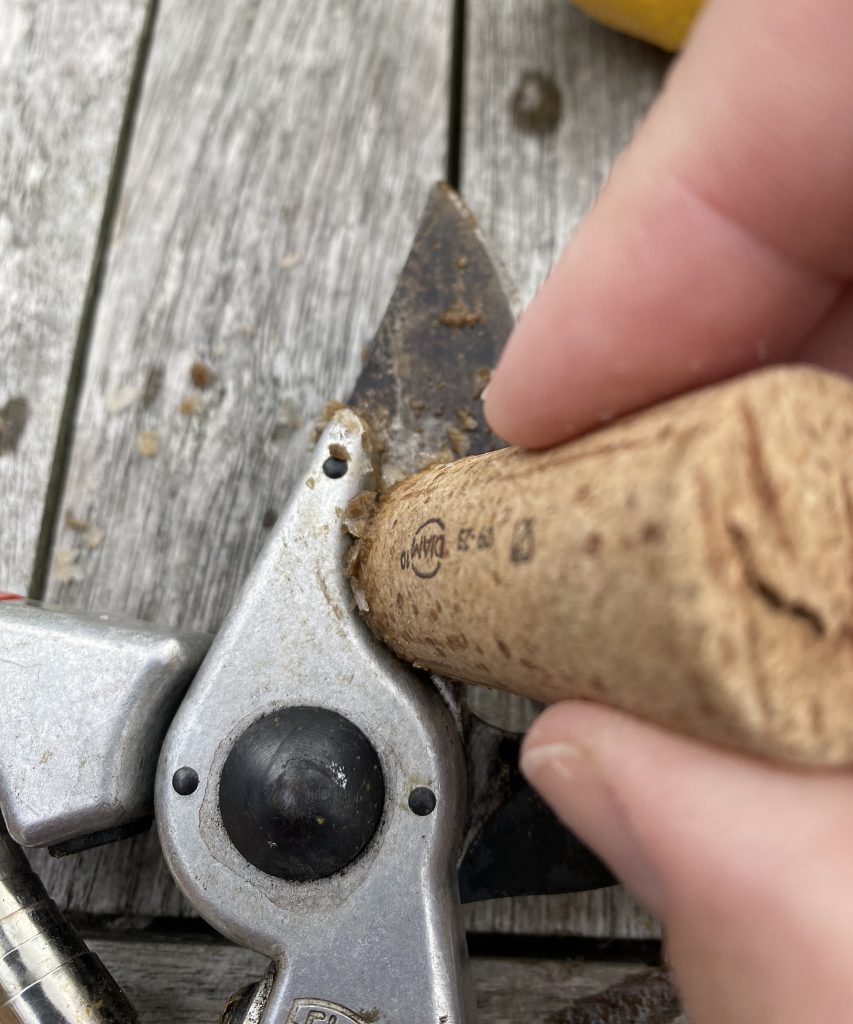
Are your hand pruners struggling to make clean cuts? Dull blades can damage your plants and make your gardening harder than it needs to be.
But don’t worry—you can bring your pruners back to life with just a few simple steps. In this guide, you’ll learn exactly how to sharpen your hand pruners quickly and safely. By the end, your tools will feel like new, making your gardening tasks easier and more enjoyable.
Keep reading to discover the easy tricks that will save you time and help your garden thrive.
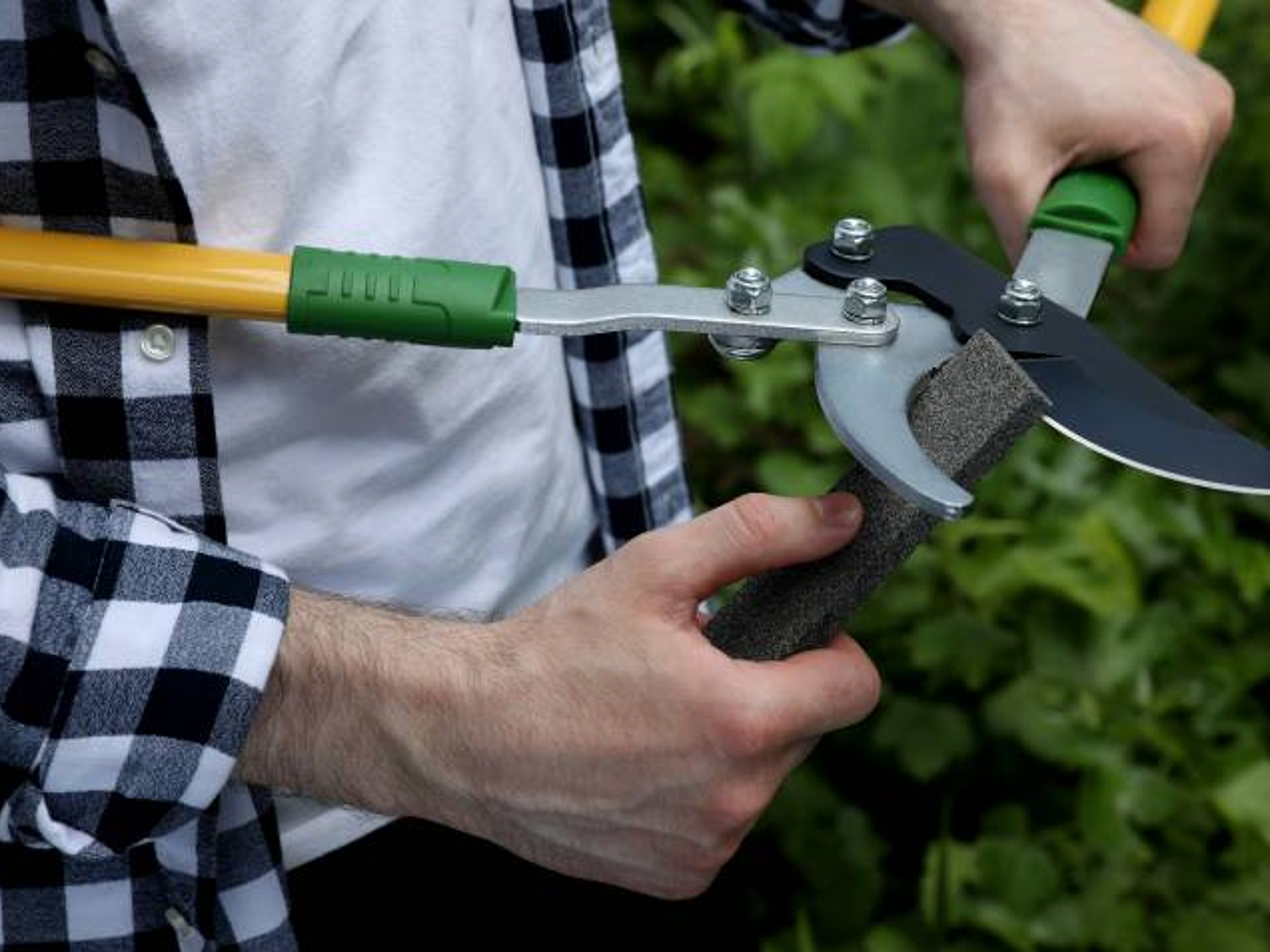
Credit: www.airtasker.com
Tools Needed
Sharpening hand pruners keeps them working well and safe. You need the right tools to do the job.
Here, we explain the types of sharpening tools and safety gear you should use.
Types Of Sharpening Tools
Several tools can sharpen your hand pruners. Choose one that fits your skill and the pruner type.
- Sharpening Stone:A flat stone used to grind the blade edge. It works well for most pruners.
- Diamond File:A small file with diamond grit. Good for precise sharpening and hard blades.
- Carbide Sharpener:A handheld tool with carbide blades. Easy to use and fast.
- Sandpaper:Fine-grit sandpaper can smooth rough edges on blades.
- Rotary Tool:An electric tool with a sharpening bit. Best for advanced users.
Safety Gear
Wear safety gear to protect yourself while sharpening hand pruners. Sharp blades and tools can cause injury.
| Safety Gear | Purpose |
|---|---|
| Protective Gloves | Keep hands safe from cuts and slips |
| Safety Glasses | Shield eyes from metal shavings and dust |
| Dust Mask | Prevent breathing in fine particles |
| Apron | Protect clothes and skin from debris |

Credit: www.gardeningknowhow.com
Preparing Your Pruners
Before sharpening your hand pruners, you need to prepare them well. Proper preparation helps you work safely and get the best results.
Two important steps are cleaning the blades and checking for damage. These steps make sharpening easier and safer.
Cleaning The Blades
Clean blades sharpen better and last longer. Dirt and sap can block the sharpening tool and cause uneven edges.
- Wipe the blades with a damp cloth to remove dirt.
- Use a brush to scrub off sticky sap or resin.
- Soak blades in soapy water if very dirty, then dry them.
- Apply rubbing alcohol to kill bacteria and prevent rust.
Inspecting For Damage
Check your pruners for cracks, nicks, or bends. Damaged blades can be unsafe and do not sharpen well.
| Damage Type | What to Look For | Action |
|---|---|---|
| Cracks | Visible breaks on the blade surface | Do not sharpen; replace the blade |
| Nicks | Small chips or dents on the cutting edge | File or sharpen carefully to smooth out |
| Bends | Blade edges not aligned or warped | Try to straighten or replace if severe |
Sharpening Techniques
Sharpening your hand pruners is important for clean cuts. Blunt blades can damage plants. Use the right tools for best results.
There are different methods to sharpen hand pruners. You can use stones, files, or special tools. Each method has its own steps.
Using A Sharpening Stone
A sharpening stone is a common tool. It is easy to find and use. Follow these steps for effective sharpening.
- Clean the pruner blades with soapy water.
- Dry them completely to prevent rust.
- Hold the blade at a 20-degree angle to the stone.
- Move the blade across the stone in a smooth motion.
- Repeat until the blade is sharp.
Using A Diamond File
A diamond file is another useful tool. It is great for sharpening small and curved blades. Follow these simple steps to sharpen with a diamond file.
Ensure the file is clean and free of debris. Position the pruner blade at a slight angle. Gently file along the edge, maintaining the original bevel. Check sharpness by cutting a piece of paper.
Using A Sharpening Tool
Sharpening tools are designed for ease. They often come with guides to help maintain the correct angle. Here’s how to use one:
| Step | Description |
| 1 | Insert the blade into the tool’s guide. |
| 2 | Slide the tool along the blade. |
| 3 | Repeat until sharp. |
Sharpening Steps
Keeping hand pruners sharp makes cutting easier. Sharp blades help plants heal faster.
Follow these steps to sharpen your hand pruners safely and correctly.
Blade Positioning
Hold the pruner blade firmly. Position it so you can see the cutting edge clearly.
Secure the blade in a way that it does not move while sharpening.
- Use a clamp or hold the blade with a cloth
- Keep the cutting edge facing you
- Work in a well-lit area for better visibility
Angle And Stroke
Sharpen the blade at a consistent angle. Usually, a 20 to 30-degree angle works best.
Use smooth strokes along the blade edge. Move the file or stone from the base to the tip.
- Keep the angle steady throughout sharpening
- Use long, even strokes for a smooth edge
- Avoid applying too much pressure to prevent damage
Number Of Passes
Repeat the sharpening strokes several times. The exact number depends on how dull the blade is.
Check the blade edge often. Stop sharpening once it feels sharp and smooth.
- Start with 10 to 15 strokes per side
- Test the blade on a piece of paper or plant stem
- Sharpen more if the blade still feels dull
Finishing Touches
After sharpening your hand pruners, it is important to complete a few final steps. These steps help keep the blades in good shape and ready to use.
Finishing touches make sure the blades work smoothly and last longer. Take your time to do these carefully.
Removing Burrs
Burrs are small rough edges left on the blade after sharpening. They can stop the blades from cutting cleanly.
Use a fine sharpening stone or a piece of fine sandpaper to gently remove burrs. Lightly rub along the edge until the roughness disappears.
- Hold the blade steady
- Rub the stone or sandpaper in one direction
- Check the edge for smoothness
- Repeat if needed
Lubricating The Blades
Lubricating the blades keeps them moving smoothly and stops rust from forming. Use light oil made for tools or household oil.
Apply a small amount of oil to the blade and pivot point. Open and close the pruners several times to spread the oil evenly.
- Use a clean cloth to wipe off extra oil
- Oil after every use keeps blades in good condition
- Store pruners in a dry place

Credit: www.reddit.com
Maintenance Tips
Keeping your hand pruners sharp and ready is important for clean cuts. Good maintenance helps them last longer and work better.
This guide covers regular cleaning and proper storage to keep your pruners in top shape.
Regular Cleaning
Clean your pruners after each use to remove sap and dirt. This prevents rust and keeps the blades sharp.
- Wipe blades with a dry cloth to remove debris.
- Use soapy water for sticky sap, then dry completely.
- Apply a few drops of oil to the pivot and blades.
- Sharpen blades regularly using a sharpening stone or file.
Proper Storage
Store your pruners in a dry place to avoid rust. Keep them closed and away from moisture.
| Storage Tip | Reason |
| Keep pruners in a dry toolbox | Prevents rust and corrosion |
| Use blade covers | Protects sharp edges and prevents accidents |
| Store pruners closed | Maintains blade alignment and safety |
Troubleshooting Common Issues
Hand pruners need regular care to work well. Sometimes, they develop problems that stop them from cutting cleanly. Fixing these issues helps the pruners last longer.
Here are common problems you might face with hand pruners and how to fix them. This guide focuses on blade nicks and chips, and loose parts.
Blade Nicks And Chips
Blade nicks and chips happen when the cutting edge hits hard materials like thick branches or stones. These small dents make cutting uneven and harder.
To fix nicks and chips, use a sharpening stone or file. Work slowly and carefully to smooth the blade edge. Avoid removing too much metal to keep the blade strong.
- Clean the blade before sharpening
- Hold the blade at the right angle (usually 10-20 degrees)
- Use smooth, even strokes to remove nicks
- Check the blade edge often to avoid over-sharpening
Loose Parts
Loose parts can make pruners feel wobbly and less effective. The blades or handles may move too much, reducing cutting power and safety.
Check all screws, bolts, and nuts on your pruners. Tighten any that are loose using the correct tools. If parts are worn out, replace them for better performance.
- Inspect the pivot bolt and tighten it if needed
- Check handle screws and secure them firmly
- Replace damaged washers or springs
- Test the pruners after fixing to ensure stability
Frequently Asked Questions
How Often Should I Sharpen Hand Pruners?
Sharpen hand pruners after every 10 to 15 hours of use. Regular sharpening keeps blades efficient and reduces plant damage. Frequent maintenance ensures clean cuts and extends the tool’s lifespan.
What Tools Are Needed To Sharpen Hand Pruners?
You need a sharpening stone, a flat file, or a diamond sharpener. Clean the blades before sharpening for best results. Use safety gloves to protect your hands during the process.
Can I Sharpen Hand Pruners At Home?
Yes, sharpening hand pruners at home is easy and cost-effective. Follow step-by-step instructions using basic sharpening tools. Regular home sharpening maintains blade sharpness and improves pruning efficiency.
How Do I Prevent Hand Pruners From Dulling Quickly?
Clean blades after each use and oil them regularly. Store pruners in a dry place to avoid rust. Proper use and maintenance slow down blade dulling significantly.
Conclusion
Sharpening hand pruners keeps them working well and safe. Regular sharpening makes cutting easier and cleaner. Dull blades can damage plants and waste effort. Use the right tools and follow clear steps for best results. Take your time and check the blade often.
Clean and oil your pruners after sharpening to last longer. A sharp pruner helps your garden look its best every time. Keep your tools ready, and gardening becomes more enjoyable.