If you want to catch more bass, how you rig your fishing line can make all the difference. Getting this right is simple, but many anglers overlook the basics and miss out on big catches.
You’ll learn step-by-step how to rig your fishing line the right way to increase your chances of landing that trophy bass. Whether you’re a beginner or just need a quick refresher, these tips will help you fish smarter and reel in more bass.
Keep reading to discover the easy techniques that can transform your fishing game.

Credit: bassonline.com
Choosing The Right Line
Picking the right fishing line is important for bass fishing. It affects casting, hook setting, and catching fish. Knowing the types of lines helps you decide which one works best.
This guide covers monofilament, fluorocarbon, and braided lines. You will also learn about line strength and test ratings to make a smart choice.
Monofilament Vs Fluorocarbon
Monofilament is a flexible and affordable line. It floats well and stretches to absorb shocks. Fluorocarbon sinks faster and is less visible underwater. It is more abrasion resistant.
- Monofilament is easier to tie knots.
- Fluorocarbon is better for clear water.
- Monofilament stretches more, which helps with fighting fish.
- Fluorocarbon lasts longer in sunlight.
Braided Line Benefits
Braided line is very strong and thin. It has no stretch, which gives great sensitivity. This helps you feel bites and control the bass better.
| Benefit | Description |
| High Strength | Can handle heavy bass and rough cover |
| Thin Diameter | Allows longer casts and better reel capacity |
| No Stretch | Improves hook setting and bite detection |
| Durability | Resists abrasion from rocks and vegetation |
Line Strength And Test
Line strength shows how much weight the line can hold before breaking. It is called the test weight and measured in pounds (lbs). Choosing the right test depends on the fishing spot and bass size.
- Use lighter test (6-10 lbs) for clear water and small bass.
- Use medium test (10-15 lbs) for general bass fishing.
- Use heavy test (15-30 lbs) for thick cover and big bass.
Selecting Hooks And Swivels
Choosing the right hooks and swivels is key to rigging a fishing line for bass. Good gear helps you catch more fish and avoid losing them.
This guide covers hook sizes, types of hooks, and how swivels keep your line from twisting.
Hook Sizes For Bass
Bass fishing needs hooks that match the size of the bait and the fish. Hooks that are too big or too small can reduce your catch rate.
| Hook Size | Best Use | Bait Type |
|---|---|---|
| 2/0 to 3/0 | Medium to large bass | Soft plastics, large live bait |
| 1/0 | Average bass | Medium soft plastics, live bait |
| 4 to 1 | Small bass or finesse fishing | Small soft plastics, worms |
Types Of Hooks
Different hooks work better for certain baits and bass behavior. Choose hooks that fit your fishing style.
- Worm Hooks: Designed for soft plastic worms and creature baits.
- J-Hooks: Classic shape, good for live bait and large soft plastics.
- Circle Hooks: Help reduce deep hooking and are good for catch and release.
- Treble Hooks: Often used on crankbaits and topwater lures.
Using Swivels To Prevent Twist
Swivels stop your fishing line from twisting. Twisted line can weaken and tangle easily.
- Attach the swivel between your main line and leader.
- Use barrel swivels for simple setups.
- Use ball bearing swivels for heavy or fast spinning lures.
- Check swivels regularly for wear and replace if needed.
Popular Bass Rigging Techniques
Fishing for bass is fun and exciting. Knowing how to rig your line can improve your chances. Here are some popular techniques used by anglers.
Each technique has its own benefits. Choose the one that suits your fishing style and conditions.
Texas Rig Setup
The Texas rig is great for fishing in areas with heavy cover. It helps the bait move through weeds without getting stuck.
You will need a bullet weight and an offset worm hook. Thread the line through the weight and tie it to the hook.
- Use a soft plastic worm or lizard as bait
- Insert the hook point back into the bait to make it weedless
- Cast near structures like logs or rocks
Carolina Rig Setup
The Carolina rig is perfect for fishing in deeper waters. It allows the bait to float above the bottom, attracting more fish.
This setup requires a weight, swivel, leader line, and hook. Slide the weight onto the main line, then attach the swivel.
- Tie a 12-24 inch leader to the swivel
- Attach the hook to the end of the leader
- Use a floating bait like a soft plastic worm
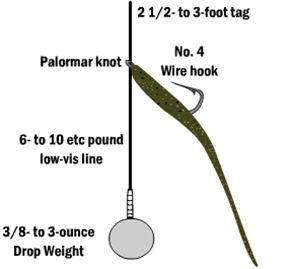
Drop Shot Rig Setup
The drop shot rig is ideal for vertical fishing. It works well in clear waters where fish can see the bait easily.
You need a hook and a weight for this rig. Attach the hook to the main line, leaving about 12 inches of line below it.
- Tie the weight at the bottom of the line
- Use a small plastic bait on the hook
- Let the weight touch the bottom and lightly shake the rod
Wacky Rig Setup
The wacky rig is simple and effective. It makes the bait look natural as it falls through the water.
Use a straight worm and a hook for this setup. Insert the hook through the middle of the worm.
- No need for weights or special equipment
- Cast near structures where bass might hide
- Let the bait sink slowly and watch for bites

Credit: mysterytacklebox.com
Step-by-step Rigging Process
Rigging a fishing line for bass fishing takes patience and practice. Each part of the rig helps catch bass more effectively. Follow these steps to prepare your line properly.
This guide breaks down the process into three key parts. You will learn how to attach the hook, add weights, and tie strong knots.
Attaching The Hook
Start by choosing the right hook size for bass fishing. Use a clean, sharp hook to improve your chances of a good catch. Attach the hook to your fishing line securely to avoid losing fish.
Use this simple method to attach the hook:
- Thread the fishing line through the eye of the hook.
- Double back the line and make five wraps around the standing line.
- Pass the tag end through the small loop near the eye.
- Moisten the knot with water or saliva.
- Pull the knot tight and trim the tag end.
Adding Weights And Sinkers
Weights help your bait sink to the right depth where bass swim. Choose weights based on water depth and current strength. Slide the weight onto the line before tying the hook.
| Weight Type | Use For | Placement on Line |
|---|---|---|
| Split Shot | Light currents, shallow water | Above the hook |
| Egg Sinkers | Moderate currents, medium depth | Above the hook, allows sliding |
| Bullet Weights | Heavy cover, deep water | Directly above the hook |
Tying Knots For Strength
A strong knot keeps your line from breaking during a fight. Use knots that hold well with bass line types like fluorocarbon or braided line.
- Use the Palomar knot for braided lines. It is simple and strong.
- The Improved Clinch knot works well with monofilament.
- Always moisten the knot before tightening it.
- Trim excess line close to the knot to avoid tangles.
Choosing The Right Bait
Choosing the right bait is key to catching bass. The bait must look natural and attract the fish.
Different baits work better in different situations. Knowing your options helps you decide.
Live Bait Options
Live bait is very effective for bass fishing. It moves naturally and attracts bass easily.
Common live baits include worms, minnows, and crayfish. Each has its own use.
- Worms are easy to find and attract many fish.
- Minnows mimic small fish, which bass like to eat.
- Crayfish work well near rocky or muddy areas.
Artificial Lures
Artificial lures are made to look like real bait. They come in many shapes and colors.
These lures can be plastic worms, crankbaits, or spinnerbaits. Each type has a special use.
- Plastic worms are good for slow, natural movements.
- Crankbaits dive deep and mimic injured fish.
- Spinnerbaits flash light to attract bass from far.
Matching Bait To Conditions
Pick bait based on water clarity, weather, and time of day. This improves your catch chances.
Bright colors work well in clear water. Dark colors show better in murky water.
| Condition | Best Bait |
|---|---|
| Clear Water | Natural colors, small live bait |
| Murky Water | Bright-colored lures, spinnerbaits |
| Sunny Day | Crankbaits, lures with flash |
| Cloudy Day | Worms, soft plastic baits |
Tips For Rigging In Different Conditions
Rigging a fishing line right helps catch more bass. Different water conditions need different setups.
Knowing how to adjust your rig can make fishing easier and more fun. Here are tips for clear water, murky water, and heavy cover.
Clear Water Strategies
In clear water, bass can see your line and lure well. Use light line and natural colors to avoid spooking fish.
- Choose fluorocarbon line for low visibility
- Use smaller hooks and subtle lures
- Rig soft plastics with a weedless Texas rig
- Cast beyond the target and retrieve slowly
Murky Water Adjustments
In murky water, bass rely more on smell and vibration. Use bright colors and noisy lures to attract them.
| Rig Type | Line Strength | Lure Color | Tip |
| Carolina Rig | 12-15 lb | Chartreuse or White | Use rattles or spinner blades |
| Jig Rig | 10-12 lb | Bright Orange or Red | Add scented soft plastic |
| Drop Shot | 8-10 lb | Glow-in-the-dark | Pause often during retrieve |
Fishing In Heavy Cover
Heavy cover needs strong rigs to avoid snags. Use strong hooks and lines that cut through weeds.
- Use braided line for strength and no stretch
- Choose wide gap hooks for better hold
- Try heavy Texas rigs or weedless jigs
- Keep your rig tight to feel bites quickly
Maintaining Your Rig
Keeping your fishing rig in good shape helps you catch more bass. Regular checks avoid surprises on the water.
Maintenance saves time and money. It keeps your gear ready for the next fishing trip.
Checking For Line Damage
Look closely at your fishing line before each use. Small cuts or frays can cause your line to break.
- Run the line between your fingers to feel for rough spots.
- Check for discoloration that shows wear from sun or water.
- Replace any section that looks weak or damaged.
- Use scissors to cut off damaged parts before tying knots.
Replacing Hooks And Weights
Old hooks lose sharpness and can fail to catch bass. Weights can rust or bend, affecting your rig’s performance.
| Item | Signs to Replace |
| Hook | Dull point, rust, bent shape |
| Weight | Rust, cracks, deformation |
Replace hooks and weights as soon as you notice any damage. Keep extras in your tackle box for quick swaps.
Proper Storage Techniques
Store your rig in a dry place to prevent rust and line damage. Avoid exposing it to sunlight for long periods.
- Use a tackle box with compartments to keep hooks and weights separate.
- Keep line spools covered to avoid dust and moisture.
- Hang rods vertically to prevent bending or warping.
- Dry your rig completely before storing it after use.

Credit: fishingbooker.com
Frequently Asked Questions
What Is The Best Fishing Line For Bass Fishing?
The best fishing line for bass is usually a braided or fluorocarbon line. Braided lines offer strength and sensitivity, while fluorocarbon lines are nearly invisible underwater. Choose based on water clarity and fishing conditions for optimal results.
How Do You Tie A Fishing Line For Bass?
To tie a fishing line for bass, use a Palomar or improved clinch knot. These knots are strong and reliable. Ensure the knot is tight and trimmed to avoid slipping, improving your chances of landing a bass.
Should I Use A Leader When Rigging For Bass?
Yes, using a leader is recommended. A fluorocarbon leader adds invisibility and abrasion resistance. It helps prevent bass from detecting the line and protects against sharp teeth or rough structures.
How Long Should A Bass Fishing Leader Be?
A bass fishing leader is typically 12 to 24 inches long. This length balances invisibility and strength, allowing natural lure movement while protecting the main line from damage and fish bites.
Conclusion
Rigging a fishing line for bass takes practice and patience. Choose the right knot and bait for the best catch. Keep your line tight and check it often. Small changes can make a big difference on the water. Try different setups to find what works for you.
Enjoy the process and time spent fishing outdoors. Catching bass becomes easier with each attempt. Stay safe and have fun on your fishing trips.