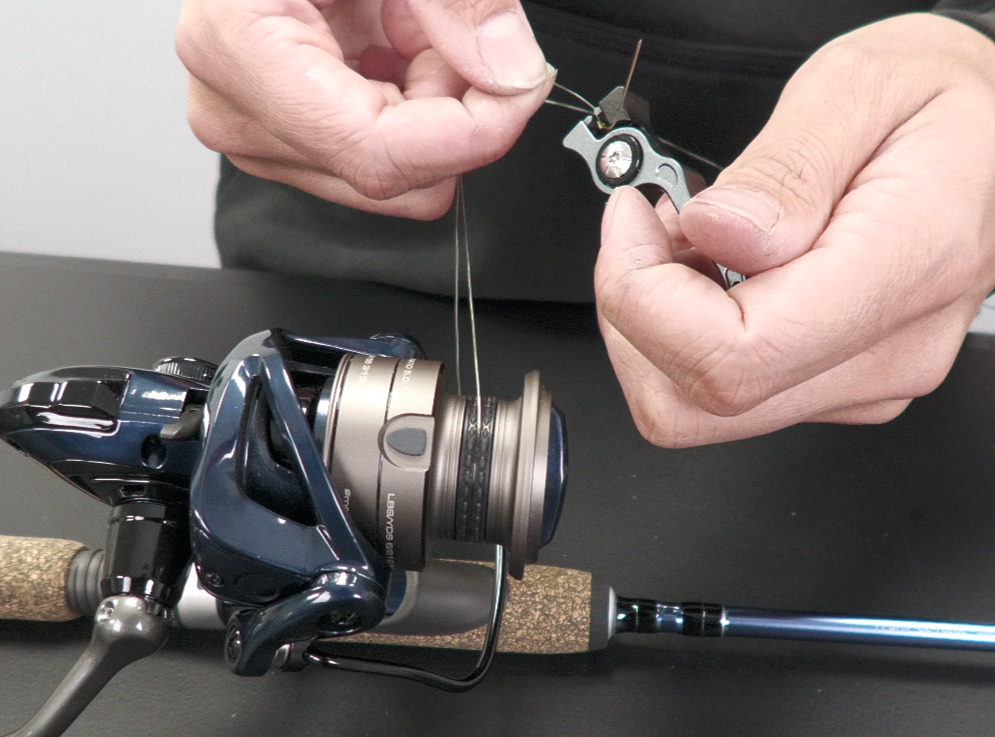
If you want to enjoy a smooth fishing experience, knowing how to spool fishing line on your reel is a must. Properly spooling your line prevents tangles, bird’s nests, and line breaks that can ruin your day on the water.
Whether you’re a beginner or just need a quick refresher, this guide will walk you through the simple steps to get your reel ready. By the end, you’ll feel confident and ready to cast like a pro. Keep reading to learn how to spool your fishing line the right way every time.
Credit: letsgobassfishing.com
Choosing The Right Fishing Line
Selecting the right fishing line is important for a good fishing experience. The line must fit your reel and fishing style.
Consider the type, strength, and thickness of the line. These factors affect casting, catching, and line durability.
Types Of Fishing Lines
Fishing lines come in three main types: monofilament, fluorocarbon, and braided. Each type has its own uses.
- Monofilament:Easy to handle and stretchable. Good for beginners.
- Fluorocarbon:Nearly invisible underwater. Best for clear water fishing.
- Braided:Very strong and thin. Ideal for heavy cover fishing.
Line Strength And Thickness
Choose line strength based on the fish you want to catch. Stronger fish need higher strength lines.
| Line Strength (Pounds) | Use |
| 4-8 | Light fishing for small fish |
| 10-20 | Medium fishing for bass or trout |
| 30+ | Heavy fishing for big fish like catfish |
Considerations For Different Fishing Styles
Your fishing style changes the line you should use. Match the line to your preferred fishing method.
- Spinning:Use smooth monofilament or fluorocarbon for easy casting.
- Baitcasting:Braided lines work well for strength and control.
- Fly Fishing:Use special thin lines designed for delicate casts.
Preparing Your Reel
Spooling fishing line properly starts with preparing your reel. A clean and well-set reel helps you cast smoothly and avoid tangles.
This guide covers cleaning your reel and setting it up for spooling. Follow these steps to get ready.
Cleaning The Reel
Clean your reel before spooling to remove dirt and old grease. This keeps the reel working well and extends its life.
- Remove the spool from the reel body carefully.
- Use a soft cloth to wipe off dust and grime.
- Apply a small amount of reel oil to moving parts.
- Check for any damage or rust.
- Let all parts dry before reassembling.
Setting Up The Reel For Spooling
Proper setup helps the line spool evenly and avoid twisting. Follow these key steps to prepare your reel.
| Task | Action |
|---|---|
| Attach the Reel | Secure the reel firmly to the fishing rod. |
| Thread the Line | Pass the line through all rod guides starting at the tip. |
| Tie the Line | Use an arbor knot to tie the line to the spool. |
| Tighten the Line | Hold the line tight and start winding slowly. |
| Check Tension | Adjust drag to moderate tension for even spooling. |
Attaching The Line To The Reel
Attaching the line to your fishing reel is an essential skill. Follow these steps to ensure your line is secure and ready for a great fishing experience.
Properly spooling your line prevents tangles and improves casting. Let’s start with tying the line onto the reel.
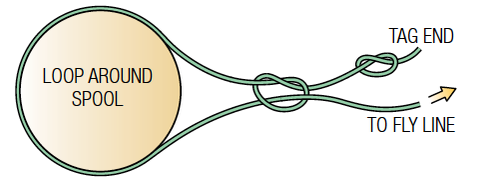
Tying The Arbor Knot
The arbor knot is a simple knot used to attach the line to the reel spool. It’s reliable and easy to tie.
- Wrap the line around the spool.
- Tie an overhand knot around the standing line.
- Tie a second overhand knot in the tag end.
- Tighten both knots by pulling on the standing line.
- Trim excess line from the tag end.
Securing The Line Properly
After tying the knot, it’s crucial to secure the line properly on the spool. This helps prevent slippage during your fishing trips.
Here’s a simple tip: Apply a small piece of tape over the knot to avoid slipping.
| Step | Description |
| 1 | Secure the knot with tape. |
| 2 | Begin winding the line evenly on the spool. |
| 3 | Maintain tension to prevent loose loops. |

Credit: www.youtube.com
Spooling The Line Onto The Reel
Spooling fishing line onto a reel is an important task for every angler. It helps you cast better and catch fish more easily.
This guide explains how to spool your fishing line correctly. Follow these tips to avoid problems on the water.
Maintaining Line Tension
Keep the fishing line tight while you spool it onto the reel. Loose line can cause tangles and knots later.
You can hold the line with your fingers or use a cloth to keep pressure. This keeps the line snug on the spool.
Proper Line Direction
Make sure the line winds onto the reel in the correct direction. This depends on your reel type.
Spinning reels need the line to come off the spool facing the reel handle. Baitcasting reels require different alignment.
- Check your reel manual for the right direction
- Match the line spool rotation with reel spool
- Avoid twisting the line as you spool
Avoiding Line Twists And Loops
Twists and loops can cause line tangles and reduce casting distance. Keep the line straight as you spool it.
Let the line come off the supply spool smoothly. Avoid letting it spin freely or twist in your hands.
- Use a line conditioner to reduce memory
- Keep the supply spool fixed and not spinning
- Check the line for twists during spooling
Finishing The Spooling Process
Finishing the spooling process is important to keep your fishing line secure. It helps avoid tangles and line slippage during fishing.
Taking time to complete the final steps ensures your reel works smoothly on the water. Follow these tips to finish properly.
Trimming Excess Line
After filling the reel, trim the extra line close to the spool. Leaving too much line can cause tangles and knots.
Use sharp scissors or a line cutter to make a clean cut. Avoid frayed ends to keep the line strong and neat.
Testing The Line Setup
Test the line by pulling it gently from the reel. It should move smoothly without slipping or catching.
Check the drag system and reel tension to make sure everything works well before fishing.
- Pull line steadily to feel the drag resistance
- Make sure the line stays tight on the spool
- Adjust the drag if the line slips or is too tight
Tips For Maintaining Your Spooled Line
Keeping your fishing line in good shape helps you catch more fish. Proper care stops it from breaking or tangling.
Simple steps can make your line last longer and work better on your reel.
Regular Line Inspection
Look at your fishing line before and after each use. Check for cracks, frays, or weak spots.
Remove any damaged parts to avoid line breaks while fishing. Replace the line if it looks old or worn out.
- Check for discoloration or stiffness
- Look for small cuts or nicks
- Test the line strength by pulling gently
- Replace the line after heavy use or damage
Storage And Handling Advice
Store your spooled line in a cool, dry place away from sunlight. Heat and sun can weaken the line over time.
Handle the reel carefully to avoid twisting or tangling the line. Keep it clean and dry after fishing.
- Use a reel cover or case for protection
- Avoid dropping or banging the reel
- Keep line away from sharp objects
- Remove the line if storing the reel for a long time
Credit: monsterbass.com
Frequently Asked Questions
How Do I Properly Spool Fishing Line On A Reel?
Start by securing the line to the reel spool. Keep tension on the line as you wind it evenly. Avoid overfilling the spool to prevent tangles. Use a partner or a line spooler for consistent tension and smooth spooling.
What Type Of Fishing Line Is Best For Spooling?
Monofilament is easiest for beginners due to its flexibility. Fluorocarbon offers low visibility and abrasion resistance. Braided line has high strength and thinner diameter but requires careful spooling to avoid tangles.
How Much Fishing Line Should I Put On My Reel?
Fill the spool about 1/8 inch below the reel’s rim. This prevents overfilling and reduces the chance of line tangles or bird nests. Adjust based on line diameter and reel capacity for optimal performance.
Can I Reuse Old Fishing Line When Spooling A Reel?
Reusing old line is not recommended. Old line loses strength and flexibility, increasing breakage risk. Always use fresh line to ensure durability and better fishing results.
Conclusion
Spooling your fishing line correctly helps avoid tangles and breaks. Take your time and follow each step carefully. Keep the line tight and even on the reel. Check your work before you start fishing. A well-spooled reel makes casting easier and more fun.
Practice often to improve your skills. Enjoy your fishing trips with confidence and less hassle. Simple steps lead to better results every time.