
Have you ever spotted a cluster of fuzzy caterpillars hanging from your trees and wondered if they could be dangerous to you or your family? Tent caterpillars are common in many neighborhoods, and their strange appearance can make anyone curious—or even a little worried.
You might be asking yourself, “Are tent caterpillars harmful to humans? ” Before you reach for that bug spray or try to get rid of them, it’s important to know the facts. This article will help you understand what these creatures really mean for your health and safety, so you can protect yourself and your home with confidence.
Keep reading to find out the truth behind tent caterpillars and why you shouldn’t panic just yet.
Tent Caterpillar Basics
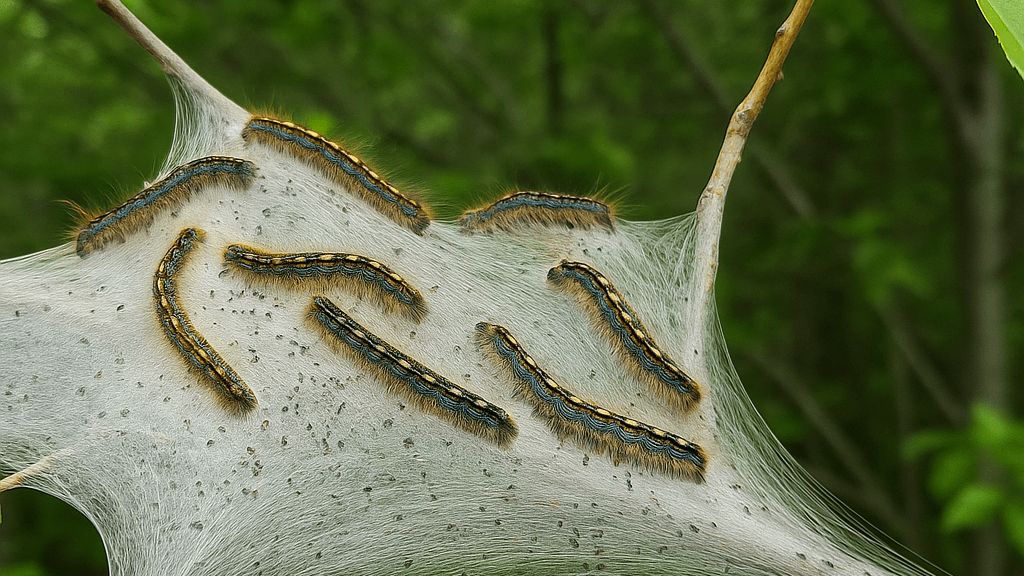
Tent caterpillars are insects that build web-like tents in trees. They are common in North America and parts of Europe.
People often wonder if tent caterpillars are harmful to humans. Understanding their traits helps answer this question.
Physical Characteristics
Tent caterpillars have hairy bodies with stripes running down their backs. Their color varies from brown to black with white or yellow marks.
They grow about 2 inches long before turning into moths. Their hairs can cause mild skin irritation in some people.
- Length: Up to 2 inches (5 cm)
- Color: Brown, black, white, or yellow stripes
- Body: Covered with fine hairs
- Distinctive web tents in tree branches
Life Cycle And Behavior
The tent caterpillar life cycle starts when eggs hatch in spring. The larvae build silk tents in tree branches where they live and feed.
They eat leaves during the day and return to the tent at night. After several weeks, they become moths and leave the tents.
- Eggs hatch in spring
- Larvae live in silk tents
- Feed on tree leaves
- Become moths after a few weeks
- Moths leave tents to mate and lay eggs
Impact On Human Health
Tent caterpillars are common in many areas. People often wonder if they can harm humans.
These insects can cause some health issues, mainly through skin contact or breathing.
Skin Reactions And Irritations
Tent caterpillars have tiny hairs that can irritate the skin. Touching them may cause redness or itching.
Some people develop small bumps or rashes after contact with the caterpillar’s hairs.
- Redness and itching on the skin
- Small bumps or rashes
- Swelling in sensitive areas
Respiratory Concerns
Breathing in hairs from tent caterpillars can irritate the nose and throat. This may cause coughing or sneezing.
People with asthma or lung problems may feel worse if exposed to these hairs.
- Coughing and sneezing
- Throat irritation
- Worsened asthma symptoms
Allergic Responses
Some individuals have allergies to tent caterpillar hairs. Their immune system reacts strongly to contact.
Allergic reactions can include swelling, hives, or difficulty breathing in severe cases.
- Swelling of the skin or face
- Hives or raised bumps
- Severe breathing problems
Environmental Effects
Tent caterpillars are often seen in trees during spring. They are known for creating large silk nests. These caterpillars can impact trees and the environment.
Understanding their effects helps us manage their presence. Let’s explore how they affect trees and their role in nature.
Damage To Trees And Plants
Tent caterpillars eat the leaves of trees. This can cause trees to lose their leaves early. When trees lose many leaves, they can become weak.
Weak trees may not produce as much fruit or seeds. This can affect plants and animals that rely on these trees for food.
- Defoliation weakens trees
- Reduced fruit and seed production
- Impact on food sources for wildlife
Role In The Ecosystem
Tent caterpillars play a part in the food chain. Birds and other animals eat them. This helps keep the caterpillar population in check.
They also contribute to soil health. When caterpillars die, they decompose and add nutrients to the soil.
- Food source for birds and animals
- Help control their own population
- Enhance soil nutrients through decomposition
Credit: workingforest.com
Safety Measures
Tent caterpillars can cause skin irritation for some people. It is important to take safety steps. These steps help avoid contact and reduce risks.
Use simple methods to protect yourself around tent caterpillars. Knowing how to avoid exposure and handle infested areas keeps you safe.
Avoiding Exposure
Avoid touching tent caterpillars or their webs. Their hairs may cause itching or rashes. Keep children and pets away from these areas.
- Wear long sleeves and pants outside
- Use gloves if you must touch infested plants
- Stay away from trees with visible webs
- Wash skin with soap if you come in contact
- Keep windows closed to avoid caterpillars entering
Handling Infested Areas
When dealing with infested trees or bushes, use care. Removing webs safely protects your skin and eyes. Use tools instead of hands.
| Safety Tool | Purpose | Tip |
| Gloves | Protect hands from hairs | Choose thick, durable gloves |
| Long sleeves | Cover arms to prevent rash | Wear tightly woven fabrics |
| Safety glasses | Protect eyes from hairs | Use wraparound glasses |
| Long-handled stick | Remove webs from a distance | Do not use bare hands |
Treatment For Exposure
Tent caterpillars can cause skin irritation if you touch them. Their tiny hairs may cause itching or a rash.
It is important to treat exposure quickly to reduce discomfort. Knowing first aid and when to get help is key.
First Aid Tips
Start by washing the affected skin with soap and water. This helps remove caterpillar hairs or venom.
Apply a cold pack or ice wrapped in cloth to the area. This can reduce swelling and itching.
- Use over-the-counter hydrocortisone cream to ease itching
- Take an oral antihistamine if the rash is very itchy
- Avoid scratching to prevent infection
- Wear long sleeves when outdoors to prevent contact
When To Seek Medical Help
See a doctor if the rash spreads quickly or gets worse. Severe swelling or pain needs medical attention.
Get help if you have trouble breathing or feel dizzy. These can be signs of a serious allergic reaction.
- Severe swelling around the eyes, lips, or throat
- Difficulty breathing or swallowing
- High fever or signs of infection
- Rash covering a large body area

Credit: news.ubc.ca
Common Myths About Tent Caterpillars
Tent caterpillars often cause worry because of their strange webs and many legs. People ask if they are harmful to humans.
Some myths make people scared of these insects. It helps to know the truth about tent caterpillars.
Debunking Misconceptions
Many people think tent caterpillars bite or sting humans. This is not true. They do not have stingers or strong jaws.
Another myth says their hairs cause serious allergic reactions. Most people only get mild skin irritation, if any.
- Tent caterpillars do not bite people.
- Their hairs rarely cause strong allergic reactions.
- They do not spread diseases to humans.
What Science Says
Scientists study tent caterpillars to understand their effects on humans. Research shows they are mostly harmless.
Some people may have mild skin rash if they touch the caterpillars. This happens because of tiny hairs on their bodies.
- Touching tent caterpillars can cause mild skin irritation.
- No evidence links them to serious health problems.
- Washing skin with soap helps clear irritation fast.

Credit: medium.com
Frequently Asked Questions
Are Tent Caterpillars Dangerous To Humans?
Tent caterpillars are generally not dangerous to humans. They do not bite or sting. However, their hairs may cause mild skin irritation or allergic reactions in sensitive individuals.
Can Tent Caterpillars Cause Allergic Reactions?
Yes, some people may experience allergic reactions from tent caterpillar hairs. Symptoms include itching, rash, or mild respiratory issues. Avoid direct contact to reduce risk.
Do Tent Caterpillars Spread Diseases To Humans?
Tent caterpillars do not spread diseases to humans. They mainly affect trees and plants. Human health risks are limited to skin irritation from their hairs.
How To Prevent Tent Caterpillar Skin Irritation?
Wear protective clothing when handling tent caterpillars. Avoid touching them directly. Washing skin immediately after contact helps prevent irritation or allergic reactions.
Conclusion
Tent caterpillars do not pose serious harm to humans. Their hairs may cause mild skin irritation in some cases. Most people experience no problems at all. These insects mainly affect trees, not people. It is best to avoid touching them directly.
Keeping distance helps prevent any discomfort. Understanding these facts reduces unnecessary worry. Nature often balances itself without major issues. Stay calm if you see tent caterpillars nearby. They are more a nuisance than a danger. Simple care keeps you safe from any mild effects.